The Core Process of Anodizing Explained
Key Steps in the Anodizing Workflow
Deep Dive into the Anodizing Process Steps
Enhanced Durability in Anodizing Aluminum CNC Parts
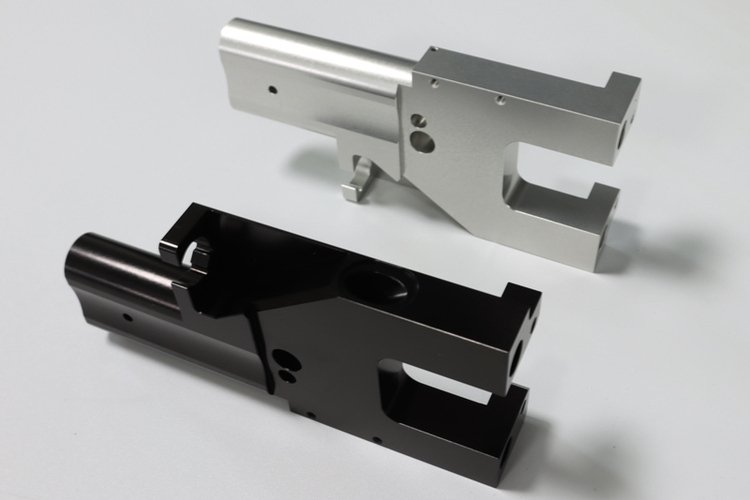
Superior Corrosion Resistance for Longevity
Achieving Custom Aesthetics with Anodizing
A Comparative Look at Anodizing Types
Different anodizing types provide distinct properties to meet specific application requirements. Type I, or chromic acid anodizing, produces thin and dense coatings that are ideal for maintaining tight tolerances. In contrast, Type II—based on sulfuric acid—is the most widely used option for decorative finishes and general corrosion protection.
For more demanding conditions, Type III (hardcoat anodizing) creates thick, extremely hard layers that deliver excellent wear resistance. Each process serves a unique role in manufacturing, making proper selection essential for achieving the desired outcome. The choice ultimately depends on the component’s operational environment and performance expectations.
With careful evaluation, manufacturers can ensure optimal durability and functionality over time. The comparison table below outlines the key differences among these primary anodizing types.
| Anodizing Type | Key Characteristics | Typical Applications |
|---|---|---|
| Type I (Chromic Acid) | Thin, dense, good corrosion resistance | Aerospace, precision milled components |
| Type II (Sulfuric Acid) | Moderate thickness, decorative, protective | Consumer goods, architectural |
| Type III (Hardcoat) | Thick, very hard, wear-resistant | Military, industrial, high-wear parts |
Interpreting the Anodizing Type Comparison
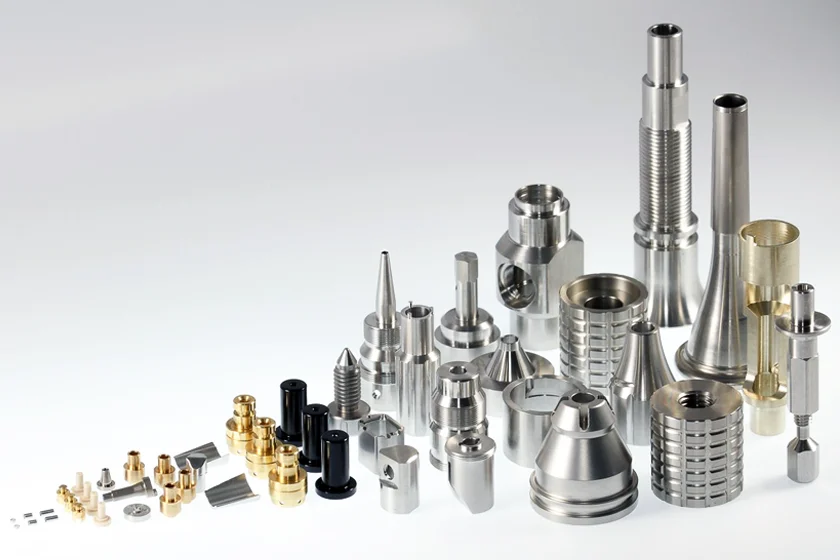
The table above highlights the distinct capabilities of various anodizing processes and their suitability for different applications. Type I is ideal for components requiring minimal dimensional change, as its thin oxide layer helps maintain tight tolerances—particularly important for precision milled components.Type II provides a balanced combination of aesthetic flexibility and reliable protection, making it widely adopted across multiple industries for its versatility and cost efficiency.
Surface Finish Considerations for Anodized Parts
| Surface Treatment | Effect on Finish | Benefits |
|---|---|---|
| Mechanical Polishing | Smooth, reflective surface | High luster, improved aesthetics |
| Chemical Brightening | Bright, mirror-like finish | Removes minor imperfections, enhances reflectivity |
| Sand Blasting | Matte, textured appearance | Uniform non-reflective surface, hides minor defects |
Material Selection in Advanced Manufacturing
Key Industrial Applications for Anodizing Aluminum CNC Parts
The Final Word on Anodizing Benefits
Frequently Asked Questions
How does anodizing impact the dimensions of a part?
Anodizing forms an oxide layer on the aluminum surface, leading to a slight dimensional increase. The thickness of this layer varies depending on the anodizing type and process conditions. Type I produces the thinnest coating, typically only a few microns, making it suitable for tight-tolerance applications.
In comparison, Type II generates a thicker layer, usually ranging from 5 to 25 microns, offering a balance between protection and dimensional stability. Type III, also known as hardcoat anodizing, creates the thickest layer, which can reach up to 100 microns for high-wear environments.
Such dimensional changes are predictable and controllable when properly specified. Engineers must consider this growth during the design phase to ensure correct fit and function in precision assemblies. Typically, the coating grows approximately 50% inward and 50% outward from the original surface. Understanding this behavior is essential for maintaining tight tolerances in complex, high-performance components.