ZheJiang Dream Industry Limited
Precision Gear Manufacturer | Spur Gear, Helical Gear, Bevel Gear, Planetary Gear
Dream manufactures precision gears: spur gear, helical gear, bevel gear, worm gear and planetary gear sets—in alloy steel, carburized & ground, and stainless steel variants. OEM production, CAD/STEP/IGS, datasheets and rapid sampling for gearbox, robotics and automation applications.
Gear Types & Description
1.Spur Gear: Single profile straight teeth, simple structure and high efficiency; suitable for parallel shaft drives and commonly used in gearboxes and light to medium duty transmissions (precision spur gear).
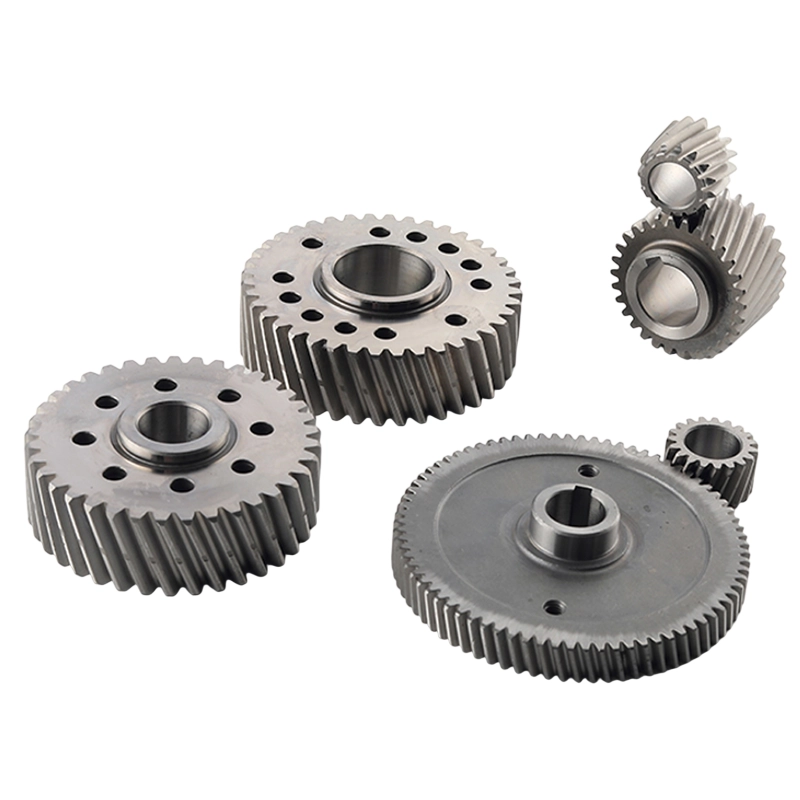
2.Helical Gear: Teeth formed at a helix angle for smoother engagement, lower noise and higher load capacity; commonly used in high speed transmissions (helical gear for gearbox).
3.Bevel Gear (including straight / spiral bevels): Used for intersecting shafts (typically 90°) transmission; common in differentials and right angle drives (bevel gear set).
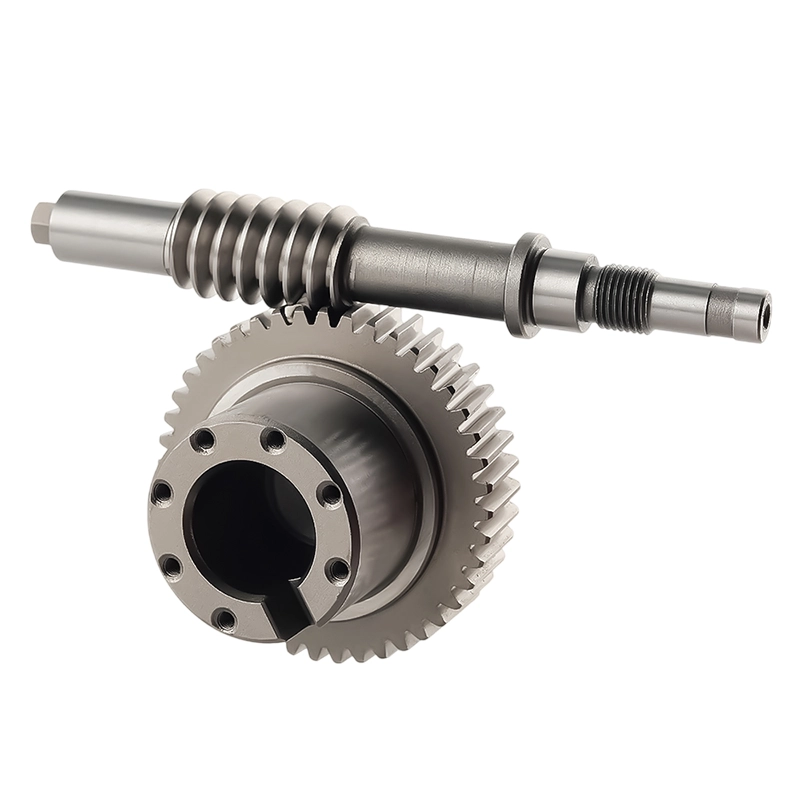
4.Worm Gear: High reduction ratio and good self locking characteristics; suitable for lifting and reduction mechanisms (worm gear set).
5.Planetary Gear: High power density and compact layout; used in reducers, planetary gearboxes and servo systems (planetary gear set).
6.Ground / Carburized / Induction Hardened Gears: Provide surface hardening and precision grinding processes for high precision, long life applications.
Gear International Classification & Standards
1.Gear types per ISO/DIN classifications: spur (straight), helical (inclined), bevel (straight/spiral), worm (single/multi start) — ISO 1328 / DIN 3961–3967 / AGMA standards define tooth form, tolerances and backlash requirements.
2.Accuracy & tolerance: Ground gears meet AGMA/ISO precision grades (e.g., ISO 6–8 / AGMA 10–12); rolled or cut gears serve lower precision requirements.
3.Heat treatment & hardness specs: Carburized & quenched gears provide high surface hardness (e.g., HRC 58–62) with tough cores; induction hardened or through hardened gears are specified per application.
4.Material & designation references: Common gear steels include 20MnCr5 / 18CrNiMo7 6 (carburizing steels), 42CrMo4, 16MnCr5; stainless grades 304/316 are used for corrosion resistant applications.
Gear Materials & Key Features
1.Alloy & Carburizing Steels (20MnCr5, 18CrNiMo): Excellent surface wear resistance and fatigue life; carburizing and quenching produce hard tooth surfaces, commonly used for high load transmission gears (carburized gear / carburized spur gear).
2.Induction Hardened / Through Hardened Steels: Suitable for applications subject to impact loads or requiring high wear resistance (induction hardened gear).
3.Stainless Steel (304 / 316 / 316L): Corrosion resistant and suitable for marine or sanitary applications (stainless steel gear); appropriate for low speed / medium load or hygiene critical equipment.
4.Powdered Metal Gears: Cost effective and suitable for complex shapes (powder metallurgy gear).
5.Plastic Gears (POM, Nylon): Low noise, chemical resistance, suitable for light load or indexing drives (plastic gear).
6.Key features integrated: precision involute tooth profile, controlled backlash, specified surface finish (Ra), dynamic balance, quiet operation and high contact fatigue life.
Precision gears are core components across industries:
1.Gearboxes & reducers: spur and helical gears in industrial gearboxes for material handling and power transmission.
2.Automation & robotics: planetary gear sets and zero backlash helical gears for robotic arms and precision actuators.
3.Automotive & transmission systems: bevel gears and hypoid / spiral bevel for differential and axle drives.
4.Pumps & compressors: helical or spur gears in positive displacement pumps.
5.Packaging & printing machinery: low noise helical gears for high speed intermittent motion.
6.Wind turbines & renewable energy: heavy duty gears and gearboxes for turbines (high fatigue life).
7.Marine & offshore: stainless steel gears and coated gears for corrosion resistance.
Precision gears are widely used in: gearboxes and transmission housings, automation and robotics (planetary gear reducers and zero backlash gears), and automotive transmission systems.
Technical Selection Guide
1.Specify module / DP and number of teeth, gear ratio, center distance and required backlash.
2.Determine operating torque, peak torque, rotational speed and duty cycle to select material and heat treatment.
3.Choose accuracy class (ground vs cut) and surface finish requirement for noise and life considerations.
4.Consider mounting, keyways, flanges and balance for high speed applications.
Provide gear module, number of teeth, material and operating conditions or upload CAD / STEP / IGS for a fast engineering review and quotation: sales@dream-steel.com