ZheJiang Dream Industry Limited
Product Use
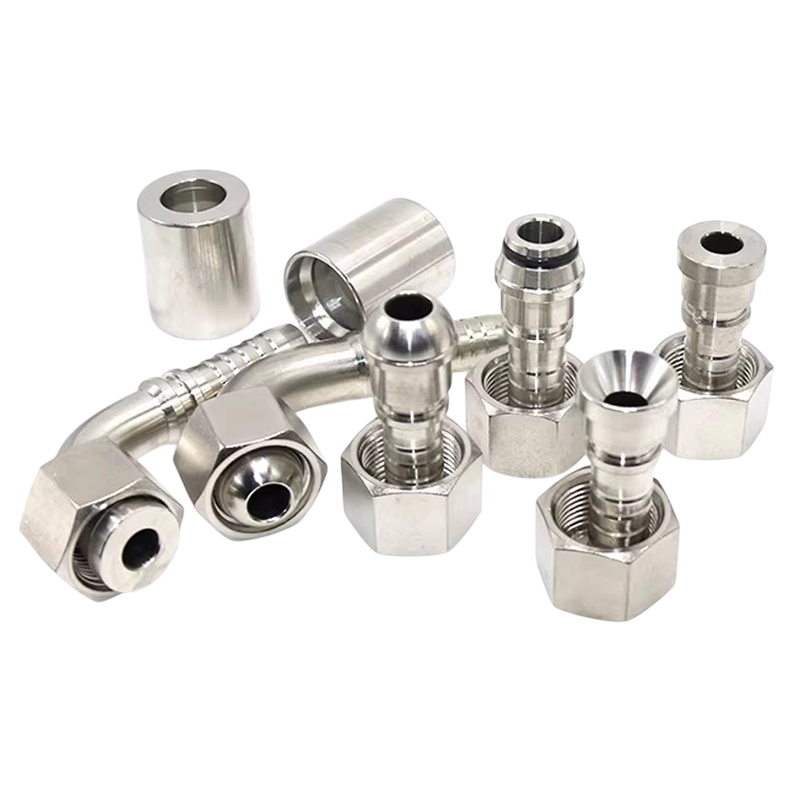
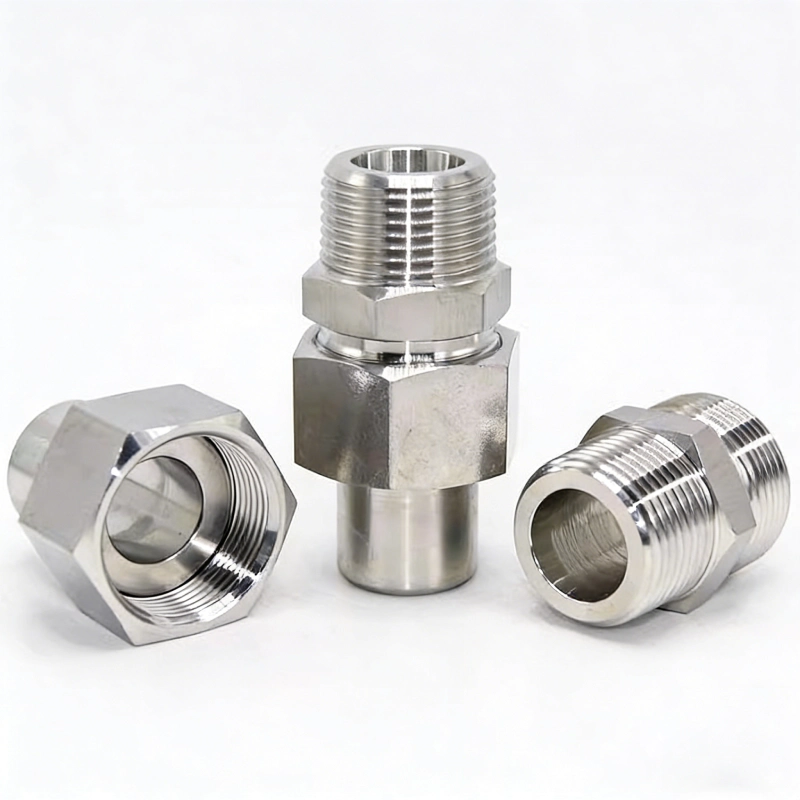
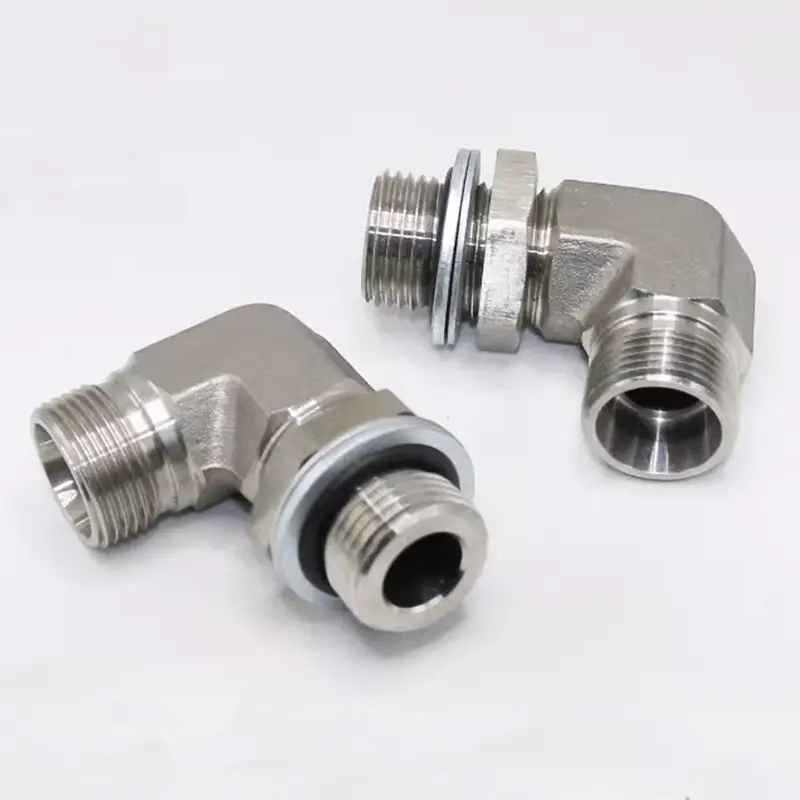
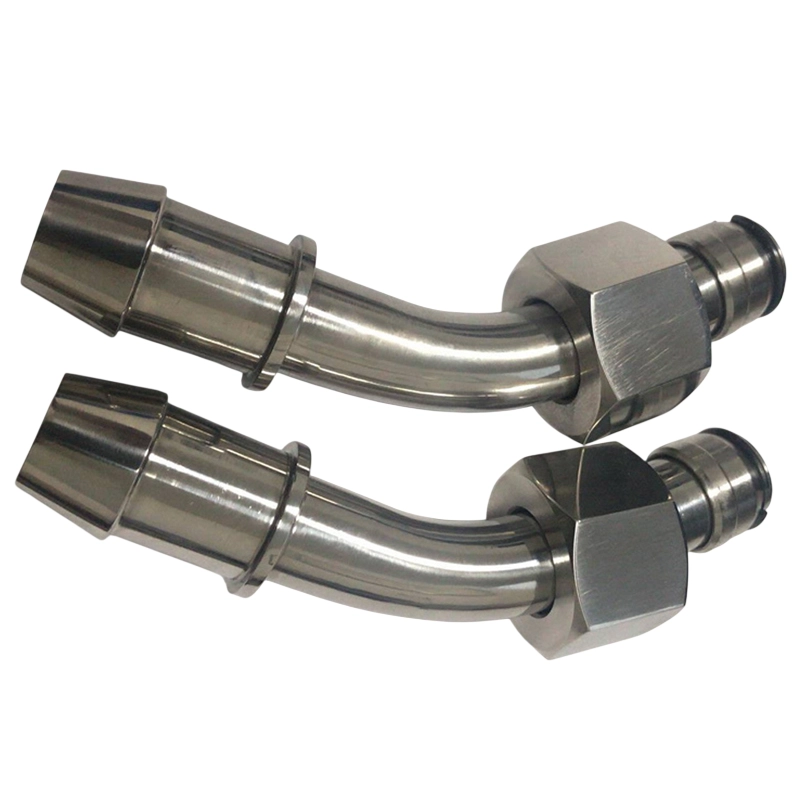
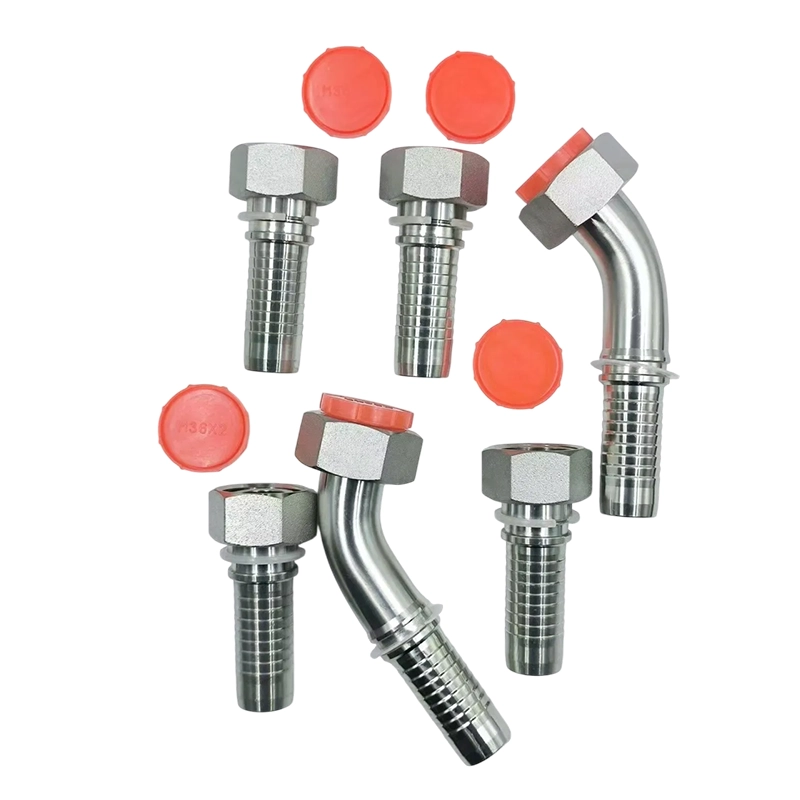
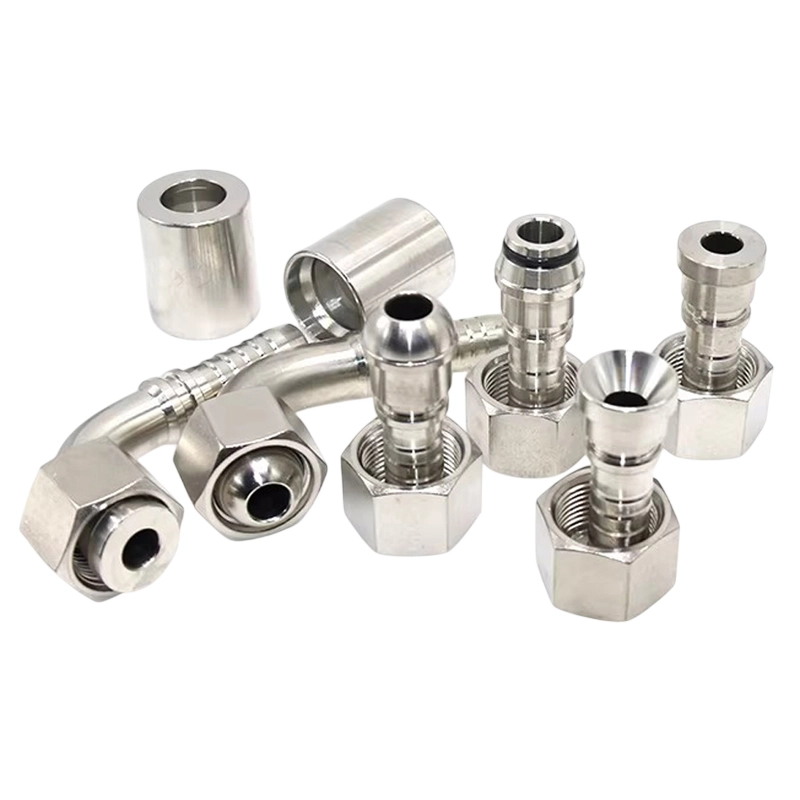
Metric hydraulic connector joins hoses, tubes, ports, and adapters in hydraulic systems that follow metric standards. It suits cylinders, pumps, valves, mobile machinery, and industrial pressure equipment.
Structure and Materials
The connector can use steel, stainless steel, or brass based on pressure and environment. Connection styles may include flat seal, cone seal, O-ring seal, standpipe, or swivel forms. Precision threads support reliable assembly.
Function and Operation
Technicians tighten the connector to link two hydraulic components. The sealing surface and thread geometry help hold pressure and control fluid flow. Correct sizing helps prevent leakage, vibration problems, and fitting mismatch.
Performance Advantages
Metric design supports international machinery and replacement part programs. The connector family can match many equipment layouts. Durable material and coating options help protect against corrosion, pressure cycles, and demanding service conditions.
Application Fit
Engineering teams can use the part in new product development, replacement projects, and equipment upgrades. Clear dimensions help purchasing teams compare existing hardware. Consistent materials and finish options also make the item easier to integrate into multi-part assemblies.
Custom Options
Buyers can specify thread standard, seal type, pressure rating, body shape, material, coating, and tube size. Options include zinc plating, stainless steel, protective caps, and kit packaging.
Quality Control
Production teams can check dimensions, threads, surface finish, and packaging before shipment. Clear drawings and sample approval reduce communication risk. Stable batch records support repeat orders, while simple inspection steps help buyers keep assembly quality consistent across different project stages.
B2B Supply Support
Metric hydraulic connector can serve hose assembly companies, OEM equipment makers, and maintenance distributors. It helps buyers build hydraulic lines that match metric equipment requirements.
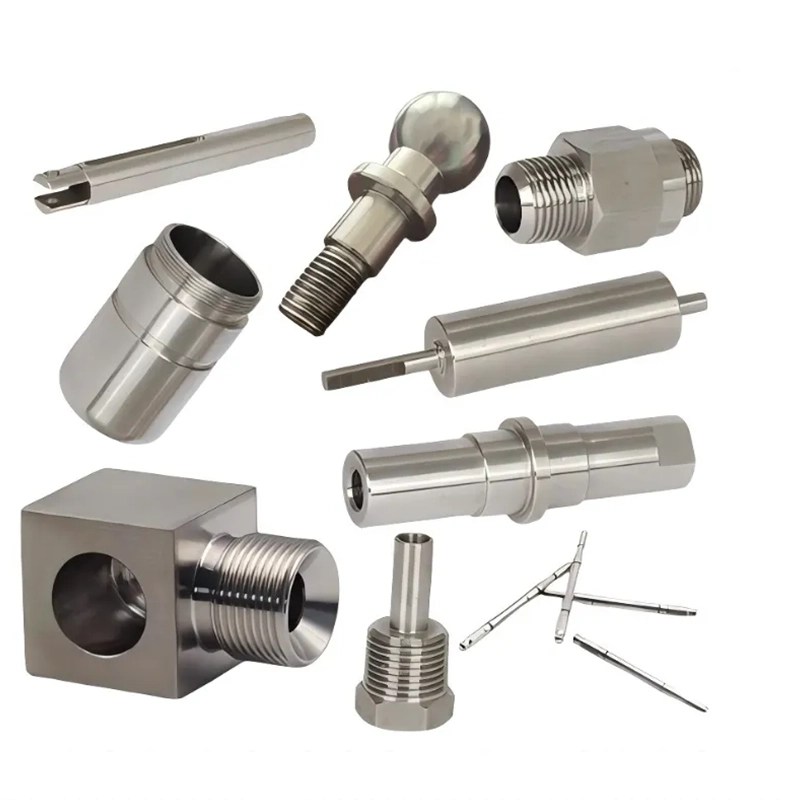
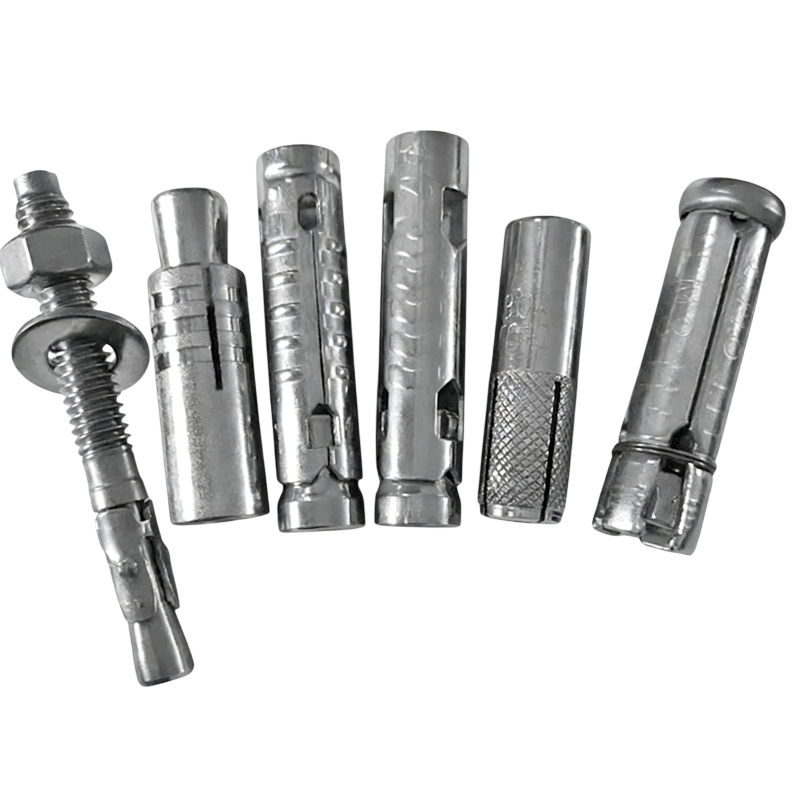
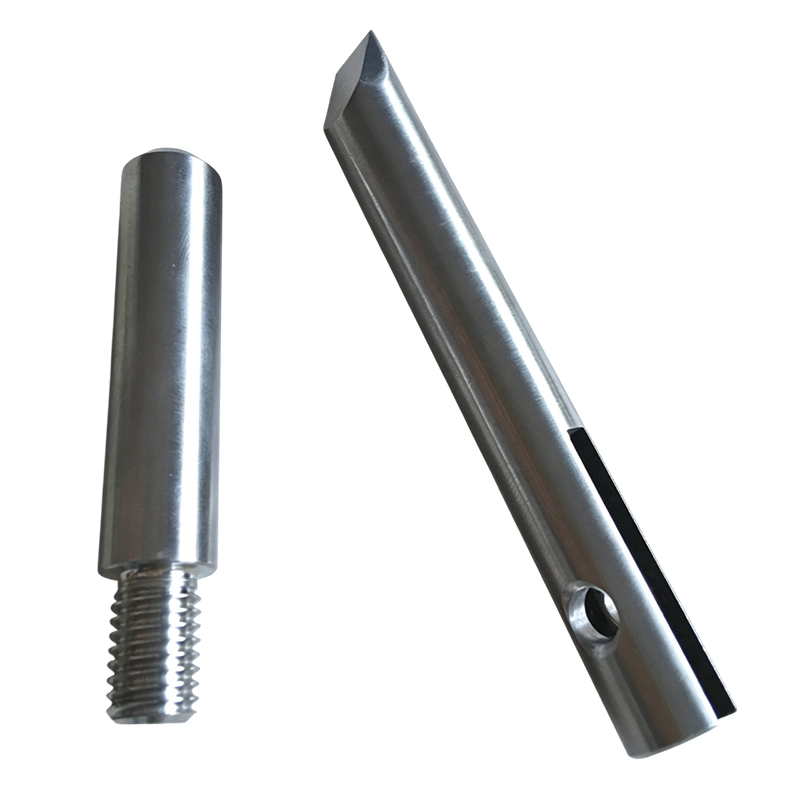
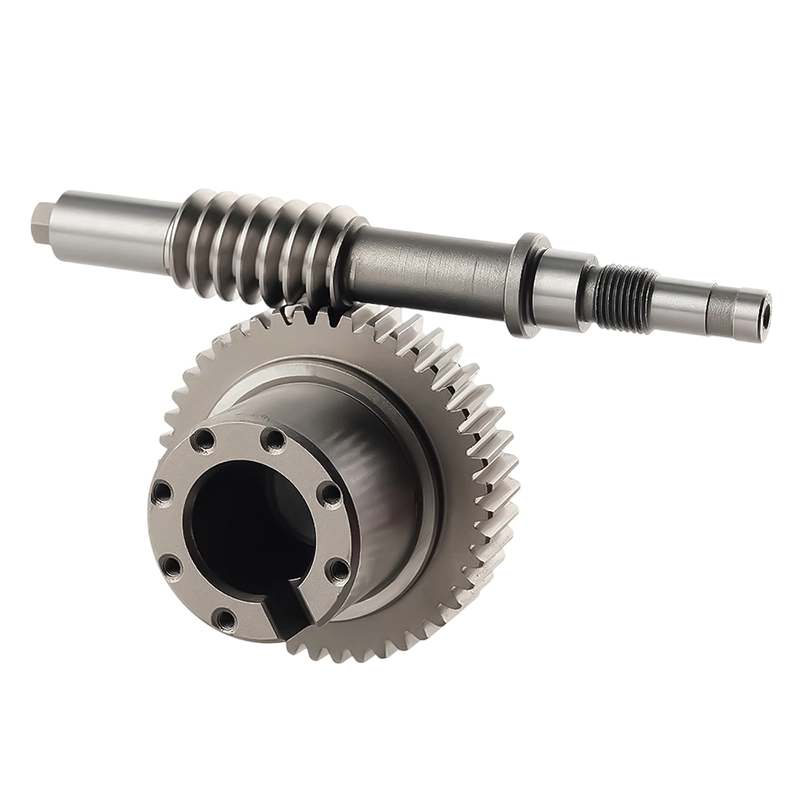
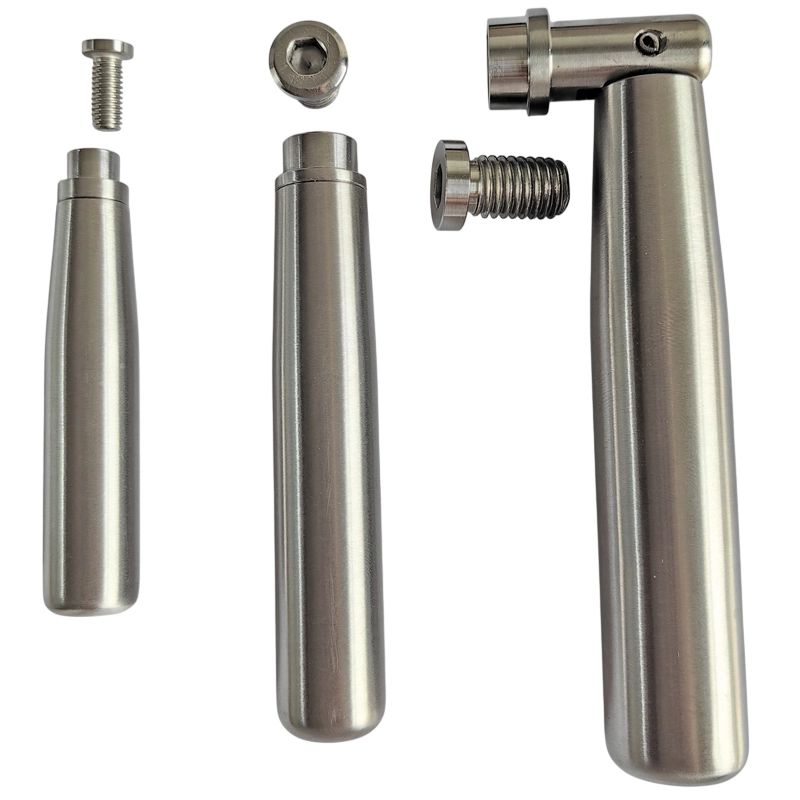
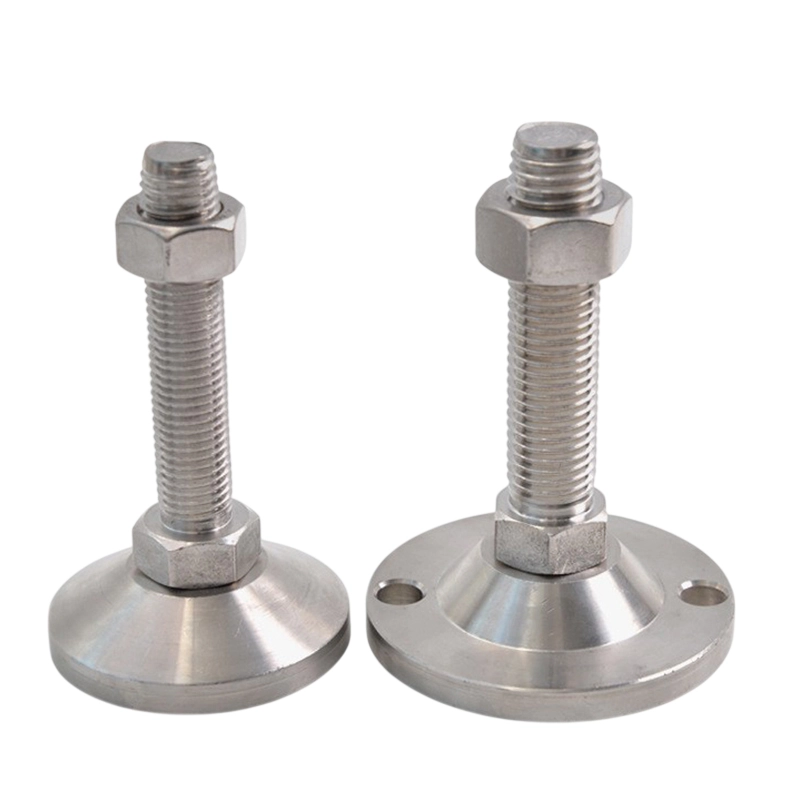
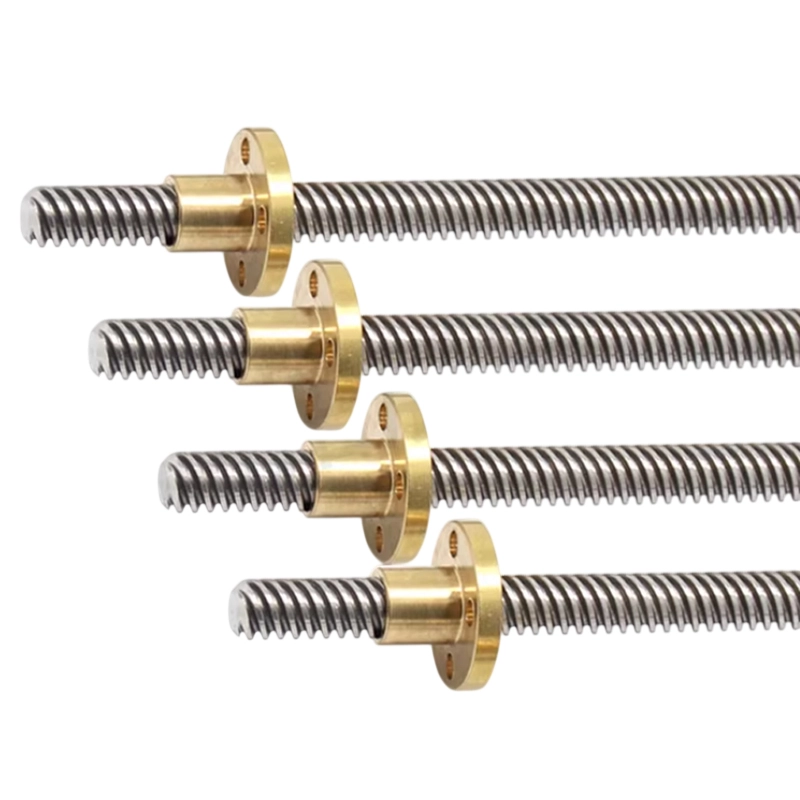
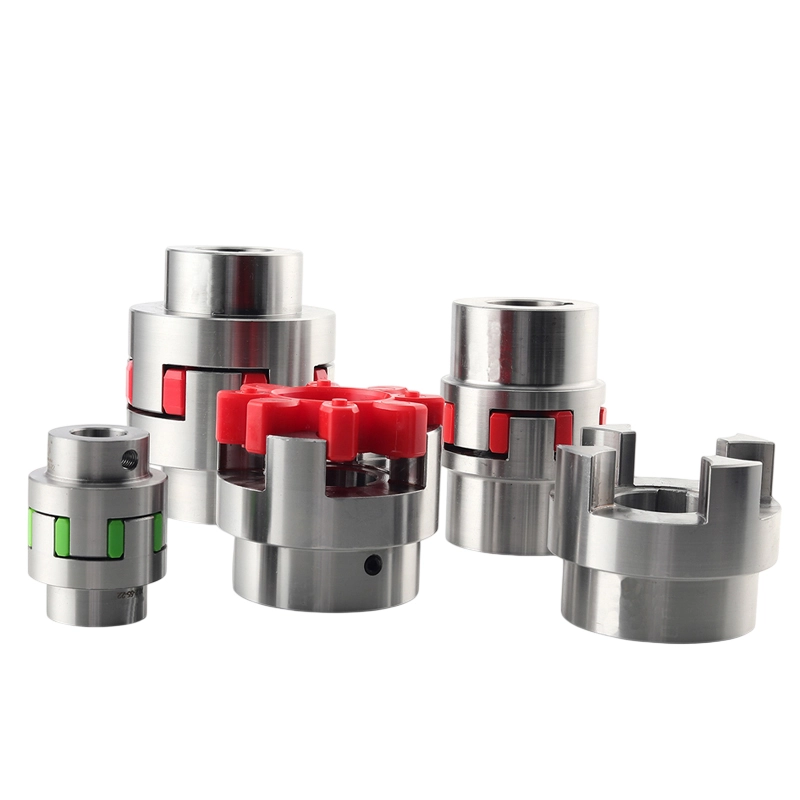
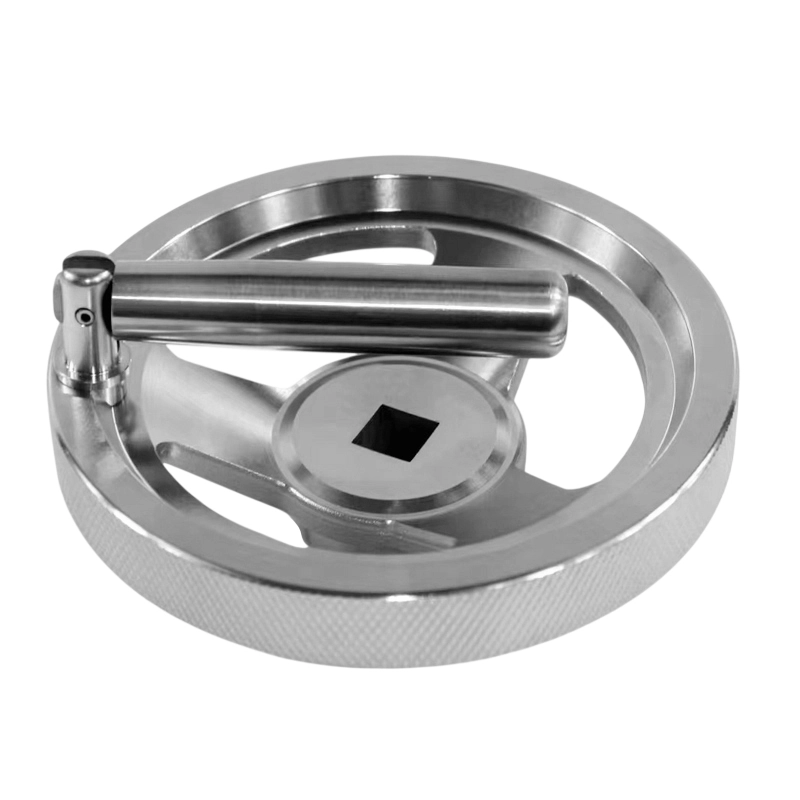
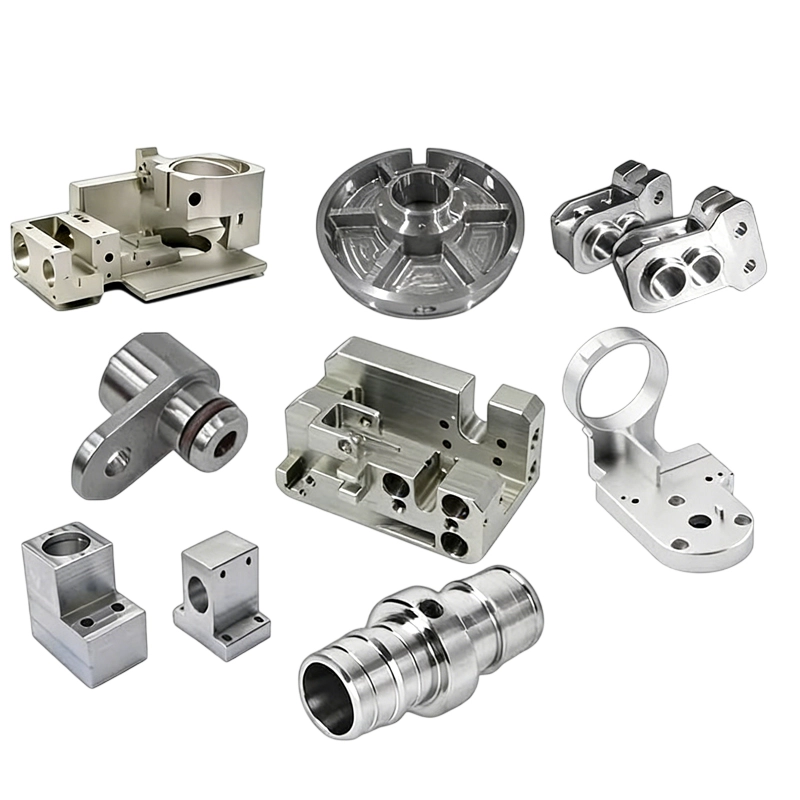
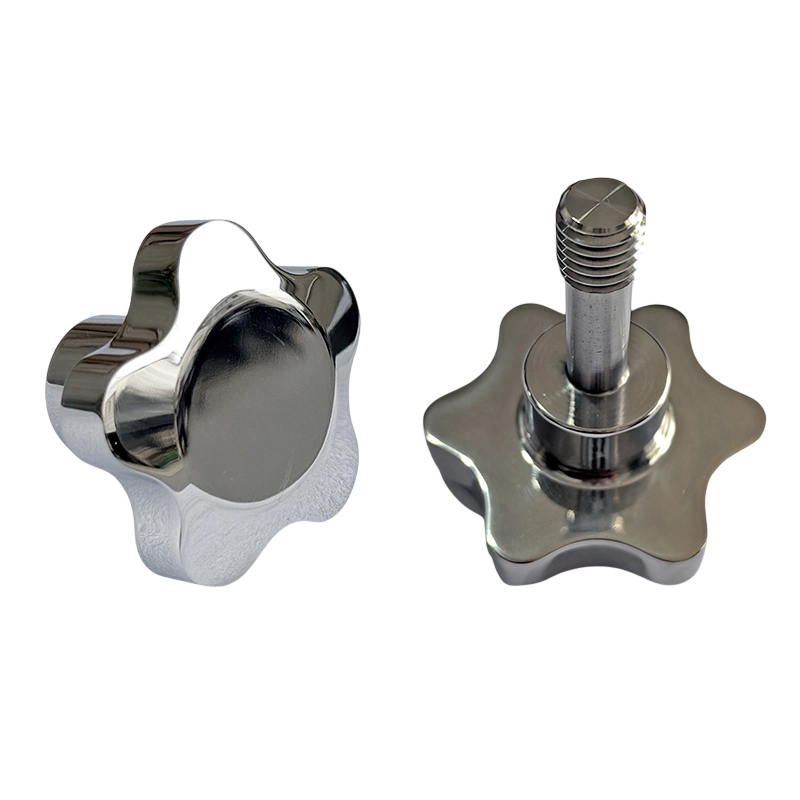
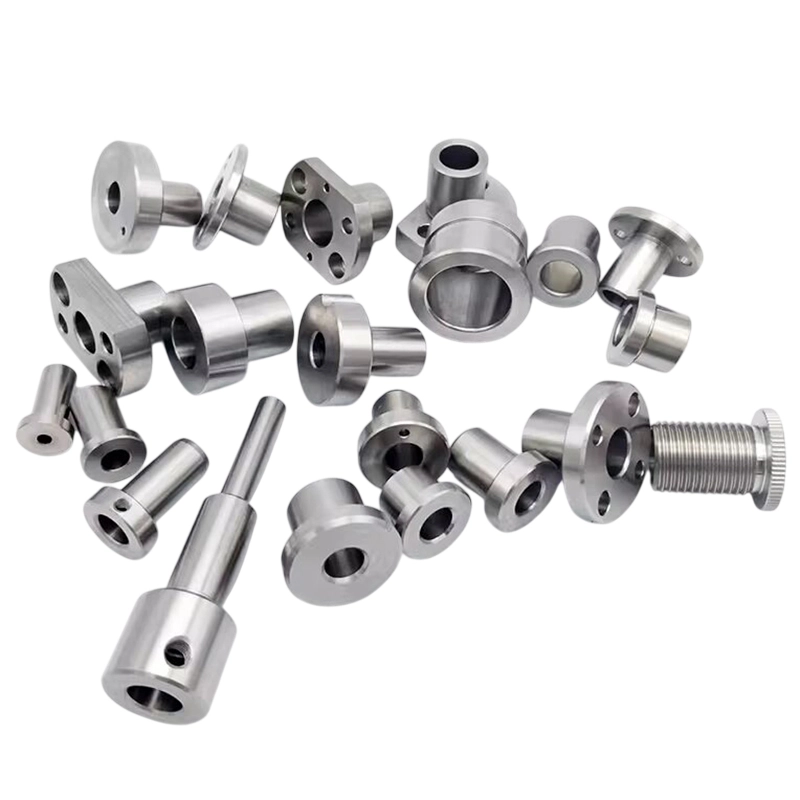
We supply a wide range of metal machining and industrial hardware products, including handwheels, clamping knobs, machine handles, levelling elements, lead screws, bushings, pipe fittings, precision gears, wedge anchors, industrial couplings, precision pins, and CNC machined parts. Custom parts can also be produced based on drawings or samples.
Yes. We support OEM and custom metal machining services for B2B customers. You can provide 2D drawings, 3D models, samples, or technical specifications, and our team will evaluate the material, dimensions, tolerances, surface finish, assembly requirements, and application conditions to provide a suitable production solution.
To receive an accurate quotation, please provide product drawings, material requirements, order quantity, surface treatment, tolerance requirements, application details, and expected delivery time. If you have samples, packaging requirements, inspection standards, or export documentation needs, please also include them.
We can machine various metal materials according to project requirements, such as carbon steel, stainless steel, alloy steel, aluminum alloy, copper, brass, and selected high-strength or corrosion-resistant materials. The choice of material affects strength, corrosion resistance, machining efficiency, cost, and lead time.
We control quality through drawing review, process planning, in-process inspection, and final inspection before shipment. Key dimensions, tolerances, material requirements, and surface treatments are confirmed before production. Inspection reports, material certificates, or other quality documents can be provided upon request.
Yes. We can provide different surface treatment options based on product usage and working environment, such as zinc plating, black oxide, anodizing, polishing, electroplating, heat treatment, and other anti-corrosion or wear-resistant finishes. Proper surface treatment helps improve durability, appearance, and service life.
Lead time depends on product complexity, material availability, machining process, order quantity, inspection requirements, and surface treatment. Simple parts usually require a shorter lead time, while high-precision parts, complex structures, special materials, or additional post-processing may take longer. After confirming the drawings and technical requirements, we will provide a clear production and delivery schedule.
Yes. We work with OEM manufacturers, equipment producers, distributors, and industrial buyers. For stable bulk orders, we can help optimize machining processes, reduce unit costs, improve delivery stability, and support customized packaging, labeling, inspection documents, and international shipping requirements.