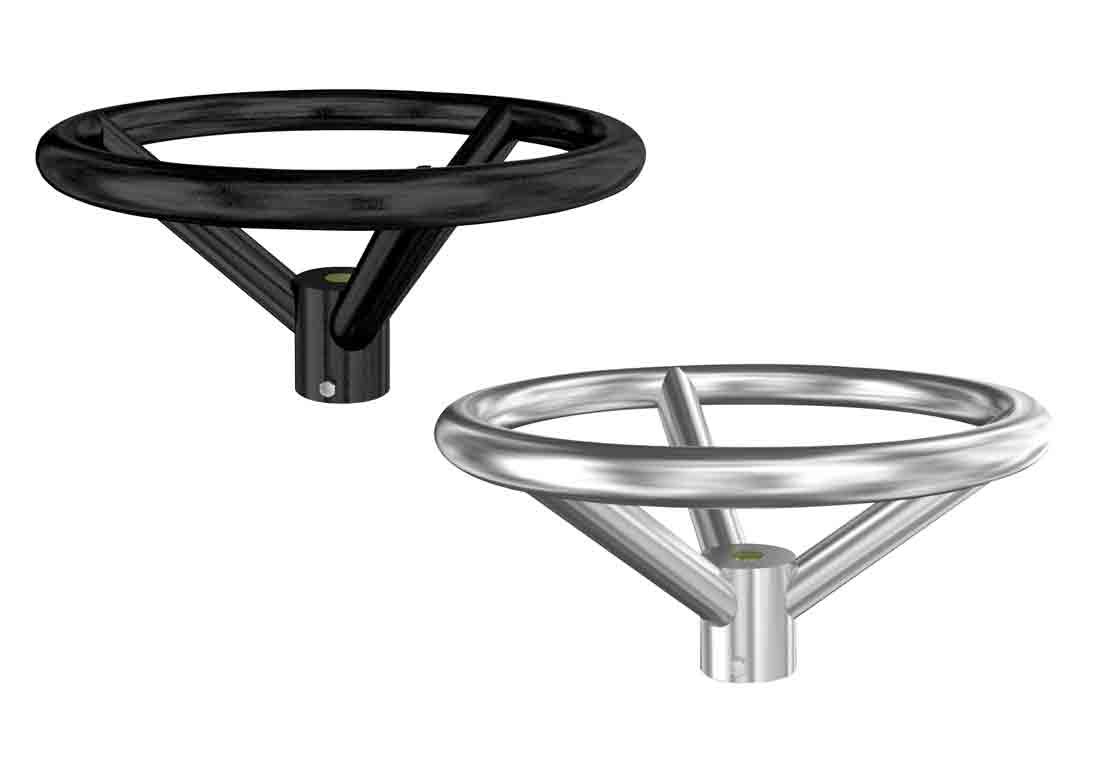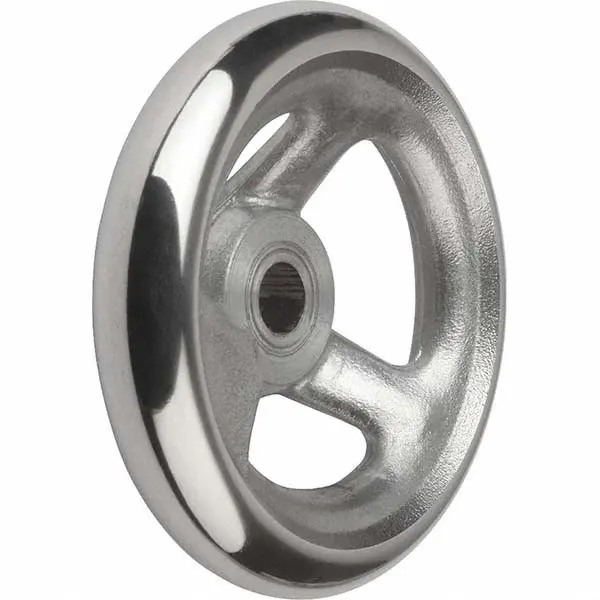
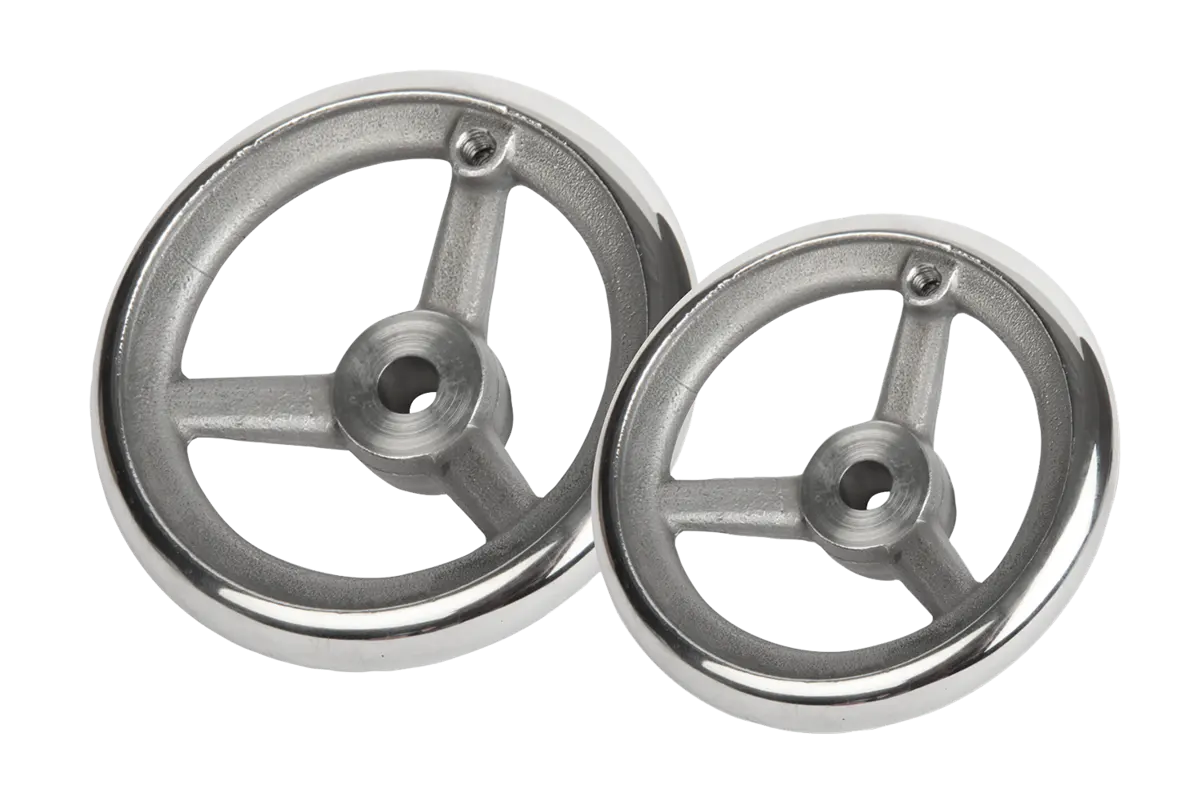
Industrial machinery depends on precise manual control components for safe and stable operation. The stainless steel handwheel vs aluminum comparison plays a major role in material selection. Engineers evaluate strength, corrosion resistance, and lifecycle cost before choosing a solution. Stainless steel offers high structural stability under demanding loads. Aluminum provides lightweight advantages for fast manual adjustments. Material selection influences machine efficiency and operator comfort. Heavy-duty environments often require stronger alloys for safety assurance. Lightweight systems prioritize speed and reduced operator fatigue. Procurement teams balance performance and cost efficiency when selecting components.
Material Composition and Mechanical Properties of Stainless Steel Handwheel vs Aluminum
Stainless steel handwheels are produced using chromium and nickel-based alloys. These elements enhance hardness and corrosion resistance significantly. Aluminum handwheels rely on magnesium and silicon alloys for machinability. Stainless steel handwheel vs aluminum differences become clear in stress testing results. Stainless steel delivers higher tensile strength under continuous torque conditions. Aluminum reduces structural weight but sacrifices some mechanical rigidity. Fatigue resistance remains higher in stainless steel structures. Aluminum may deform under repeated heavy load cycles. Engineers consider load capacity before material selection.
Corrosion Resistance and Environmental Performance
Stainless steel forms a passive oxide layer that protects against corrosion. This makes it suitable for chemical plants and marine environments. Aluminum develops a natural oxide layer but requires anodizing for stronger protection. Stainless steel handwheel vs aluminum comparison is critical in humid and corrosive conditions. Stainless steel maintains stability in saline exposure environments. Aluminum performs well in controlled indoor industrial systems. Chemical exposure can reduce aluminum lifespan without treatment. Protective coatings extend aluminum usability in moderate environments. Selection depends on environmental exposure intensity and maintenance strategy.
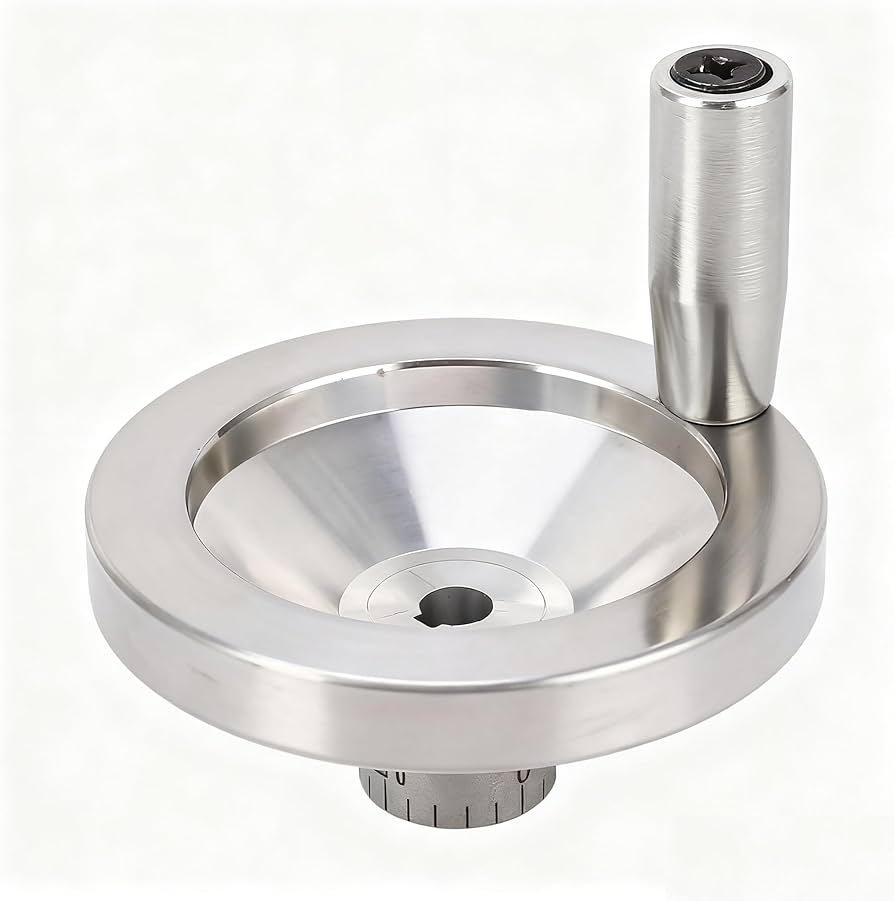
Material Composition and Mechanical Properties of Stainless Steel Handwheel vs Aluminum
Stainless steel handwheels are produced using chromium and nickel-based alloys. These elements enhance hardness and corrosion resistance significantly. Aluminum handwheels rely on magnesium and silicon alloys for machinability. Stainless steel handwheel vs aluminum differences become clear in stress testing results. Stainless steel delivers higher tensile strength under continuous torque conditions. Aluminum reduces structural weight but sacrifices some mechanical rigidity. Fatigue resistance remains higher in stainless steel structures. Aluminum may deform under repeated heavy load cycles. Engineers consider load capacity before material selection.
Corrosion Resistance and Environmental Performance
Stainless steel forms a passive oxide layer that protects against corrosion. This makes it suitable for chemical plants and marine environments. Aluminum develops a natural oxide layer but requires anodizing for stronger protection. Stainless steel handwheel vs aluminum comparison is critical in humid and corrosive conditions. Stainless steel maintains stability in saline exposure environments. Aluminum performs well in controlled indoor industrial systems. Chemical exposure can reduce aluminum lifespan without treatment. Protective coatings extend aluminum usability in moderate environments. Selection depends on environmental exposure intensity and maintenance strategy.
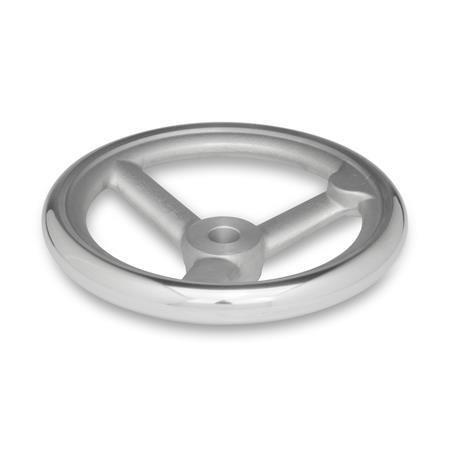
Weight and Ergonomic Efficiency in Industrial Operation
Weight difference strongly affects manual operation efficiency and machine responsiveness. Stainless steel components are heavier and provide stable rotational feedback. Aluminum components reduce operator fatigue during frequent adjustments. Stainless steel handwheel vs aluminum evaluation often includes ergonomic testing results. Lighter components improve repositioning speed in dynamic systems. Heavier wheels enhance precision control during fine adjustments. Transport and installation processes are easier with aluminum. Stainless steel is preferred when stability is more important than mobility.
Manufacturing Processes and Surface Treatment Techniques
Stainless steel handwheels are produced through CNC machining and precision casting. These processes ensure high dimensional accuracy and durability. Aluminum handwheels are typically manufactured using die-casting methods. Stainless steel handwheel vs aluminum production differs in tooling complexity and energy consumption.
Stainless steel requires more machining time and tool resistance. Aluminum allows faster production cycles and lower manufacturing costs. Surface polishing improves stainless steel finish quality. Anodizing enhances aluminum resistance and appearance durability.
Cost Structure and Lifecycle Value Analysis
Stainless steel materials generally have higher raw material costs. Aluminum provides a more affordable solution for large-scale production. Stainless steel handwheel vs aluminum evaluation includes long-term lifecycle cost. Stainless steel reduces replacement frequency in harsh environments. Aluminum lowers upfront investment for machinery systems. Maintenance requirements are lower for stainless steel components. Aluminum may require periodic inspection under heavy industrial use. Total ownership cost depends on operating conditions and maintenance capability.
| Property | Stainless Steel Handwheel | Aluminum Handwheel |
|---|---|---|
| Strength Level | Very High | Medium |
| Weight | Heavy | Light |
| Corrosion Resistance | Excellent | Good with anodizing |
| Cost Efficiency | Lower ROI short-term | Higher ROI short-term |
This comparison shows how material properties affect industrial performance. Stainless steel provides superior durability in demanding environments. Aluminum is more suitable for cost-sensitive applications. Engineers must evaluate operational priorities carefully.
Application Scenarios in Industrial Systems
Different industries require different mechanical performance standards. Stainless steel components are widely used in chemical processing systems. Aluminum parts are common in automation equipment. Stainless steel handwheel vs aluminum selection depends on environmental stress levels. Food-grade industries prefer stainless steel for hygiene compliance. Manufacturing systems use aluminum for rapid adjustments. Heavy machinery often requires stainless steel durability. aluminum solid handwheels are commonly used in compact control systems.
Key Advantages and Limitations of Each Material
Stainless steel provides superior durability and long service life. It resists deformation under high mechanical stress conditions. Aluminum reduces weight and improves operational flexibility. Stainless steel handwheel vs aluminum comparison highlights important trade-offs. Stainless steel disadvantages include higher cost and weight. Aluminum limitations involve lower load-bearing capacity. Engineers evaluate safety margins before final selection. System requirements determine final material choice.
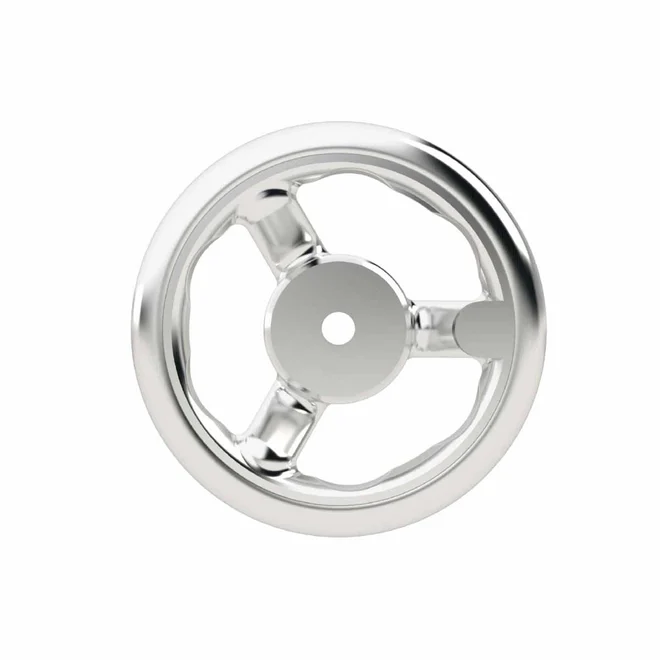
Selection Criteria for Industrial Buyers
Engineers assess torque requirements before selecting materials. Environmental exposure plays a major role in decision-making. Stainless steel performs better in corrosive conditions. Aluminum supports lightweight and responsive systems. Stainless steel handwheel vs aluminum decisions also depend on budget planning. Machine compatibility affects final procurement choices. Maintenance capability influences long-term selection. Safety standards ensure operational reliability in industrial systems.
Final Evaluation of Material Performance
Stainless steel delivers superior strength and long-term reliability. Aluminum provides flexibility and lightweight operational benefits. Industrial machine handwheels must balance performance and cost efficiency. Engineers choose stainless steel for heavy-duty systems. Aluminum is preferred for lightweight applications. Final decisions depend on operational environment and system requirements. Material selection directly impacts machine performance and lifecycle cost.
FAQ
Which material offers better durability in industrial environments?
Stainless steel provides better durability in most industrial environments due to its alloy composition. Chromium content forms a protective layer that resists corrosion effectively. This allows long-term stability in harsh conditions such as moisture and chemical exposure. Aluminum performs adequately in controlled environments but has lower resistance under aggressive conditions. Mechanical fatigue resistance is also higher in stainless steel systems. This makes it suitable for continuous high-load applications. Maintenance intervals are typically longer for stainless steel components. Industrial users prefer stainless steel when reliability and service life are critical factors in system design.
Is aluminum handwheel suitable for heavy-duty applications?
Aluminum handwheels can be used in limited heavy-duty applications depending on alloy strength. However, they generally perform better in moderate-load systems. Continuous high torque can cause deformation over time. Engineers often choose aluminum for systems requiring lightweight structure and fast operation. Protective coatings can improve durability in certain environments. aluminum solid handwheels are commonly used where weight reduction is prioritized. Stainless steel remains preferred for extreme load conditions. Proper design and maintenance extend aluminum service life. Selection depends on balancing load requirements with operational efficiency and cost constraints.
How to choose between stainless steel and aluminum handwheel?
Selection depends on load requirements, environment, and cost expectations. Stainless steel is ideal for corrosive and high-stress applications. Aluminum is better for lightweight systems requiring frequent manual adjustment. Engineers evaluate torque levels before deciding material type. Budget constraints also influence procurement decisions significantly. Lifecycle cost analysis helps determine long-term value. Stainless steel reduces replacement frequency in harsh environments. Aluminum improves operational speed in low-stress systems. Compatibility with machinery design is also important. Final selection should balance performance, durability, and operational efficiency.