Core Role of Manual Control Components in Machinery Systems
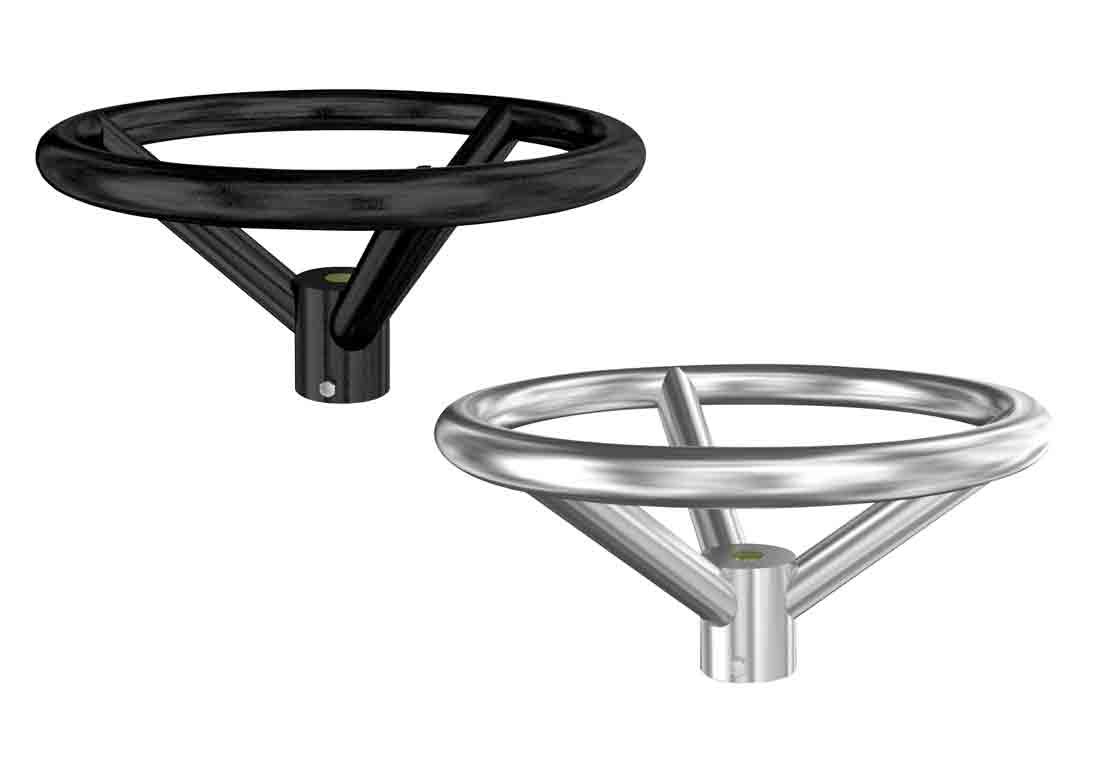
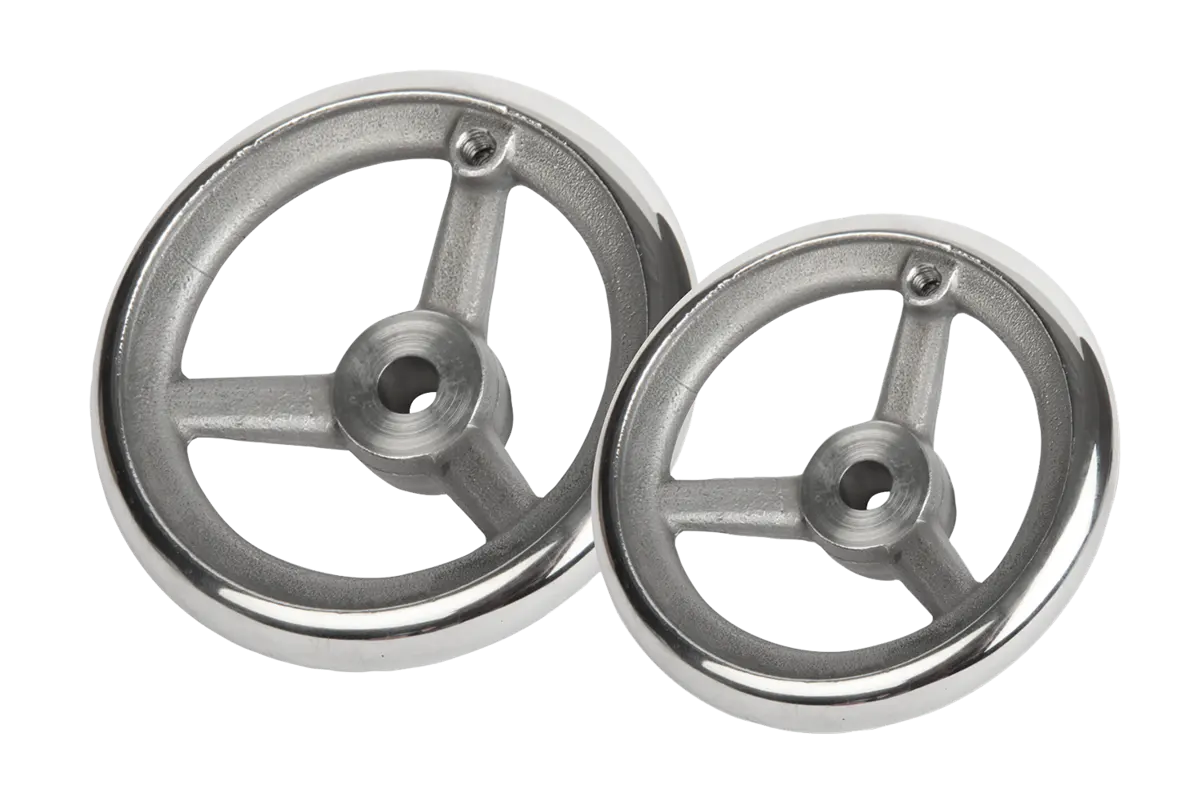
Industrial handwheels serve as essential manual control components in machinery systems. These devices allow operators to adjust position, pressure, or flow with precision. Most handwheels include a wheel body, hub, and an ergonomic handle for grip. Manufacturers often select materials such as cast iron, stainless steel, or reinforced plastics. Each option delivers different strength, durability, and resistance characteristics. Operators depend on these components when automation cannot guarantee safety or accuracy. Manual input provides immediate tactile feedback during adjustments. In many industrial environments, reliability outweighs speed or automation complexity. As a result, these components remain indispensable across modern mechanical systems.
Key Applications of Industrial Handwheels in Machinery Systems
Industrial handwheels are widely used in valves, milling machines, and processing equipment. Operators turn them to regulate flow, adjust machine positioning, or calibrate mechanical parts. In valve systems, they control fluid or gas movement precisely. Machine tools depend on them for accurate axis adjustments. Industries such as oil, gas, manufacturing, and water treatment rely on these devices daily. Engineers value their simplicity and reliability in harsh conditions. Unlike automated systems, they function without electrical input. That advantage ensures continuous operation during power failures. Their role in safety systems also remains significant. Operators can quickly intervene when automated controls fail or behave unpredictably.
Types of Industrial Handwheels and Their Functional Differences
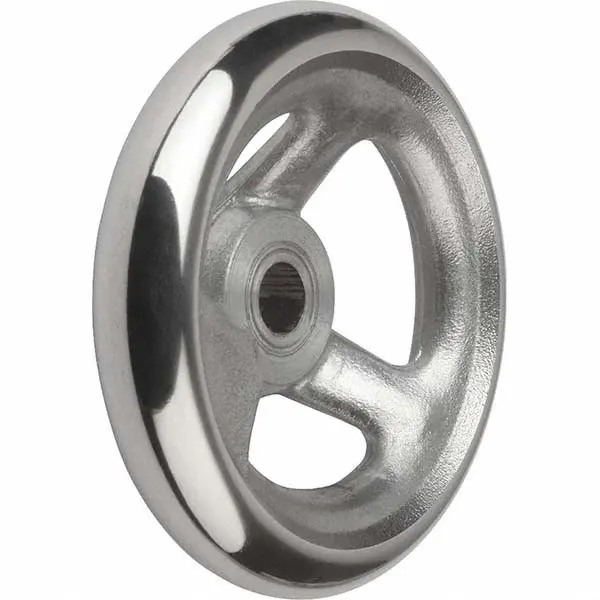
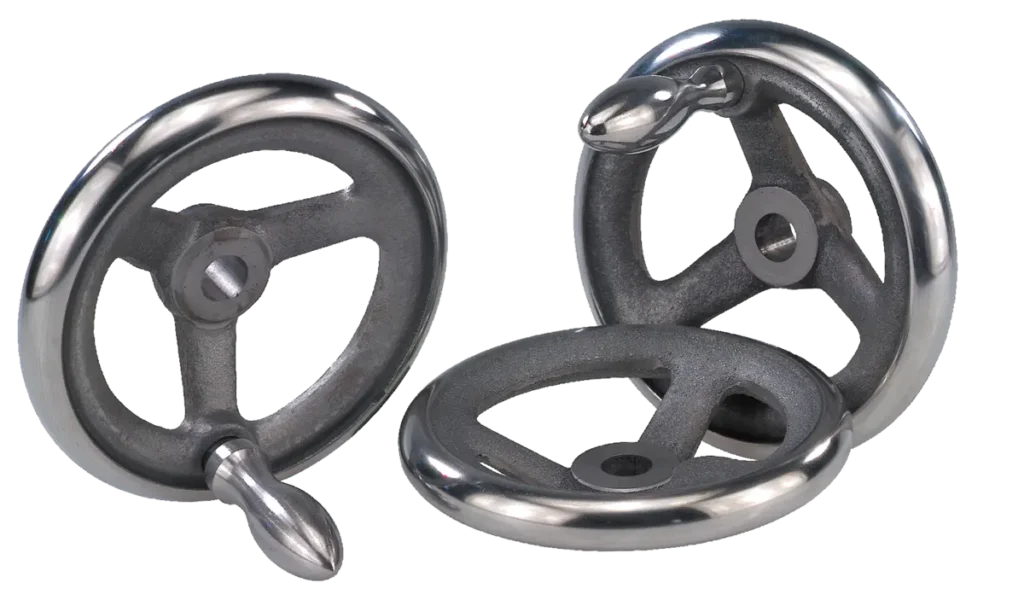
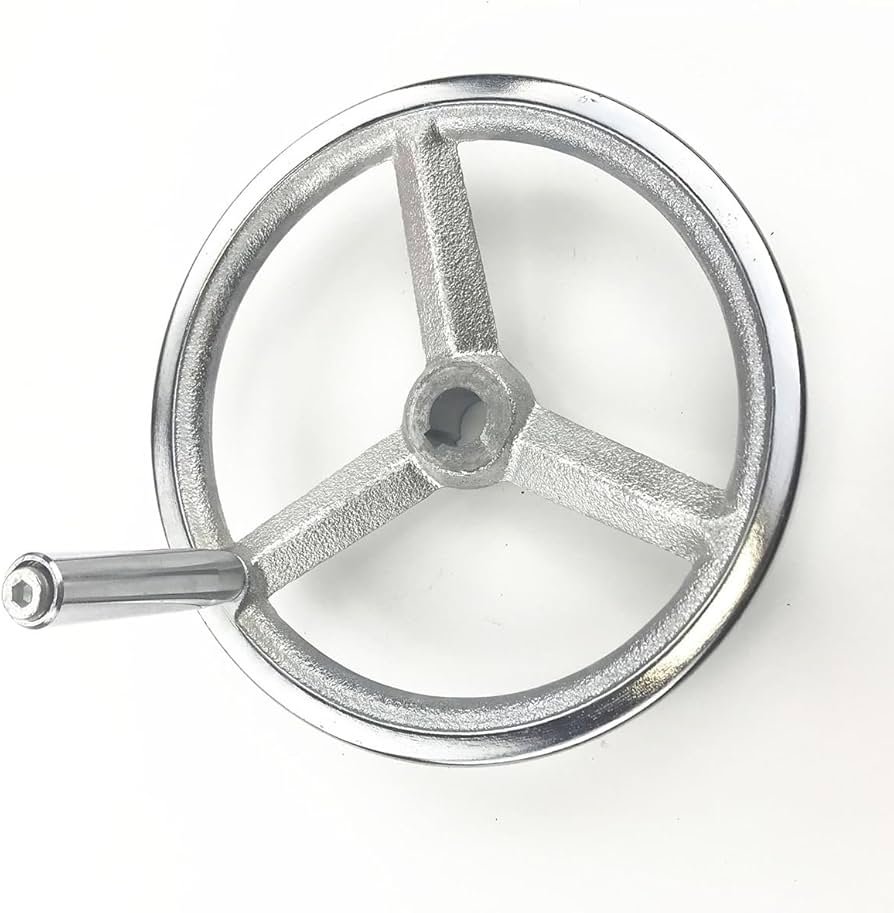
Different industrial handwheel designs serve specific operational needs. Solid handwheels provide high strength and stability under heavy loads. Spoked designs reduce weight while maintaining structural integrity. Folding handle types improve compactness in limited spaces. Material selection significantly impacts performance. Cast iron offers excellent rigidity and wear resistance. Stainless steel provides corrosion resistance in aggressive environments. Aluminum variants deliver lightweight handling with moderate strength.
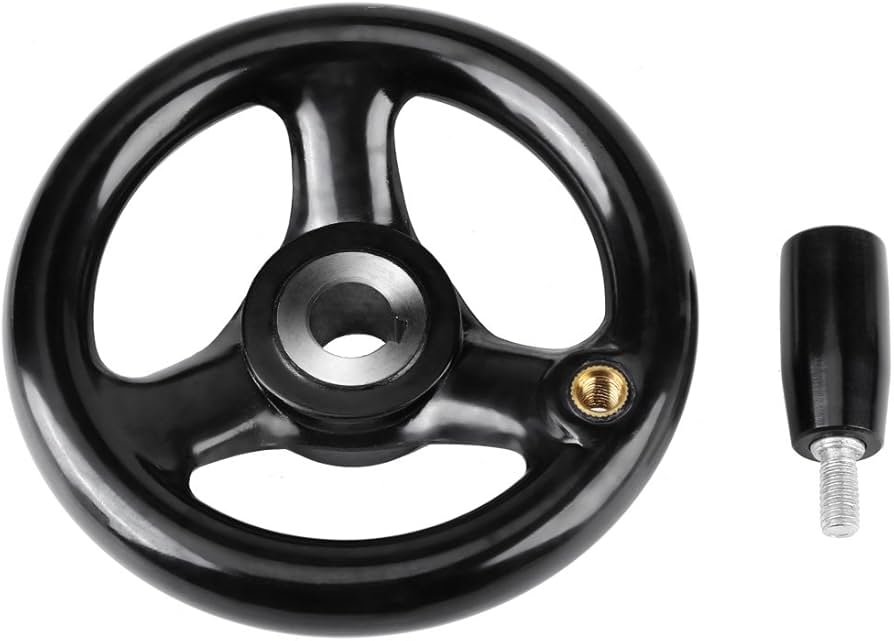
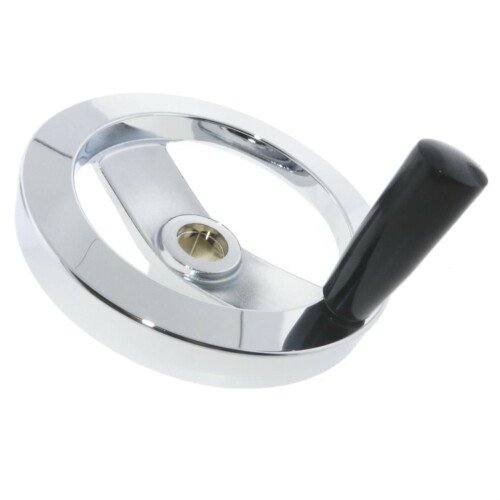
Engineers often select aluminum solid handwheels for applications requiring reduced operator fatigue. Design choices also affect ergonomics and torque transmission. Proper selection ensures efficient operation and minimizes mechanical strain during repeated use.
Engineering Standards and Manufacturing Specifications
Industrial handwheels must meet strict engineering standards to ensure compatibility and safety. Standards such as ISO, DIN, and ANSI define dimensions, tolerances, and mounting interfaces. These standards guarantee interchangeability across different systems. Manufacturers must maintain tight tolerance levels during machining processes. Surface treatments such as powder coating or anodizing enhance durability. Corrosion resistance becomes critical in chemical or outdoor environments. Precision machining ensures smooth rotation and consistent torque transfer. Quality control processes include load testing and dimensional inspection. Compliance with international standards improves reliability and simplifies global sourcing for industrial buyers.
Advantages of Using Industrial Handwheels in Control Systems
Industrial handwheels provide several advantages in control applications. First, they offer direct mechanical feedback during operation. Operators can feel resistance changes immediately. Second, they require minimal maintenance compared to motorized systems. Third, they perform reliably in extreme temperatures and dirty environments. Cost efficiency also makes them attractive for many industries. Installation remains simple without complex wiring or programming. Additionally, they reduce dependency on electronic systems. This feature enhances safety during unexpected failures. Their long service life further reduces replacement frequency. These benefits make them indispensable in both traditional and modern industrial setups.
Comparison of Industrial Handwheel Materials and Properties
| Material | Strength | Corrosion Resistance | Weight | Typical Applications |
|---|---|---|---|---|
| Cast Iron | High | Moderate | Heavy | Heavy machinery, valves |
| Stainless Steel | High | Excellent | Medium | Chemical, marine environments |
| Aluminum | Moderate | Good | Light | Light-duty machinery |
| Plastic | Low | Excellent | Very Light | Low-load applications |
Material Selection Insights for Industrial Applications
Material selection directly impacts performance and durability. Heavy-duty environments often require cast iron or stainless steel options. These materials resist deformation under high torque conditions. Lightweight systems benefit from aluminum due to easier handling. Corrosive environments demand stainless steel to prevent degradation. Engineers must also consider temperature fluctuations and chemical exposure. Improper material choice can lead to premature failure. Therefore, careful evaluation ensures long-term reliability. Selecting the right material improves operational efficiency and reduces maintenance costs significantly.
Key Factors to Consider When Selecting Industrial Handwheels
Choosing the correct handwheel involves evaluating several technical factors. Load capacity determines how much force the wheel can handle. Torque requirements influence size and material selection. Environmental conditions also play a crucial role. Exposure to chemicals or moisture requires corrosion-resistant materials. Mounting compatibility ensures proper installation on shafts or spindles. Ergonomic design improves operator comfort during repeated use. Engineers must also consider safety features such as anti-slip handles. Proper evaluation prevents operational issues and increases system efficiency. These factors help buyers select suitable industrial machine handwheels for specific applications.
Performance Comparison of Handwheel Types
| Type | Durability | Weight | Ergonomics | Best Use Case |
|---|---|---|---|---|
| Solid | Very High | Heavy | Moderate | High torque systems |
| Spoked | High | Medium | Good | General machinery |
| Folding Handle | Moderate | Light | Excellent | Compact equipment |
Interpreting Performance Data for Better Decisions
Performance data helps engineers select the most suitable design. Solid types handle high torque but increase operator effort. Spoked designs balance strength and usability effectively. Folding handle models improve flexibility in tight spaces. Each type offers advantages based on application needs. Engineers must match performance characteristics with operational requirements. Proper interpretation of data ensures optimal efficiency. This approach reduces downtime and improves productivity. Accurate selection also enhances safety during operation.
Best Practices for Maintenance and Longevity
Regular maintenance ensures long service life and consistent performance. Operators should inspect handwheels for wear and damage frequently. Cleaning removes debris that can affect rotation smoothness. Lubrication reduces friction and prevents mechanical wear. Protective coatings help resist corrosion in harsh environments. Replacement should occur when structural integrity becomes compromised. Preventive maintenance reduces unexpected failures significantly. Proper handling also minimizes damage during operation. These practices extend the lifespan of industrial components and improve overall system reliability.
Operational Benefits in Real Industrial Scenarios
Industrial handwheels deliver measurable benefits across various applications. Their simplicity ensures reliable performance in critical systems. Key advantages include:
- Precise manual control for sensitive adjustments
- Reliable operation without electrical dependency
- Low maintenance requirements and cost efficiency
- Strong durability in harsh industrial environments
- Immediate operator feedback during use
These advantages become more evident in demanding conditions. Industries benefit from consistent performance and reduced downtime. Operators maintain control even during system failures. This reliability supports safe and efficient operations.
Practical Interpretation of Operational Benefits
Operational benefits translate into real productivity improvements. Manual control ensures quick response in emergency situations. Reduced maintenance lowers operational costs over time. Durability minimizes replacement frequency and downtime. Operators gain better control over complex processes. These factors contribute to improved efficiency and safety. Businesses benefit from stable and predictable system performance. Therefore, industrial handwheels remain a valuable component in many sectors.
FAQ
What factors determine the lifespan of industrial handwheels?
Several factors influence the lifespan of industrial handwheels in real applications. Material selection plays a major role in durability. Cast iron and stainless steel usually last longer than plastic options. Operating conditions also affect longevity significantly. Exposure to moisture, chemicals, or extreme temperatures accelerates wear. Maintenance practices such as cleaning and lubrication extend service life. Load and torque levels also impact structural integrity over time. Frequent overloading can cause deformation or cracking. Proper installation ensures even stress distribution during operation. Regular inspection helps detect early signs of damage. Combining correct material choice with proper maintenance ensures maximum lifespan in demanding environments.
How do industrial handwheels compare to automated control systems?
Industrial handwheels differ significantly from automated control systems in functionality. Manual systems provide direct feedback during operation. Operators can immediately sense resistance or changes. Automated systems rely on sensors and programming for control. While automation increases efficiency, it introduces complexity. Electrical failures can disrupt automated systems unexpectedly. Handwheels continue functioning without power dependency. Maintenance requirements for manual systems remain lower. Automated systems require regular calibration and software updates. Cost differences also influence selection decisions. Manual solutions often cost less initially and over time. Many industries use both systems together to balance efficiency and reliability in complex operations.
What materials are best for corrosive industrial environments?
Corrosive environments require materials that resist chemical degradation effectively. Stainless steel is one of the most suitable options for such conditions. It offers excellent resistance to rust and chemical exposure. Aluminum provides moderate resistance and works in less aggressive environments. Plastic materials also resist corrosion but lack mechanical strength. Surface treatments such as coatings improve durability further. Engineers often select materials based on specific chemical exposure levels. Temperature conditions also influence material performance in these environments. Proper material selection prevents premature failure and reduces maintenance costs. Combining corrosion resistance with structural strength ensures reliable operation in challenging industrial settings.