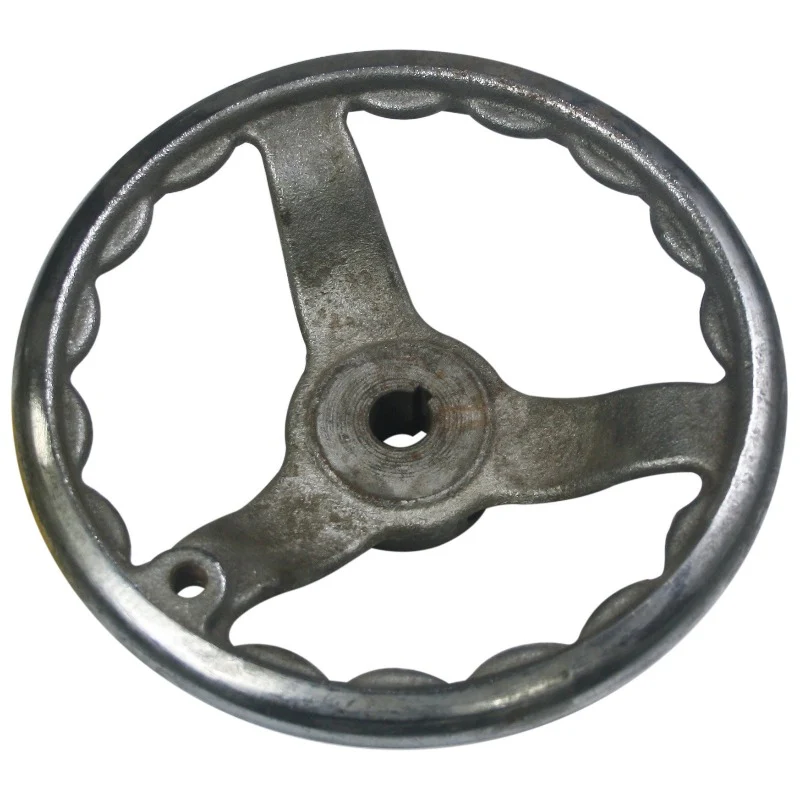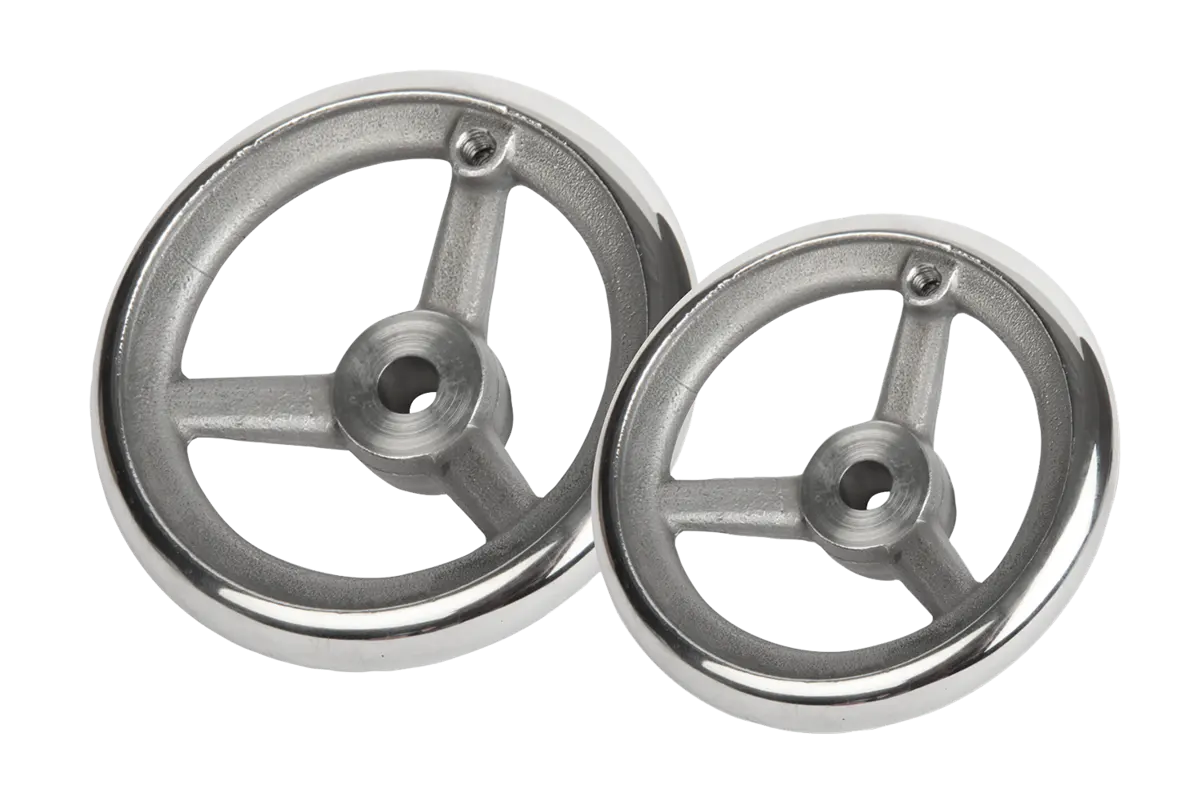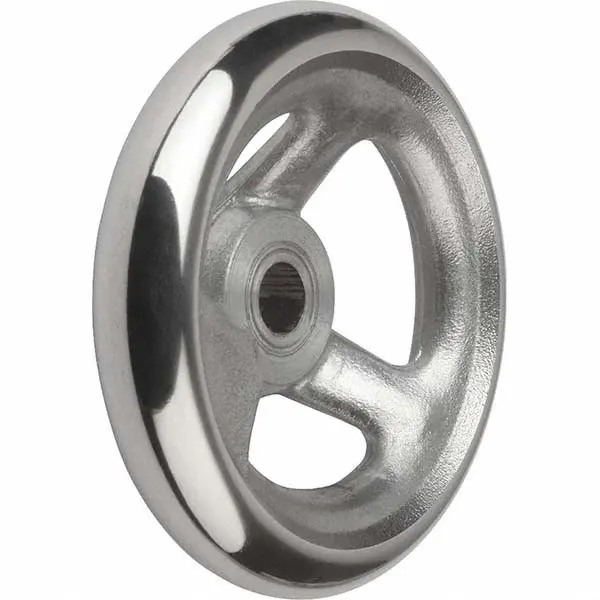
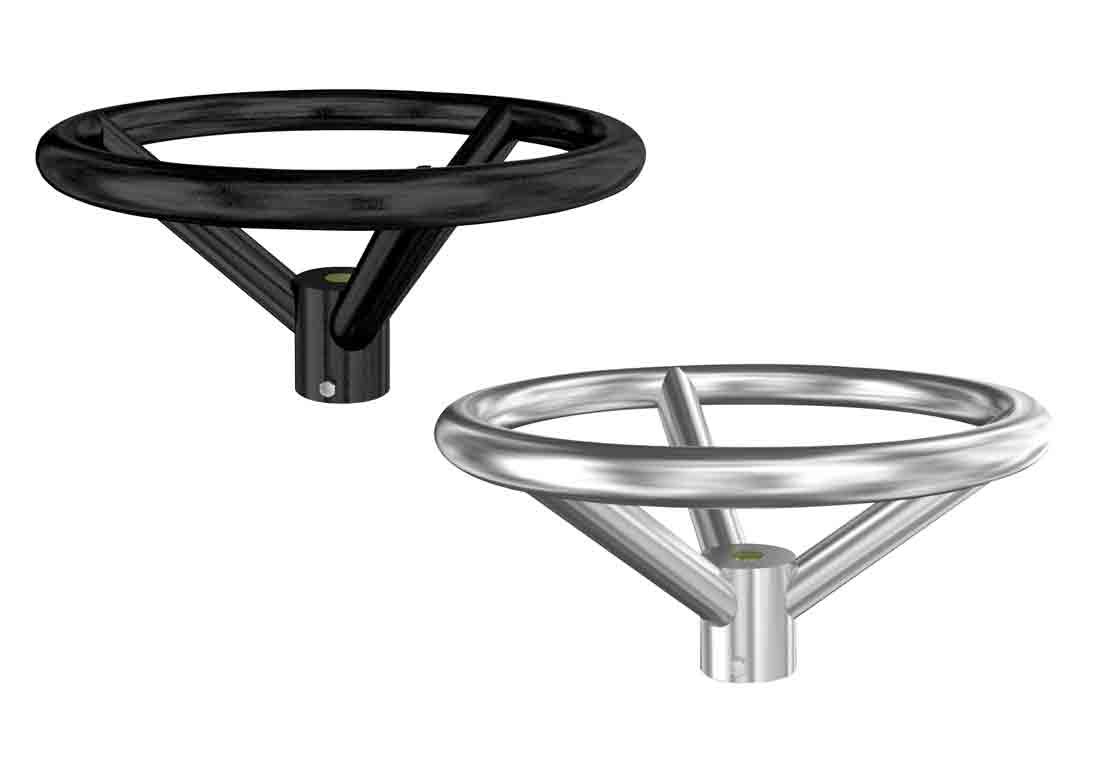
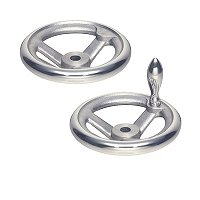
Handwheels are essential components in many industrial applications. They provide manual control for valves, machinery, and other equipment. The interface between the handwheel and its shaft is crucial. This connection point is known as the bore. Different handwheel bore types ensure proper fit and power transmission. Selecting the correct bore is vital for operational efficiency. It prevents slippage and ensures precise control. Recognizing these variations is key for engineers. It helps in maintaining system integrity. This text explores the common bore designs. It highlights their unique characteristics. We will also discuss their specific applications. This knowledge aids in optimal component selection. It supports robust mechanical designs.
Key Considerations for Handwheel Bore Types
Plain Bore Handwheels: Simplicity and Adaptability
Threaded Bore Handwheels: Secure and Direct Mounting
Keyway Bore Handwheels: Preventing Rotational Slip
Square and Hexagonal Bore Handwheels: Specialized Fit
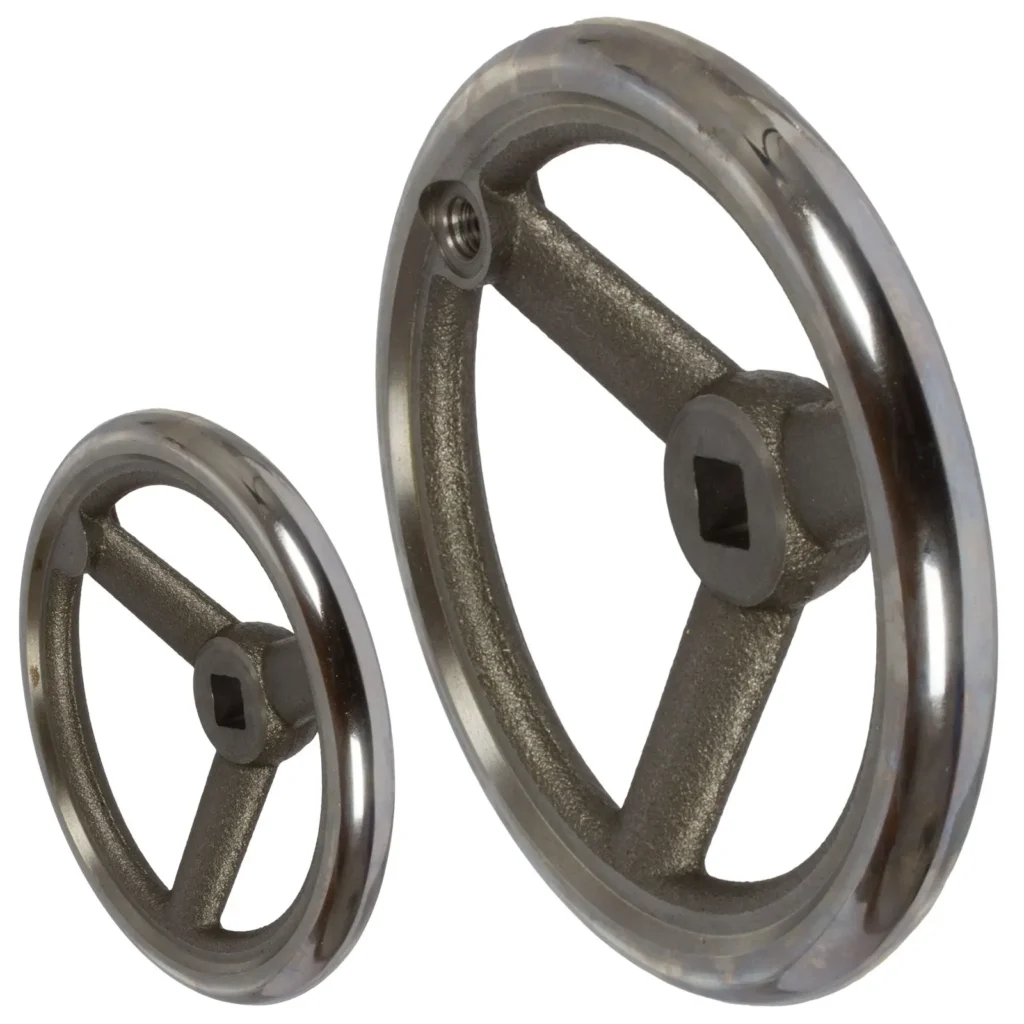
D-Bore Handwheels: Precision and Alignment
Flatted Bore Handwheels: Enhanced Grip and Stability
Comparative Analysis of Handwheel Bore Types
| Bore Type | Description | Key Advantage | Typical Application |
|---|---|---|---|
| Plain Bore | Simple circular hole, often secured with set screws. | High adaptability and cost-effectiveness. | General purpose, low torque needs. |
| Threaded Bore | Internal threads match external shaft threads. | Secure, direct, and precise engagement. | Frequent adjustments, vibration resistance. |
| Keyway Bore | Slot for a key, preventing rotational slip. | Positive torque transfer, high load capacity. | Heavy-duty machinery, critical power transmission. |
| Square/Hexagonal Bore | Multi-sided profile matching shaft. | Robust, self-aligning, positive drive. | Valve operations, agricultural equipment. |
| D-Bore | Circular bore with one flat side. | Precision alignment, prevents rotation. | Instrumentation, control systems. |
| Flatted Bore | Circular bore with one or more flats for set screws. | Enhanced grip, improved stability. | Good torque transfer, occasional adjustments. |
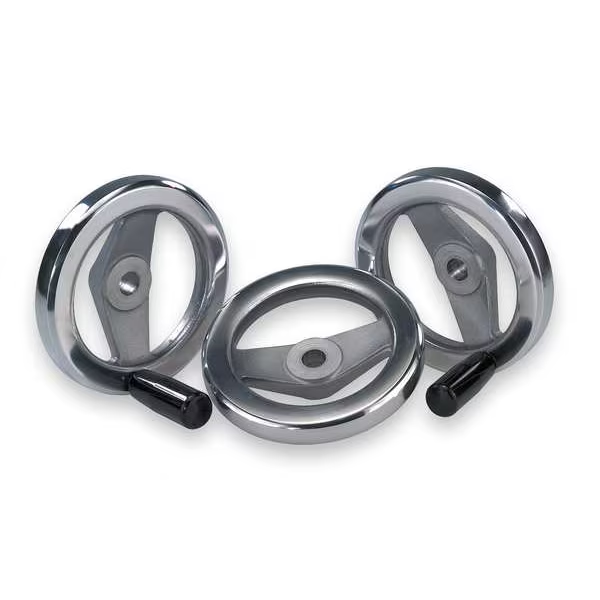
This table illustrates the distinct characteristics of various handwheel bore types. Each type offers specific benefits tailored to different operational demands. Plain bores provide versatility, while threaded bores ensure a tight, secure fit. Keyway bores are essential for preventing slippage in high-torque environments. Specialized designs like square, hexagonal, and D-bores cater to unique shaft profiles. Flatted bores offer a balance of simplicity and enhanced grip. Grasping these differences is crucial for selecting the most appropriate handwheel. It ensures optimal performance and longevity in diverse industrial settings. The choice directly impacts the efficiency and safety of mechanical systems. This comparative overview guides informed decision-making.
Material and Installation Considerations for Handwheel Bores
| Bore Type | Common Materials | Installation Complexity | Maintenance Needs |
|---|---|---|---|
| Plain Bore | Plastic, Steel, Aluminum | Low (set screw/pin) | Moderate (check set screw tightness) |
| Threaded Bore | Steel, Stainless Steel | Medium (thread alignment) | Low (self-locking threads) |
| Keyway Bore | Cast Iron, Steel | Medium (key and keyseat alignment) | Moderate (check key wear) |
| Square/Hexagonal Bore | Steel, Cast Iron | Low (slide on) | Low (geometric fit) |
| D-Bore | Plastic, Aluminum | Low (slide on, align flat) | Low (positive fit) |
| Flatted Bore | Plastic, Steel | Low (align flat, tighten set screw) | Moderate (check set screw tightness) |
Selecting the Optimal Handwheel Bore Type
- Shaft Profile: Match the bore to the shaft's shape (round, square, D-shaped).
- Torque Requirements: High torque demands a positive drive mechanism like a keyway.
- Precision Needs: Applications requiring exact positioning benefit from D-bores.
- Mounting Frequency: Consider ease of installation and removal for maintenance.
- Environmental Conditions: Evaluate exposure to vibration, temperature, and corrosives.
- Cost-Effectiveness: Balance performance needs with budget constraints.