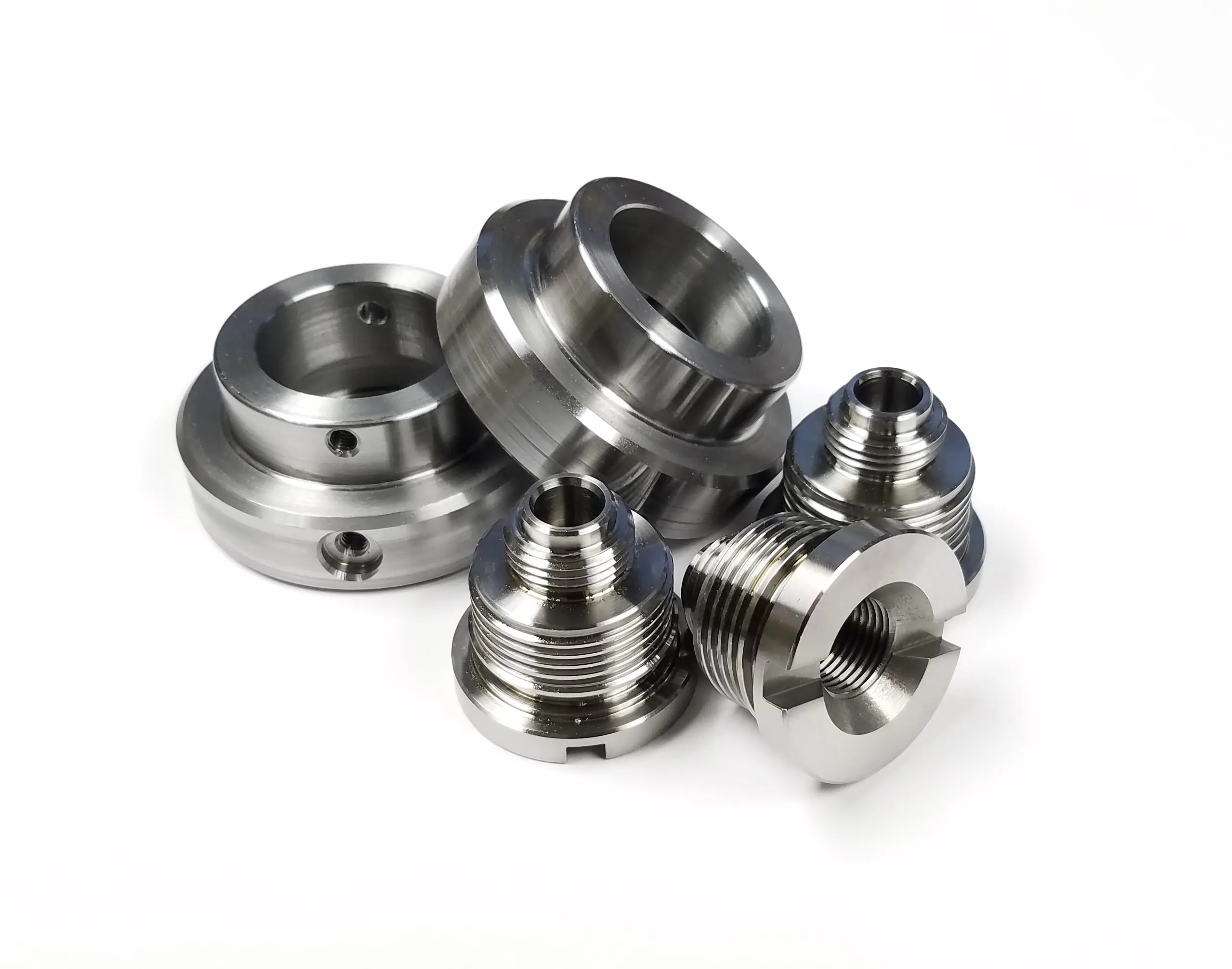
Cnc machining oil and gas parts supports critical operations across drilling, transport, and refining systems. Manufacturers rely on high precision to ensure operational safety. Every component must perform under pressure, heat, and corrosive exposure. Engineers design parts with strict tolerances to prevent leaks or failures. Reliable machining processes ensure consistent quality across batches. Oil and gas applications demand strong materials and exact dimensions. Production errors can cause severe downtime and financial loss. Modern CNC systems deliver repeatable accuracy for complex geometries. Industry leaders prioritize machining expertise to meet strict performance standards. These capabilities make CNC machining essential in energy infrastructure.
Precision Requirements in cnc machining oil and gas parts Production
Precision defines the performance of cnc machining oil and gas parts in demanding environments. Components often require tolerances within microns for proper assembly. Tight dimensional control ensures effective sealing under extreme pressure. Surface finish plays a key role in reducing friction and wear. Poor finishes increase failure risks during operation. Engineers specify geometric tolerances based on application conditions. Machining centers must maintain stability during long production cycles. High-speed cutting tools improve consistency and accuracy. Quality inspection systems verify every dimension before delivery. Accurate parts contribute to system safety and long-term efficiency.
Material Selection for Harsh Oil and Gas Environments
Material choice determines durability and reliability in energy sector applications. Stainless steel offers corrosion resistance for offshore conditions. Inconel alloys perform well under high temperatures and pressure loads. Titanium provides strength while reducing overall component weight. Each material must meet industry certification requirements. Mechanical properties influence machinability and tool wear rates. Engineers balance cost with performance when selecting materials. Proper heat treatment enhances strength and fatigue resistance. Suppliers must ensure traceability for all raw materials. Careful selection reduces maintenance needs and extends component lifespan.
Key Components Produced Through CNC Machining in Oil and Gas
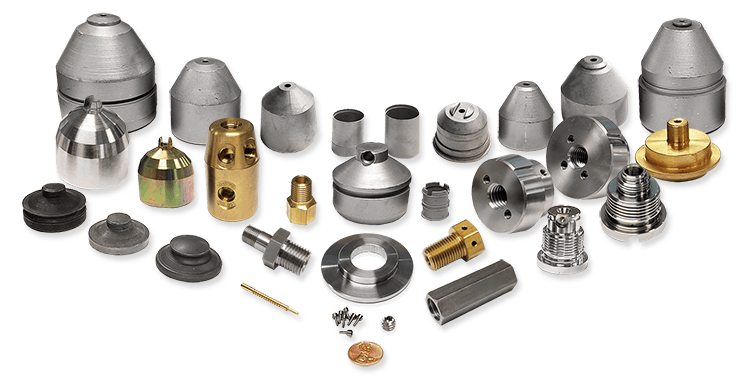
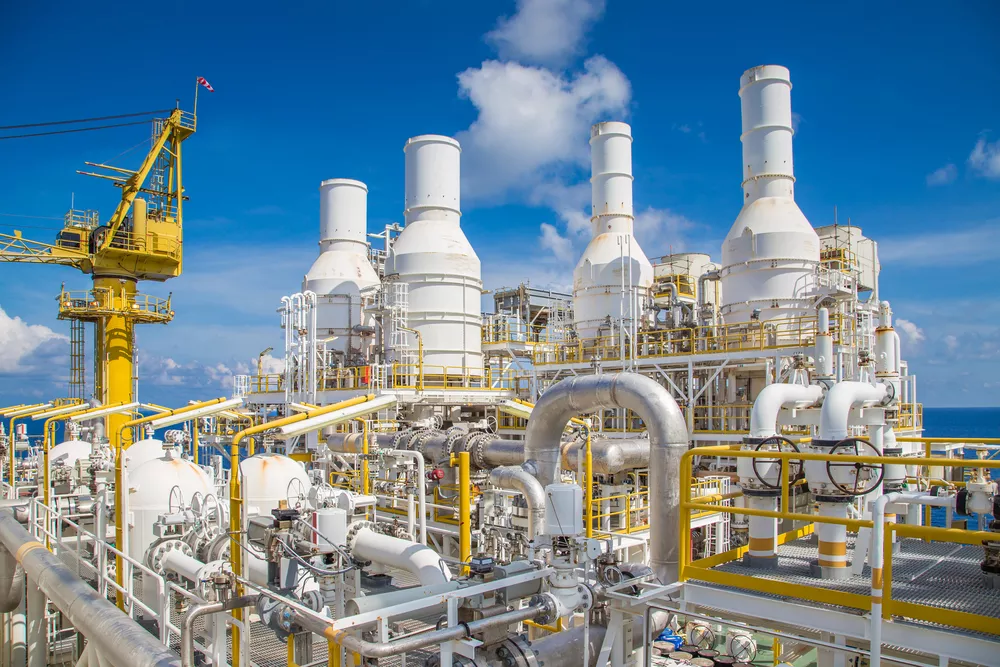
CNC machining produces critical components used throughout oil and gas systems. Valves control flow in pipelines and processing facilities. Pumps require precise internal geometries for efficient fluid movement. Connectors and flanges ensure leak-free system integration. Downhole tools operate under extreme pressure and temperature conditions. Drilling equipment demands high strength and durability. Many designs include complex internal channels and threads. Machining accuracy ensures compatibility between mating parts. Production flexibility allows customization for specific field conditions. These components form the backbone of modern energy operations.
Manufacturing Processes Used in CNC Oil and Gas Components
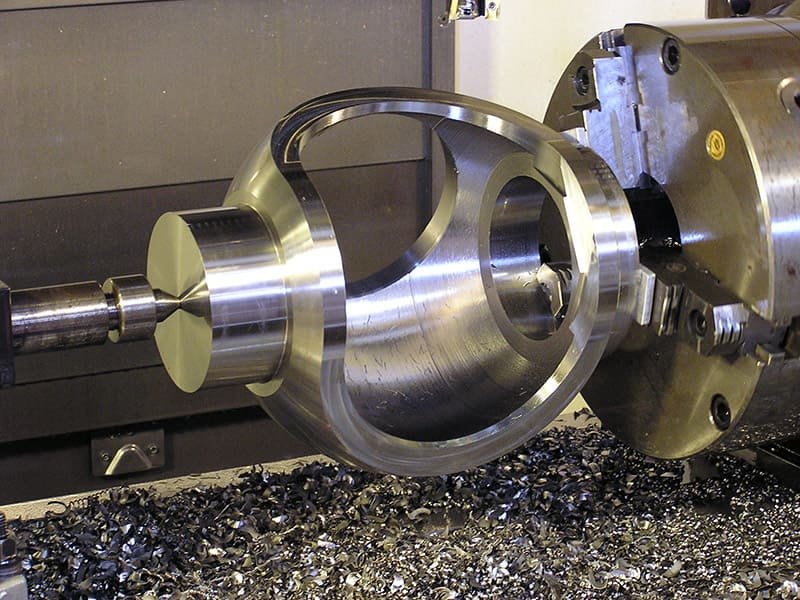
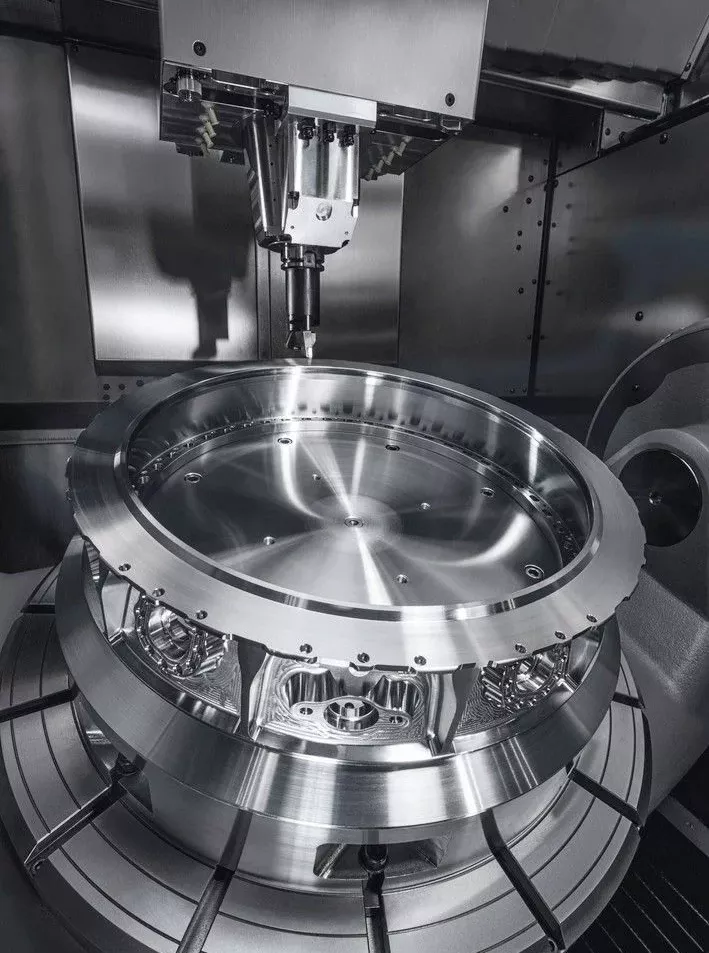
Advanced machining processes support the production of high-performance components. Milling removes material to create complex shapes and contours. Turning operations produce cylindrical parts with tight tolerances. Drilling ensures accurate hole placement for assembly features. Multi-axis machining enables intricate geometries in fewer setups. Toolpath optimization improves efficiency and surface quality. Skilled operators adjust parameters based on material characteristics.
Integration of automation increases productivity and consistency. Inspection tools validate dimensions throughout production cycles. These processes deliver precision machined components for critical applications.
Industry Standards and Certifications for Oil and Gas Machined Parts
Compliance with industry standards ensures reliability and safety in oil and gas operations. API 6A governs wellhead and pressure control equipment specifications. API 5CT defines casing and tubing requirements for drilling systems. ISO 9001 ensures consistent quality management practices. ISO 14001 addresses environmental responsibility in manufacturing. Certifications confirm adherence to strict production protocols. Traceability systems track materials from source to final product. Audits verify compliance with regulatory requirements. Manufacturers must maintain documentation for every batch produced. These standards build trust between suppliers and energy companies.
Surface Treatment and Finishing Techniques for Durability
Surface treatments enhance performance in extreme operating environments. Coatings protect components from corrosion and chemical exposure. Heat treatment improves hardness and structural strength. Anodizing provides additional resistance for certain alloys. Polishing reduces friction and improves sealing efficiency. Surface integrity directly affects component lifespan. Engineers select treatments based on application demands. Proper finishing minimizes wear during operation. Advanced techniques extend maintenance intervals significantly. These enhancements ensure reliable performance under harsh conditions.
Cost Factors in cnc machining oil and gas parts Manufacturing
Cost structures depend on multiple factors in cnc machining oil and gas parts production. Material selection significantly influences overall expenses. Complex geometries require longer machining times and specialized tools. Low production volumes increase per-unit costs. High precision requirements demand advanced equipment and skilled labor. Quality inspection adds additional operational costs. Supply chain factors affect pricing stability. Efficient process planning reduces waste and improves margins. Automation can lower long-term production costs. Companies balance cost with performance to meet project requirements.
Advantages of CNC Machining for Oil and Gas Industry
CNC machining offers several advantages for energy sector manufacturing. High repeatability ensures consistent quality across large production runs. Automation reduces human error and increases efficiency. Complex designs can be produced with high accuracy. Flexibility allows rapid adaptation to design changes. Reduced setup times improve overall productivity. Advanced software enables precise control over machining parameters. Strong process control enhances reliability in critical components. Manufacturers benefit from scalable production capabilities. These advantages make CNC machining a preferred solution.
Challenges in Producing Oil and Gas Machined Components
Producing oil and gas components presents unique technical challenges. Extreme operating conditions demand superior material performance. Tight tolerances require advanced machining capabilities. Tool wear increases when working with hard alloys. Maintaining consistency across batches can be difficult. Certification requirements add complexity to production processes. Supply chain disruptions affect material availability. Skilled labor shortages impact production efficiency. Continuous improvement is necessary to meet evolving standards. Overcoming these challenges ensures long-term industry success.
CNC Machining vs Traditional Manufacturing Methods
| Criteria | CNC Machining | Traditional Methods |
|---|---|---|
| Accuracy | High precision with tight tolerances | Lower dimensional consistency |
| Efficiency | Automated and repeatable | Manual and time-consuming |
| Complexity | Handles complex geometries | Limited design capability |
| Scalability | Scalable for mass production | Difficult to scale efficiently |
Material Performance Comparison in Oil and Gas Applications
| Material | Strength | Corrosion Resistance | Temperature Resistance |
|---|---|---|---|
| Stainless Steel | High | Excellent | Moderate |
| Inconel | Very High | Excellent | Excellent |
| Titanium | High | Excellent | High |
Key Considerations When Choosing a CNC Supplier
- Technical expertise in oil and gas applications
- Certification compliance and documentation
- Material sourcing and traceability
- Production capacity and scalability
- Lead time and delivery reliability
Supplier Selection Impact on Component Performance
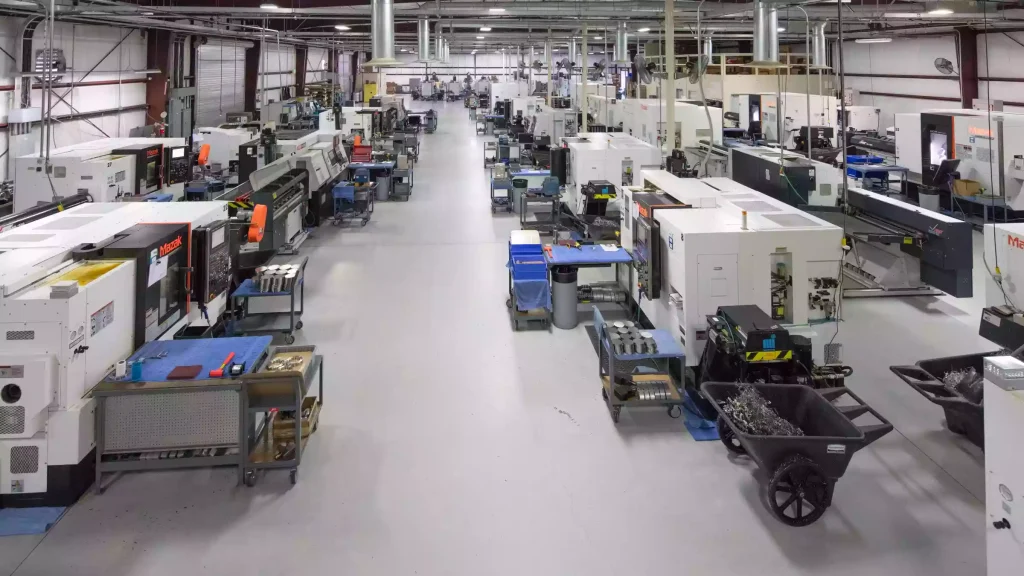
Choosing the right supplier directly affects product quality and reliability. Experienced manufacturers possess deep knowledge of oil and gas requirements. Strong technical capabilities ensure accurate machining results. Certified suppliers follow strict quality control procedures. Reliable partners maintain consistent production standards. Material traceability supports regulatory compliance. Efficient communication improves project coordination. Scalable production supports long-term business growth. High-quality suppliers deliver precision milled components that meet demanding specifications. Careful selection reduces operational risks and enhances system performance.
Conclusion: Strategic Value of CNC Machining in Oil and Gas Sector
CNC machining plays a critical role in modern energy infrastructure. Precision manufacturing ensures safe and efficient operations. Advanced technologies enable production of complex components. Reliable parts reduce downtime and maintenance costs. Strong quality control supports long-term performance. Industry standards ensure consistency and safety. Continuous innovation drives improvements in machining processes. Energy companies depend on high-quality components for success. CNC machining remains essential for future industry development.
FAQ
What materials are best for oil and gas CNC machining?
Material selection depends on operating conditions and performance requirements. Stainless steel is widely used due to corrosion resistance and strength. Inconel alloys handle extreme temperatures and pressure environments effectively. Titanium offers high strength with reduced weight, making it suitable for specialized applications. Engineers evaluate mechanical properties, chemical exposure, and thermal stability before selecting materials. Certification requirements also influence material choices in regulated industries. Proper material selection ensures durability, safety, and long-term performance. Manufacturers must balance cost with reliability when sourcing materials for oil and gas components.
How do certifications affect CNC machining quality in oil and gas?
Certifications ensure that manufacturing processes meet strict industry requirements. Standards like API and ISO define quality control procedures and documentation practices. Certified manufacturers follow consistent production methods to reduce variability.
Traceability systems track materials and processes throughout production cycles. Audits verify compliance with established guidelines and regulations. These practices improve reliability and reduce risks in critical applications. Certification also builds trust between suppliers and energy companies. Companies that maintain certifications demonstrate commitment to quality, safety, and operational excellence in oil and gas manufacturing.
Why are tight tolerances critical in oil and gas components?
Tight tolerances ensure proper fit and function in high-pressure environments. Small dimensional errors can lead to leaks or mechanical failures. Precision machining improves sealing performance in valves and connectors. Accurate components reduce wear and extend equipment lifespan. Engineers specify tolerances based on pressure, temperature, and load conditions. Maintaining tight tolerances requires advanced equipment and skilled operators. Inspection tools verify measurements throughout production. Consistent accuracy ensures compatibility between parts from different batches. High precision supports safety, efficiency, and reliability in oil and gas systems.