
The en 10204 3.1 material certificate CNC defines strict material verification requirements in machining supply chains. It ensures that materials meet specified standards before production begins. Manufacturers issue this certificate based on actual test results from inspected samples. Independent inspection representatives validate these results to ensure accuracy and credibility. Many B2B buyers rely on this certificate to reduce sourcing risks. It plays a critical role in industries requiring traceability and compliance. CNC machining projects often demand precise documentation for each material batch. Without proper certification, quality disputes may arise during delivery or inspection. Therefore, companies prioritize certified materials to maintain consistency and reliability across production cycles.
Core Components Of EN 10204 3.1 Material Certification
The EN 10204 3.1 certificate includes several critical data elements for validation. Chemical composition analysis confirms the exact alloy structure of materials used. Mechanical testing evaluates tensile strength, yield strength, and elongation properties. Inspection reports include hardness values measured through standardized methods. Each certificate must display traceability information such as heat numbers and batch identifiers. Authorized inspection personnel sign the document to confirm its validity. This process ensures accountability across the supply chain. Documentation also records testing standards applied during verification procedures. Buyers depend on these details to assess material suitability. Accurate certification reduces uncertainty in CNC machining operations and supports long-term supplier relationships.
Differences Between EN 10204 Certificate Types And Their Impact
Different EN 10204 certificate types represent varying levels of inspection and verification. Type 2.1 confirms basic compliance but does not include test results, while Type 2.2 provides non-specific inspection data from general testing. In contrast, Type 3.1 offers detailed results that are directly linked to specific material batches.
For higher assurance, Type 3.2 requires both independent validation and purchaser verification, making it suitable for critical applications. Each certification level addresses different industrial needs based on risk and regulatory requirements. In CNC machining projects, 3.1 certification is commonly preferred to ensure precision and traceability.
Lower-level certificates may fall short of strict compliance standards, especially in high-risk environments. Therefore, selecting the appropriate certificate type has a direct impact on quality assurance outcomes. Buyers should carefully align certification requirements with project specifications to ensure reliability and compliance.
How EN 10204 3.1 Material Certificate CNC Ensures Traceability
Traceability remains a fundamental requirement in CNC manufacturing environments. The en 10204 3.1 material certificate CNC enables tracking of materials from origin to final product. Heat numbers link raw materials to specific production batches. Documentation flows through procurement, machining, and inspection stages. Each step records material usage and transformation details. This system prevents material substitution and quality inconsistencies. Traceability also supports recall procedures if defects occur. Regulatory bodies often require full documentation for critical components. Reliable traceability enhances transparency and operational control. Manufacturers use digital systems to maintain accurate records across global supply chains.
Material Testing Standards Behind EN 10204 3.1 Certification
Material testing under EN 10204 follows internationally recognized standards and procedures. Tensile testing determines strength characteristics under controlled conditions. Impact testing evaluates resistance to sudden forces and temperature changes. Hardness testing measures surface resistance using calibrated instruments. Laboratories perform these tests using certified equipment and trained personnel. Calibration ensures measurement accuracy and repeatability. Testing results must align with material specifications defined in standards. Independent verification strengthens confidence in reported data. CNC manufacturers depend on these results to guarantee performance. Consistent testing practices support product reliability across different applications.
Applications Of EN 10204 3.1 Certification In CNC Industries
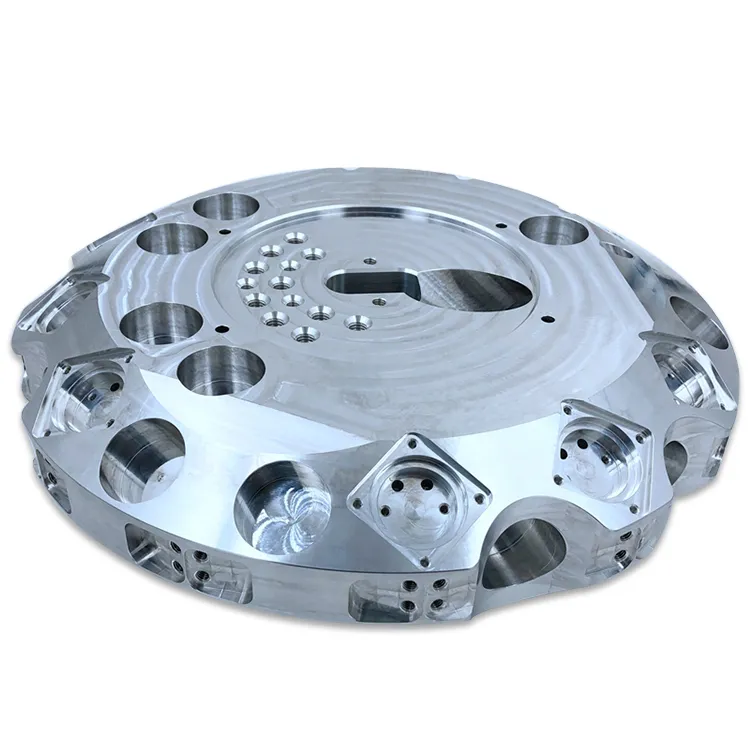
EN 10204 3.1 certification applies across multiple high-precision industries. Aerospace manufacturers require strict material validation for safety-critical parts. Automotive companies use certified materials for durability and compliance. Medical device production depends on traceable and biocompatible materials. Oil and gas sectors demand certification for pressure-resistant components. These industries rely on precision cnc machined parts for complex assemblies. Certification ensures materials meet demanding operational conditions. Without proper validation, product failures could lead to significant risks. Therefore, certification remains essential for maintaining quality and regulatory compliance. CNC suppliers must meet these expectations to compete globally.
Key Benefits Of EN 10204 3.1 Material Certificate CNC For Buyers
Buyers gain significant advantages from using certified materials in procurement processes. The en 10204 3.1 material certificate CNC improves confidence in supplier capabilities. Verified materials reduce rejection rates during incoming inspections. Compliance with international standards supports global market access. Certification minimizes disputes related to material performance. Buyers can trace material origins and verify testing accuracy. This transparency enhances supplier accountability and trust. Certified materials also support consistent production outcomes. Procurement teams benefit from reduced risk and improved efficiency. Long-term partnerships often depend on reliable certification practices.
| Certificate Type | Inspection Level | Issued By | Typical Use Case |
|---|---|---|---|
| 2.1 | Basic | Manufacturer | Non-critical parts |
| 2.2 | Moderate | Manufacturer | General industrial use |
| 3.1 | Strict | Independent inspector | CNC precision parts |
| 3.2 | Highest | Third-party and buyer | Critical safety components |
Certification Level Selection Strategy For CNC Projects
Selecting the correct certification level requires careful evaluation of project requirements. Higher inspection levels increase confidence but also raise costs. Buyers must balance risk tolerance with budget constraints. Critical applications demand stricter verification and documentation. Less complex projects may accept lower certification levels. Procurement teams should define requirements clearly in specifications. Supplier capabilities must align with certification expectations. Misalignment often leads to delays and rework. Strategic decision-making improves efficiency and cost control. Proper selection ensures optimal outcomes in CNC manufacturing projects.
| Test Type | Purpose | Standard Example | Result Indicator |
|---|---|---|---|
| Tensile Test | Measure strength | EN ISO 6892 | Yield and ultimate strength |
| Hardness Test | Surface resistance | EN ISO 6508 | Rockwell or Brinell value |
| Impact Test | Toughness evaluation | EN ISO 148 | Energy absorption |
| Chemical Analysis | Composition verification | EN 10028 | Element percentages |
Interpreting Material Testing Data For Better Quality Control
Clear interpretation of testing data enables buyers to make precise procurement decisions. Each result reflects a distinct aspect of material performance. Tensile values indicate strength under controlled loading conditions. Hardness data reveals resistance to surface wear and deformation. Impact results show how materials respond to sudden forces. Chemical composition confirms compliance with alloy specifications. Engineers rely on these metrics to assess application suitability. Accurate analysis minimizes defects and production risks. Suppliers should present consistent and well-structured reports. Reliable evaluation supports stable and efficient CNC machining operations.
Key Requirements When Requesting EN 10204 3.1 Certification
Buyers must define clear requirements when requesting certification from suppliers. Technical drawings should specify material grades and standards. Requests must include certification type and testing expectations. Suppliers should demonstrate testing capabilities and documentation systems. Verification of inspection authority is essential for compliance. Miscommunication often leads to incorrect certification delivery. Procurement teams should review sample certificates before production. Clear requirements improve efficiency and reduce errors. Proper planning ensures alignment between buyer and supplier expectations. Strong communication supports successful project execution.
Best Practices For CNC Buyers
- Specify certification requirements in all procurement documents
- Verify supplier testing and inspection capabilities
- Request traceability records for each material batch
- Review sample certificates before mass production
- Ensure compliance with international standards
Applying Best Practices To Improve Procurement Outcomes
Implementing structured practices enhances consistency in procurement processes. Buyers can reduce risks by standardizing certification requirements. Clear communication prevents misunderstandings during supplier engagement. Verification of supplier capabilities ensures reliable production performance. Regular audits help maintain compliance with defined standards. These practices support long-term supplier relationships and operational efficiency. Companies benefit from reduced defects and improved product quality. Strategic procurement planning strengthens competitiveness in global markets. Continuous improvement ensures sustainable growth in CNC manufacturing operations.
How EN 10204 3.1 Material Certificate CNC Impacts Supply Chain Efficiency
The en 10204 3.1 material certificate CNC influences multiple stages of the supply chain. Certification requirements may extend lead times due to testing procedures. Coordination between suppliers and inspectors becomes essential. Documentation must flow seamlessly across all production stages. Delays often occur when certification requirements are unclear. Efficient planning helps minimize disruptions and maintain schedules. Certified materials improve consistency and reduce rework. Supply chain visibility increases through traceable documentation. Companies achieve better control over quality and delivery performance. Effective management enhances overall operational efficiency.
Challenges And Limitations Of EN 10204 3.1 Certification
Despite its benefits, certification introduces certain challenges in implementation. Testing and inspection processes increase production costs. Documentation requirements may add administrative complexity. Misinterpretation of standards can lead to compliance issues. Smaller suppliers may lack required testing capabilities. Verification processes sometimes delay production schedules. Buyers must invest time in supplier evaluation and qualification. However, these challenges can be managed with proper planning. Strong communication reduces risks and improves outcomes. Certification remains essential for high-quality CNC manufacturing environments.
Conclusion: Strategic Value Of EN 10204 3.1 In CNC Procurement
EN 10204 3.1 certification provides a strong foundation for quality assurance in CNC machining. It ensures materials meet defined standards through verified testing. Buyers gain confidence in supplier reliability and product performance. Traceability supports transparency across complex supply chains. Certified materials reduce risks and improve production consistency. Many industries depend on precision machined components for critical applications. Certification helps meet strict regulatory and operational requirements. Companies that prioritize certification achieve better long-term results. Strategic use of this standard strengthens competitiveness and trust in global markets.
FAQ
What Does EN 10204 3.1 Material Certificate Guarantee In CNC Projects?
EN 10204 3.1 certification guarantees that materials meet specified standards based on actual test results. Independent inspection representatives validate these results to ensure accuracy. The certificate includes detailed data such as chemical composition and mechanical properties. Traceability information connects materials to specific production batches. This level of verification reduces risks in CNC machining processes. Buyers can rely on documented evidence for quality assurance. It also supports compliance with industry regulations. Overall, the certification ensures consistency, reliability, and transparency in material sourcing and production environments.
How To Verify The Authenticity Of A 3.1 Material Certificate?
Verification involves checking several key elements within the certificate document. Buyers should confirm the presence of inspection authority signatures. Heat numbers and batch details must match supplied materials. Testing standards and results should align with project specifications. Cross-checking with supplier records adds another validation layer. Independent laboratories may provide additional confirmation if needed. Digital verification systems can improve accuracy and efficiency. Any inconsistencies require immediate clarification with the supplier. Proper verification ensures the certificate reflects actual material conditions and supports reliable CNC manufacturing outcomes.
When Should Buyers Require EN 10204 3.1 Instead Of Other Types?
Buyers should require EN 10204 3.1 certification when projects involve critical performance requirements. Industries like aerospace, medical, and energy often demand strict verification. Complex CNC components require precise material properties and traceability. Lower-level certificates may not provide sufficient testing detail. Projects with regulatory compliance requirements also benefit from 3.1 certification. It reduces risks related to material failure and quality disputes. Buyers seeking long-term supplier reliability should prioritize this certification. Selecting 3.1 ensures higher confidence in material performance and supports consistent production quality.