Edm vs cnc machining defines two essential manufacturing approaches used today. Both processes deliver high precision and repeatability for industrial production. Engineers choose between them based on geometry, tolerance, and material properties. EDM removes material using electrical sparks without physical contact. CNC machining removes material using cutting tools and controlled motion. Each process offers unique advantages depending on application requirements. Many industries rely on precision machined components to meet strict quality standards. Production efficiency depends on setup, tooling, and programming complexity. Proper selection improves performance, reduces waste, and ensures consistent output quality.
How EDM works in modern manufacturing processes
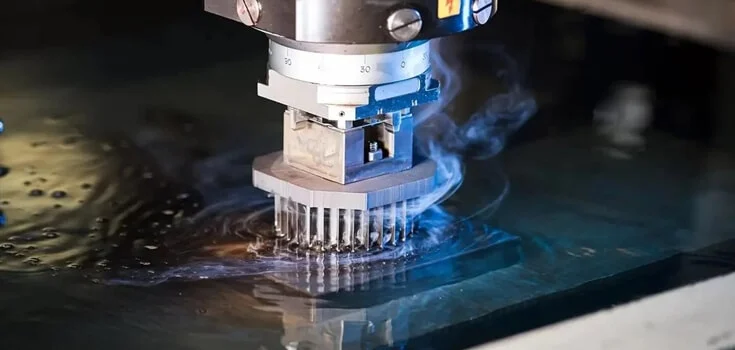
Electrical discharge machining uses controlled sparks to erode material from a workpiece. A conductive electrode approaches the material under dielectric fluid conditions. Sparks generate high temperatures that melt and vaporize tiny regions.
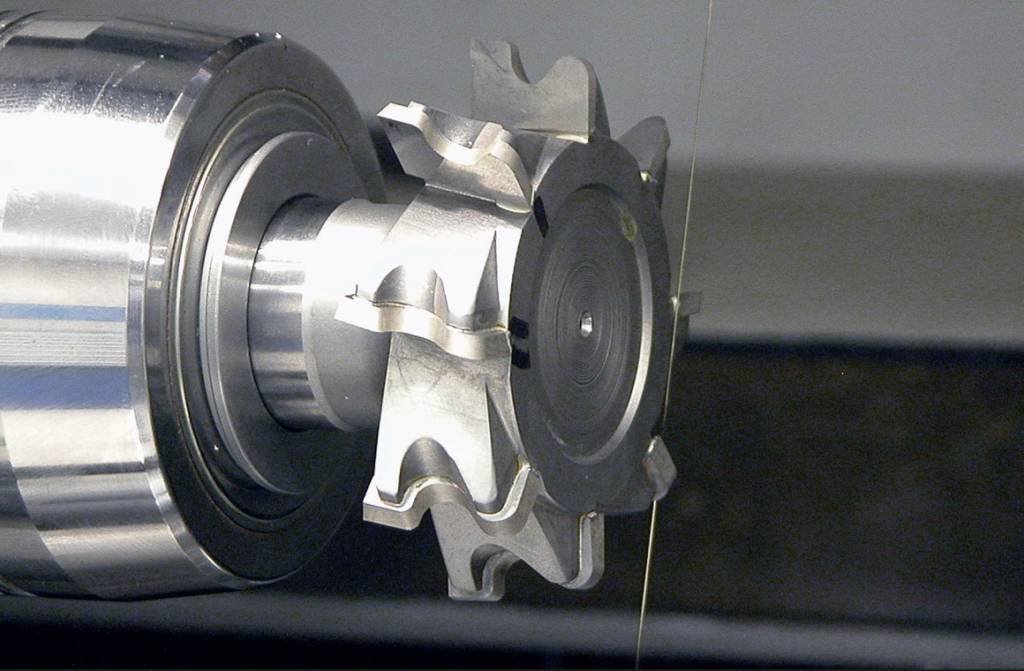
No cutting force is applied during the operation. This feature prevents deformation in delicate or thin components. Wire EDM uses a thin wire to cut complex shapes accurately. Die-sinking EDM creates detailed cavities for molds and dies. Electrode material selection affects wear rate and precision stability. Process parameters must be carefully controlled to maintain consistent machining results.
How CNC machining operates with cutting tools
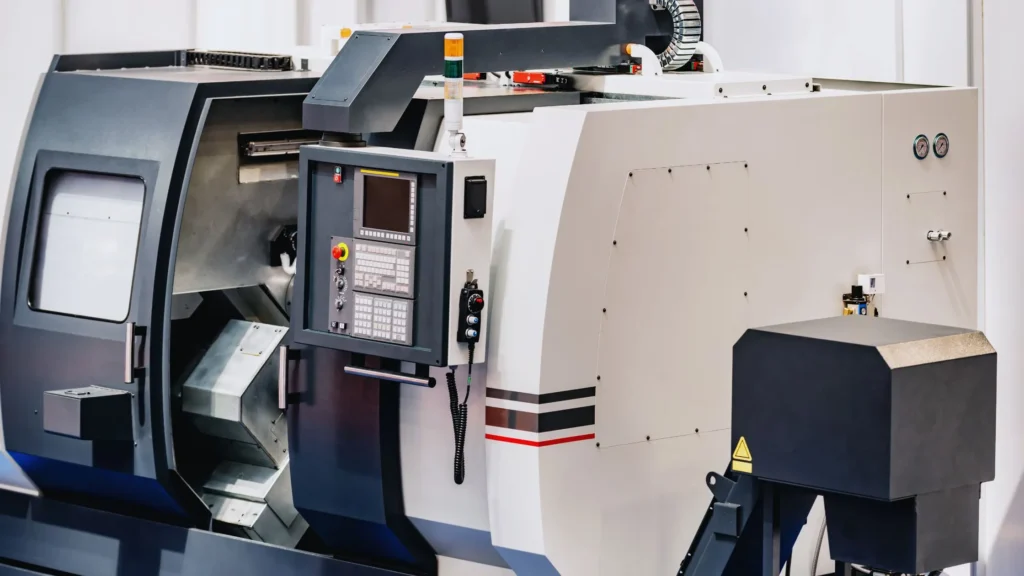
CNC machining removes material through rotating tools that follow programmed instructions. In addition, multi-axis machines enable the creation of complex geometries with high efficiency. For example, milling machines produce flat surfaces and intricate contours with precision, while turning centers manufacture cylindrical parts through controlled rotation.
Moreover, tool selection directly affects surface finish and cutting speed. At the same time, cooling systems help manage the heat generated during machining operations. Through advanced software optimization, toolpaths become more efficient, which reduces overall machining time. As a result, manufacturers rely on precision cnc machined parts for scalable and repeatable production. Furthermore, automation enhances productivity and minimizes human error in modern workshops.
Edm vs cnc machining: precision and tolerance comparison
When comparing Edm vs cnc machining, clear differences in precision capabilities become evident. On one hand, EDM can achieve extremely tight tolerances without introducing mechanical stress. Because of this, it is particularly suitable for micro-components and highly complex geometries.
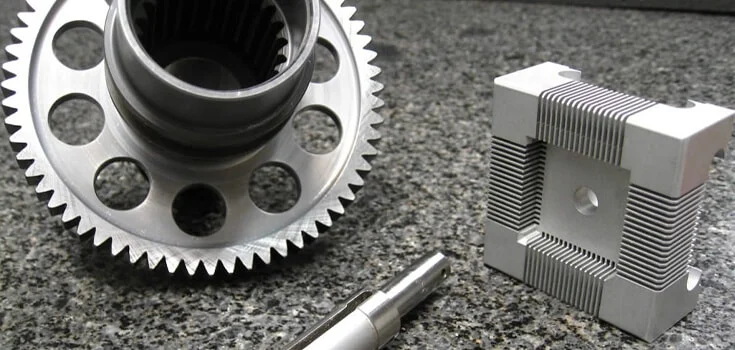
CNC machining also delivers high accuracy with proper calibration. Surface finish depends on tooling quality and machining parameters. EDM often produces smoother finishes on hardened materials. CNC machining may require secondary finishing operations. Dimensional consistency relies on machine stability and operator expertise. High-precision industries demand reliable and repeatable machining outcomes.
Material compatibility in edm vs cnc machining processes
Material compatibility plays a crucial role in determining the effectiveness of each machining method. In most cases, Edm vs cnc machining comparisons begin with conductivity requirements. For instance, EDM relies on electrically conductive materials to generate sparks during the process. As a result, hardened steels, titanium alloys, and carbides tend to perform particularly well.
In contrast, CNC machining supports a much wider range of materials, including metals, plastics, and composites. Generally, softer materials enable faster cutting speeds and reduce tool wear. On the other hand, harder materials increase machining difficulty and may lower overall efficiency. Therefore, engineers must carefully evaluate both machinability and conductivity before selecting a process. Ultimately, proper material selection ensures stable production and consistent product quality.
Production speed and efficiency comparison
Production speed depends heavily on design complexity as well as machining conditions. When examining Edm vs cnc machining, overall efficiency levels can vary significantly across different applications. In general, CNC machining achieves faster material removal, especially when working with simple geometries. Moreover, automated tool-changing systems further enhance productivity in large-scale operations.
However, due to its spark erosion mechanism, EDM typically operates at a slower pace. Even so, intricate shapes and tight tolerances can reduce the efficiency advantages often associated with CNC machining. In addition, setup time plays an important role in determining total production throughput.
Furthermore, automation improves repeatability while minimizing operational errors across both methods. Consequently, careful planning is essential to balance speed, cost, and precision requirements. In the end, a well-structured strategy leads to optimal manufacturing performance.
Cost factors in edm vs cnc machining projects
Cost evaluation includes equipment investment, labor, and operational expenses. Edm vs cnc machining cost structures differ depending on process complexity. CNC machining requires cutting tools that wear over time. EDM systems need electrodes and dielectric fluid maintenance. Programming complexity increases initial setup costs for both processes.
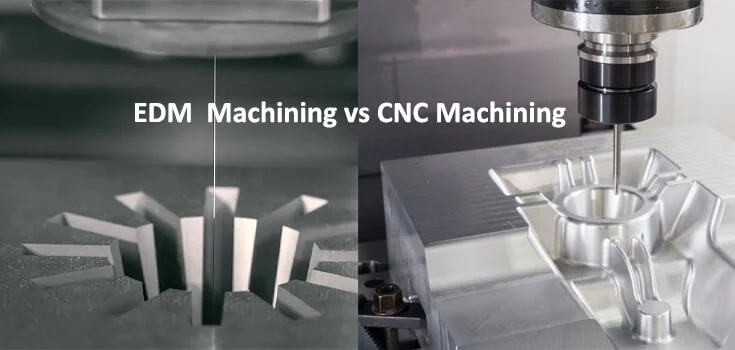
Skilled operators ensure consistent machining quality and stability. Maintenance supports long-term machine performance and accuracy. Small batch production often favors CNC machining due to lower setup time. Complex geometries may justify higher EDM costs.
Key advantages of EDM processes
- No mechanical stress during machining
- Excellent performance on hardened materials
- High precision for complex geometries
- Minimal deformation of delicate components
Key advantages of CNC machining processes
- Faster production for standard components
- Wide compatibility with different materials
- High scalability for mass production
- Strong automation and repeatability
Practical implications of advantages in real manufacturing
These advantages directly influence manufacturing strategies and production outcomes. Edm vs cnc machining advantages highlight different application strengths. EDM supports intricate geometries that cutting tools cannot achieve easily. CNC machining provides speed and flexibility for general components. Manufacturers often combine both processes for improved efficiency.
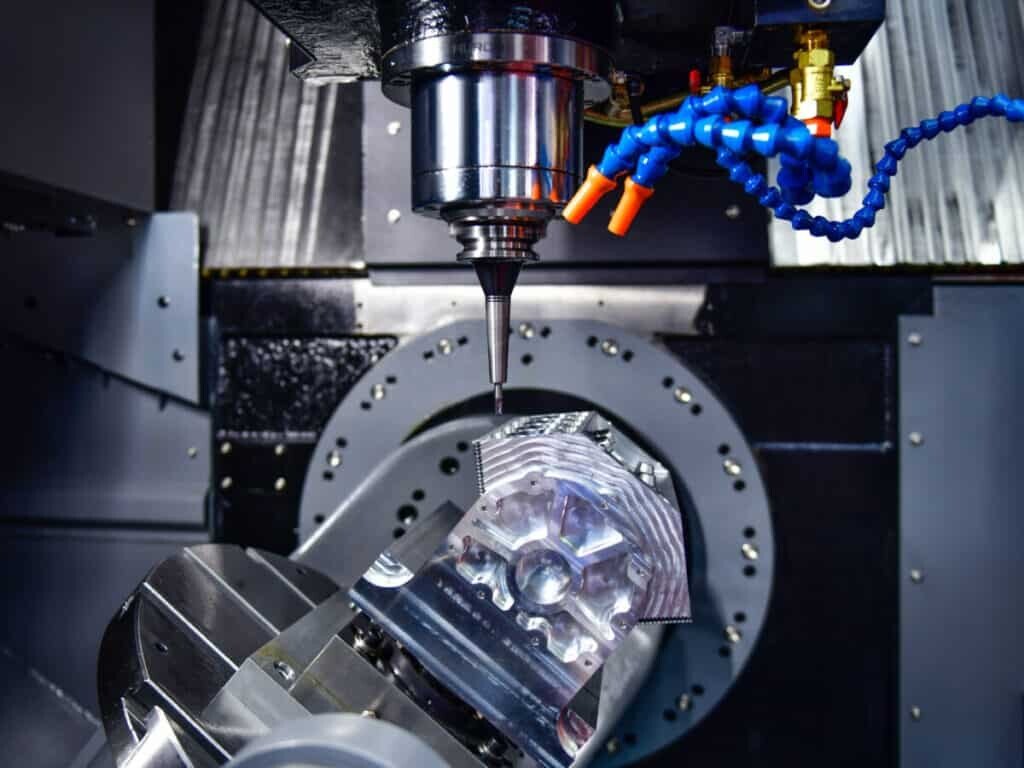
Complex molds typically start with CNC machining before EDM finishing. Balanced integration reduces production time and improves quality. Engineers evaluate geometry, material, and tolerance requirements carefully. Strategic selection ensures optimal performance across different applications.
edm vs cnc machining key differences
| Factor | EDM | CNC Machining |
|---|---|---|
| Material Type | Conductive materials only | Metals, plastics, composites |
| Precision | Very high | High |
| Speed | Slower | Faster |
| Tool Wear | Low mechanical wear | Higher due to cutting forces |
| Complexity Handling | Excellent for intricate shapes | Best for simpler geometries |
Key insights from edm vs cnc machining comparison analysis
The table outlines key technical differences between both machining processes. A detailed Edm vs cnc machining comparison helps engineers evaluate production priorities more effectively. In high-precision applications, spark-based methods excel at handling intricate and complex geometries. For standard components, CNC machining provides faster and more consistent production performance.
Material limitations play a significant role in determining the most suitable process. Tool wear also affects maintenance frequency and overall cost control. Engineers rely on these insights to refine and optimize manufacturing workflows. A balanced evaluation supports efficient and reliable production strategies, ensuring that decision-making aligns with both technical demands and economic considerations.
Additional comparison: cost and efficiency factors
| Aspect | EDM | CNC Machining |
|---|---|---|
| Initial Cost | High | Moderate |
| Operating Cost | Moderate | Variable |
| Setup Time | Longer | Shorter |
| Automation | Moderate | High |
| Batch Suitability | Low to medium | High |
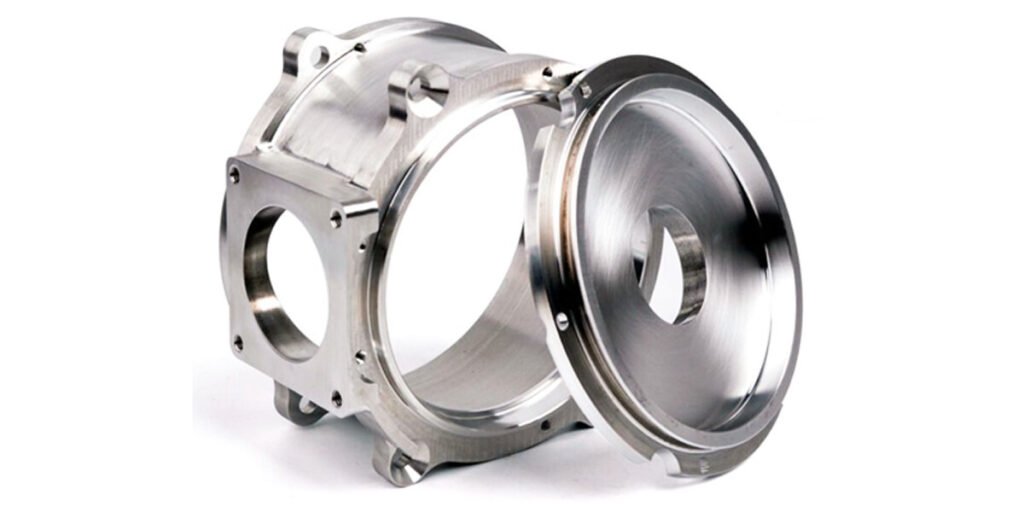
How cost and efficiency influence production strategies
Cost and efficiency strongly affect manufacturing competitiveness and planning decisions. CNC machining supports large-scale production with lower unit costs. EDM becomes valuable for specialized components with complex features. Setup time impacts delivery schedules and production flexibility. Automation reduces labor dependency and improves consistency.
Manufacturers evaluate return on investment before selecting a process. Efficient strategies enhance productivity and reduce operational risks. Long-term success depends on balancing cost, speed, and precision effectively.
Choosing between edm vs cnc machining for your project
When selecting a suitable process, several factors must be considered carefully. Selection between EDM and CNC machining depends on design requirements and production goals. In general, complex geometries often favor EDM due to its precision capabilities. In contrast, simple designs benefit from CNC machining speed and flexibility. Additionally, material type plays a critical role in determining feasibility. Budget constraints also influence equipment and labor decisions significantly. Moreover, production volume affects scalability and overall efficiency. Therefore, engineers must balance cost, accuracy, and delivery timelines carefully. As a result, proper selection ensures optimal performance and consistent product quality.
FAQ
What is the main difference between EDM and CNC machining?
In general, EDM removes material through electrical sparks generated between an electrode and a conductive workpiece. In contrast, CNC machining removes material using rotating cutting tools controlled by programmed instructions. As a result, EDM does not create mechanical stress, which helps maintain dimensional stability. However, CNC machining introduces cutting forces that may affect delicate parts. Additionally, material compatibility differs significantly between the two processes. EDM requires conductive materials, while CNC machining supports metals, plastics, and composites. Therefore, precision levels depend on machine setup and operator skill. Ultimately, each method offers unique advantages depending on geometry, tolerance, and production requirements.
Which is more cost-effective for small batch production?
For small batch production, cost efficiency often depends on setup time and process complexity. CNC machining typically offers lower costs due to faster setup and shorter cycle times. Toolpaths can be programmed quickly, enabling rapid production startup. EDM requires more preparation, including electrode design and dielectric fluid management. These factors increase initial costs and extend lead times. However, EDM may still be economical for highly complex parts with tight tolerances. Tool wear and material hardness also influence total cost. Manufacturers must evaluate design complexity, material type, and accuracy requirements before selecting the most cost-efficient solution.
Can EDM replace CNC machining in all applications?
EDM cannot replace CNC machining across all manufacturing scenarios due to fundamental process limitations. EDM only works with electrically conductive materials, which restricts its application range. CNC machining handles a broader spectrum of materials, including plastics and composites. Production speed is another limiting factor, as EDM operates slower than CNC machining. CNC machines are better suited for high-volume production environments. EDM excels in producing intricate geometries and fine details. Many manufacturers combine both processes to achieve optimal results, using CNC machining for rough shaping and EDM for precision finishing operations.