Modern manufacturing increasingly relies on machining engineering plastics for precision applications. These materials offer unique advantages over metals in many industries. Engineers value their lightweight structure and chemical resistance. Production teams also benefit from reduced tool wear during cutting processes. Compared with metals, plastics enable faster machining speeds and lower energy consumption. However, successful results depend on understanding material behavior during cutting. Thermal sensitivity often affects dimensional accuracy and surface quality. Proper planning ensures consistent performance in demanding environments. Many manufacturers combine plastics with metals like stainless steel precision machined parts in hybrid assemblies. This approach balances strength and flexibility effectively. Careful process control improves reliability and repeatability. Manufacturers who master advanced plastic machining achieve competitive advantages in cost and efficiency.
Key Material Properties That Influence Machining Engineering Plastics
Material properties strongly influence cutting behavior and machining outcomes. Mechanical strength determines resistance to deformation under cutting forces. Thermal stability controls how materials respond to heat generation. Plastics with low melting points require careful parameter adjustment.
Moisture absorption also impacts dimensional accuracy over time. Some polymers expand in humid environments and affect tolerance control. Chemical resistance becomes critical in corrosive operating conditions. Wear resistance determines component lifespan in dynamic systems. Engineers evaluate these properties before selecting materials for production. Poor material selection often leads to part failure or inefficiency. High-performance polymers maintain stability under demanding conditions. These factors directly improve machining engineering plastics efficiency and product quality.
Common Types Of Engineering Plastics Used In Precision Machining
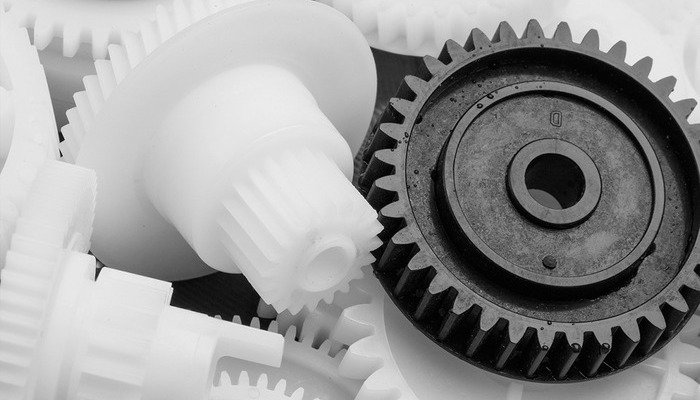
Several engineering plastics dominate precision machining environments today. PEEK offers excellent thermal resistance and mechanical strength for demanding applications. Nylon provides strong wear resistance and low friction performance. PTFE delivers outstanding chemical resistance and non-stick characteristics. Acetal ensures dimensional stability and smooth surface finishes. Polycarbonate provides high impact resistance in structural components. Each material serves specific industrial needs and operating conditions. Engineers select materials based on load requirements and environmental exposure. Cost considerations also influence decisions in large-scale manufacturing. Some plastics perform better at high speeds, while others require controlled cutting. These differences support improved machining engineering plastics results. Proper selection reduces waste and enhances production efficiency significantly.
Essential Tools And Equipment For Machining Engineering Plastics
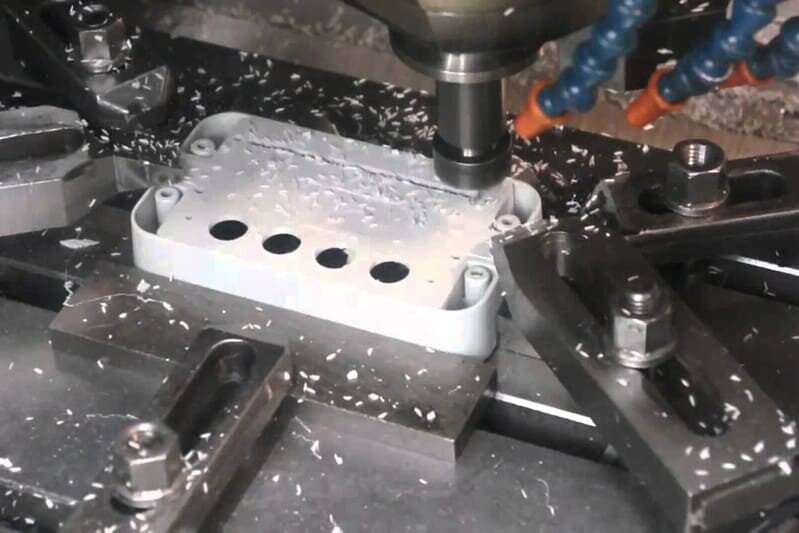
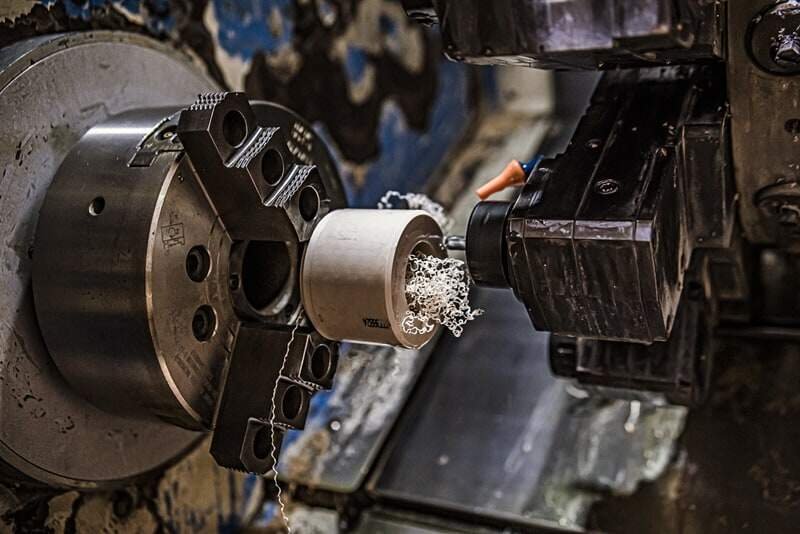
Tooling selection plays a vital role in achieving consistent machining results. Sharp cutting edges reduce friction and prevent material deformation. Carbide tools perform well in high-speed plastic machining processes. High-speed steel tools also suit softer materials effectively. Tool geometry must match material characteristics for optimal cutting performance. CNC machines ensure precision and repeatability in complex part designs. Stable machine setups minimize vibration and improve surface quality. Air cooling systems help manage heat in sensitive plastic materials. Chip removal systems prevent clogging and surface damage. Equipment maintenance ensures long-term machining stability and performance. Manufacturers improve outcomes by optimizing tooling strategies. Efficient setups enhance productivity in machining engineering plastics operations.
Machining Parameters And Process Optimization Strategies
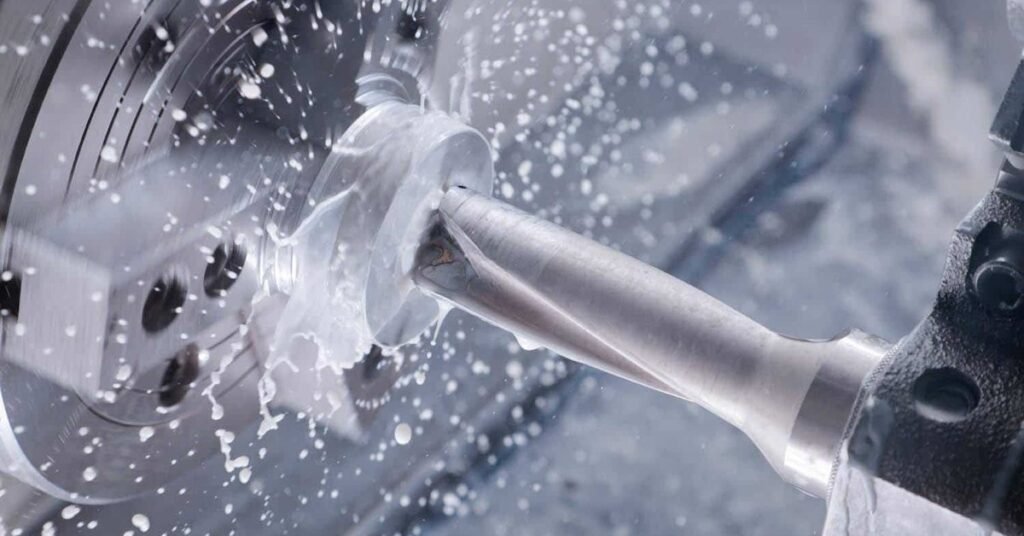
Machining parameters directly impact efficiency and final product quality. Cutting speed must align with material thermal properties. Excessive speed may cause melting or deformation during cutting. Feed rates influence both surface finish and machining efficiency. Depth of cut requires control to maintain dimensional accuracy. Heat management remains essential in continuous machining processes.
Operators often use intermittent cutting to reduce heat buildup. Optimized tool paths improve surface quality and reduce defects. Consistent parameter control enhances repeatability in production environments. Testing and adjustment refine machining strategies over time. Advanced simulation tools assist engineers in process optimization. Proper parameter control ensures consistent production of precision milled components while improving overall machining engineering plastics performance.
Advantages And Limitations Of Machining Engineering Plastics
Engineering plastics provide several advantages in modern manufacturing applications. Lightweight properties reduce system weight and improve energy efficiency. Corrosion resistance extends component life in harsh environments. Lower cutting forces reduce tool wear and maintenance costs. Plastics also provide electrical insulation in sensitive applications. However, limitations must be considered during design and production. Lower strength compared with metals restricts heavy load applications. Thermal expansion may affect dimensional stability under varying temperatures. Surface damage can occur during handling or assembly processes. Engineers must balance these factors during material selection. Proper planning minimizes risks and maximizes performance. Many industries benefit from machining engineering plastics despite these limitations.
Applications Across Industries Using Engineering Plastic Components
Engineering plastics serve diverse industries with varying performance requirements. Aerospace applications use lightweight components to improve fuel efficiency. Automotive systems rely on plastics for wear-resistant and low-friction parts. Medical devices require biocompatible materials for safety and hygiene. Electronics industries use plastics for insulation and structural support. Industrial machinery integrates plastic parts to reduce noise and friction. Food processing equipment benefits from chemical-resistant materials. Each application demands specific machining precision and material properties. Engineers design components based on functional and environmental needs. Integration with metal systems enhances overall performance in assemblies. Growing demand drives innovation in machining engineering plastics worldwide.
Comparison Of Popular Engineering Plastics For Machining
| Material | Strength | Thermal Resistance | Machinability | Typical Applications |
|---|---|---|---|---|
| PEEK | High | Excellent | Moderate | Aerospace, medical components |
| Nylon | Medium | Moderate | High | Gears, bearings |
| PTFE | Low | High | Moderate | Seals, chemical systems |
| Acetal | Medium | Moderate | Excellent | Precision milled components |
Additional Comparison Table For Engineering Plastics Performance
| Property | PEEK | Nylon | PTFE | Acetal |
|---|---|---|---|---|
| Moisture Absorption | Low | High | Very Low | Low |
| Wear Resistance | High | High | Low | Medium |
| Cost | High | Low | Medium | Medium |
Key Insights From Engineering Plastic Comparison
The tables reveal critical differences among widely used engineering plastics. Strength and thermal resistance vary significantly across materials. PEEK offers the highest performance but comes with higher cost. Nylon provides a balanced solution between cost and durability. PTFE excels in chemical resistance but lacks mechanical strength. Acetal delivers excellent machinability and dimensional stability.
Engineers must align these properties with application requirements. Moisture absorption becomes critical in humid environments. Cost factors influence decisions in large-scale production. Selecting suitable materials improves efficiency and durability. These comparisons support better decisions in machining engineering plastics processes.
Key Considerations When Selecting Engineering Plastics For Machining
Material selection requires careful evaluation of multiple technical factors. Engineers must consider mechanical loads and environmental conditions. Temperature ranges influence material stability during operation. Chemical exposure may require specialized resistant polymers. Cost constraints affect material choices in high-volume production. Machinability determines tooling requirements and production speed. Designers also evaluate dimensional tolerance requirements for precision parts.
- Evaluate mechanical strength requirements
- Analyze thermal and chemical exposure
- Consider machining efficiency and cost
- Review dimensional stability needs
- Assess long-term durability
These considerations guide effective decision-making in complex manufacturing environments. Proper planning improves machining engineering plastics results. Balanced selection enhances performance and reduces production risks.
Future Trends In Machining Engineering Plastics Technology
Technological innovation continues to reshape plastic machining processes. Advanced polymers offer improved strength and thermal resistance. Automation enhances precision and reduces human error in production. CNC systems integrate intelligent software for better process control. Sustainable materials gain importance due to environmental concerns. Recycling technologies support eco-friendly manufacturing practices. Hybrid components combining plastics and metals are becoming common. Digital monitoring improves efficiency and predictive maintenance capabilities. Industry demand drives continuous innovation across sectors. Companies adopting advanced technologies gain competitive advantages. The future of machining engineering plastics remains dynamic and promising.
FAQ
What are the best plastics for CNC machining?
The best plastics depend on application requirements and machining conditions. PEEK provides excellent strength and thermal resistance for demanding environments. Acetal offers outstanding machinability and dimensional stability for precision parts. Nylon works well for wear-resistant components such as gears and bearings. PTFE suits chemical-resistant applications but requires careful machining control. Engineers evaluate mechanical loads and environmental exposure before selecting materials. Cost considerations also influence decisions in large-scale production. Proper selection ensures long-term performance and reliability in various industries.
How does heat affect machining engineering plastics?
Heat plays a critical role in machining plastic materials effectively. Excessive temperature can cause melting, deformation, or poor surface finishes. Many plastics have lower melting points than metals. Therefore, controlling cutting speed and feed rate becomes essential. Air cooling helps reduce heat buildup during machining processes. Intermittent cutting strategies also minimize thermal stress on materials. Proper tool selection reduces friction and heat generation significantly. Effective heat management ensures dimensional accuracy and consistent production quality.
Why choose plastics over metals in machining applications?
Plastics provide several advantages compared with traditional metal materials. Lightweight properties reduce system weight and improve efficiency. Corrosion resistance extends component lifespan in harsh environments. Plastics also offer electrical insulation for sensitive applications. Machining processes require less energy and cause lower tool wear. However, plastics may have lower strength than metals in some cases. Engineers must evaluate performance requirements carefully before selection. Balanced decisions ensure optimal functionality and cost efficiency in final products.