Thread Rolling vs Cutting What Is the Difference
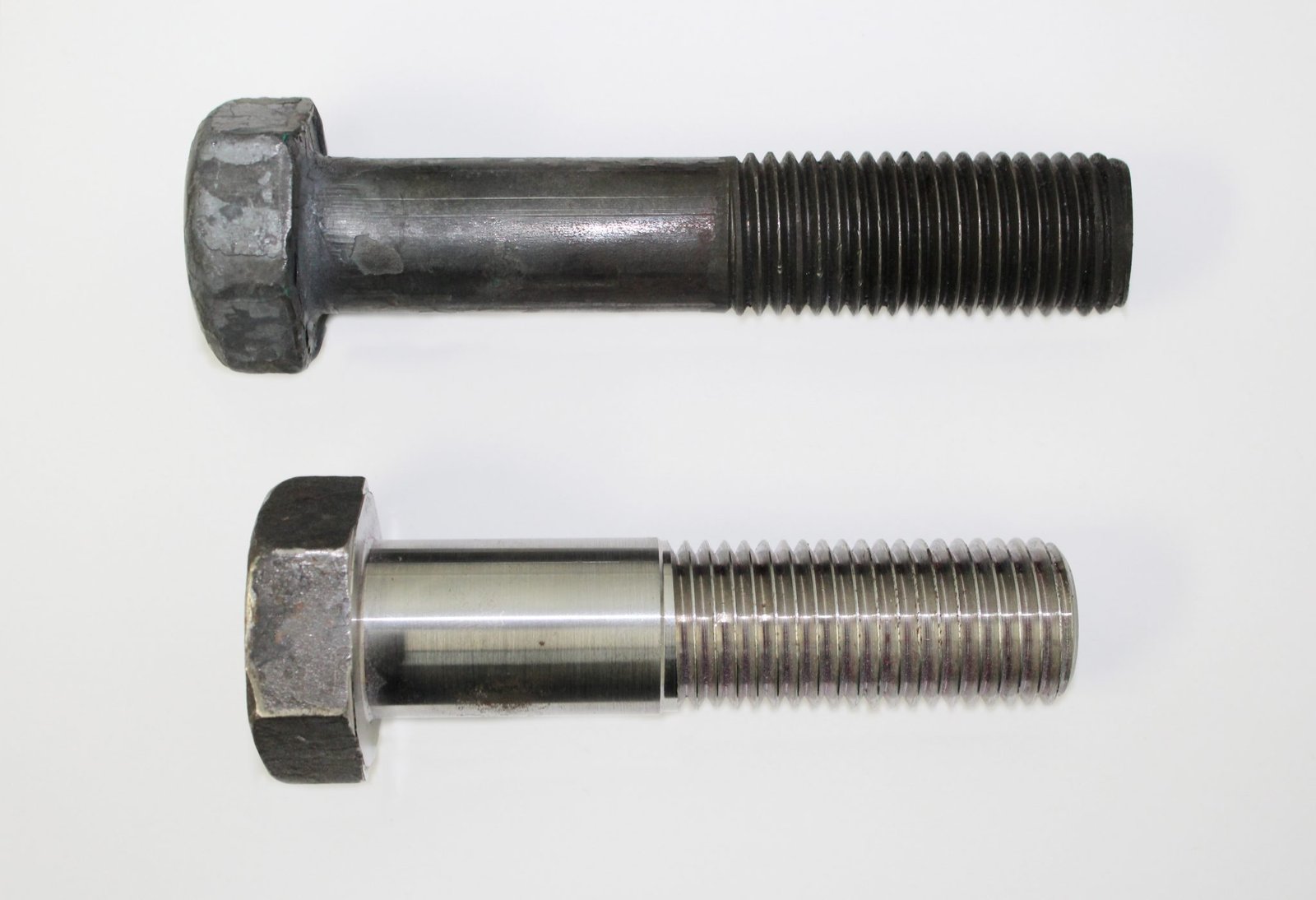
Thread rolling forms a thread by displacing material with dies, while thread cutting creates the profile by removing material. That basic difference changes the blank size, grain flow, surface condition, tooling, production rate and range of suitable applications for precision CNC machined parts.
The better process depends on thread location, material condition, part geometry, quantity, accuracy, performance requirements and available equipment. This comparison focuses mainly on external threads. Internal threads are commonly produced by tapping, thread milling, single-point cutting or thread forming, which should be evaluated separately.
Process Comparison
| Decision point | Thread rolling | Thread cutting |
|---|---|---|
| Formation method | Plastic deformation with dies | Material removal with a cutting tool |
| Chips | No thread-profile chips | Produces chips |
| Material requirement | Needs sufficient ductility in the rolling condition | Can suit a wider range of materials and conditions |
| Typical production fit | Repetitive external threads and production quantities | Prototypes, low volumes, custom geometry and broad flexibility |
| Blank diameter | Prepared for material displacement | Prepared at or near the major diameter |
| Tooling | Thread-specific dies and suitable rolling equipment | Taps, dies, inserts, mills or single-point tools |
| Grain flow | Follows the formed profile | Is interrupted by material removal |
| Design constraints | Requires rolling access and controlled material flow | More adaptable to shoulders, special forms and limited quantities |
How Thread Rolling Works
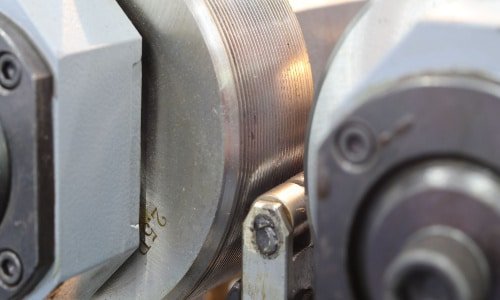
Thread rolling presses the blank between hardened dies. Material flows from the thread roots toward the crests instead of being removed. The starting diameter must be controlled because it determines how much material fills the die profile. Material condition, ductility, hardness, lubrication, die alignment and rolling pressure all affect the result.
Rolling can produce a smooth surface and favorable grain flow when the process is correctly controlled. It is often considered for high-volume external threads on ductile materials. However, it is not automatically suitable for every alloy, heat-treatment condition, wall thickness or geometry.
The pre-roll blank is a purchasing and design issue, not a minor shop-floor adjustment. For an external rolled thread, the starting diameter is selected to supply material to the crests and must be controlled for that thread, material and die set. A drawing that assumes the same blank as a cut thread may need review before the production method changes.
How Thread Cutting Works
Thread cutting removes material to generate the thread form. The method may use a die, tap, single-point tool, thread mill or another cutting process. It can produce internal or external threads and is flexible for low quantities, special pitches, large diameters, repair work and precision machined components that cannot be rolled.
The final quality depends on tool geometry, tool wear, machine rigidity, cutting parameters, chip control, material behavior and inspection. Burrs, tearing, chatter or incorrect tool compensation can affect the thread even when the nominal size appears correct.
Strength and Fatigue Considerations
Rolled threads can have favorable residual stress, work-hardened surfaces and continuous grain flow. These characteristics may improve fatigue performance in a suitable material and process. They should not be converted into a universal percentage advantage because results depend on alloy, heat treatment, thread geometry, root condition, load and manufacturing control.
Cut threads can still meet demanding requirements when properly designed and produced. The thread standard, minimum section, surface condition, heat treatment and loading often matter as much as the production method.
For a safety-critical component, use validated engineering data or testing for the actual part instead of selecting a process from a generic comparison.
Material and Heat Treatment
Thread rolling requires material that can deform without cracking. Excessive hardness, limited ductility, inclusions or an unsuitable microstructure can cause laps, cracks or incomplete filling. The production sequence may roll the thread before final heat treatment, but heat treatment can change dimensions and properties, so the route must be controlled.
Thread cutting is usually more tolerant of hard or low-ductility conditions, although tool wear and cutting forces may increase. The drawing should define the required material condition at the time the thread is produced and at final inspection.
Geometry and Access
Rolling dies need physical access and space around the thread. Shoulders, short runouts, thin walls, interrupted surfaces and nearby features can limit the process. Blank diameter and runout geometry must be designed for the intended method.
Cutting offers more flexibility around shoulders and for special thread forms. Thread milling can be useful for large diameters, controlled entry, difficult materials or one tool covering multiple sizes, while single-point turning offers direct control for many external and internal profiles.
Cost and Production Volume
Thread rolling typically involves dedicated tooling and process setup. Its economics improve when the same thread is produced repeatedly in sufficient quantity. Thread cutting often has a lower setup barrier and greater flexibility for prototypes, small batches and mixed work.
Compare total cost rather than cycle time alone:
- Blank preparation
- Tooling and die cost
- Setup and inspection time
- Production rate
- Tool or die life
- Scrap and rework risk
- Heat-treatment sequence
- Deburring and cleaning
- Required performance validation
For a small trial batch, the flexibility of cutting may outweigh a shorter rolling cycle. For repeat orders of the same external thread, amortizing a validated die and setup may change the result. Request quotations for the same final specification, quantity and inspection scope; otherwise the prices do not compare the same deliverable.
Inspection Requirements
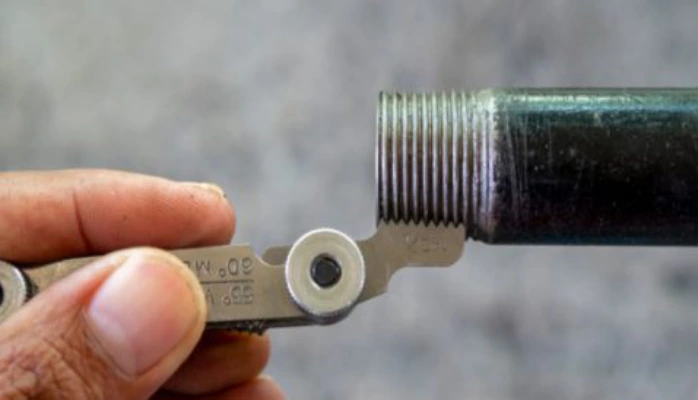
Both processes require the correct thread standard, size, pitch, class and inspection method. Functional gauges can confirm assembly limits, but they may not describe every profile characteristic. Critical applications may also require measurement of pitch diameter, lead, flank angle, root condition, runout or surface defects.
For rolled threads, inspect for laps, seams, incomplete fill and die mismatch. For cut threads, inspect for burrs, tearing, chatter, tool wear and incorrect runout. State whether inspection occurs before or after coating or heat treatment.
Selection Checklist
Choose a process after answering:
- Is the thread internal or external?
- Is the material ductile enough in the production condition?
- What quantity and repeat demand are expected?
- Does the geometry allow die access and material flow?
- Are fatigue, surface integrity or chip control especially important?
- Is the part heat treated before or after threading?
- Which standard, class and gauge method control acceptance?
- Are special profiles or short runouts required?
Frequently Asked Questions
Are rolled threads always stronger than cut threads
No universal result applies to every part. Rolling can improve surface and fatigue characteristics in suitable materials, but performance depends on the complete design and process.
Can hard materials be thread rolled
Rolling requires sufficient ductility and an appropriate hardness range for the equipment and dies. Hardened or brittle conditions often favor cutting, but the supplier must review the exact material.
Which method is better for prototypes
Thread cutting is often more practical for prototypes and low volumes because it uses flexible tooling and avoids dedicated rolling dies.
Technical Reference
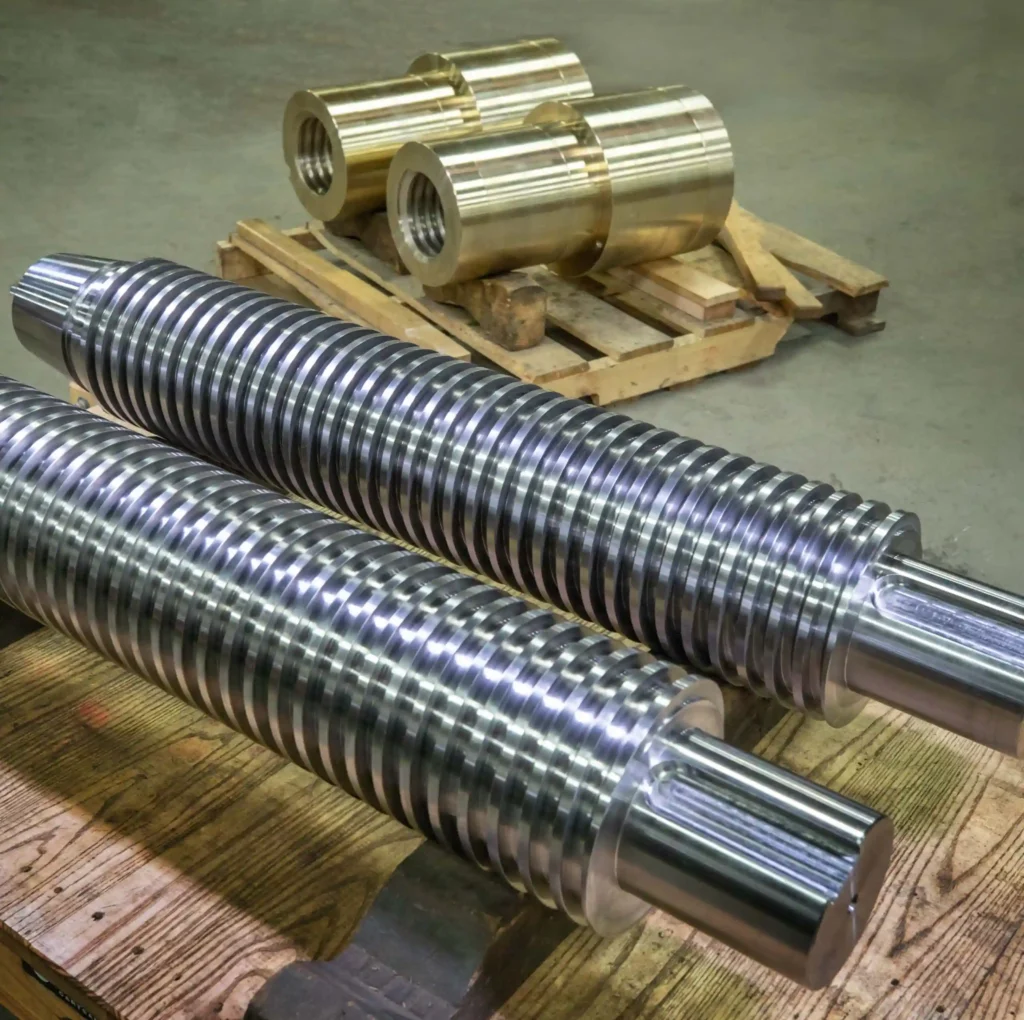
Rollwalztechnik explains the material-displacement principle, pre-machined blank and process limits for external thread rolling. Its performance descriptions are process information, not test results for a specific part.
Thread Rolling Process