Key Factors Behind cnc machining lead time
Cnc machining lead time covers the full duration from order placement to final delivery. It includes programming, machining, inspection, and shipping processes. Many buyers depend on accurate timelines for production planning. Delays often disrupt assembly schedules and inventory management cycles. Multiple technical and operational factors influence machining duration. Material choice, design complexity, and shop capacity play critical roles. External factors such as logistics also affect delivery performance. Clear visibility into these variables improves planning accuracy. Smart decisions help reduce risks and support stable supply chains.
Material Selection and Its Impact on cnc machining lead time
Material choice strongly affects machining efficiency and tool wear rates. Metals like aluminum cut faster than hardened steel alloys. Plastics offer easier machinability but require thermal control during cutting. Hard materials increase cycle time due to slower feed rates. Tool wear also rises with abrasive alloys, requiring frequent replacements. Supply availability impacts procurement timelines before machining begins. Delays often occur when rare materials require special sourcing. Engineers must balance strength requirements with machinability. Smart material selection shortens production cycles and improves consistency.
| Material Type | Machinability | Lead Time Impact |
|---|---|---|
| Aluminum | High | Short |
| Stainless Steel | Medium | Moderate |
| Titanium | Low | Long |
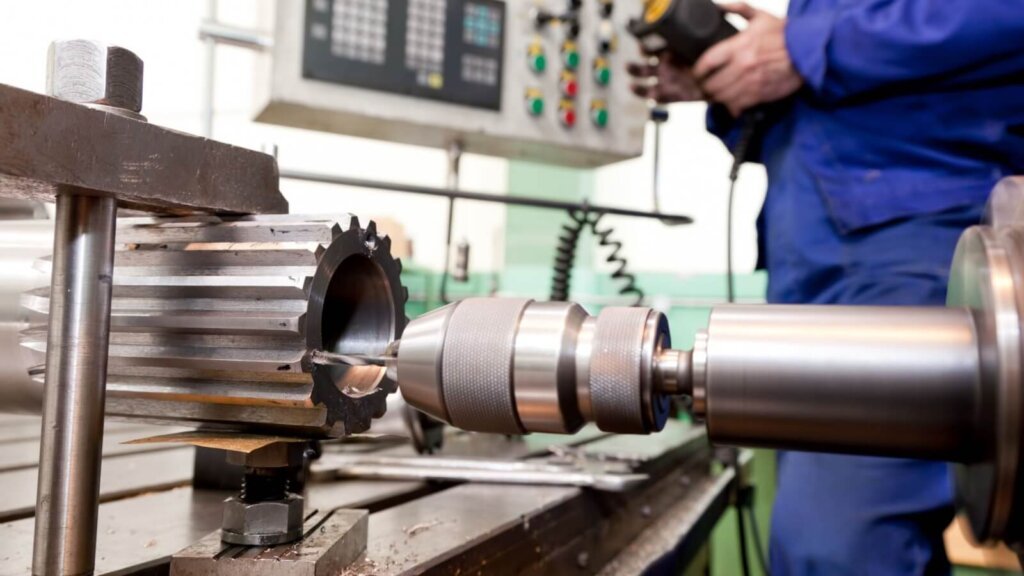
Material machinability directly influences cutting speed and production efficiency. Faster machining reduces machine occupancy time and increases throughput. Harder materials require specialized tooling and coolant systems. Procurement delays further extend overall timelines. Manufacturers must align material choice with both design and scheduling priorities.
Part Complexity and Design Specifications in Machining Timelines
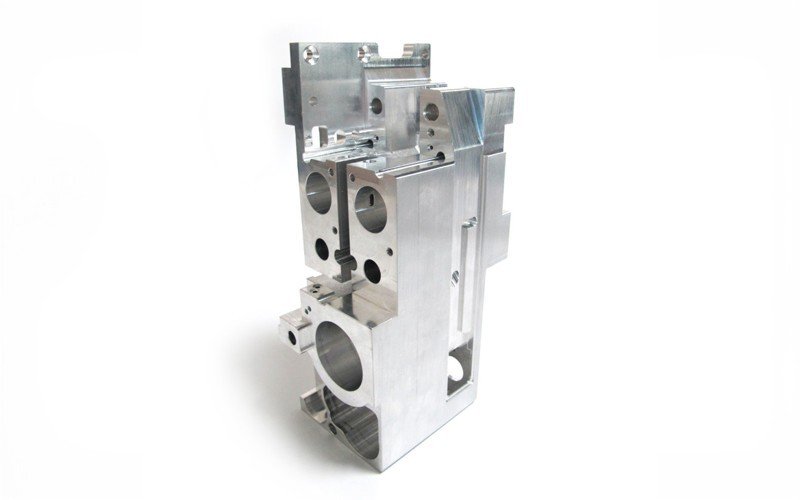
Complex geometries require advanced toolpaths and multi-axis machining operations. Tight tolerances increase inspection requirements and machining precision. Features like deep cavities or thin walls demand slower cutting speeds.Surface finish specifications also influence tool selection and process steps. Complex parts often require multiple setups and repositioning. Each setup increases total machining time and error risk. Designs including stainless steel precision machined parts often demand tighter control. Engineers must optimize designs for manufacturability without sacrificing function. Simplified geometry significantly reduces machining duration.
| Design Factor | Complexity Level | Time Impact |
|---|---|---|
| Simple Geometry | Low | Short |
| Tight Tolerances | High | Long |
| Multi-Axis Features | Very High | Very Long |
Design complexity determines machining strategy and process duration. More complex parts require additional programming and verification steps. Reducing unnecessary features can significantly improve production efficiency. Design for manufacturability remains a key principle in industrial machining.
Production Volume and Batch Size Considerations
Production volume affects how machining time distributes across batches. Small runs require more setup time relative to total output. Large batches benefit from reduced per-unit machining cost and time. Setup procedures include tool alignment and program validation.

Prototype production often takes longer per unit than mass production. Repeated cycles improve efficiency through process stabilization. Batch size planning helps optimize machine utilization. Balancing demand with production capacity reduces idle time. Efficient batching strategies improve delivery predictability.
Machine Availability and Shop Scheduling Efficiency
Machine availability directly influences cnc machining lead time in busy workshops. High demand can create scheduling bottlenecks and delays. Shops prioritize urgent orders based on client requirements. Advanced scheduling software improves workflow visibility and planning. Idle machine time indicates inefficiency and poor planning. Maintenance downtime also affects production timelines. Shops with multiple machines offer better flexibility and redundancy. Efficient scheduling ensures continuous operation and faster delivery.
| Factor | Description | Impact |
|---|---|---|
| Machine Utilization | Workload level | High impact |
| Maintenance | Downtime events | Moderate impact |
| Scheduling System | Planning efficiency | High impact |
Effective scheduling reduces idle time and maximizes productivity. Shops using digital systems can adapt quickly to changes. Balanced workloads ensure steady production flow and reduced delays.
Tooling Requirements and Setup Time Optimization
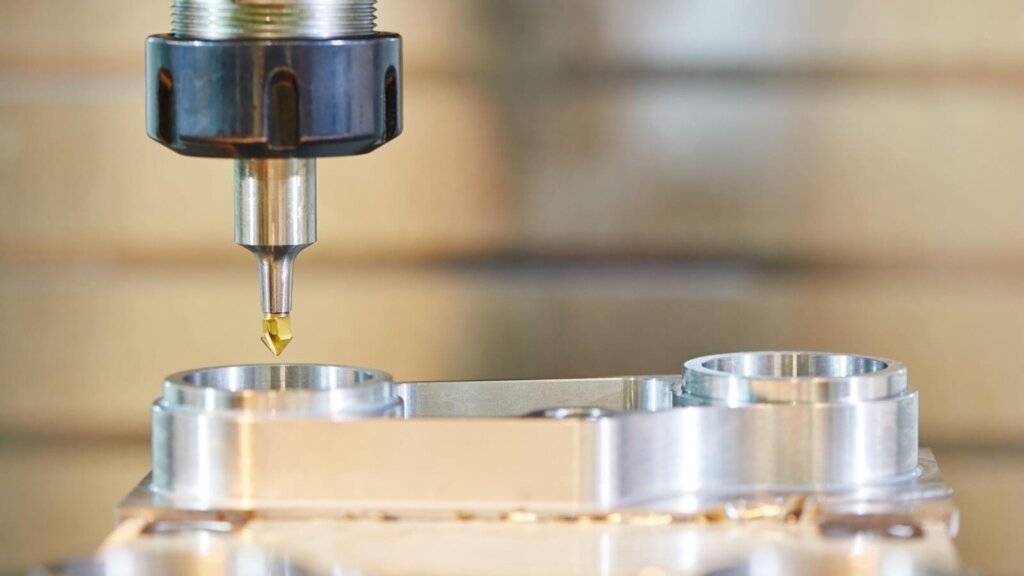
Tooling selection affects machining precision and cycle duration. Standard tools allow faster setup and easier replacement. Custom tooling increases preparation time but improves part accuracy. Frequent tool changes slow production and increase downtime. Calibration ensures dimensional accuracy and reduces defects. Setup includes fixture alignment and program testing. Efficient setups reduce first-piece inspection delays. Minimizing setup complexity improves overall throughput. Tooling strategy must align with production goals.
Operator Expertise and Programming Efficiency
Skilled operators enhance machining accuracy and reduce error rates. CAM programming defines toolpaths and machining strategy. Efficient programming reduces unnecessary movements and cycle time. Experienced machinists detect issues before production begins. Automation improves consistency but still requires human oversight.
Training improves productivity and reduces rework frequency. Knowledge of materials and tooling enhances performance. Strong expertise supports faster and more reliable production cycles.
Quality Control Standards and Inspection Processes
Inspection ensures parts meet dimensional and functional requirements. Coordinate measuring machines provide precise measurement capabilities. High precision parts require more inspection steps and time. Standards like ISO influence documentation and validation procedures. Rework occurs when parts fail inspection criteria. Increased inspection frequency extends production timelines. However, strong quality control reduces long-term risks. Balanced inspection strategies maintain both quality and efficiency.
| Inspection Method | Accuracy | Time Requirement |
|---|---|---|
| Manual Measurement | Medium | Short |
| CMM Inspection | High | Long |
| Automated Scanning | Very High | Moderate |
Inspection methods affect both accuracy and production time. Advanced systems provide higher precision but require longer setup. Manufacturers must balance inspection depth with delivery expectations.
Supply Chain and Logistics Influences on Delivery Time
Supply chain performance plays a major role in production timelines. Material shortages delay machining start dates. Transportation disruptions affect delivery schedules significantly. Global sourcing increases risk due to longer transit times. Local suppliers offer faster response and reduced delays. Inventory management helps mitigate supply chain uncertainty. Communication between suppliers and manufacturers improves coordination. Reliable logistics partners ensure consistent delivery performance.
Post-Processing and Finishing Requirements
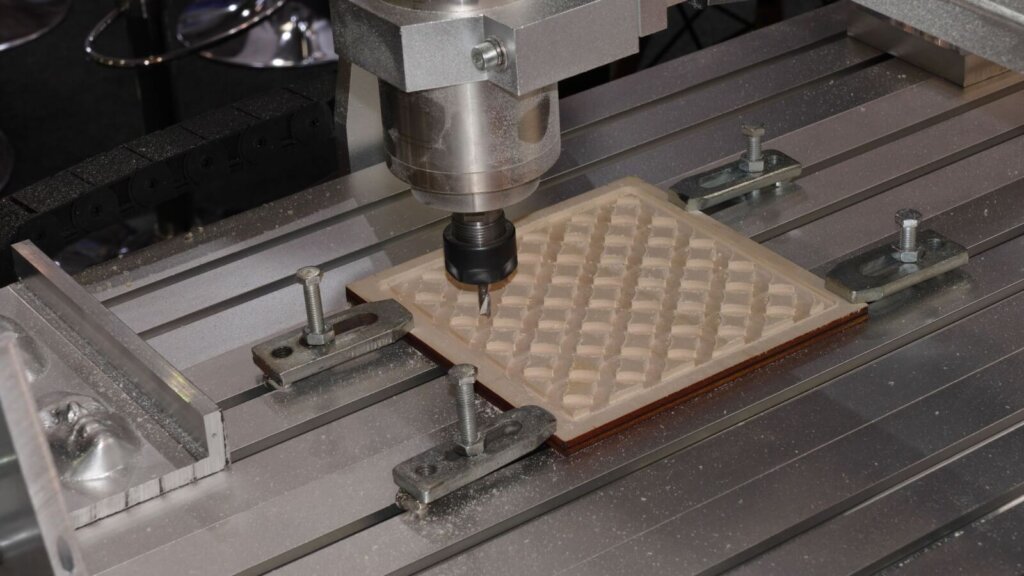
Post-processing adds additional steps after machining completion. Processes include anodizing, plating, and heat treatment. Each process requires specific equipment and processing time. Surface finishing improves durability and appearance. Precision milled components often require tight surface finish control. External vendors may handle specialized finishing processes. Coordination between machining and finishing extends timelines. Efficient planning reduces waiting time between stages. Integrated services can significantly improve delivery speed.
Practical Ways to Reduce Machining Lead Time
- Optimize part design for manufacturability
- Choose readily available materials
- Reduce unnecessary tight tolerances
- Work with experienced machining partners
- Use standard tooling whenever possible
- Plan production batches efficiently
- Improve communication with suppliers
Strategies to Optimize cnc machining lead time for B2B Buyers
Buyers can reduce cnc machining lead time through strategic planning. Early supplier involvement improves design efficiency and feasibility. Long term partnerships ensure priority scheduling and stable supply. Digital platforms provide real time production tracking. Clear communication reduces misunderstandings and delays. Buyers should evaluate supplier capabilities and capacity carefully. Strong collaboration improves both quality and delivery reliability. Data driven decisions enhance overall production efficiency.
Conclusion: Balancing Speed, Cost, and Quality in Machining Projects
Manufacturers must balance speed, cost, and quality in machining operations. Faster production increases costs due to resource allocation. High precision requirements extend machining and inspection duration. Careful planning helps achieve optimal performance across all factors. Clear analysis of variables supports better decision making. Process optimization creates strong competitive advantages. Efficient machining ensures reliable delivery and consistent customer satisfaction.
FAQ
What is a typical cnc machining lead time for industrial parts?
Typical cnc machining lead time varies depending on part complexity and volume. Simple parts may take a few days to complete. Complex components often require several weeks for production. Material availability also plays a critical role in scheduling. Shops with high demand may extend delivery timelines further. Prototype orders usually take longer due to setup requirements. Inspection and finishing processes add extra time to production. Reliable suppliers provide clear timelines based on project scope. Accurate forecasting helps buyers plan production efficiently.
How can design changes reduce machining delays?
Design optimization significantly reduces machining time and complexity. Simplifying geometry lowers the need for multi-axis operations. Reducing tight tolerances decreases inspection requirements and rework risk. Standardizing features allows faster tool selection and setup. Engineers can eliminate unnecessary details that increase machining effort. Collaboration with manufacturers improves design feasibility. Early feedback helps identify potential production challenges. Efficient designs reduce tool wear and cycle time. Optimized designs improve consistency and shorten overall delivery timelines.
Why do material shortages affect machining schedules?
Material shortages delay production before machining even begins. Suppliers may require extended lead times for specific alloys. Global supply disruptions often impact raw material availability. Manufacturers must wait until materials arrive before scheduling jobs. Substituting materials may require design adjustments and approvals. Limited stock increases costs and affects planning flexibility. Strong supplier relationships help secure consistent material supply. Inventory strategies reduce risks associated with shortages. Stable material sourcing ensures smoother production and predictable timelines.