Dowel Pin Vs Taper Pin Which One Should You Use
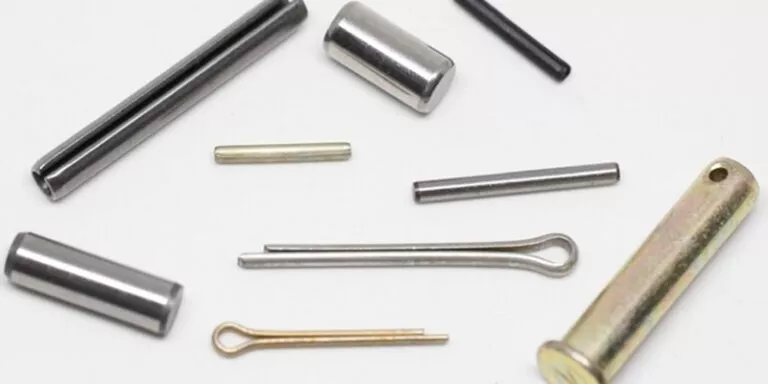
Dowel pins and taper pins can both locate or align mechanical components, but they do not create the same joint. A dowel pin normally uses a straight cylindrical body and a controlled fit. A taper pin uses a gradually changing diameter that seats into a matching tapered hole.
The correct choice depends on alignment accuracy, retention, assembly method, removal, repeat maintenance, load direction, hole preparation, and the applicable drawing standard. A Stainless steel pin may be selected when corrosion resistance and material compatibility are important. This guide compares the two pin types and explains what engineers should define before ordering custom or replacement pins.
Quick Comparison
| Decision point | Dowel pin | Taper pin |
|---|---|---|
| Basic geometry | Straight cylindrical body | Conical body with a defined taper |
| Hole preparation | Cylindrical drilled/reamed hole | Matching tapered hole, normally prepared with the correct taper tooling |
| Main role | Repeatable location, alignment, or controlled shear transfer | Self-seating location and retention through tapered contact |
| Assembly | Fit depends on pin and hole tolerances | Seating depth depends on taper and matching hole |
| Removal | May require access, extraction features, or controlled press-out | Often released by driving or extracting from the appropriate end, depending on design |
| Replacement | Requires correct diameter, tolerance, length, and end style | Requires correct taper, size, length, orientation, and end style |
| Common risk | Wrong fit can create looseness, distortion, or difficult assembly | Wrong taper or incomplete seating can create poor contact and misalignment |
This comparison is general. The engineering drawing and applicable standard control the actual dimensions and fit.
What Is a Dowel Pin
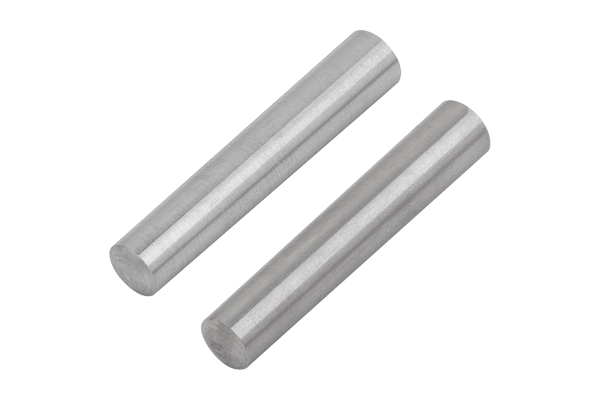
A dowel pin is a cylindrical pin used to locate components, maintain alignment, or resist relative movement. In a typical assembly, one or both mating holes are prepared to control the relationship between the pin and the parts.
Dowel pins are used in fixtures, machine components, gearboxes, tooling, molds, housings, hinges, and many other assemblies. Depending on the design, the pin may be fixed in one component and provide a slip or transition relationship with the mating component.
Important variables include:
- Nominal diameter and tolerance
- Hole size, roundness, and alignment
- Pin material and hardness
- Surface finish
- Chamfer, radius, or lead-in geometry
- Length and engagement
- Whether removal is expected
- Corrosion and temperature conditions
The phrase “dowel pin” does not by itself define the correct fit.
What Is a Taper Pin
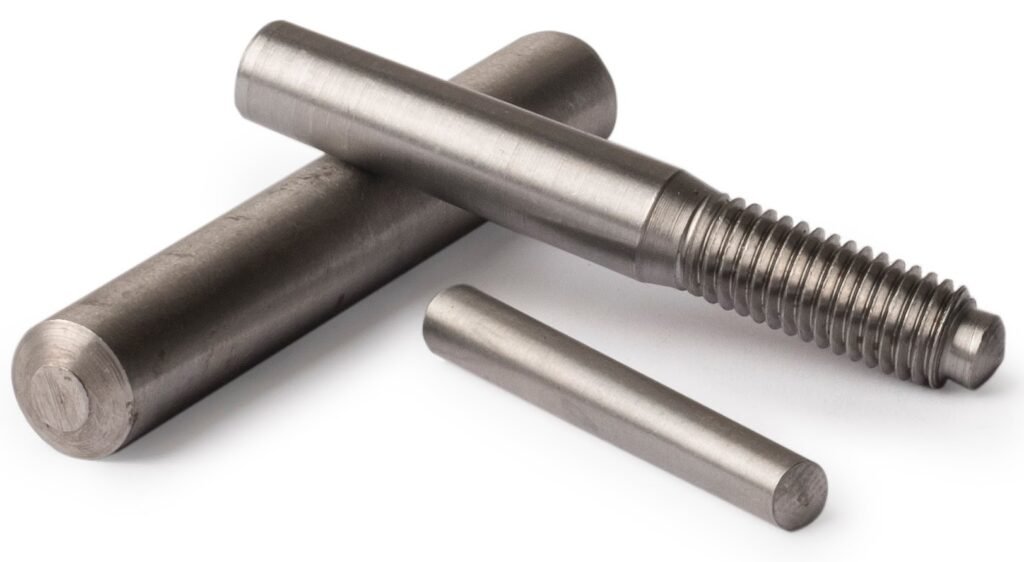
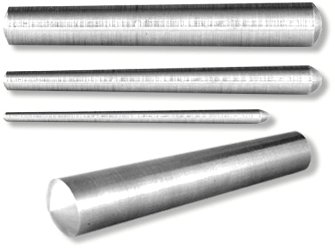
A taper pin has a conical body that seats in a matching tapered hole. As the pin is inserted, the mating surfaces develop contact along the taper. This can provide accurate location and mechanical retention when the hole and pin are correctly matched.
Taper pins may be used in levers, hubs, collars, linkages, machine assemblies, and components that need positive seating. Some designs include internal or external threads to assist installation or removal.
The drawing should specify:
- The governing standard or taper definition
- Large-end and small-end relationship
- Length
- Thread or extraction feature, if required
- Material and condition
- Surface treatment
- Seating direction and access for removal
Two parts that look similar can be incompatible if their taper definitions differ.
Alignment and Repeatability
Dowel pins are widely used when two parts must return to a repeatable cylindrical location. The result depends on hole position, hole size, pin tolerance, datum structure, and how the mating component is allowed to assemble.
A taper pin can also provide accurate location because continued insertion removes clearance until the surfaces seat. However, seating depth changes with the relationship between the pin and hole. The design must control how far the pin enters and whether repeated assembly can change the contact condition.
For service assemblies, consider whether maintenance technicians need the parts to return to the same position without special fitting work.
Hole Preparation
Hole preparation is one of the biggest differences between dowel and taper pins.
For a dowel pin, the process may include drilling followed by reaming, boring, grinding, or another finishing operation when tighter size and alignment control are required. Mating holes should be produced with the assembly datum structure in mind.
For a taper pin, the hole must match the specified taper. A simple straight drilled hole is not an acceptable substitute. The process may require staged drilling and taper reaming, followed by inspection of seating and contact.
In both cases, burrs, misalignment, surface damage, and poor entry geometry can prevent correct assembly.
Fit, Retention, and Load
A dowel pin can use interference, transition, or clearance relationships depending on which component retains the pin and whether disassembly is required. Excessive interference can distort the housing or damage the pin. Too much clearance can reduce location accuracy and create movement.
A taper pin develops retention as it seats. The wedging action can be useful, but it also means installation force and support must be controlled. Driving the pin too aggressively can damage the hole or surrounding component.
Neither pin should be selected only by diameter. Shear load, bending, bearing stress, edge distance, engagement, fatigue, vibration, and joint geometry require engineering review. A Machining lock pin may also require careful consideration of its fit, locking function, and dimensional tolerances within the joint.
Installation and Removal
Dowel Pin Installation
- Confirm the correct pin diameter, tolerance, material, and length.
- Align mating holes before applying installation force.
- Press the pin squarely and support the component near the hole.
- Protect the pin surface from impact damage.
- Verify final projection or seating depth.
Taper Pin Installation
- Confirm taper direction and correct size.
- Prepare and clean the matching tapered hole.
- Insert from the specified side.
- Seat using a controlled method appropriate for the assembly.
- Verify seating, contact, and final position.
Removal Planning
Removal should be considered during design, not after the equipment reaches service. Provide access to press or drive a pin out, or specify an extraction feature when appropriate. Repeated uncontrolled hammering can damage the pin, hole, and surrounding surfaces.
Can the Pins Be Reused
Reuse depends on the design, load history, surface condition, dimensional condition, and governing maintenance procedure. A pin should not be reused automatically because it appears undamaged.
Before reuse, inspect for:
- Wear, galling, scoring, or corrosion
- Bending or deformation
- Damaged threads or extraction features
- Loss of fit or seating contact
- Hole elongation or fretting
- Evidence of overload or fatigue
Safety-critical assemblies should follow the equipment manufacturer’s replacement requirements.
How to Choose Between a Dowel Pin and a Taper Pin
Choose a dowel-pin design when the assembly primarily needs repeatable cylindrical location, controlled fits, or straightforward integration with standard holes and fixtures.
Evaluate a taper-pin design when self-seating tapered contact, positive retention, or a specific legacy/standardized assembly requires it.
Then check:
- Can the required holes be manufactured and inspected accurately?
- Will the joint be assembled once or serviced repeatedly?
- Is removal access available?
- What loads act on the pin and surrounding material?
- Is corrosion, temperature, or contamination important?
- Which standard and tolerance system controls the design?
The final selection should be documented on the drawing rather than left to shop-floor interpretation.
RFQ Checklist for Precision Pins
Provide the following information when requesting a pin quotation:
- Pin type and applicable standard
- Drawing or controlled sample
- Diameter/taper, length, and end geometry
- Material and heat-treatment requirements
- Hardness and surface-finish requirements, if applicable
- Coating or passivation requirements
- Fit and mating-hole information
- Thread or extraction features
- Quantity and annual demand
- Inspection report, material certificate, and packaging requirements
Conclusion
The dowel pin vs taper pin decision is mainly about geometry, fit, assembly, and service requirements. Dowel pins provide cylindrical location through controlled pin-and-hole fits. Taper pins seat through matching conical surfaces and can provide positive location and retention.
Specify the hole, fit, material, standard, and removal method together. That prevents a small component from becoming a major source of assembly variation or maintenance difficulty.
Frequently Asked Questions
Is a taper pin the same as a dowel pin
No. A conventional dowel pin has a straight cylindrical body, while a taper pin has a conical body designed for a matching tapered hole.
Does a taper pin need a tapered hole
Yes. The hole must match the specified taper for the pin to seat correctly. The exact preparation method depends on the design and standard.
Should both dowel-pin holes use an interference fit
Not necessarily. Many assemblies retain the pin in one component and use a different fit in the mating component. The designer must specify the intended relationship.
What information is needed to replace an unknown pin
Identify the pin type, diameter or taper, length, end features, material, fit, seating direction, and applicable standard. Inspect the mating hole before ordering a replacement.