Evaluating the Role of Precision Pins in Industrial Assembly
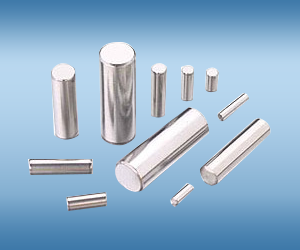
Modern industrial plants require exact alignment for heavy assembly processes. Structural components must align perfectly to prevent mechanical failure. High-precision manufacturing systems utilize specific fasteners for this task. Skilled engineers select specialized alignment components to secure mating parts. Specifically, precision pins provide the necessary shear resistance during high-speed operations. These cylindrical elements absorb lateral forces within heavy industrial gearboxes. Automated machinery requires reliable positioning to maintain optimal production speeds. Furthermore, accurate positioning reduces physical wear on expensive robotic arms. Manufacturing professionals observe fewer assembly errors when utilizing these hard steel fasteners. Consistent alignment secures long-term performance across complex factory conveyor networks. Heavy industrial equipment runs smoothly when critical joints remain fully stable. Proper dimensional control limits costly downtime during routine maintenance schedules.
Ensuring Component Alignment in High Stress Environments
Mechanical assemblies experience intense mechanical pressure during daily factory operations. Rotational forces constantly try to displace critical machine parts from their correct positions. Strong holding devices prevent lateral shifting and maintain exact spatial relationships. Hardened metal components resist structural deformation under severe vibrational stress. Consequently, production units maintain peak operating efficiency without unexpected stoppages. Factory managers prefer heavy-duty connectors to handle extreme torque spikes. Proper positioning prevents sudden shear fractures in critical connection points. Specialized internal structures distribute the operational load across multiple surface areas. Such balanced load distribution extends the functional lifespan of expensive industrial tools. Secure joints minimize microscopic vibrations that damage delicate automated instruments. Reliable mechanical fasteners stabilize complex gear setups under continuous heavy load.
Standardizing Material Specifications for Assemblies
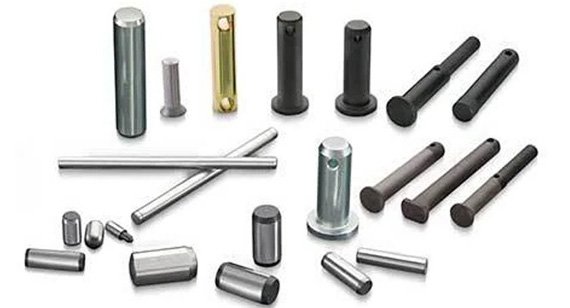
Selecting the correct alloy determines the ultimate durability of mechanical systems. Manufacturers utilize various metals to match specific environmental operating conditions. For instance, a corrosion-resistant stainless steel pin excels in humid marine settings. High-humidity packaging facilities also require these specialized rustproof fasteners to maintain sanitation. Alternatively, alloy steels like AISI 4140 offer incredible tensile strength for heavy machinery. Carbon steels serve well in dry factory environments where cost efficiency is crucial. Heat treatment processes increase surface hardness to resist continuous frictional wear. Standard carburizing techniques create a tough outer shell with a ductile inner core. Hardened dowel pins maintain their shape despite extreme physical impact. Quality production facilities choose materials based on strict operating temperature limits. Correct chemical composition prevents premature cracking under heavy operational loads.
| Material Grade | Hardness Standard | Primary Advantage | Typical B2B Application |
|---|---|---|---|
| AISI 52100 Steel | HRC 58 - 62 | High wear resistance | Automotive gearboxes |
| 316 Stainless Steel | HRB 95 max | Corrosion resistance | Marine and food processing |
| AISI 4140 Alloy | HRC 28 - 32 | High tensile strength | Heavy hydraulic equipment |
Analyzing Hardness and Material Specifications for Industrial Alignment Hardware
Such metallurgical data highlights how material selection directly influences mechanical performance. Heavy load systems demand AISI 52100 steel because of its superior wear characteristics. Conversely, food processing plants select stainless steel to prevent product contamination. Severe marine environments require maximum corrosion resistance over high tensile hardness. Proper heat treatment processes ensure that components do not deform under pressure. Engineers evaluate these mechanical limits before finalizing their assembly plant designs. Selecting the wrong material grade causes rapid mechanical wear and frequent downtime. Consequently, technical buyers must verify hardness ratings for every purchasing batch. Precise metallurgy ensures long-term operational safety in demanding assembly environments. Factory purchasing departments must coordinate with engineers to source correct specifications.
Key Applications of Precision Pins in Machinery
Various industrial sectors depend on high-quality mechanical components to secure operational safety. Heavy machinery operators use precision pins to keep critical tool parts properly aligned. For instance, automotive transmission systems require exact alignments to change gears smoothly. Robotic arm fabricators rely on these tight components to maintain consistent movement paths. In addition, injection molding facilities use them to align heavy mold plates. Medical equipment manufacturers require extreme spatial control for diagnostic surgical machines. Aviation construction demands specialized fasteners to resist structural shifts during turbulent flights. Agricultural machinery requires robust connectors to survive dusty outdoor harvesting environments. Each specific application requires unique dimensional configurations to ensure maximum machine reliability. Industrial operators lower maintenance costs by installing durable and accurate alignment parts.
- Automotive assembly lines (ensuring precise engine casing alignment)
- Aerospace electronics mounts (preventing vibration-induced damage)
- Industrial mold manufacturing (securing core and cavity alignments)
- Textile weaving machinery (maintaining accurate needle positionings)
Explaining Automotive and Aerospace Manufacturing Assembly Systems
Such a diverse list proves how essential exact locating units are across multiple industries. Automotive engines cannot function reliably without precise spatial controls during the assembly phase. Aerospace electronics also require solid mechanical support to protect delicate microchips from flight vibrations. Molding shops face significant financial losses if mold halves misalign by even one millimeter. Textile production stops instantly when high-speed needles deviate from their designed pathways. Therefore, factory managers establish strict quality standards for every small component they purchase. Purchasing agents look for trusted suppliers who offer fully verified manufacturing documentation. Standardizing mechanical specifications across different production departments reduces spare parts inventory costs. Reliable fastener sourcing ensures uninterrupted factory operations and protects expensive factory equipment. Superior components prevent minor assembly faults from escalating into major system breakdowns.
Analyzing Specialized Machining Processes and Custom Alignment Pins
Modern factories utilize highly advanced lathe systems to create custom fastening components. For special assembly setups, a dedicated machining lock pin ensures perfect rotational locking during operation. Operators utilize computer numerical control equipment to shape these hardened steel parts. Exact machine programming guarantees that every single piece meets the client’s specifications. Automated cooling fluids prevent thermal distortion while shaping the metal surface under high pressure. Experienced lathe technicians inspect each run to maintain extremely tight dimensional tolerances. Even minor heat variations during production can alter the final physical dimensions. Therefore, climate-controlled fabrication areas are standard among top-tier component manufacturers. Delivering high-quality mechanical products requires careful attention to every step of production. Industrial buyers demand certified production processes to ensure component durability under stressful environments.
| Tolerance Class | Size Limits (mm) | Fit Category | Machining Method |
|---|---|---|---|
| m6 | +0.004 to +0.012 | Press fit | Precision grinding |
| h6 | 0 to -0.008 | Slip fit | Centerless grinding |
| g6 | -0.005 to -0.014 | Clearance fit | Superfinishing |
Interpreting Machining Tolerance Classifications for Heavy Assemblies
Analyzing these specific grinding limits reveals how minor variations affect mechanical setups. Grinding machines must achieve exact micrometer dimensions to ensure standard fits. For example, press-fit assemblies require the slightly positive m6 tolerance band. Alternatively, slip-fit setups rely on the negative h6 range for easy manual insertion. Using incorrect tolerance classes during assembly causes heavy vibrational damage. Heavy machine operators avoid loose fits because they cause fast wear on joint connections. Conversely, overly tight fits create massive stress that can crack the housing metal. Certified testing ensures that every manufactured part matches its specified design drawing perfectly. Technicians utilize laser measurement devices to verify outer diameters before packaging. Plant managers rely on these precise dimensions to maintain high assembly speeds.
Exacting Dimensional Tolerances in Modern Mechanical Engineering
Tight dimensional controls dictate the success of complex heavy machinery setups. Standard industrial projects require precision pins that measure within a few micrometers. Any slight deviation from the specified limits will cause alignment failure during final assembly. Engineers calculate structural loads carefully to choose the correct pin fit class. For instance, high-speed gear configurations require tight m6 limits to prevent slipping. Conversely, basic structural brackets utilize looser h6 specifications to simplify assembly steps. High-precision fabricators use centerless grinding machinery to achieve these demanding sizes. Consistent dimensional control limits mechanical vibration under fast-moving industrial operations. Consequently, equipment lifespans increase dramatically when operators use perfectly matching hardware. Sourcing standardized metal parts ensures consistent quality across large manufacturing factories.
Establishing Strict Quality Control Standards for Fastener Calibration
Reliable manufacturing setups depend on strict quality assurance methods during fabrication. Testing facilities measure precision pins using advanced coordinate measuring machines for dimensional verification. Technicians check the outer surface finish using digital roughness testers before shipping. Furthermore, metallurgical labs conduct hardness tests to confirm proper core steel strength. Quality control teams immediately discard components failing these high-standard checks. Certified documentation proves that every single part meets current international quality benchmarks. Mechanical buyers trust suppliers who offer complete test records for every single batch. Such proactive verification process minimizes structural safety risks across complex assembly plants. Installing fully certified hardware prevents catastrophic machine damage under high-load operating conditions. Plant supervisors achieve maximum uptime by utilizing only thoroughly inspected structural fasteners.
FAQ
How do manufacturers select the right material for alignment dowels?
Environmental factors determine the proper material selection for industrial applications. Technicians analyze corrosion risks and temperature extremes before placing orders. Stainless steel offers excellent protection against rust in humid facilities. Alternatively, alloy steel provides superior load-bearing capacity for heavy gearboxes. Heat treatment increases surface hardness to resist daily mechanical friction. Buyers choose materials based on expected structural wear patterns. Furthermore, manufacturing standards like ISO regulations direct the choosing process. Correct materials prevent rapid component degradation during continuous plant operations. Matching steel grades ensures long-term system durability. Selecting high-quality alloys lowers maintenance costs over multi-year cycles.
What is the difference between standard and customized locating pins?
Standard fasteners conform to universal dimensional regulations like DIN specifications. These standard units are readily available for immediate factory delivery. Conversely, customized options feature unique lengths and specific chamfer angles. Engineering teams design custom fittings for highly specialized machinery setups. Specialized production lines require non-standard diameters to fit unique gearboxes. Tooling shops manufacture custom orders using specific high-grade metal alloys. Consequently, customized parts carry higher initial manufacturing costs and lead times. Choosing standard units saves money for basic high-volume assemblies. Unique setups demand custom designs to avoid critical mechanical play. Buyers balance cost limits against physical performance requirements. Selecting proper configurations prevents operating mismatches in large factories.
Why do aerospace standards demand specific slip fit configurations?
Aviation regulations require strict fit tolerances to guarantee flight safety. Components experience massive temperature fluctuations and pressure shifts during high-altitude travel. Thermal expansion causes metal parts to grow or shrink slightly. Slip-fit designs accommodate these structural changes without causing component locking. Furthermore, maintenance crews must dismantle aircraft sections easily during safety checks. Forced press-fits would damage delicate aerospace materials during disassembly procedures. Exact machining prevents micro-movements from compromising critical instrument bays. Consequently, flight safety authorities verify compliance with strict tolerance standards. Aircraft manufacturers utilize certified components to pass demanding governmental audits. High-quality fasteners secure critical electronic mounts throughout turbulent flights.