Industrial Factors in Plum Coupling Spider Selection
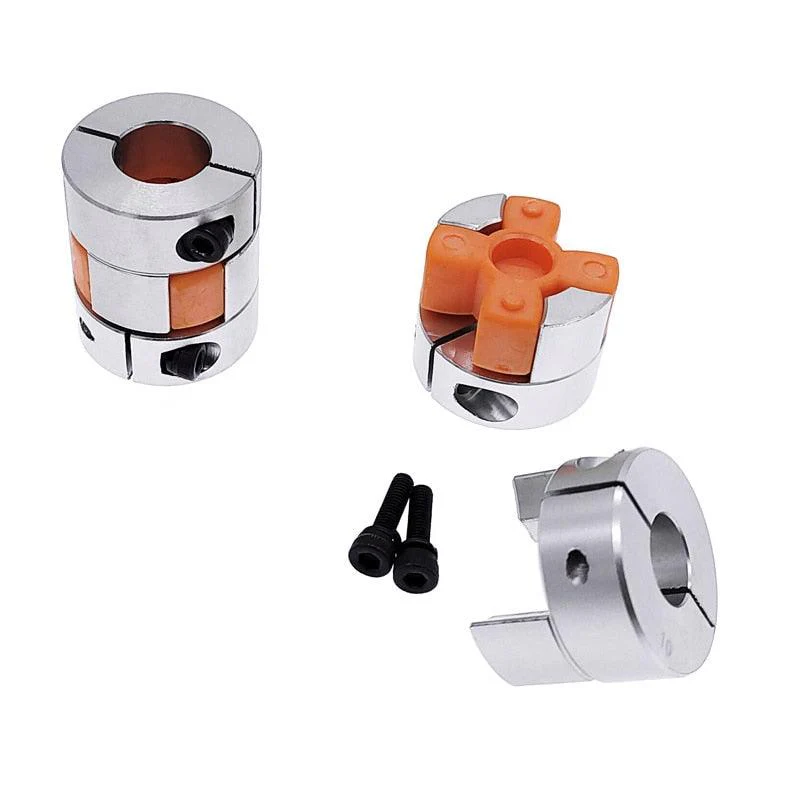
Mechanical engineers face complex challenges when designing industrial power transmission setups. Correct elastomer choice directly affects overall operational reliability. Proper Plum Coupling Spider Selection ensures peak mechanical performance under high load conditions. Incorrect components lead to premature structural failure and expensive unscheduled downtime. Highly specialized machinery requires specific Shore hardness ratings to manage harmonic resonance. Severe torsional vibration can quickly destroy connected shafts without adequate elastomeric dampening. Dynamic high-torque systems need resilient polyurethane materials to maintain crucial torsional stiffness. Procurement managers must evaluate several key operational parameters before finalizing their orders. Experienced technical teams analyze these factors to prevent premature fatigue in heavy machinery. Careful analysis guarantees that the system achieves maximum efficiency during continuous plant operations. Various industrial applications require customized technical approaches to ensure complete coupling safety.
Evaluating Torque Calculations and System Capabilities
Engineers must calculate both nominal torque and peak torque before selecting any elastomer insert. Heavy industrial machinery often generates high shock loads during startup sequences. Standard motor specifications rarely reflect these extreme transient forces accurately. A specialized stainless steel torque rating coupling handles corrosive food processing environments effectively. Such hardware prevents contamination while delivering clean power to critical production lines. Elastomeric spiders absorb these sudden load spikes to protect expensive gearbox components. Choosing the wrong elastomeric hardness will cause rapid wear under heavy torsional stress. Plant managers should match the spider elastomer to their specific motor outputs. Correct torque alignment minimizes maintenance intervals and extends system longevity significantly. This balanced approach protects capital investments in automated factory environments.
Rotational Speeds and Operational Dynamics
High rotational speeds introduce significant centrifugal forces into power transmission assemblies. Dynamic balancing becomes crucial when motor shafts exceed several thousand revolutions per minute. Unbalanced components cause heavy vibrations that degrade elastomeric spiders very quickly. Partnering with a reliable shaft coupling torque coupling OEM/ODM ensures precise manufacturing standards. Professional manufacturers utilize advanced CNC machinery to maintain tight tolerances on every jaw. This precision helps sustain structural integrity under demanding high-speed conditions. Engineers must execute a meticulous Plum Coupling Spider Selection to prevent dynamic failure. Selecting lightweight materials like premium polyurethane reduces rotational mass on critical shafts. Proper material density maintains balanced operation across wide velocity profiles. These considerations protect sensitive electronic sensors from harmful high-frequency vibrations.
Mitigating Severe Shaft Alignment Issues
Perfect physical alignment between two shafts remains nearly impossible in factory settings. Normal thermal expansion causes machinery to shift slightly during extended production cycles. Heavy physical loads also flex mounting brackets and introduce minor angular misalignment. Elastomeric spiders compensate for these inevitable movements through material deflection. High-quality inserts accommodate radial, axial, and angular shaft displacement simultaneously. This flexibility prevents excessive reaction forces from damaging sensitive electric motor bearings. Standard rubber inserts wear out faster when coping with constant angular offsets. Tougher polyurethane materials withstand repeated flexing without developing micro-cracks over time. Maintenance teams should measure misalignment using precise laser tools before startup. Minimizing physical offsets maximizes the operational lifetime of all connected components.
| Spider Material | Shore Hardness | Torque Capacity | Damping Ratio | Best Application |
|---|---|---|---|---|
| Yellow Polyurethane | 92 Shore A | Medium | High | Standard Electric Motors |
| Red Polyurethane | 98 Shore A | High | Medium | Positioning Systems |
| Green Polyurethane | 64 Shore D | Very High | Low | Heavy Duty Actuators |
Analyzing Elastic Shore Hardness Specifications
The data reveals distinct mechanical trade-offs between different elastomer hardness levels. Yellow spiders prioritize vibrational dampening at the expense of absolute load capacity. Red inserts strike an excellent balance for general high-performance motion control systems. Green spiders offer maximum stiffness but transmit more shock loads through the shafts. Consequently, appropriate Plum Coupling Spider Selection requires analyzing these material profiles against load demands. Choosing higher Shore hardness values reduces the overall misalignment capability of the coupling. Plant engineers must verify that their chosen elastomer matches the system dynamics. Proper compatibility assessments prevent premature component cracking in continuous manufacturing environments. Utilizing this structured comparison guarantees long-term durability under varying load conditions. Procurement specialists can confidently request specific shore ratings based on these performance metrics.
| Elastomer Material | Min Temp (°C) | Max Temp (°C) | Chemical Resistance | Relative Cost |
|---|---|---|---|---|
| Polyurethane (TPU) | -30 | +90 | Good (Oils/Grease) | Standard |
| Hytrel (TPE) | -50 | +120 | Excellent (Acids) | Premium |
| Nitrile Rubber (NBR) | -40 | +100 | Moderate | Low |
Interpreting Temperature Limits and Materials
Environmental factors play a massive role in the overall lifespan of elastomer inserts. Extreme hot or cold temperatures alter the physical properties of polyurethane compounds. Low temperatures make elastomer materials brittle and highly susceptible to cracking under load. High heat softens the insert, which drastically reduces the maximum torque capacity. Nitrile rubber offers a reliable standard for moderately hot oil environments. Specialized Hytrel alternatives provide superior thermal ranges for heavy industrial process ovens. Selecting a chemically incompatible material leads to rapid swelling and structural disintegration. Moisture levels can also degrade specific ester-based polyurethanes through chemical hydrolysis. Engineers should evaluate ambient chemical exposure thoroughly before specifying final coupling bill of materials. Taking these precautions avoids premature part failures in harsh outdoor factory installations.
Physical Wear: Check the spider legs for visual deformation or micro-cracks.
Play Check: Test the coupling manually to detect any excessive rotational backlash.
Chemical Inspection: Examine the elastomer surface for swelling, discoloration, or melting.
Temperature Audit: Measure the coupling hub temperature using an infrared laser thermometer.
Alignment Verification: Check radial and angular shaft offsets using precision laser indicators.
Executing Precise Maintenance Inspections
Regular physical maintenance prevents unexpected system downtime and extends machinery service lifespans. Inspections should follow a structured approach to identify microscopic elastomer degradation early. Technicians must check for dynamic backlash during every scheduled factory maintenance window. Swelling or discoloration indicates that chemical contamination is affecting the coupling assembly. Excessive operating heat suggests that the elastomer is too soft for the load. Replacing worn parts promptly protects connected motor shafts from costly catastrophic fatigue. Proper Plum Coupling Spider Selection remains critical during the replacement phase to maintain original performance. Plant operators must always source exact dimensional replacements from certified industrial suppliers. Adhering to these strict maintenance procedures ensures maximum reliability across all factory production lines. Consistent monitoring guarantees that manufacturing operations run smoothly without expensive mechanical disruptions.
A Systematic Approach to Plum Coupling Spider Selection
Achieving high rotational accuracy requires a thorough analysis of all operating parameters. Industrial systems require components that balance dynamic stiffness with sufficient vibration dampening. Executing a correct Plum Coupling Spider Selection guarantees that the coupling survives high fatigue environments. Machinery operators must prioritize quality materials to prevent unexpected shear failures. Sourcing components from reputable vendors minimizes the risk of receiving sub-standard industrial elastomers. These premium components maintain their chemical and physical profiles under grueling workshop conditions. Factory floor managers should consult factory engineers to confirm specific application demands. Comprehensive design reviews help choose the ideal spider shape for narrow mounting spaces. Following these recommendations ensures smooth mechanical operations throughout the lifetime of the equipment. Ultimate system performance depends heavily on matching these operational parameters with exact manufacturer specifications.
FAQ
What is the difference between red and yellow plum coupling spiders?
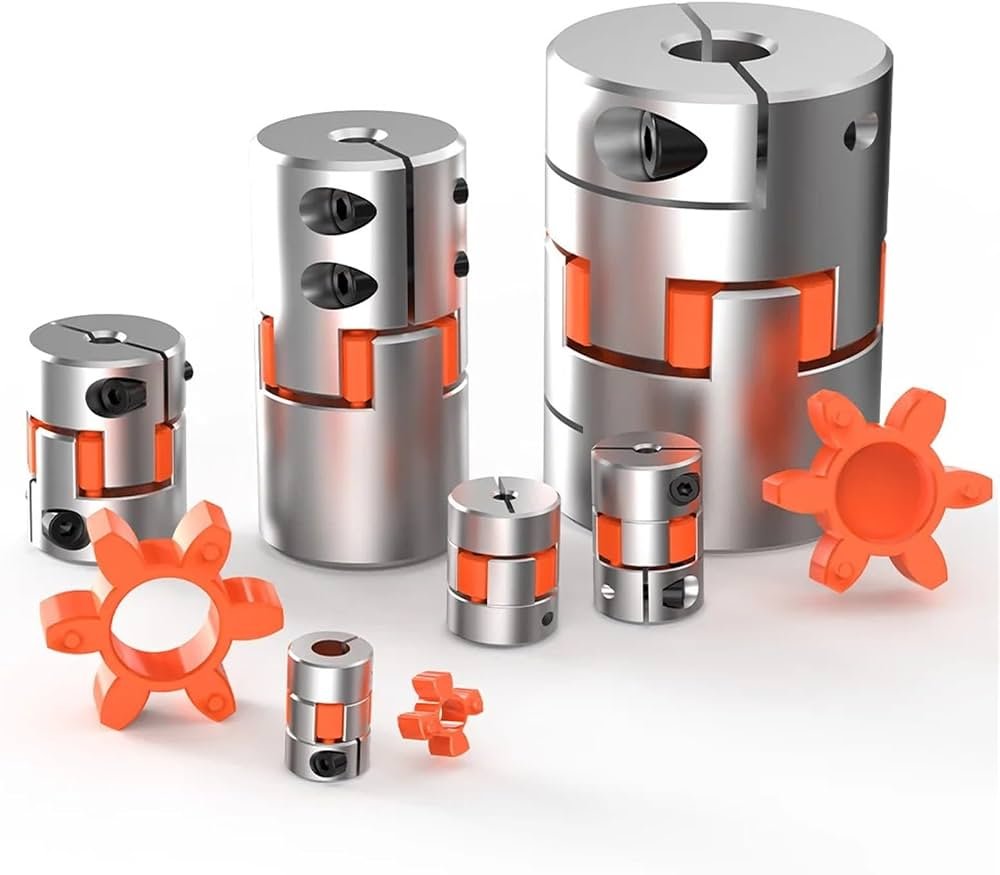
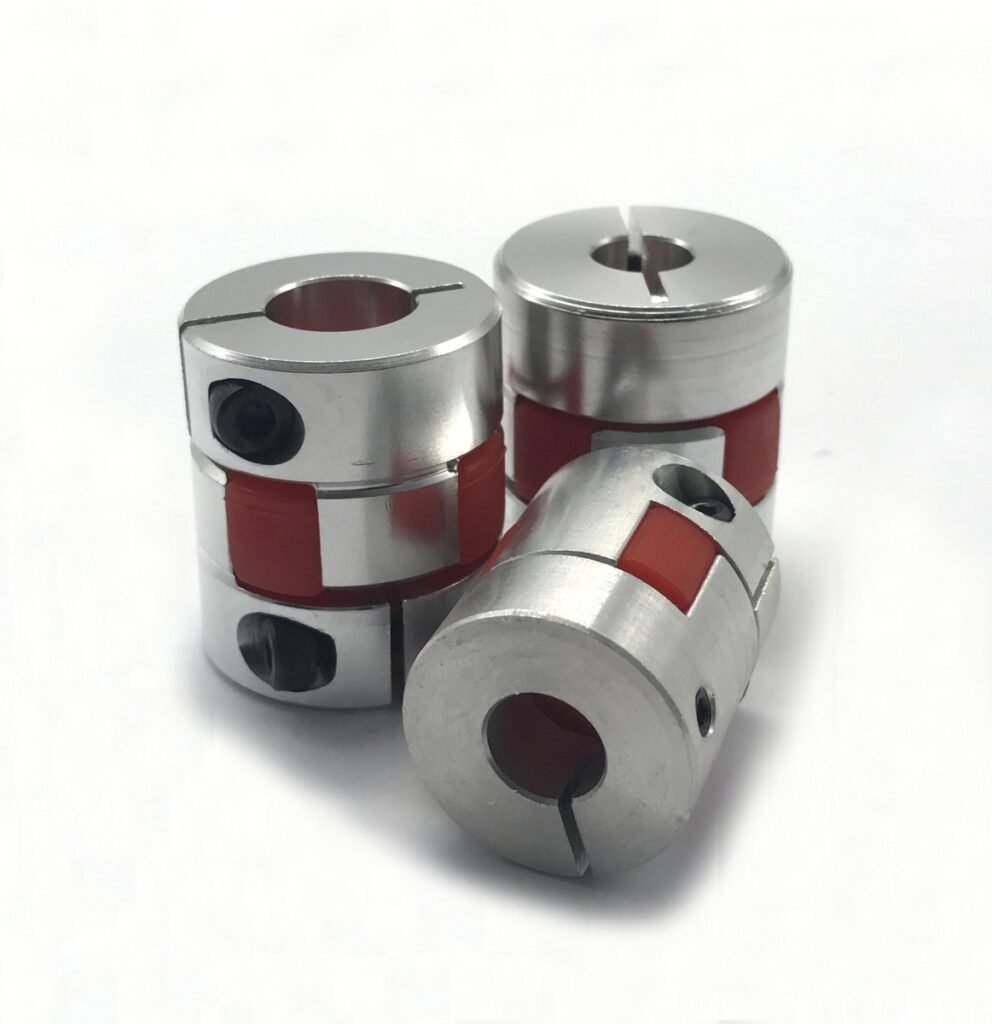
Yellow polyurethane spiders feature a hardness rating of 92 Shore A. This softer material prioritizes high shock absorption and vibration dampening. Such attributes protect sensitive machinery from damaging mechanical harmonics. Red polyurethane spiders possess a harder rating of 98 Shore A. Harder materials provide greater torsional stiffness and higher torque limits. These rigid inserts work perfectly for high-precision CNC equipment. However, they offer less compensation for physical shaft misalignments. Selecting the yellow version is better for high-vibration motors. Choosing the red version is optimal for precise positioning systems. Engineers should evaluate their dynamic requirements before selecting a specific spider color. Proper technical evaluation ensures that the entire power transmission assembly remains functional. This strategic choice reduces long-term maintenance costs significantly.
How often should you replace a jaw coupling elastic insert?
Maintenance teams usually replace standard elastomer inserts every two to three years of continuous operation. Harsh operating conditions often shorten this typical operational lifespan considerably. High ambient temperatures degrade polyurethane structures and cause premature hardening. Chemical exposure or constant oil contact also accelerates physical breakdown. Technicians should inspect the elastomer elements during routine plant shutdowns. Visual signs of wear include deep cracks, missing chunks, or visible deformation. Operational signs include increased system noise and dynamic rotational backlash. Installing new spiders promptly protects expensive motor components from major failure. Regular maintenance schedules ensure that operations proceed without unexpected mechanical breakdowns. Keeping spare inserts on site reduces emergency downtime during busy production periods. Efficient spare parts management guarantees rapid recovery whenever unexpected mechanical failures happen.
Can polyurethane spiders withstand high chemical exposure?
Standard polyurethane spiders perform remarkably well against lubricants, greases, and mineral oils. However, exposure to strong acids or polar solvents triggers rapid material decomposition. These aggressive agents cause the elastomer to swell and lose structural strength. Moisture can also degrade ester-based polyurethane compounds through chemical hydrolysis. Chemical processing plants should consider alternative materials for extremely harsh environments. Nitrile rubber offers superior resistance to petrochemical solvents in industrial settings. Alternatively, high-performance fluorine elastomers withstand aggressive chemical mixtures at elevated temperatures. Sourcing correct material formulations prevents unexpected coupling failures on the chemical production floor. Technical consultation with suppliers clarifies specific chemical compatibility risks prior to installation. Implementing correct choices guarantees safe power transmission in corrosive factory atmospheres.