The Critical Role of a Custom Coupling Manufacturer
Industrial power transmission systems require precise mechanical connections. Standard components often fail under extreme operational stress. Therefore, selecting a capable custom coupling manufacturer becomes a vital business decision. Specialized production units ensure optimal torque transmission. High-speed applications demand balanced components to prevent catastrophic system damage. Expert engineering teams design these units to absorb heavy shock loads. Proper alignment reduces wear on bearings and connected machinery. Modern industries depend on tailored solutions for unique space constraints. Quality components extend the lifespan of expensive industrial drive shafts. This strategic sourcing process directly impacts overall factory productivity. Reliable suppliers provide necessary technical documentation for all custom projects. Experienced partners deliver exceptional value through advanced mechanical design capabilities.
Evaluating Engineering Expertise in Bespoke Coupling Design
Mechanical designers must evaluate the technical capabilities of potential suppliers. Competent firms utilize advanced finite element analysis to simulate real-world stress. These computer simulations identify potential fatigue points before physical manufacturing begins. Engineers carefully calculate dynamic torque capacities to prevent premature shearing during operation. Torsional stiffness requirements dictate the final geometry of each bespoke component. Clients should request detailed engineering drawings to verify exact dimensional tolerances. Correct dimensional layouts prevent installation errors on the assembly floor. Certified experts choose optimal raw materials for demanding environmental conditions. Superior design methodologies guarantee long-term reliability in heavy-duty machinery. Technical teams collaborate closely to address critical speed limitations and vibration damping. Progressive partners invest heavily in modern 3D modeling software.
Assessing Materials and Heat Treatment Standards
Selecting premium raw materials forms the foundation of durable connection systems. Manufacturers often utilize high-strength alloys like AISI 4140 for intense industrial applications. Specialized environments might require a Stainless steel torque rating coupling to resist severe chemical corrosion. This specific component configuration maintains structural integrity under extreme operating pressures. Carbon steel variations require precise induction hardening to increase surface wear resistance. Heat treatment processes determine the ultimate yield strength of metal components. Quality control specialists perform hardness tests to verify metallurgical specifications. Incorrect tempering leads to brittle failures during sudden load spikes. Professional metallurgical laboratories analyze grain structures to guarantee material uniformity. Careful material vetting protects heavy machinery from unexpected downtime. High-performance couplings sustain mechanical integrity during continuous duty cycles.
Machining Standards of a Bespoke Coupling Producer
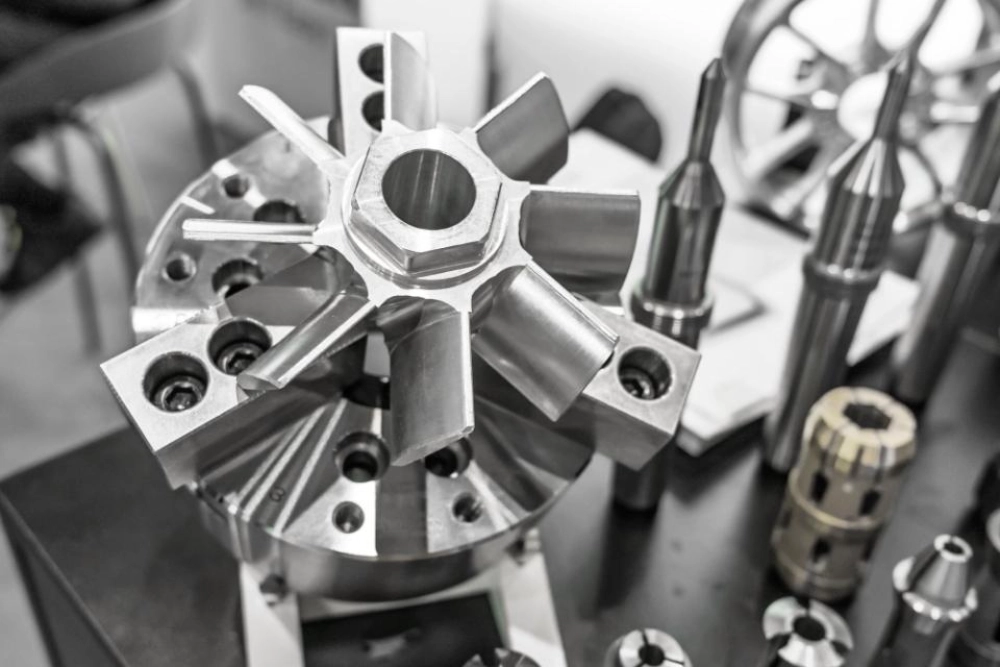
Modern production facilities rely on advanced machinery to achieve tight tolerances. Multi-axis CNC milling centers produce complex geometries with incredible spatial accuracy. Skilled operators program these computerized machines to eliminate human measurement errors. A premier custom coupling manufacturer utilizes automated gear hobbing for precise spline profiles. Grinding equipment refines critical mating surfaces to minimize axial runout. Laser marking systems engrave unique serial numbers for component traceability. Dynamic balancing machines spin completed parts to detect minute weight distribution imbalances. Removing tiny amounts of material ensures smooth operation at elevated speeds. Advanced machining centers handle exotic metals with equal precision. Investing in state-of-the-art tooling directly improves manufacturing consistency. Procurement managers should tour facilities to inspect these production systems firsthand.
Verifying Quality Management and Testing Protocols
Strict quality control prevents expensive equipment failures in industrial plants. Leading production facilities maintain certified ISO 9001 quality management systems. Inspectors utilize coordinate measuring machines to verify tight spatial dimensional parameters. Non-destructive testing methods locate internal material defects before shipment. Magnetic particle inspection reveals microscopic surface cracks in high-stress areas. Partners looking for a shaft coupling torque coupling OEM/ODM demand robust performance verification. Engineers subject finished components to extreme torsional testing on specialized dyno rigs. These tests measure precise torsional deflection under sudden overload conditions. Detailed test documentation accompanies every completed production batch to guarantee safety. Quality assurance managers sign off on final inspection reports prior to packaging. Reliable verification protocols build immense trust between industrial business entities.
Technical Comparison of Custom Coupling Types
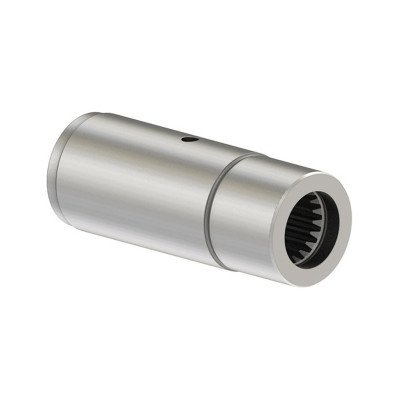
| Coupling Type | Torque Capacity | Misalignment Tolerance | Damping Ability |
|---|---|---|---|
| Gear Coupling | Very High | Low to Medium | Low |
| Disc Coupling | High | Medium | None |
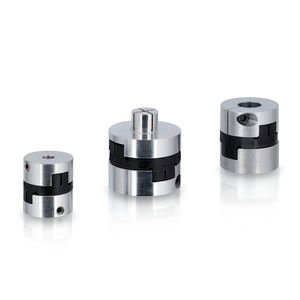
| Elastomeric Coupling | Medium | High | Very High |
Decoding the Coupling Comparison Matrix
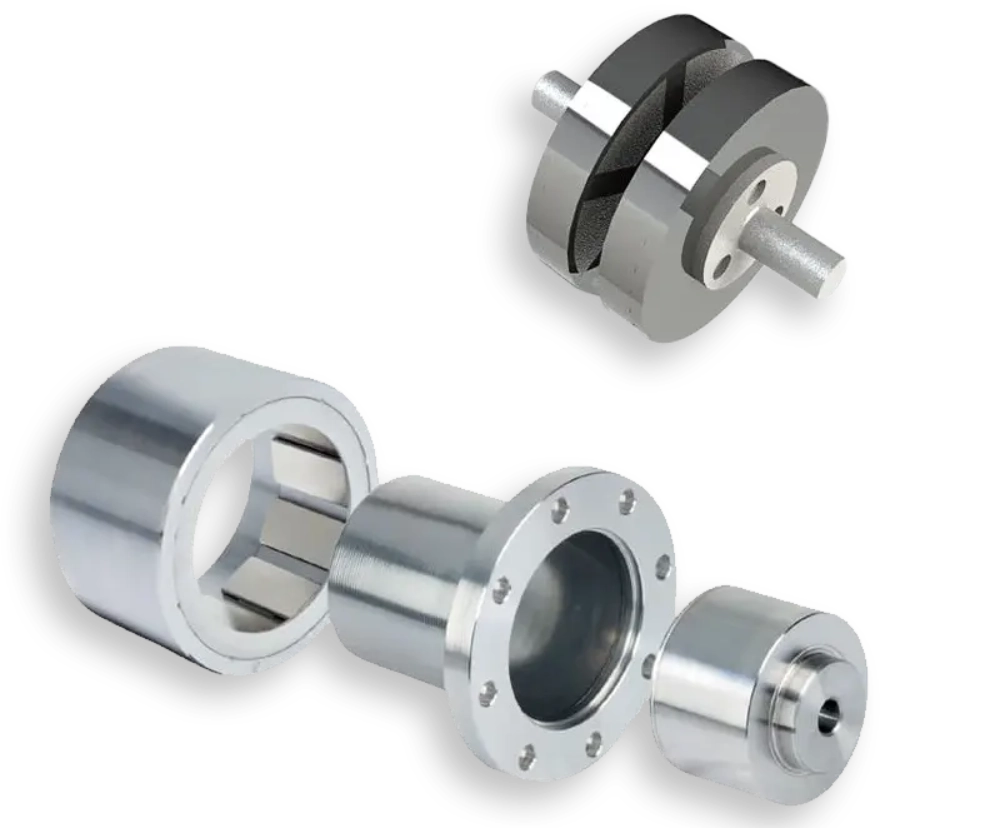
Selecting the correct component design requires careful evaluation of technical performance metrics. Heavy gear systems deliver superior load capacity but offer minimal torsional damping. Disc systems provide high rotational speed capabilities and zero backlash performance. Elastomeric options absorb heavy shocks and isolate severe vibrations effectively. Each application demands unique stiffness qualities to protect sensitive motor systems. Working with a dedicated custom coupling manufacturer clarifies these critical design trade-offs. Application engineers analyze system requirements to suggest the ideal connection mechanism. They evaluate speed, torque, misalignment, and ambient environmental conditions. Proper choices prevent premature component wear and costly machinery downtime. Using incorrect styles often leads to catastrophic mechanical failure under pressure. Expert guidance ensures optimal machinery performance across all production departments.
Evaluation Metrics for Tailored Coupling Selection
| Material Type | Yield Strength (MPa) | Corrosion Resistance | Relative Cost |
|---|---|---|---|
| AISI 1045 Steel | 310 | Low | Low |
| AISI 4140 Alloy | 415 | Medium | Medium |
| 316 Stainless Steel | 290 | Very High | High |
Analyzing Metallurgical Choices for Power Transmission
Material performance characteristics directly determine the lifespan of critical mechanical assemblies. Carbon steel provides an excellent baseline for standard factory machinery. High-strength alloys withstand much larger rotational shock forces during sudden starts. Special 316 grade alloys resist harsh chemical washes in cleanroom environments. However, stainless variations carry higher raw material cost factors. Balancing performance requirements against budget limits requires deep material science experience. A trustworthy custom coupling manufacturer helps select the optimal metal for your environment. They analyze operating temperatures, chemical exposure, and mechanical load profiles. Qualified engineers direct clients toward cost-effective metallurgy without sacrificing safety. Precise material selection prevents sudden shearing failures in the field. Procurement teams should consult material tables to make informed design decisions. Efficient metal selection maximizes the return on investment for machinery.
Audit Standards for Supplier Selection
Verification of ISO 9001 quality certificates
Review of in-house testing equipment capacities
Evaluation of raw material traceability documentation
Assessment of prototyping lead times
Analysis of engineering support availability
Executing the Supplier Evaluation Strategy
Successful supplier audits require systematic verification of key production benchmarks. Industrial buyers must inspect quality management certificates to ensure manufacturing consistency. In-house testing capabilities prove that a supplier can verify tight dimensional tolerances.Material traceability reports guarantee the authenticity of critical high-strength alloys. Prototyping speeds determine how fast development teams can test new machinery components. Engineering support plays a vital role during initial product installation and setup phases. Competent partners offer direct access to their mechanical design specialists. Clear communication channels reduce development friction and eliminate engineering errors.
Partnering with Your Custom Coupling Manufacturer
Establishing a strong commercial partnership guarantees long-term machinery uptime. Dedicated suppliers adapt quickly to evolving industrial design requirements. They deliver custom solutions that standard off-the-shelf components simply cannot match. Advanced manufacturing capabilities satisfy your specific mechanical tolerance requirements. Experienced engineers provide continuous technical assistance during the entire project lifecycle. Collaborative product development reduces prototyping costs and speeds up market entry. Premium connections protect high-value motors and expensive gearbox assemblies. Investing time in partner selection pays massive dividends in operational efficiency. Trustworthy engineering support ensures seamless integration into existing industrial systems. Procurement specialists prioritize reliability and engineering capability over cheap upfront unit costs. Successful companies build their growth on solid mechanical foundations. Reliable drive systems empower modern factories to hit aggressive output goals.
FAQ
What materials are standard for custom couplings?
Industrial systems rely on diverse metals to handle mechanical loads. Carbon steel serves as the baseline for general factory applications. High-torque machinery requires alloy steel options like AISI 4140. Corrosion-heavy environments demand stainless steel grades to prevent rusting. Lightweight projects utilize high-strength aluminum alloys. A reliable custom coupling manufacturer helps select the optimal material. They analyze operating speeds, chemical exposure, and temperature fluctuations. Expert engineers perform metallurgical tests to verify strength specifications. Proper material selection ensures long-term system safety. Correct choices eliminate the risk of sudden mechanical failure. Qualified technicians supply full material test reports for every batch.
How long does the manufacturing process take?
Production timelines vary based on design complexity and material availability. Standard custom projects require four to six weeks from design approval. Initial engineering reviews take approximately three to five business days. Prototyping stages add another two weeks for testing and evaluation. Machining complex geometries requires dedicated setup time on CNC systems. Raw material sourcing sometimes extends lead times for exotic alloys. Modern manufacturing facilities prioritize rush orders for critical plant shutdowns. Clear engineering drawings accelerate the entire production cycle. Efficient communication helps resolve technical questions quickly. Planning ahead guarantees timely delivery of critical industrial drive components.
Can custom couplings handle high misalignment?
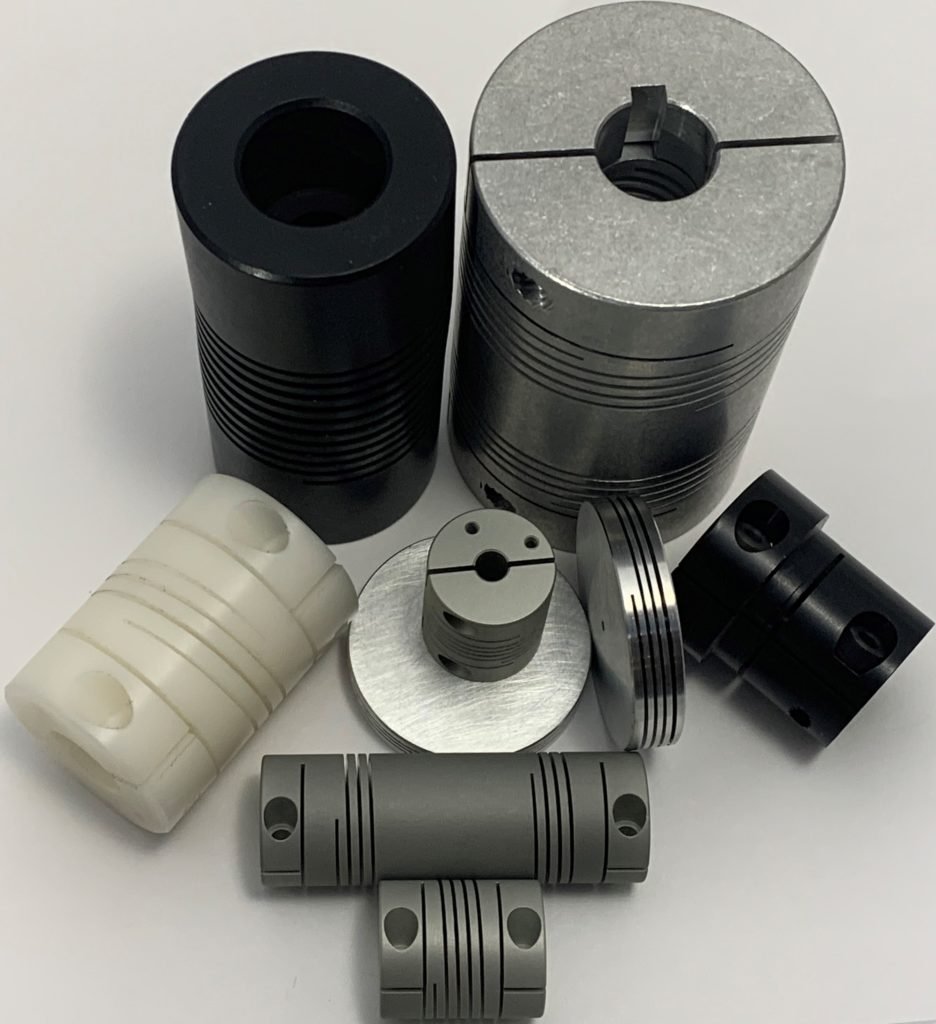
Specific coupling designs accommodate varying degrees of shaft misalignment. Gear and double-disc designs manage significant angular and parallel offsets. Elastomeric components absorb severe parallel misalignment while reducing mechanical vibration. Rigid designs provide zero tolerance for alignment errors during operation. Using incorrect components leads to rapid bearing wear and machinery damage. Engineers must calculate precise offset values before selecting a connection design. Laser alignment tools verify correct installation positions on the factory floor. Proper configuration extends the operating life of connected transmission systems. Custom modifications resolve extreme spatial offset challenges in heavy industry. Dynamic testing confirms alignment tolerances under full load conditions.