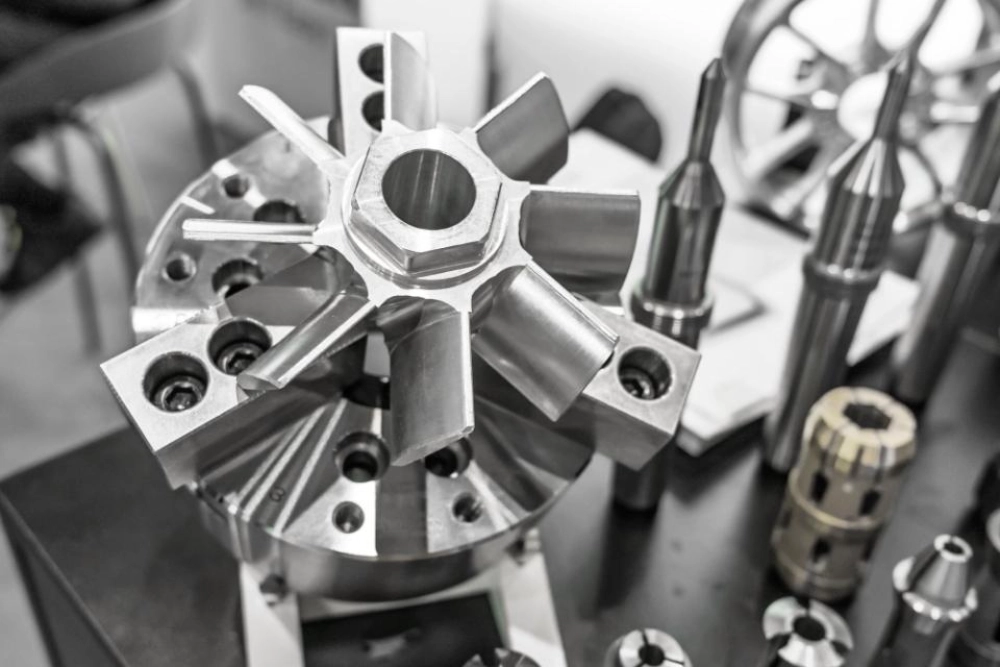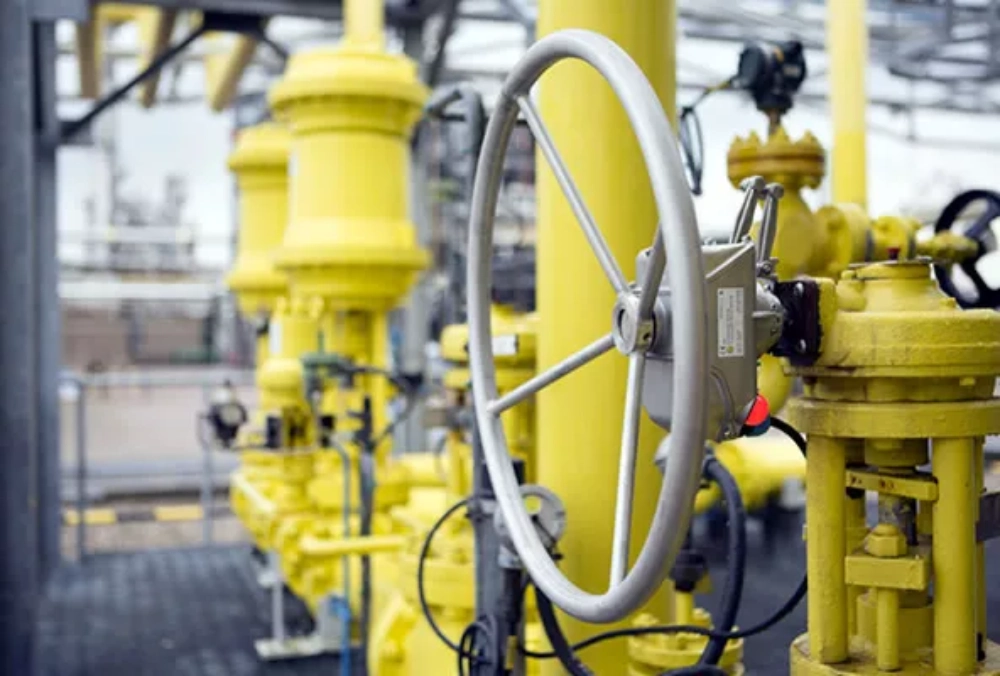
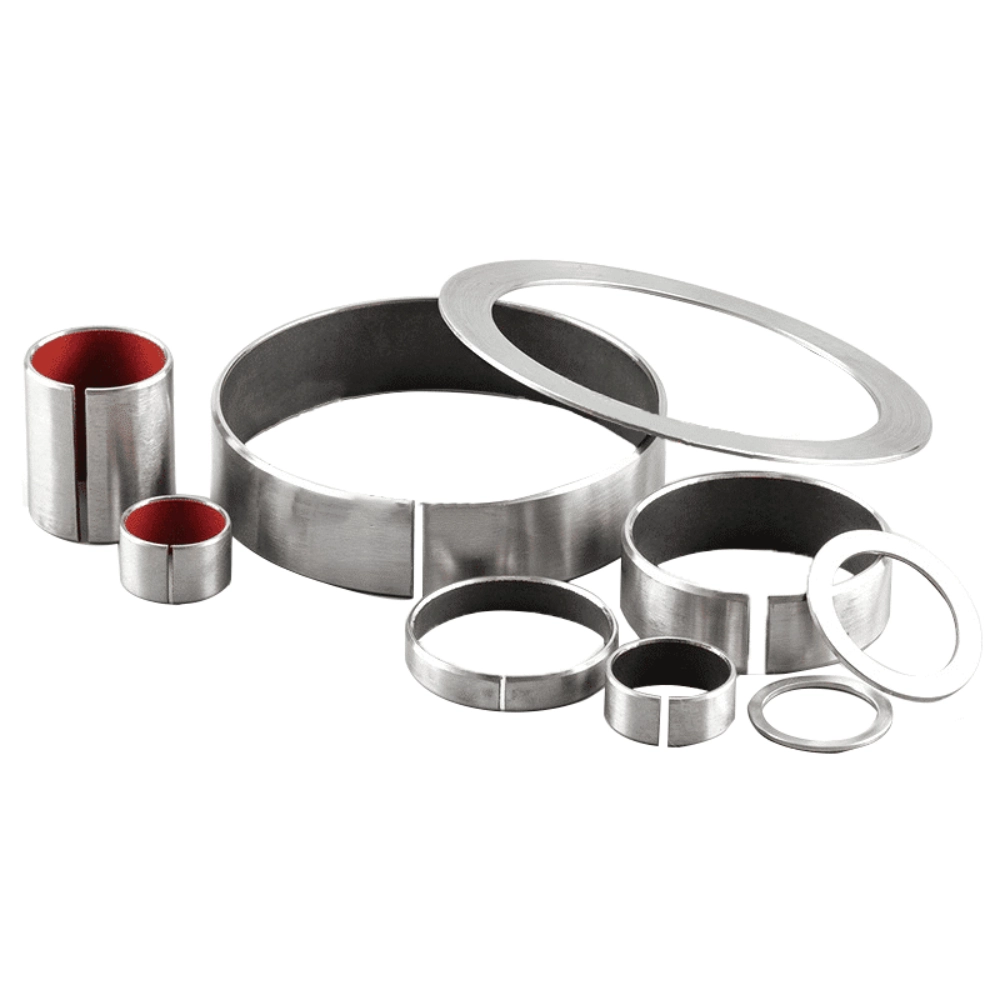
Stainless steel bushings perform reliably in continuous motion systems used across heavy machinery and automated production lines. Their durability depends on load balance, shaft alignment, and lubrication stability during long operating cycles. Engineers often select these components for conveyor drives and rotating assemblies that require stable geometry under repeated stress. Mechanical friction remains controlled when surface finishing is precise and installation accuracy is maintained. Temperature variation also affects long-term stability, especially in enclosed housings with limited airflow.
In practical industrial environments, fatigue resistance is a key performance indicator. The structure maintains shape under repetitive radial loading without rapid deformation. Contaminant exposure is another factor influencing wear behavior. Dust and micro-particles can increase abrasion if sealing systems are not properly designed. With correct maintenance practices, these components deliver consistent operational behavior across extended service periods in demanding mechanical systems environments.
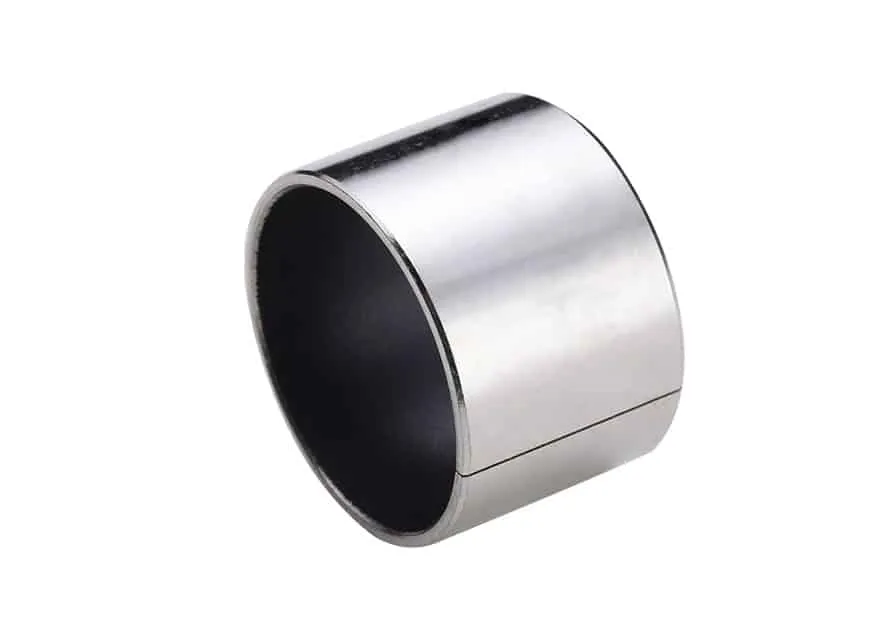
Corrosion resistance of stainless steel bushings in harsh environments
Stainless steel bushings show strong resistance to oxidation in humid, coastal, and chemically active environments. Chromium content forms a passive protective layer that reduces surface degradation. This layer regenerates when exposed to oxygen, which enhances long-term reliability. Marine equipment and outdoor industrial machinery benefit significantly from this corrosion resistance mechanism.
Salt spray exposure tests confirm slower degradation compared with carbon-based alloys. Acidic atmospheres in processing plants also have limited impact on surface stability. Even under continuous moisture cycles, structural integrity remains stable when sealing systems are properly designed. Lubrication compatibility further supports corrosion control by reducing direct metal exposure.
Temperature fluctuations do not significantly weaken performance when material selection is appropriate. Proper grade selection ensures stable operation in environments where both humidity and chemical exposure are present simultaneously.
Material composition and performance factors of stainless steel bushings
Material composition directly determines mechanical behavior in stainless steel bushings used in industrial systems. Common grades include 304 and 316 stainless steel, each offering different corrosion and strength balances. Grade 316 performs better in chloride-rich environments due to molybdenum content, while 304 remains widely used in general machinery.
Microstructure stability improves resistance to deformation during cyclic loading. Controlled grain refinement reduces internal stress concentration and enhances fatigue resistance. Hardness levels also influence friction behavior between shaft and housing interfaces. Excessively high hardness can increase shaft wear, while lower hardness may accelerate surface deformation.
An industrial stainless steel bushing is often selected when engineers require stable dimensional control under long-term load exposure. Heat treatment processes further optimize performance by balancing toughness and wear resistance. These material factors collectively define service reliability in precision mechanical assemblies.
| Material Type | Corrosion Resistance | Wear Resistance | Service Life |
|---|---|---|---|
| Stainless Steel | High | High | Long |
| Bronze | Medium | Medium | Medium |
| Carbon Steel | Low | Medium | Short |
Material comparison highlights how stainless options outperform traditional metals in corrosive environments. Bronze performs well under lubrication but lacks environmental resistance. Carbon steel requires coatings to maintain durability. These differences directly influence long-term system reliability and maintenance scheduling in industrial equipment.
Load capacity and mechanical strength considerations
Stainless steel bushings support moderate to high radial loads depending on geometry and wall thickness. Load transfer occurs across the full contact surface when alignment is properly controlled. This reduces localized stress concentration and improves wear distribution. Engineers calculate allowable pressure limits before system integration to avoid premature deformation.
Misalignment increases edge loading and accelerates wear on contact zones. Vibration levels also influence stress distribution during continuous rotation. Shock loads require additional design safety margins to prevent structural fatigue. Lubrication films help stabilize contact conditions by reducing direct metal interaction.
Proper housing design ensures that force transmission remains uniform across the entire interface. This improves operational consistency in rotating assemblies and extends functional lifespan in mechanical systems.
Maintenance and service life extension strategies
Stainless steel bushings require structured maintenance routines to maintain long-term performance. Lubrication remains the most critical factor in reducing friction and thermal buildup. Contaminant control prevents abrasive wear caused by particulate intrusion.
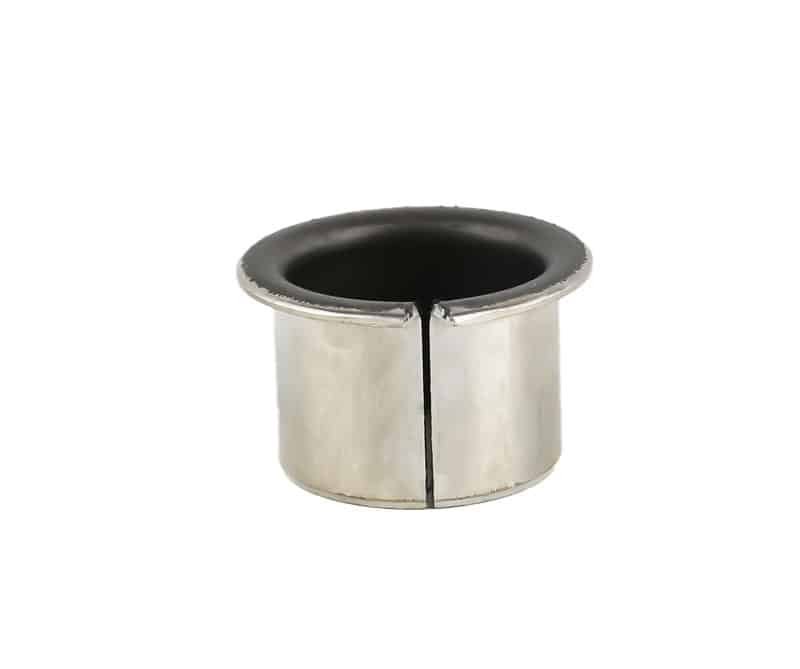
Key maintenance steps include:
- Applying lubrication at scheduled intervals based on load intensity
- Inspecting shaft alignment during planned shutdowns
- Cleaning housing areas to remove debris accumulation
- Monitoring vibration changes in rotating systems
Each of these actions improves operational stability and reduces unexpected failure risks. Installation accuracy also plays a major role in performance consistency. Misalignment during assembly increases wear rates significantly. Proper maintenance planning ensures stable performance across long operational cycles in industrial environments.
After maintenance optimization, equipment shows improved rotational smoothness and reduced friction heat generation. Seal integrity also enhances protection against external contaminants in harsh working conditions.
| Material Type | Corrosion Resistance | Wear Resistance | Service Life |
|---|---|---|---|
| Stainless Steel | High | High | Long |
| Bronze | Medium | Medium | Medium |
| Carbon Steel | Low | Medium | Short |
Material selection significantly impacts system reliability in industrial motion assemblies. Stainless options provide better corrosion resistance compared to carbon-based materials. Bronze performs well under lubrication but lacks environmental durability. Carbon steel requires protective coatings to maintain service life in humid conditions.
Cost vs durability evaluation
Stainless steel bushings involve higher initial procurement cost compared with alternative materials. However, lifecycle cost is often lower due to extended service intervals and reduced replacement frequency. Downtime reduction contributes significantly to operational efficiency in production systems.
Long-term durability reduces maintenance labor requirements and spare part consumption. Engineers evaluate total cost of ownership rather than unit price when selecting components. Energy loss due to friction is also reduced under stable lubrication conditions, improving system efficiency.
Over extended industrial operation cycles, performance consistency results in stronger return on investment. These benefits become more visible in continuous production environments where equipment uptime is critical to productivity.
Hybrid material interaction in motion systems
In mixed material assemblies, interaction between shaft and bushing materials affects wear patterns and friction stability. Material compatibility determines whether smooth motion or accelerated wear occurs. Engineers carefully select pairings to avoid galling in high-speed applications.
In low-speed mechanical systems, a brass bushing with oil groove can improve lubricant retention and reduce initial friction spikes. However, its corrosion resistance is lower compared with stainless-based solutions. Thermal expansion differences between materials also affect clearance behavior during temperature changes.
Proper engineering design ensures that each material operates within its optimal performance range. This improves stability in hybrid mechanical systems where multiple materials interact under dynamic loads.
| Grade | Chloride Resistance | Strength | Cost Level |
|---|---|---|---|
| 304 | Medium | High | Lower |
| 316 | High | High | Higher |
Grade selection significantly impacts performance in corrosive and high-load environments. 316 offers superior resistance in salt-rich conditions. 304 provides a balanced option for general industrial applications where cost efficiency is important.
High-load industrial performance analysis
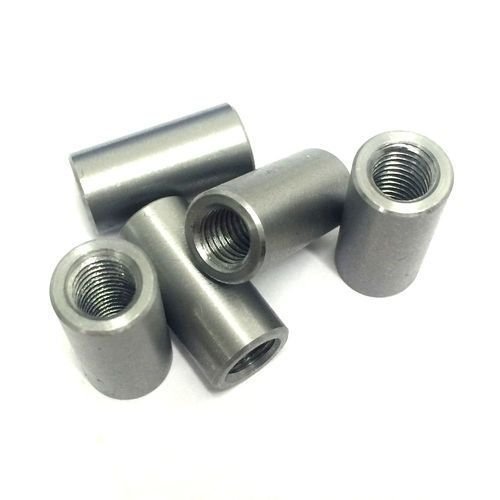
Stainless steel bushings demonstrate stable behavior under continuous rotational stress in heavy-duty equipment. Load distribution across the contact interface prevents localized fatigue accumulation. Surface finishing quality directly influences friction consistency and wear initiation.
Polished surfaces reduce micro-abrasion points and improve motion smoothness. Lubrication stability ensures consistent thermal control during extended operation cycles. Vibration damping also contributes to system stability in dynamic assemblies.
Heat generation must be monitored in high-speed systems to prevent structural degradation. Proper design and maintenance coordination ensure long-term operational reliability in demanding industrial environments.
FAQ
What makes them more durable than carbon steel alternatives?
They resist corrosion due to a self-forming oxide layer on the surface. This layer prevents rapid oxidation in humid or chemical environments. Carbon steel lacks this protective mechanism and requires coatings. Mechanical stability remains consistent under repetitive loading conditions. Wear progression is slower when lubrication is properly maintained. These factors reduce maintenance frequency in industrial systems. Dimensional accuracy is preserved for longer operating periods. Engineers prefer this behavior in environments requiring predictable performance and reduced downtime.
How long do they last in heavy-duty use?
Service life depends on load intensity, speed, and lubrication quality. In well-maintained systems, operational lifespan can extend across multiple production cycles. High contamination environments reduce durability due to abrasive wear. Proper alignment significantly improves long-term stability. Lubrication scheduling directly affects friction heat generation. Cleaner operating environments support longer functional periods. Engineers typically design maintenance intervals based on expected wear rates. Predictable degradation patterns help optimize replacement planning in industrial applications.
What factors reduce their lifespan?
Contamination is the most common cause of accelerated wear. Dust particles increase abrasive friction during motion cycles. Misalignment creates uneven load distribution across surfaces. Insufficient lubrication leads to heat buildup and surface damage. Excess load beyond design limits increases structural stress. Chemical exposure in extreme environments can also degrade performance. Poor installation practices amplify vibration and edge loading. Regular inspection and controlled maintenance significantly reduce these risks and improve operational reliability.