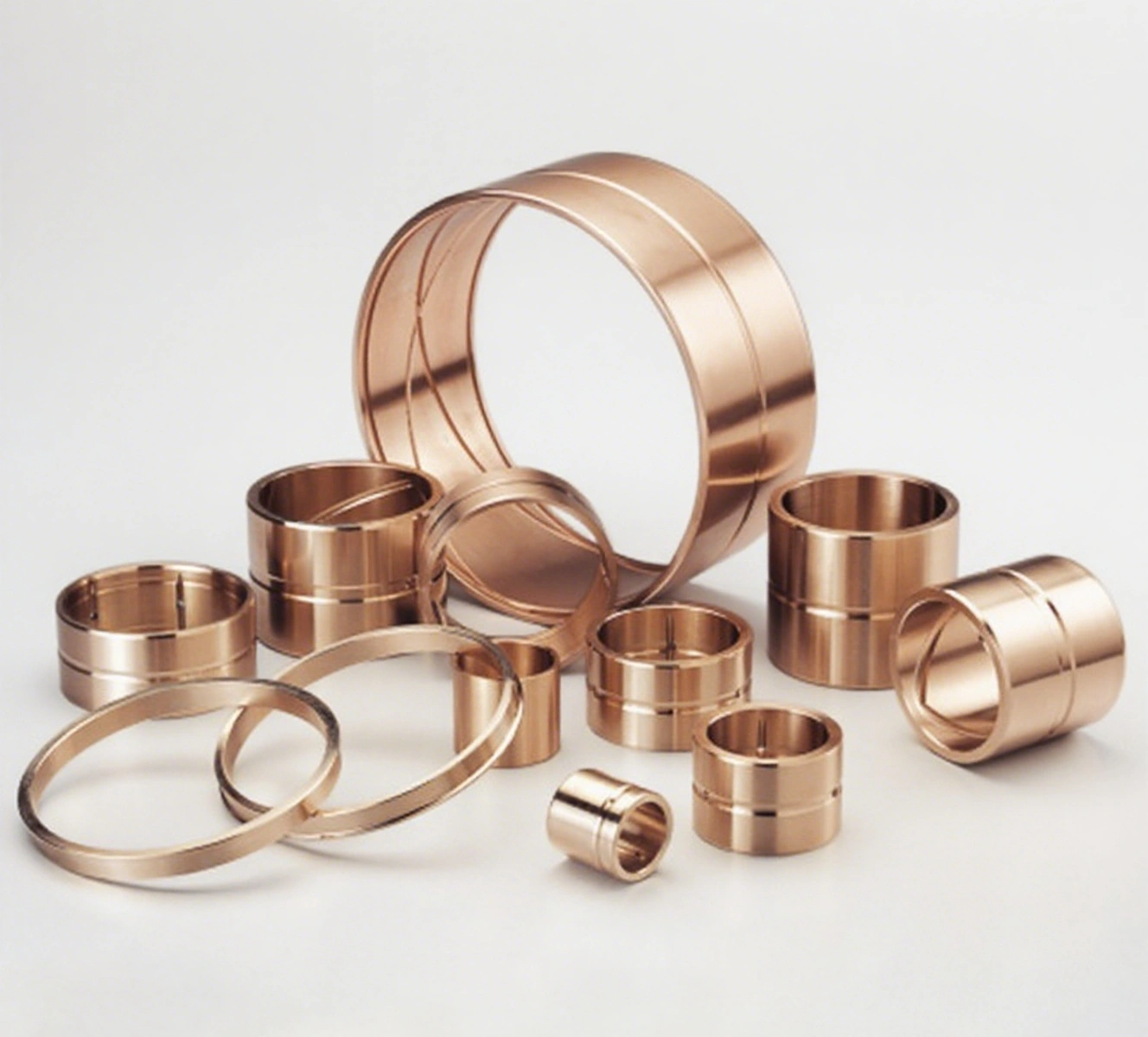
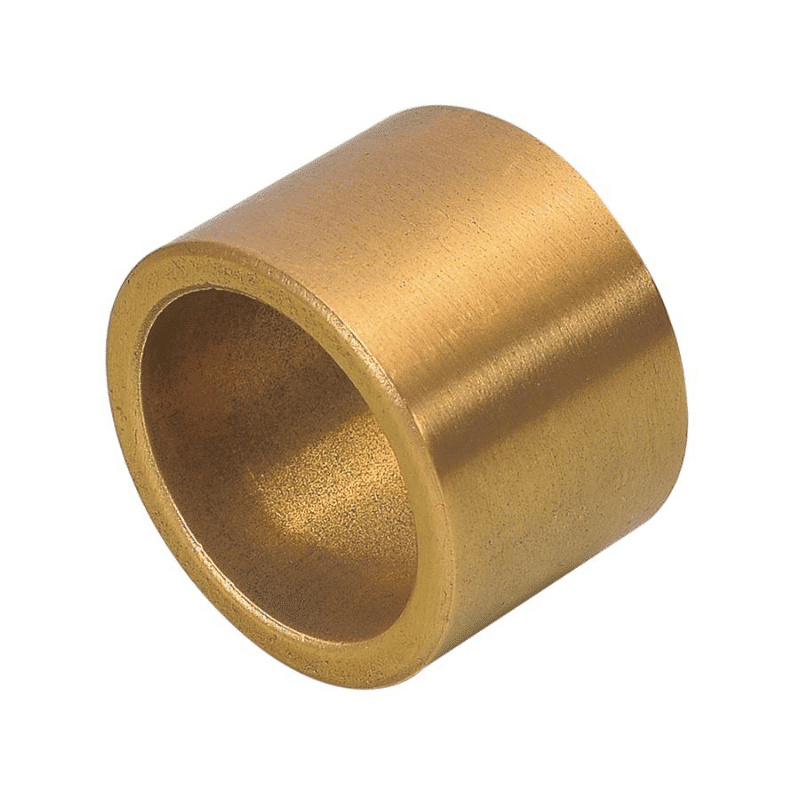
Modern mechanical systems rely on efficient friction control for stable operation. The sintered bronze bushing supports rotating shafts under continuous load conditions. Engineers prefer this component because it reduces friction and improves motion stability. Its porous structure stores lubricant inside the material matrix. This internal lubrication reduces dependency on external greasing systems. Machinery achieves smoother operation and longer service cycles. Industrial equipment benefits from reduced downtime and improved energy efficiency. The design supports consistent alignment between moving parts. It performs well in automated and precision-driven environments. This component remains essential for high-reliability engineering systems.
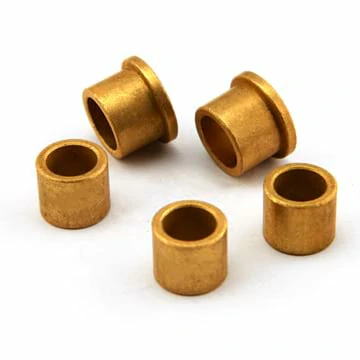
What Is a Sintered Bronze Bushing and How It Works
A sintered bronze bushing is formed through powder metallurgy and controlled heating. Metal particles bond while maintaining internal micro-pores. These pores store oil for continuous lubrication during operation. Shaft rotation activates gradual oil release at contact surfaces. This mechanism reduces friction and stabilizes wear behavior. Engineers use it in systems requiring consistent rotational movement. The structure supports long operational cycles without frequent maintenance. It also performs well in enclosed mechanical assemblies. Dimensional stability ensures reliable shaft guidance. This design improves efficiency in compact industrial machines.
Manufacturing Process of Sintered Bronze Bushing
Production begins with bronze powder selection and precise mixing. The material is pressed into molds under high pressure. Heating bonds particles without full melting. This creates a rigid porous structure for lubrication storage. Controlled cooling stabilizes mechanical properties. Vacuum oil impregnation fills internal pores with lubricant. Final machining ensures dimensional accuracy and smooth surface finish. Quality checks verify density and porosity levels. Each unit undergoes strict inspection before distribution. Manufacturing consistency ensures reliable industrial performance across applications.
Porosity and Self-Lubrication Mechanism
Porosity forms the functional foundation of the sintered bronze bushing component. Internal micro-channels store lubricating oil effectively. During motion, heat and pressure activate oil release. A stable lubrication film forms between shaft and surface. This reduces direct metal-to-metal contact. Friction levels remain stable during long operation cycles. Wear resistance improves significantly under continuous movement. Oil replenishment occurs during machine idle periods. Engineers optimize pore structure for different load conditions. This system improves operational reliability in automated environments.
Load Capacity and Mechanical Performance
This component distributes radial load evenly across its surface. Uniform pressure reduces localized deformation risk. It supports steady shaft alignment during operation. Performance remains stable under moderate shock conditions. Friction behavior stays consistent across speed variations. Embedded lubrication improves wear resistance over time. Continuous movement does not degrade performance quickly. It also handles oscillating motion effectively. Design balance ensures structural reliability in industrial systems.
Thermal Stability and Operating Conditions
Heat management plays an important role in performance. The component absorbs friction heat through its structure. Lubricant release helps control surface temperature. Expansion remains limited under normal operating ranges. This prevents binding during continuous rotation. It performs reliably in enclosed assemblies. Cooling conditions influence lubrication efficiency. Proper installation improves thermal balance. Stable performance supports long duty cycles in machinery.
Industrial Applications and Material Alternatives
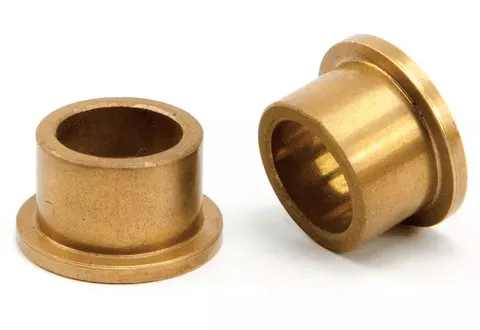
This component is widely used in pumps, conveyors, and automotive assemblies. It supports stable shaft rotation in compact systems. Precision equipment benefits from its low-maintenance design. Brass bushing with oil groove is often used in systems requiring external lubrication supply and scheduled maintenance cycles. It offers a simpler structure but depends on regular servicing. Engineers choose materials based on performance needs and operating conditions. Automation systems prefer self-lubricating designs for efficiency. This component supports long-term stable operation in industrial production lines.
Advantages Over Solid Bronze and Steel Bushings
Traditional solid bronze requires frequent lubrication support. Steel bushings often depend on external grease systems. This component reduces maintenance demands significantly. Internal lubrication improves friction control during operation. Wear rates remain lower under continuous use. Energy loss decreases due to reduced resistance. Service life extends compared to conventional materials. Installation becomes easier in sealed systems. Noise levels remain lower during operation cycles. Long-term cost efficiency improves in industrial environments.
Maintenance-Free Operation and Cost Efficiency
Reduced maintenance is a key advantage in industrial systems. The component operates without frequent lubrication schedules. Internal oil storage supports continuous friction reduction. Machines experience fewer service interruptions. Labor requirements decrease significantly in production environments. Downtime is minimized across long operation cycles. Efficiency improves in automated systems. Oil release mechanism ensures consistent performance. Replacement cycles become longer under normal conditions. Operational costs remain stable over time.
Selection Criteria for Sintered Bronze Bushing
Engineers evaluate load, speed, and temperature before selection. Shaft hardness must match bearing material properties. Clearance design affects lubrication efficiency. Environmental conditions influence performance stability. Proper fit ensures long service life. Porosity level determines oil retention capacity. Incorrect sizing increases friction risk. Material compatibility supports mechanical balance. Industrial stainless steel bushing is selected when corrosion resistance is the primary requirement in harsh chemical or marine environments. Correct selection ensures stable and reliable operation.
Performance Comparison Table
| Feature | Self-Lubricating Bearing | Solid Bronze Bearing | Steel Bearing |
|---|---|---|---|
| Lubrication Method | Internal oil storage | External lubrication | Grease required |
| Maintenance Frequency | Low | Medium | High |
| Wear Resistance | High | Medium | Medium |
Performance Analysis in Engineering Systems
Material selection strongly affects machine efficiency. Self-lubricating designs reduce maintenance requirements. Solid bronze requires periodic lubrication support. Steel structures offer strength but increase friction. Engineers prioritize efficiency and reliability. Reduced downtime improves productivity. Proper selection enhances system lifespan. Industrial applications demand consistent performance. This comparison supports better engineering decisions.
Material Specification Table
| Property | Typical Range | Engineering Impact |
|---|---|---|
| Density | 6.5 - 7.2 g/cm³ | Load stability control |
| Porosity | 15% - 30% | Lubrication storage capacity |
| Operating Temperature | -20°C to 120°C | Environmental suitability |
Engineering Impact of Material Properties
Sintered bronze bushing density affects mechanical strength under load. Porosity controls lubrication efficiency. Temperature range defines working conditions. Engineers adjust parameters for specific machinery. Manufacturing consistency ensures reliability. Stable properties support long-term operation. Proper design improves system durability. Industrial performance depends on these factors.
FAQ
What industries commonly use this component?
This component is widely applied in automotive, industrial automation, and fluid systems. Automotive engines use it for rotational stability and reduced wear. Conveyor systems rely on it for continuous motion under load. Robotics benefit from precise and smooth joint movement control. Pumps and compressors use it to lower friction losses. It fits compact mechanical assemblies in production lines. Manufacturers value its long service stability and reduced maintenance demand. Its self-lubricating structure supports high-efficiency mass production environments. Engineers choose it for systems requiring consistent and predictable performance over long cycles.
How long does this component typically last?
Service life depends on load, speed, lubrication conditions, and working temperature. Under normal industrial use, it can operate for several thousand hours without failure.
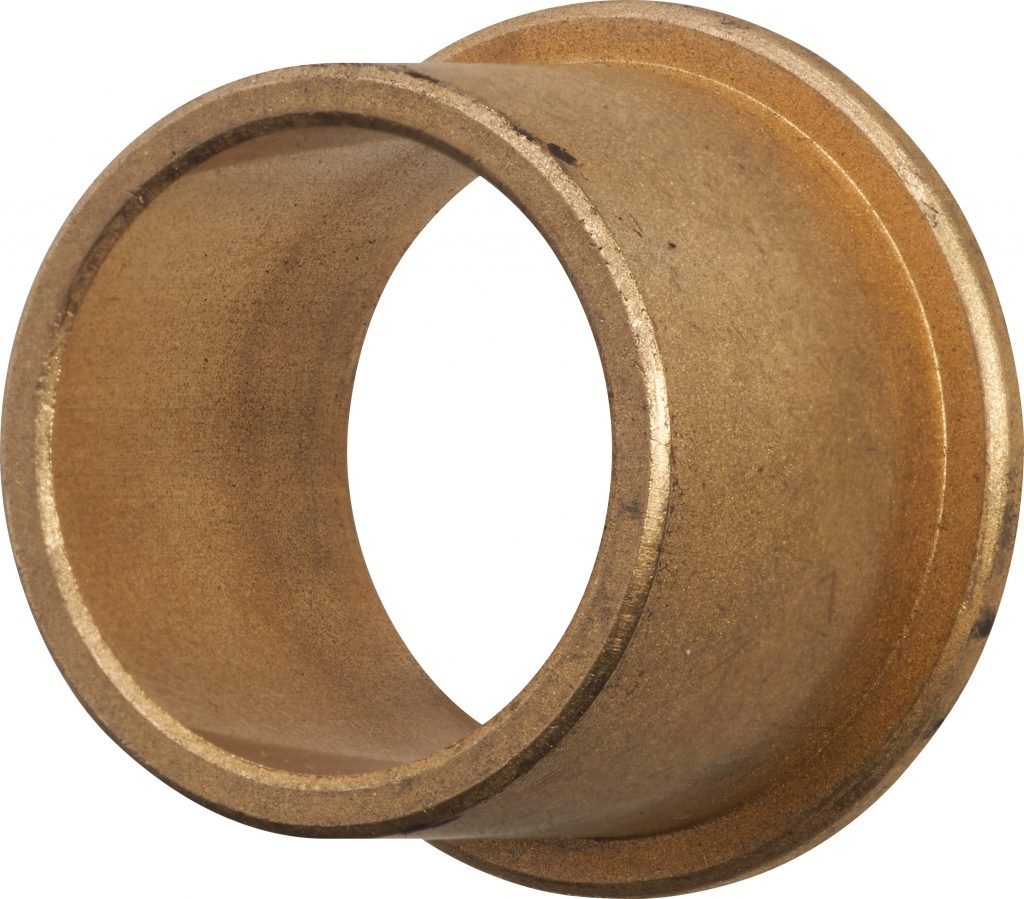
Proper shaft alignment significantly extends durability. Stable lubrication release reduces surface wear over time. Low-speed and moderate-load systems achieve longer lifespans than high-speed applications. Clean environments further improve performance stability. Regular inspection helps prevent unexpected wear issues. Temperature control also plays a major role in lifespan consistency. When properly selected and installed, it delivers reliable long-term operation in continuous machinery systems.
Can it operate without external lubrication?
Yes, it is designed to function without external lubrication systems. Internal pores store oil during manufacturing and release it gradually during operation. This creates a continuous lubrication film between shaft and bearing surface. As a result, friction remains stable even in long cycles. External greasing is generally unnecessary in standard conditions. However, extreme loads or harsh environments may still benefit from supplementary lubrication. Proper installation ensures optimal oil distribution and performance. This self-lubricating mechanism significantly reduces maintenance requirements in industrial applications.