In mechanical engineering systems, rotating shafts must interact precisely with supporting bushings. bushing fit tolerance defines the allowable dimensional variation between these mating components. This control ensures stable rotation, reduced friction, and predictable mechanical behavior under load. Engineers use tolerance design to prevent vibration, misalignment, and premature wear in industrial equipment. Without accurate fit control, systems lose efficiency and generate excessive heat during operation. Thermal expansion and dynamic load conditions further influence dimensional stability. Proper engineering design balances clearance and contact pressure to maintain performance. Reliable fit control improves service life and reduces maintenance frequency in machinery systems.
Functional Meaning of Mechanical Fit Behavior
Mechanical assemblies rely on controlled interactions between shafts and bushings to ensure smooth motion.Bushing fit tolerance determines whether the system operates under clearance, transition, or interference conditions.
Clearance fits allow free rotation with minimal resistance, while interference fits create tight structural bonding. Transition fits provide a balance between positioning accuracy and controlled movement. Engineers evaluate operating speed, load intensity, and lubrication conditions before selecting fit types. Incorrect design may lead to uneven wear or heat buildup during operation. Proper configuration ensures stable motion behavior and long-term mechanical reliability in dynamic environments.
ISO Standards and Global Engineering Classification
Industrial manufacturing relies on ISO 286 standards to define dimensional fit systems. These standards ensure consistency in shaft and hole tolerances across global production. Common grades such as H7/g6 and H8/f7 define precision levels for different applications. bushing fit tolerance selection depends on required accuracy, load conditions, and assembly requirements. Tight grades improve alignment but increase machining cost and complexity. Loose grades simplify assembly but reduce positional accuracy under dynamic load conditions. Engineers select appropriate classes based on performance requirements and cost balance. Standardization ensures interchangeability between components produced in different facilities.
ISO Fit Grades Comparison in Engineering Applications
| ISO Fit Grade | Fit Type | Engineering Purpose | Application Example |
|---|---|---|---|
| H7/g6 | Close Clearance | High precision rotation with controlled friction | Machine tool spindles |
| H8/f7 | Medium Clearance | Balanced assembly ease and stability | Industrial conveyor rollers |
| H7/p6 | Interference Fit | High retention strength under load | Press-fit structural joints |
| H6/h5 | Precision Fit | Ultra-tight alignment control | Aerospace rotating assemblies |
The ISO classification table helps engineers compare different fit grades used in mechanical design systems. It highlights how each tolerance level affects alignment accuracy, assembly behavior, and load performance. Proper selection of fit grades ensures reliable operation in precision-driven environments.
Operating Environment and Performance Behavior of bushing fit tolerance
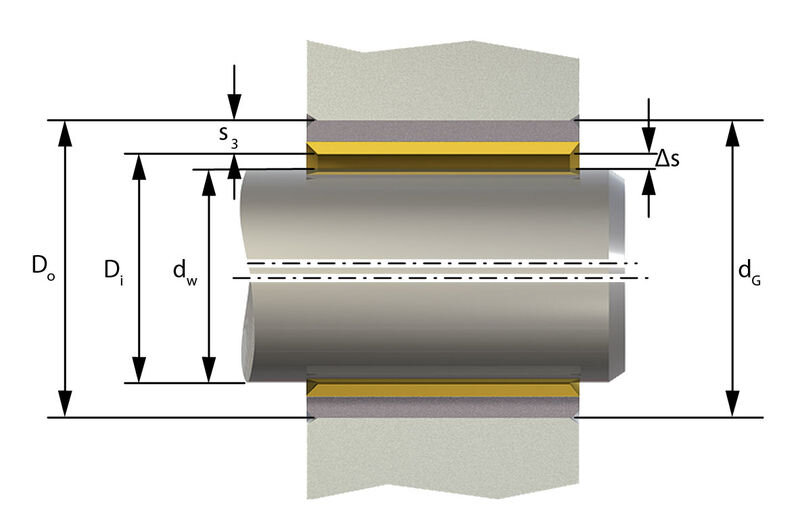
Mechanical performance depends heavily on external operating conditions. Temperature changes cause material expansion that directly affects clearance values. High-speed rotation generates friction heat that alters dimensional stability. Load distribution determines stress concentration across contact surfaces. Lubrication quality affects wear resistance and friction reduction efficiency. Surface roughness influences micro-contact interaction between mating components. Engineers must evaluate all these variables during design.
Key influencing factors include thermal expansion, lubrication stability, load intensity, surface finish, and rotational speed. Accurate analysis ensures long-term operational stability and reduces failure risk in industrial systems.
Measurement Systems and Industrial Quality Control
Precision measurement is essential in manufacturing and assembly processes. Coordinate measuring machines provide accurate three-dimensional dimensional verification. Bore gauges measure internal diameters of bushings with high repeatability. Micrometers confirm shaft dimensions against design specifications. Statistical process control ensures consistent quality across production batches. Calibration systems maintain long-term measurement accuracy. Industrial stainless steel bushing components require stricter inspection due to corrosion resistance demands. Proper measurement reduces assembly errors and improves system reliability in mass production environments.
Material Selection and Mechanical Performance Behavior
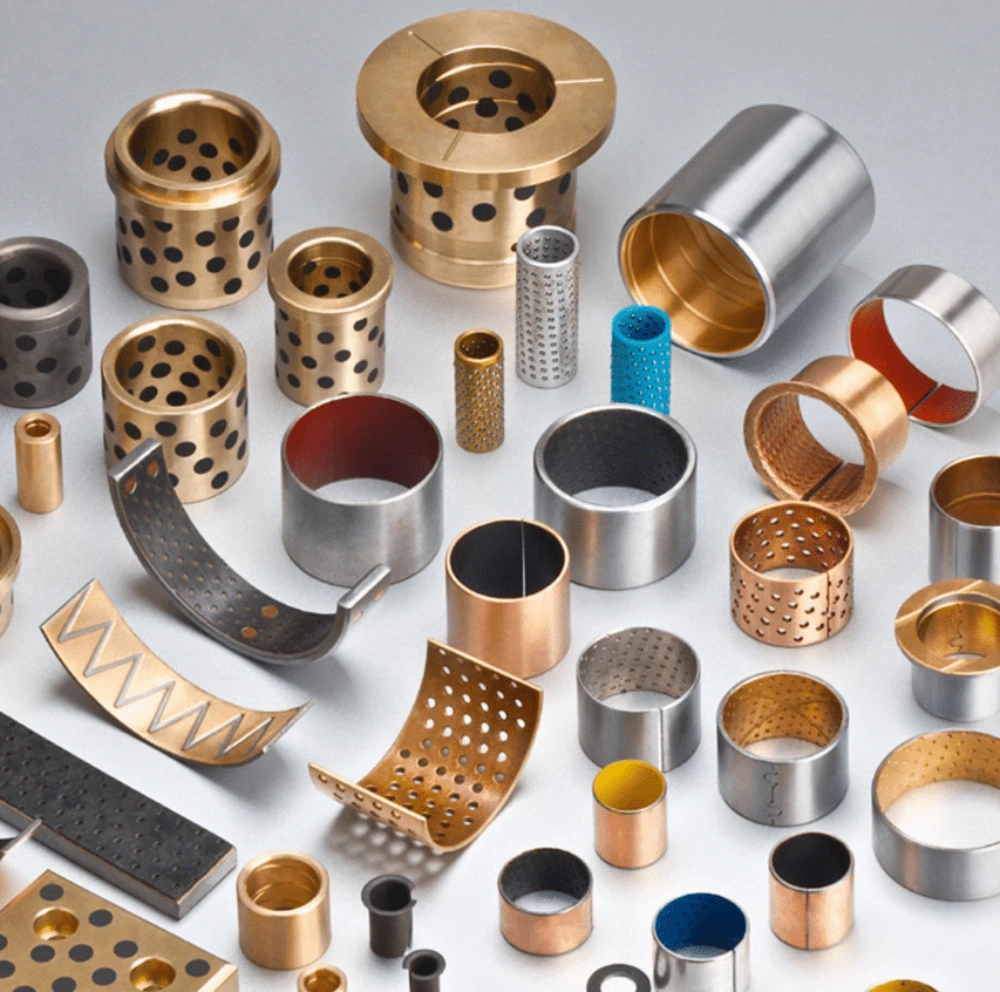
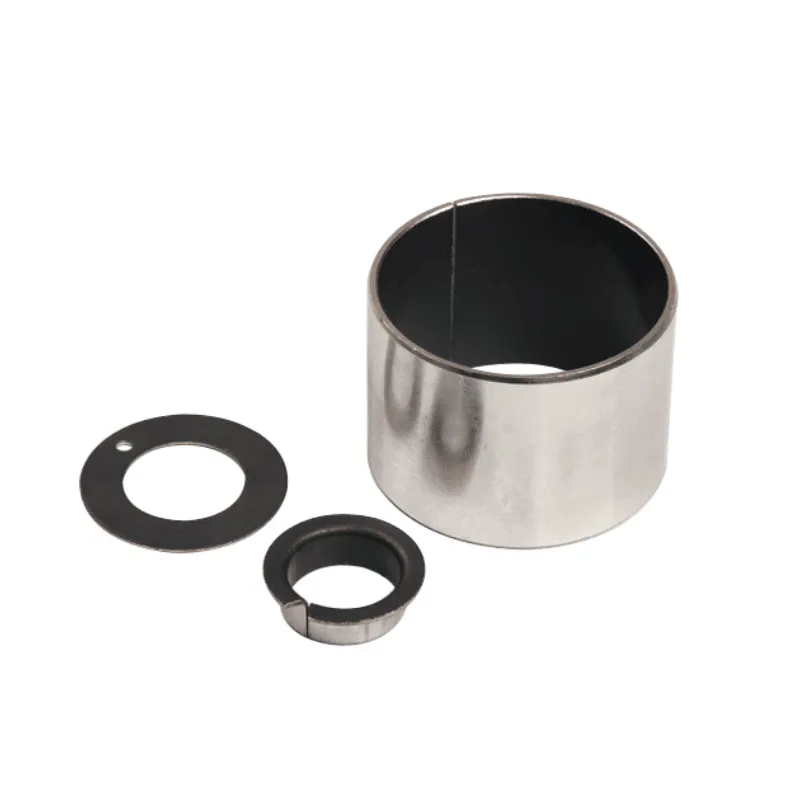
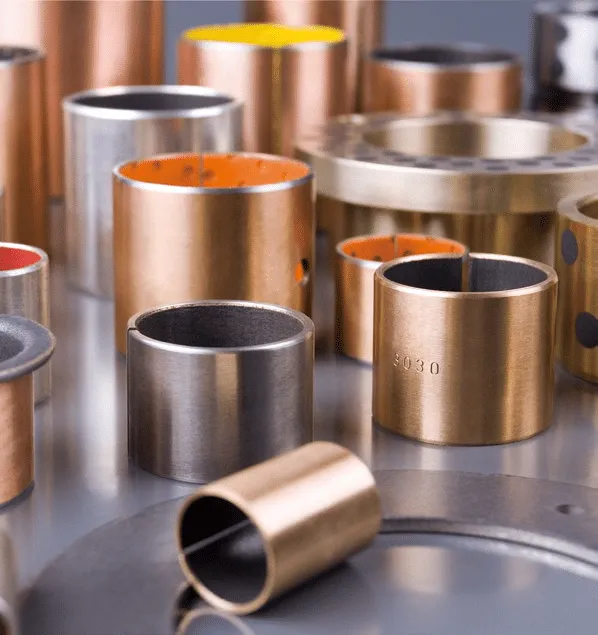
Material choice plays a critical role in mechanical system durability and performance. Steel bushings provide high strength for heavy-duty applications. Bronze materials offer self-lubricating properties and reduced friction behavior. Polymer bushings reduce noise and operate efficiently under low-load conditions. Hardness levels determine deformation resistance under cyclic stress conditions. Coating technologies improve surface protection and wear resistance. Engineers evaluate thermal expansion compatibility between mating materials. Brass bushing with oil groove improves lubrication retention and reduces dry friction during extended operation cycles. Proper material pairing ensures stable performance under varying mechanical conditions.
Material Performance Comparison in Bushing Systems
| Material Type | Mechanical Strength | Friction Behavior | Best Use Case |
|---|---|---|---|
| Steel | Very High | Moderate friction | Heavy-duty machinery shafts |
| Bronze | High | Low friction with self-lubrication | Continuous rotating bush systems |
| Polymer | Medium | Very low friction and noise | Light-load precision systems |
| Composite Coated Metal | High | Optimized wear resistance | High-speed industrial equipment |
This comparison illustrates how different materials affect friction behavior, strength performance, and application suitability. Engineers use such data to match material properties with operational requirements for improved system efficiency.
Installation and Assembly Engineering Practices
Mechanical assembly requires strict control of dimensional fit during installation. Press-fit methods are commonly used to ensure secure component engagement. Thermal fitting techniques allow easier assembly by adjusting component temperature. Alignment accuracy is critical to avoid uneven load distribution during operation. Improper installation can damage surfaces and reduce system performance. Lubrication is applied during assembly to reduce friction and prevent scoring. Housing geometry must be verified before installation begins. Proper installation practices improve durability and long-term operational reliability.
Industrial Applications Across Engineering Systems for bushing fit tolerance
Precision fit systems are widely used across automotive, aerospace, and industrial machinery. Automotive suspension systems rely on controlled motion to reduce vibration and improve comfort. Conveyor systems use bushings for continuous rotational support under heavy loads. Aerospace systems require extremely precise dimensional control for safety-critical performance. Robotics systems depend on accurate positioning and repeatability. Industrial machinery requires stable operation under continuous load conditions. Each application defines specific tolerance requirements based on performance needs. Reliable engineering design ensures consistent operation under different environmental conditions.
Failure Modes and Maintenance Strategies
Mechanical failures often result from improper fit selection or degradation over time. Loose fits cause vibration, misalignment, and reduced system accuracy. Tight fits generate excessive heat and accelerate surface wear. Engineers analyze wear patterns to determine root causes of failure. Lubrication breakdown increases friction and leads to faster degradation. Corrective actions include redesigning dimensional tolerances or improving surface finishing. Preventive maintenance reduces unexpected downtime and extends system life. Early detection improves operational safety. Proper maintenance ensures long-term stability in mechanical systems.
System Optimization and Engineering Reliability Control
Engineering optimization focuses on balancing clearance, load capacity, and durability. bushing fit tolerance plays a key role in achieving stable motion performance. Designers adjust dimensional limits based on real operating conditions. Simulation tools help predict wear behavior under different loads. Material pairing and lubrication strategies improve system efficiency. Structural reinforcement reduces deformation risk during operation. Engineers continuously refine design parameters to enhance reliability. Proper optimization ensures consistent mechanical behavior across long-term usage cycles.
FAQ
What happens if fit is too tight?
When a mechanical fit becomes too tight, friction between contacting surfaces increases significantly. Heat builds up quickly during continuous operation, reducing lubrication effectiveness. Thermal expansion further intensifies surface pressure and contact stress. Over time, material galling and surface scoring may occur under extreme conditions. Energy consumption increases due to higher resistance in motion. Engineers often observe early warning signs such as noise and vibration. If no correction is applied, component failure may occur prematurely. Adjusting clearance or improving lubrication restores stable mechanical performance.
How is fit measured in production?
In production environments, dimensional fit is verified using precision inspection tools. Bore gauges measure internal diameters of bushings with high accuracy. Micrometers are used to confirm shaft dimensions against engineering specifications. Coordinate measuring machines provide full geometric evaluation in three-dimensional space. Statistical sampling ensures consistency across multiple production batches.
Calibration systems maintain measurement reliability. Temperature-controlled inspection rooms reduce environmental deviation during measurement. Engineers use this information to adjust machining parameters when needed.
Which ISO standard defines fit systems?
ISO 286 defines standardized limits and fits for shafts and holes in mechanical engineering. It establishes global rules for dimensional tolerance systems used in manufacturing. The standard ensures interchangeability between components produced in different regions. Tolerance grades define allowable dimensional variation ranges for precision control. Engineers select appropriate grades based on load, speed, and accuracy requirements. Standardization reduces assembly errors and improves manufacturing consistency. Global engineering systems rely on ISO frameworks for reliable design and production coordination.