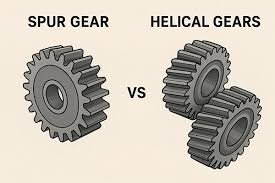
Spur gear vs helical gear are fundamental in mechanical power transmission. Spur gears have straight teeth parallel to the shaft axis, creating direct engagement. Helical gears have angled teeth that engage gradually, reducing impact stress. Engineers select between them based on load, speed, and noise requirements. Spur gears are simple, cost-effective, and suitable for low-speed operations. Helical gears support higher loads and smoother motion, which enhances system reliability. Selection affects vibration, energy efficiency, and maintenance frequency. Industrial automation, automotive gearboxes, and manufacturing equipment often employ these gears. Understanding key differences ensures proper mechanical performance. Choosing the right type prevents unexpected wear or operational inefficiency. Gear alignment and lubrication strategies also influence service life.
Spur Gear Vs Helical Gear Design Differences
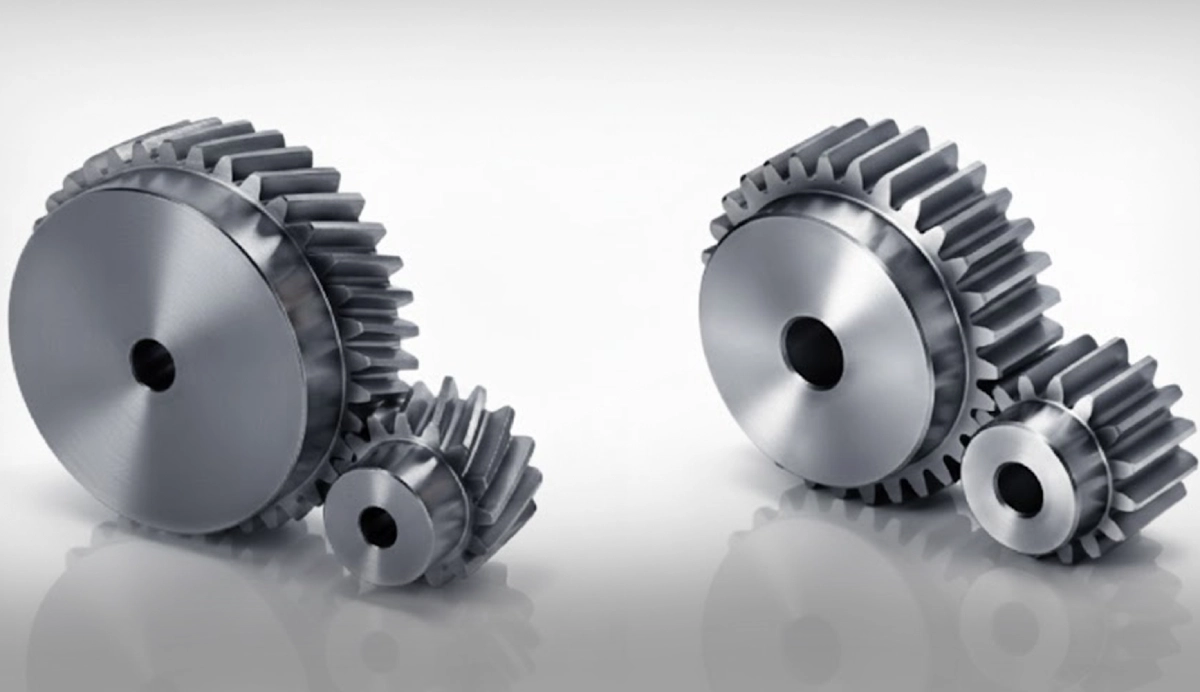
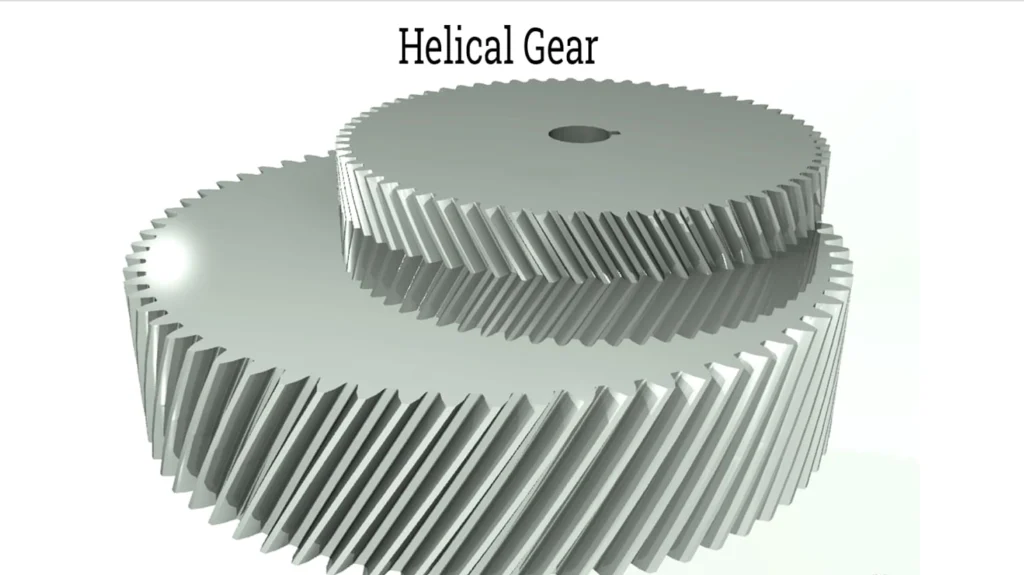
Spur gear vs helical gear design differences primarily involve tooth geometry. Straight teeth in spur gears produce instantaneous contact across the full tooth width. Helical gears feature angled teeth, creating gradual engagement along the tooth face. This design increases the contact ratio, spreading load across multiple teeth. Helical gears produce axial thrust that requires additional bearing support. Spur gears tolerate minor misalignment more effectively and are easier to manufacture. Tooth angle in helical gears improves load sharing and reduces wear concentration. Engineers balance complexity, cost, and operational demands when choosing between these types. The geometry directly impacts torque transmission, vibration, and noise levels in industrial systems. Proper design selection ensures mechanical stability and efficiency.
Performance and Efficiency Comparison
Noise, vibration, and load distribution differ significantly between spur and helical gears. Spur gears generate higher noise because teeth engage abruptly. Helical gears operate more quietly due to gradual engagement, distributing forces along the tooth length. Efficiency varies by speed; spur gears perform slightly better at low speed. Helical gears excel in high-load or high-speed applications because multiple teeth share the load. Heat buildup is higher in helical systems, increasing lubrication requirements. Spur gears are simpler to maintain and tolerate minor lubrication inconsistencies. Energy efficiency, vibration control, and operational stability are crucial in selecting the right gear type. Engineers often weigh these factors against cost, maintenance, and lifecycle performance for industrial systems.
Manufacturing and Material Considerations
Spur gear vs helical gear differ in production complexity and precision requirements. Spur gears use straightforward hobbing or shaping methods. Helical gears require angled cutting tools, increasing machining time and cost. Material choice affects durability and performance. Alloy steels with surface hardening improve wear resistance. Grinding may enhance tooth accuracy for high-performance systems. Helical gears demand stricter alignment during assembly, while spur gears are more forgiving. Maintenance practices, lubrication, and heat management directly influence long-term reliability. Spur gear helical gear systems highlight these contrasts, particularly in industrial automation and heavy machinery. Selecting the proper material and manufacturing process ensures consistent torque transmission and lifespan. Precision in production reduces noise, wear, and vibration across operating conditions.
Application Scenarios in Industry
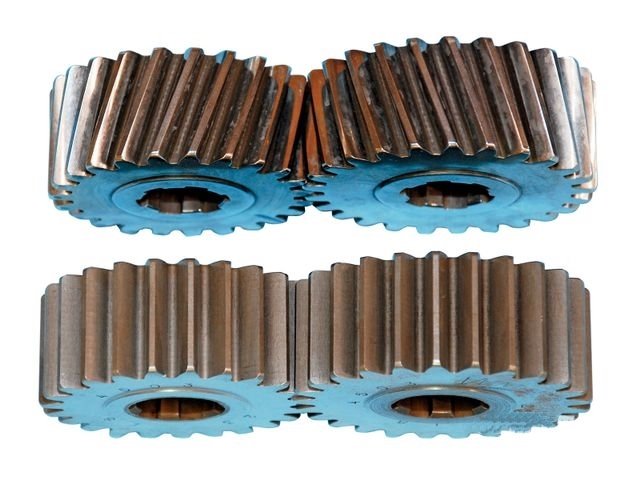
Spur and helical gears serve distinct roles in industrial applications. Spur gears appear in conveyors, low-speed gear trains, and simple mechanical drives. Helical gears dominate automotive transmissions, compressors, and high-speed industrial drives. Their angled teeth reduce noise and improve load distribution.
Applications include:
- Gear pumps and simple reducers
- Automotive gearboxes and turbines
- Packaging machinery and automation systems
- Heavy industrial drive units
Spur gears excel where simplicity and cost efficiency matter. Helical gears suit continuous operation and higher torque demands. Engineers often integrate both types in complex assemblies for balanced performance. Proper selection impacts mechanical efficiency, noise control, and equipment longevity, ensuring reliable operation under varied conditions.
Durability, Wear, and Maintenance
Durability varies between spur and helical gears. Spur gears experience localized stress at the tooth root, increasing wear under heavy load. Helical gears distribute force across multiple teeth, reducing fatigue and extending lifespan. Axial thrust in helical gears requires careful bearing selection. Lubrication quality is essential; improper oil leads to higher heat and wear. Spur gears tolerate minor lubrication inconsistencies better. Material hardness, surface treatment, and alignment precision influence both types. Engineers consider these factors when designing high-performance gear systems. Controlled maintenance and proper lubrication significantly enhance service life. Understanding wear patterns allows for predictable maintenance scheduling, avoiding unexpected downtime in industrial environments.
Cost, Technical Parameters, and Table Comparison
Cost differences arise from manufacturing and installation complexity. Spur gears are less expensive to produce. Helical gears require precise tooling and careful alignment. Lifecycle costs may favor helical gears in high-load systems due to improved durability and reduced vibration.
| Feature | Spur Gear | Helical Gear |
|---|---|---|
| Tooth Design | Straight | Angled |
| Noise Level | High | Low |
| Load Capacity | Moderate | High |
| Manufacturing Cost | Low | High |
The table illustrates how design and cost considerations influence selection. Engineers weigh noise, load, and efficiency against budget constraints.
Technical Performance Comparison Table
| Parameter | Spur Gear | Helical Gear |
|---|---|---|
| Contact Ratio | Low | High |
| Axial Load | None | Present |
| Efficiency | High at low speed | High at high speed |
| Noise | High | Low |
Analysis of the table shows performance trade-offs. Spur gears suit simple, low-noise-tolerant systems. Helical gears are better for high-speed, high-load applications. These differences influence gearbox design, energy efficiency, and maintenance schedules.
Selection Strategy for Engineers
Choosing the proper gear involves evaluating load, speed, and operational environment. Spur gears are cost-effective for low-speed systems. Helical gears handle higher loads and smoother torque transfer. In spur gear vs helical gear selection, engineers also assess alignment tolerance and efficiency targets. Axial thrust must be addressed using suitable bearings. Precision bevel gear worm gear arrangements are alternatives for directional change or high reduction ratios. These systems often integrate with spur or helical gears for optimal performance. Engineers consider efficiency, maintenance, and durability when planning gear assemblies. Proper selection reduces vibration, heat buildup, and wear, improving mechanical reliability. Lifecycle cost analysis ensures balance between initial investment and long-term operation. Strategic integration enhances performance in complex industrial machinery.
FAQ
How does gear angle affect performance?
Gear angle influences load distribution and engagement smoothness. In spur gears, zero-degree teeth cause sudden full-width contact.
Which gear type is quieter in operation?
Noise levels differ between spur and helical gears. Spur gears produce sharp, high-frequency sound due to sudden tooth engagement. Helical gears operate more quietly because angled teeth engage gradually. Noise reduction improves comfort, reduces vibration, and prevents component fatigue. Lubrication quality affects both types; insufficient oil increases sound. Helical gears’ gradual load transfer spreads stress and minimizes impact. Engineers consider acoustic requirements alongside efficiency and durability when choosing gears. In high-speed or continuous operations, helical gears are preferred for quiet, smooth motion. Spur gears remain suitable in low-speed or cost-sensitive applications. Noise considerations are critical for mechanical reliability and workplace safety.
Can spur gears handle high-speed applications?
Spur gears manage moderate speeds efficiently, but sudden tooth engagement limits performance at very high speed. Vibration and stress increase, accelerating wear. Helical gears are better suited for high-speed systems because gradual engagement reduces impact and distributes load. Material choice, precision manufacturing, and lubrication influence spur gear performance under speed. Proper design mitigates heat buildup and mechanical stress. Engineers must assess speed, load, and alignment when using spur gears in high-speed machinery. Helical gears provide smoother torque transfer, making them preferable in automotive, industrial, and heavy applications.