Why Bevel Gears Matter In Industrial Power Transmission
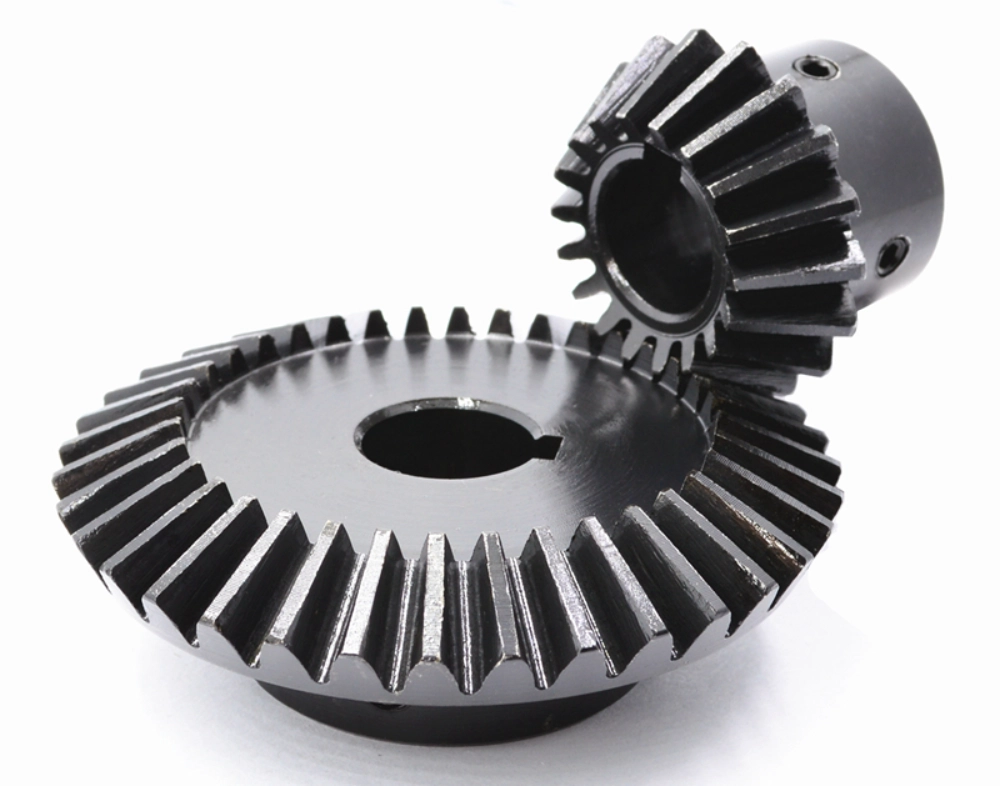
Bevel gears are essential components in modern power transmission systems. They transfer motion between intersecting shafts, often at a 90-degree angle. These gears are widely used in automotive assemblies, mining machinery, robotics, aerospace equipment, and industrial automation systems. Their compact design supports efficient torque transfer while saving installation space. Different designs suit varying load demands, speed requirements, and operating environments. Selection depends on efficiency targets, durability expectations, and maintenance considerations. Engineers evaluate tooth geometry, shaft arrangement, and contact patterns before choosing an appropriate solution. Proper use of bevel gear types improves performance stability and reduces operating costs.
How Different Bevel Gear Types Are Classified
Manufacturers classify gears according to tooth design, shaft configuration, and operational purpose. Common categories include straight bevel gears, spiral bevel gears, Zerol bevel gears, and hypoid gears. Each design creates unique tooth engagement patterns. Contact characteristics influence vibration levels, torque capacity, and wear resistance. Straight designs offer simplicity and cost advantages, while spiral profiles provide smoother engagement and better load distribution. Zerol designs balance performance characteristics, and hypoid systems support offset shafts for higher torque. Proper classification ensures selected bevel gear types match operational objectives and reliability requirements, providing long-term service life for industrial machinery.
Advantages Of Straight Bevel Gear Types
Straight bevel gears have teeth that extend directly toward the gear apex. Their simple geometry allows easier manufacturing and inspection. Production costs remain relatively low compared with more complex designs. These gears operate effectively in moderate-speed applications where noise reduction is not critical. Maintenance procedures remain straightforward because technicians can inspect tooth surfaces easily. Many agricultural machines and industrial conveyors employ this design. Replacement components are readily available. Smaller production facilities often choose straight bevel gears because they balance performance and affordability. Their uncomplicated construction supports consistent dimensional accuracy. Choosing the right bevel gear types ensures predictable load transfer and minimizes operational stress.
Advantages Of Spiral Bevel Gear Types
Spiral bevel gears use curved teeth that engage gradually during rotation. This design reduces impact forces between mating surfaces. Smoother engagement lowers vibration and decreases operational noise. Load distribution occurs across multiple teeth, increasing torque capacity. These characteristics enhance reliability in demanding industrial environments. Heavy machinery, aerospace equipment, and automotive drivetrains often employ spiral designs. Manufacturers combine precision machining with heat treatment to strengthen teeth and improve fatigue resistance. Although production costs are higher, performance benefits justify the investment. Long service life reduces maintenance expenses. Spiral bevel configurations are an optimal choice when selecting bevel gear types for high-performance applications.
Comparing Performance Characteristics Across Applications
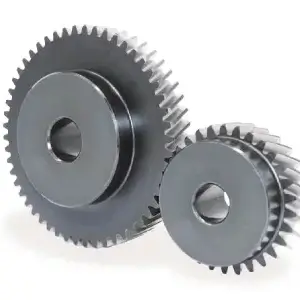
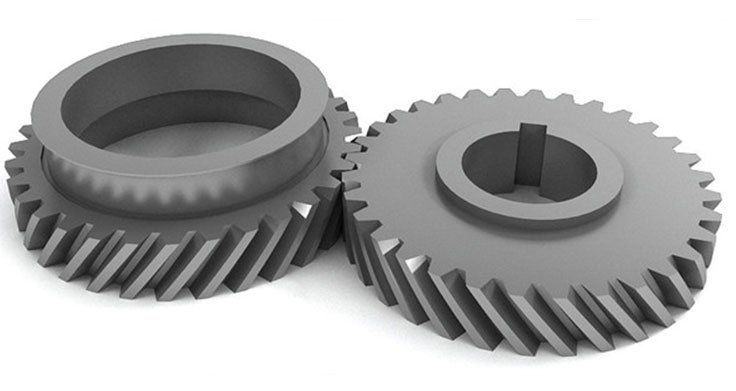
Industrial gear selection depends on load capacity, efficiency, and operational smoothness. High-speed systems require reduced vibration and proper tooth contact. Designers sometimes compare mechanical solutions with Spur gear helical gear designs for drivetrain efficiency. Each technology serves different engineering objectives. Environmental factors like dust, moisture, temperature fluctuations, and lubrication quality influence long-term reliability. Choosing the appropriate mechanical configuration maximizes productivity while minimizing downtime and maintenance costs. Comprehensive performance evaluation ensures equipment meets operational goals consistently.
| Gear Type | Load Capacity | Noise Level | Manufacturing Cost | Typical Speed |
|---|---|---|---|---|
| Straight Bevel | Medium | Higher | Low | Moderate |
| Spiral Bevel | High | Low | Higher | High |
| Zerol Bevel | Medium-High | Moderate | Medium | Moderate-High |
| Hypoid | Very High | Very Low | High | High |
Selecting The Best Configuration For Operational Goals
Choosing the correct gear configuration depends on operational requirements and cost considerations. Straight designs prioritize simplicity and affordability. Spiral configurations offer smoother operation and higher load capacity. Zerol gears balance speed and torque performance. Hypoid systems excel under high-torque demands with offset shafts. Engineers evaluate operational priorities, lubrication methods, and maintenance accessibility before specifying a configuration. Long-term reliability often outweighs initial purchase costs. Strategic selection ensures optimal equipment performance and reduces unexpected failures. Precision bevel gear worm gear solutions are considered in applications requiring high durability and compact layouts.
The Benefits Of Zerol And Hypoid Configurations
Zerol gears combine characteristics of straight and spiral tooth profiles. Curved teeth create smoother engagement while limiting axial thrust. This reduces bearing demands in certain systems. Hypoid gears provide additional flexibility through offset shaft arrangements. Increased contact area supports greater torque transmission. Automotive differentials frequently employ hypoid designs for efficient power transfer under demanding conditions. Advanced machining maintains precise tooth geometry, while high-quality lubrication enhances operational reliability.
Key Advantages At A Glance
- Efficient torque transfer between intersecting shafts
- Compact installation requirements
- Wide range of available configurations
- Strong load-carrying capability
- High reliability under demanding conditions
- Compatibility with automated manufacturing systems
- Long operational lifespan with proper maintenance
How Materials Influence Gear Durability
Material selection affects gear performance and lifespan. Alloy steels dominate industrial production due to strength and wear resistance. Grades include 20CrMnTi, 8620 steel, and 18CrNiMo7-6. Carburizing and quenching increase surface hardness. Hardened teeth resist abrasion under continuous loads. Core toughness remains vital to endure shock. Precision bevel gear worm gear applications use specialized alloys for extreme durability. Material quality affects fatigue resistance, dimensional stability, and maintenance intervals. Using the right gear materials ensures equipment performs reliably in challenging industrial conditions.
| Material | Typical Hardness | Main Advantage | Common Application |
|---|---|---|---|
| 20CrMnTi | 58-62 HRC | Wear Resistance | Industrial Gearboxes |
| 8620 Steel | 58-62 HRC | Fatigue Strength | Automotive Systems |
| 18CrNiMo7-6 | 60-64 HRC | Heavy Load Capacity | Mining Equipment |
| Alloy Cast Steel | 35-45 HRC | Cost Efficiency | General Machinery |
Manufacturing Standards And Inspection Requirements
Quality control ensures all gears meet performance standards. Manufacturers commonly follow AGMA standards for gear tooth geometry, load ratings, and accuracy classifications. DIN specifications define dimensional tolerances, surface quality requirements, and inspection grades for industrial gears. ISO standards, including ISO 1328, establish internationally recognized accuracy levels for tooth profile, lead deviation, and pitch variation. Coordinate measuring machines verify geometry, while surface roughness and runout inspections confirm machining quality. Proper heat treatment ensures uniform hardness and stable material properties. Suppliers maintain traceable documentation and rigorous quality systems. Compliance reduces operational risks and supports equipment longevity. Using verified materials and precise machining processes ensures consistent performance in demanding industrial applications.
Future Developments In Gear Engineering
CNC machining, simulation software, and automated inspection improve gear performance. Advanced surface coatings reduce wear and friction. Digital production monitoring increases batch consistency. Industries seek lighter, stronger drivetrain components. Automation increases demand for high-precision transmission elements. Emerging technologies enhance efficiency, reduce maintenance, and extend operational life. Engineers focus on innovation to maintain industrial competitiveness while ensuring reliable, high-performance gear systems.
FAQ
Which Gear Design Works Best For Heavy Industrial Loads?
Heavy industrial applications typically require gear systems that can withstand continuous stress and high torque. Spiral bevel gears are often preferred because their curved teeth distribute loads across multiple contact points. This design reduces localized stress and improves operational smoothness. Hypoid gears are another common choice because their offset shaft arrangement increases contact area and torque capacity. Industries such as mining, construction, steel processing, and material handling frequently use these solutions. Engineers usually evaluate load cycles, shock loads, rotational speed, lubrication conditions, and installation constraints before selecting the most suitable gear design for demanding environments.
How Do Manufacturers Choose Between Different Configurations?
Manufacturers select gear configurations by analyzing both technical requirements and operating conditions. Factors such as torque demand, rotational speed, shaft angle, installation space, noise limitations, and maintenance expectations influence the decision. Straight bevel gears often suit cost-sensitive applications with moderate performance requirements. Spiral bevel gears provide smoother operation and higher load capacity. Zerol gears offer a balance between simplicity and performance, while hypoid gears support offset shaft arrangements. Engineers also review material specifications, lubrication systems, expected service life, and production budgets. A thorough evaluation helps ensure reliability, efficiency, and long-term operational value.
What Factors Affect Long-Term Gear Reliability?
Long-term reliability depends on several interconnected factors. Material quality plays a major role because it affects strength, hardness, and fatigue resistance. Proper heat treatment improves surface durability and helps prevent premature wear. Manufacturing accuracy is equally important since precise tooth geometry promotes consistent load distribution. Effective lubrication reduces friction, operating temperatures, and component wear. Environmental conditions such as dust, moisture, chemical exposure, and temperature fluctuations can also influence performance. Regular inspections help identify wear patterns before serious damage develops. When manufacturers combine quality materials, precision machining, and preventive maintenance, gears can achieve significantly longer service life and stable performance.