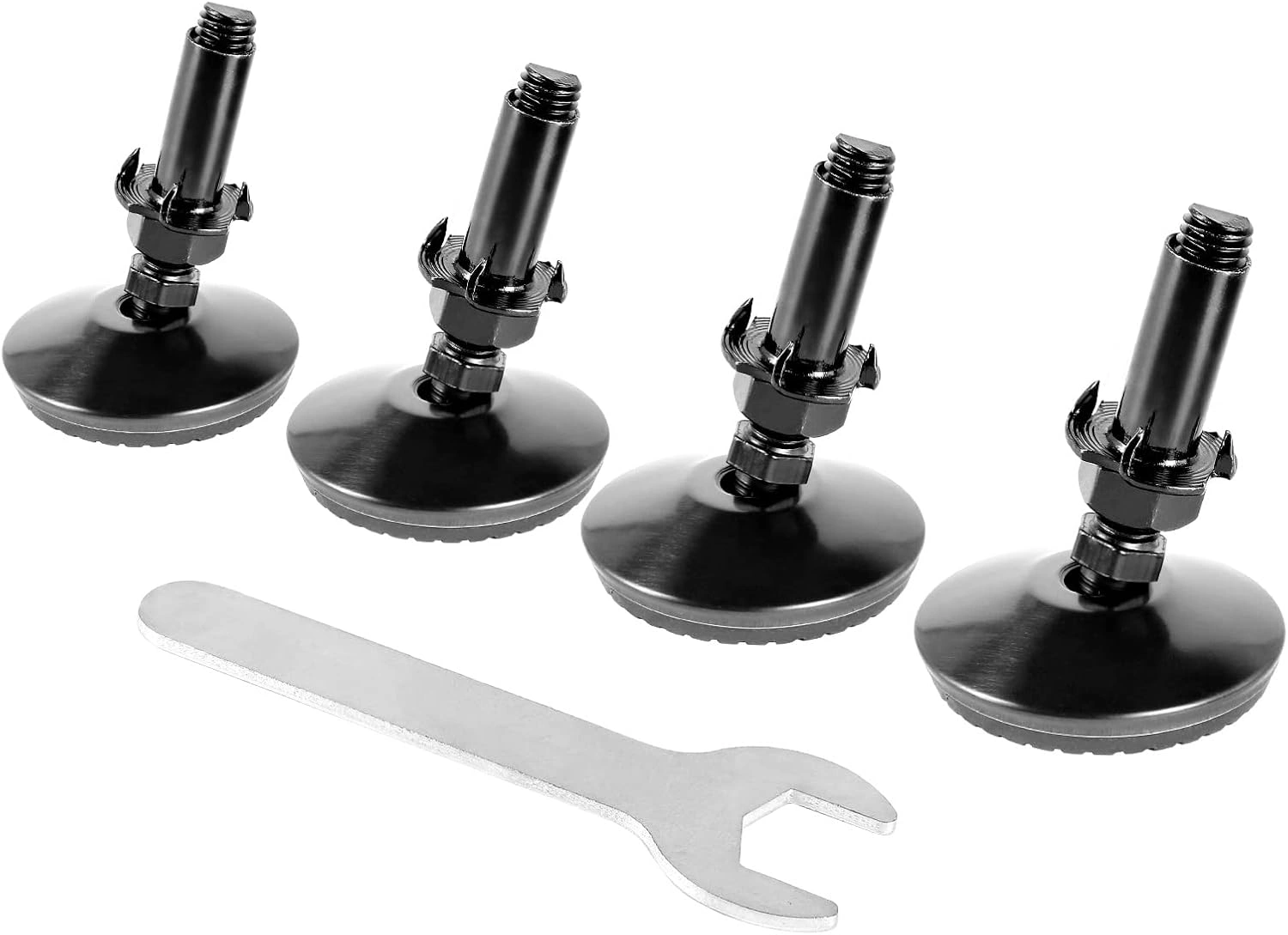
Swivel leveling feet vs fixed plays a key role in industrial machine stability design. Engineers evaluate structural behavior, load balance, and alignment precision when comparing both mounting methods. The choice affects vibration response and long-term operational consistency in manufacturing systems. Machine bases must maintain stable contact with flooring to prevent micro-shifts during high-speed production. Swivel designs improve adaptability on uneven surfaces, while fixed structures emphasize rigidity and static control. Procurement teams assess these differences during equipment planning stages to ensure proper integration. Selection influences installation efficiency, maintenance cycles, and overall mechanical reliability in demanding industrial environments.
Industrial Stability Requirements for Machine Bases
Industrial machinery requires stable foundations to ensure precision and repeatable performance.Floor irregularities, vibration, and load variation directly affect system behavior during operation.
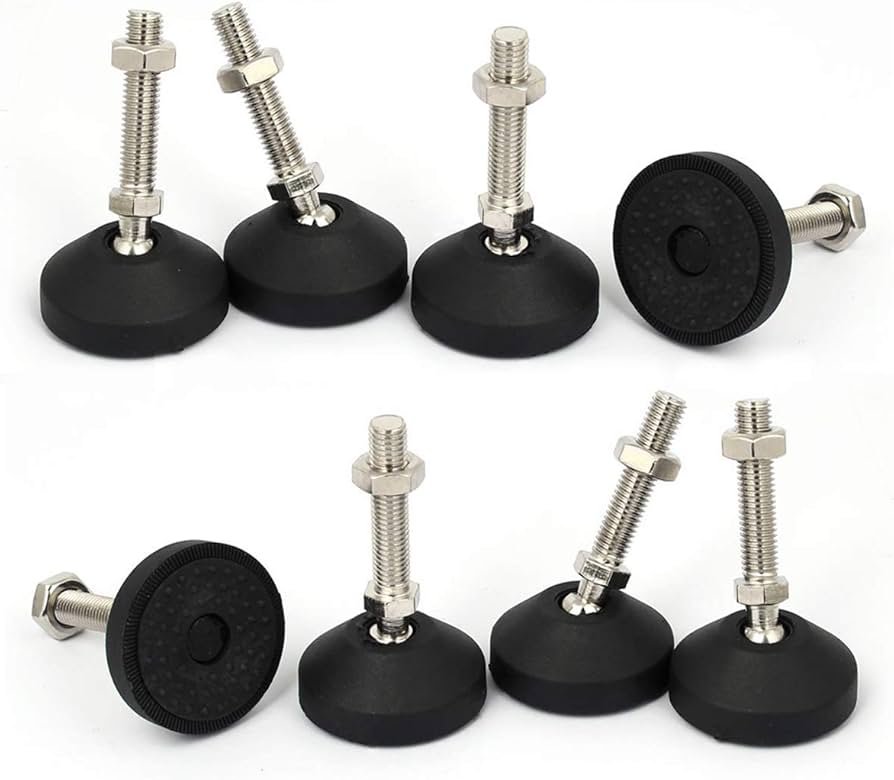
Engineers often evaluate how swivel leveling feet vs fixed solutions respond under dynamic production conditions. Stable contact between machine and ground is essential to avoid alignment drift over long cycles. Even small structural movement can reduce machining accuracy and increase defect rates. Anti vibration leveling foot systems are sometimes integrated to reduce oscillation transfer in sensitive equipment. Proper foundation design ensures consistent performance across continuous production environments. Stability planning remains a core requirement in industrial engineering applications.
Design Principles of Swivel Leveling Feet vs Fixed Systems
Mechanical design determines how each mounting system performs under operational stress. Swivel systems use rotational articulation to adjust to uneven surfaces, while fixed systems rely on rigid structural contact. Swivel leveling feet vs fixed differences are mainly defined by flexibility versus rigidity in load response. Engineers evaluate torque resistance, contact geometry, and load transfer efficiency during selection. Swivel mechanisms simplify alignment during installation, especially in complex layouts with uneven flooring. Fixed designs reduce mechanical complexity and improve structural consistency under constant load conditions.
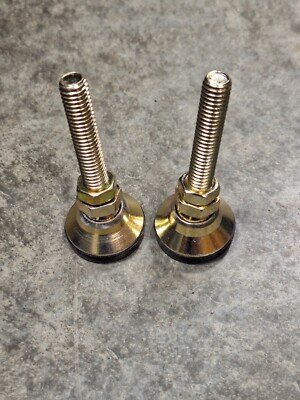
Swivel Leveling Feet vs Fixed in Industrial Stability Design
Industrial stability design focuses on maintaining alignment accuracy under continuous mechanical stress. Swivel leveling feet vs fixed selection depends heavily on floor conditions and machine sensitivity levels. Uneven surfaces require adaptive systems that can compensate for minor height variations. Fixed systems provide stronger positional rigidity but lack adjustment flexibility during setup. Engineers analyze vibration paths and load transfer behavior to determine optimal mounting configuration. Machine stability directly affects production consistency and equipment lifespan. Proper selection ensures reduced mechanical wear and improved operational reliability in automated manufacturing systems where precision is critical.
Load Distribution Mechanics in Fixed Mounting Systems
Fixed mounting systems transfer load directly into the ground through rigid contact points. This creates high stability but may increase localized stress under heavy operational loads. Uneven force distribution can lead to structural fatigue if not properly engineered. Material thickness and base geometry strongly influence long-term durability in these systems. Engineers calculate stress concentration zones to prevent deformation during continuous operation. Proper load balancing ensures equipment safety and structural integrity across industrial environments. Design accuracy plays a critical role in preventing mechanical failure under high-intensity production cycles where stability is essential.
Vibration Dampening and Machine Precision Considerations
Vibration control is essential in precision manufacturing environments where even minor oscillations affect output quality. Machine stability directly influences surface finish, dimensional accuracy, and tooling lifespan. Swivel leveling feet vs fixed comparison becomes important when evaluating vibration transmission paths. Rigid systems tend to transfer more vibration into the machine frame, while adaptive systems reduce minor misalignment effects. Material elasticity and contact design both influence damping performance. In some cases, anti vibration leveling foot solutions are added to further reduce oscillation in sensitive equipment. Effective vibration control improves repeatability and production efficiency in industrial applications.
Material Selection and Surface Contact Performance
Material selection significantly affects durability, wear resistance, and environmental adaptability in industrial components. Surface hardness determines how well components withstand long-term mechanical stress. Stainless steel leveling foot designs are commonly used in corrosive or moisture-heavy environments due to their resistance properties. Surface contact quality influences grip strength and stability during operation. Swivel leveling feet vs fixed systems require different material considerations based on stress distribution patterns. Coatings and surface treatments enhance resistance to abrasion and oxidation. Proper material engineering ensures consistent performance across demanding industrial production conditions where reliability is critical.
Installation Complexity and Maintenance Requirements
Installation requirements vary depending on system design and floor condition. Swivel systems provide easier adjustment during setup, especially on uneven surfaces. Fixed systems require precise floor preparation to achieve stable performance.Swivel leveling feet vs fixed choices affect installation time and alignment complexity.
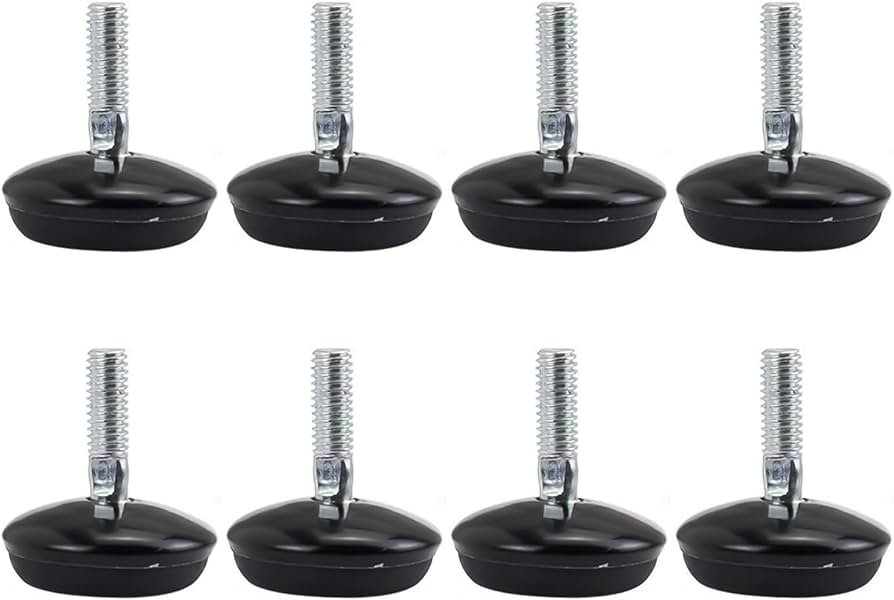
Maintenance frequency depends on vibration exposure and operational load levels. Swivel systems may require periodic inspection of moving joints, while fixed systems typically demand less ongoing mechanical attention. Proper installation reduces long-term operational risks and improves equipment reliability in industrial production environments where downtime must be minimized.
Cost Efficiency and Lifecycle Analysis in Industrial Use
Lifecycle cost analysis considers installation, maintenance, and replacement expenses over time. Swivel leveling feet vs fixed systems differ in both initial investment and long-term operational cost structures. Fixed systems generally offer lower upfront cost due to simpler construction. Swivel systems provide installation flexibility that can reduce labor costs in uneven environments. Operational downtime significantly influences total lifecycle efficiency. Durability and maintenance frequency determine replacement cycles in industrial applications. Proper evaluation helps procurement teams optimize long-term investment while maintaining required performance levels in production systems.
| Feature | Swivel Systems | Fixed Systems |
|---|---|---|
| Adjustment Capability | High adaptability on uneven floors | No adjustment flexibility |
| Vibration Response | Moderate damping performance | Higher vibration transmission |
| Installation Demand | Faster alignment process | Requires precise leveling work |
Swivel leveling feet vs fixed comparison highlights key differences in flexibility, vibration response, and installation efficiency. Engineers use these factors to determine suitability for specific industrial applications. Swivel systems improve adaptability in variable environments, while fixed systems prioritize rigidity and structural stability. Proper evaluation ensures reliable machine performance and reduced operational risk in long-term industrial use.
Application Scenarios Across Manufacturing Equipment
Different industrial machines require different mounting strategies depending on load and precision needs. CNC equipment demands high stability to maintain machining accuracy. Conveyor systems require consistent load support during continuous movement operations. Swivel leveling feet vs fixed selection depends on equipment sensitivity and environmental conditions. Fixed systems are often used in heavy-duty static machinery where movement must be minimized. Swivel systems are more suitable for adjustable or modular production layouts. Proper system matching ensures efficiency, stability, and long-term operational reliability in manufacturing environments.
| Factor | Engineering Impact |
|---|---|
| Load Handling | Determines structural stability under pressure |
| Floor Quality | Affects alignment precision and leveling accuracy |
| Maintenance Level | Influences long-term operational cost |
Engineering evaluation requires balancing multiple operational factors before selecting mounting systems. Environmental conditions, load characteristics, and vibration behavior all influence final decisions. Proper analysis ensures stable performance and reduces mechanical risk. Structured selection improves reliability and efficiency in industrial equipment applications.
Engineering Standards for Leveling Components
Industrial standards such as ISO 12100 and ISO 9001 define safety, durability, and performance requirements for machine leveling components. Load testing under ISO 7500-1 verifies structural capacity under maximum operating conditions. Material certification such as ASTM A240 and EN 10088 ensures compliance with global engineering regulations. Swivel leveling feet vs fixed systems must meet strict quality benchmarks for industrial reliability. Testing includes ISO 20816 vibration resistance, wear durability, and load endurance validation. Manufacturers often follow ISO-based quality systems to ensure global compatibility and process control. Certification processes support safe deployment in complex industrial environments where operational reliability is essential.
Selection Criteria for Procurement Teams
Procurement decisions require structured evaluation of performance, cost, and reliability factors. Engineers assess load requirements, vibration levels, and installation complexity before selecting mounting systems. Swivel leveling feet vs fixed systems are compared based on operational suitability and maintenance demands. Environmental conditions such as temperature, humidity, and floor quality also influence final selection. Risk assessment ensures safe and efficient equipment deployment in production environments. Proper selection improves operational efficiency and reduces long-term lifecycle costs in industrial applications.
Final Technical Comparison Summary of Systems
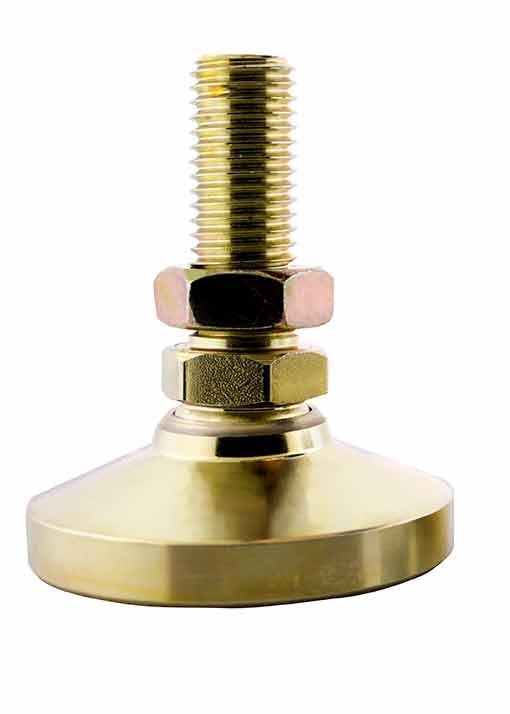
Swivel systems offer greater flexibility and easier installation in uneven environments, while fixed systems provide stronger rigidity and stability under heavy loads. Swivel leveling feet vs fixed comparison highlights the trade-off between adaptability and structural strength in industrial engineering design. Each system serves specific operational requirements depending on machine type and production conditions. Engineers must evaluate environmental factors, load behavior, and precision needs before final selection. Proper system choice improves equipment lifespan, reduces downtime, and enhances overall production stability in industrial systems.
FAQ
What is the main difference between swivel leveling feet vs fixed systems?
The main difference lies in flexibility and structural rigidity. Swivel systems allow angular adjustment, making them suitable for uneven flooring conditions. Fixed systems provide rigid support without adjustment capability. This affects alignment accuracy and installation ease in industrial environments. Swivel designs reduce setup effort by compensating for floor irregularities. Fixed systems offer stronger stability under static load conditions. Engineers select based on machine sensitivity, vibration tolerance, and operational requirements. Proper selection improves performance stability and extends equipment lifespan in manufacturing applications.
When should swivel leveling feet be preferred over fixed mounts?
Swivel systems are preferred when flooring conditions are uneven or when installation flexibility is required. They simplify alignment during commissioning and reduce setup time. Fixed mounts are better suited for controlled environments requiring maximum rigidity. Swivel systems improve adaptability under dynamic loads and complex layouts. Fixed systems provide stronger structural support for heavy machinery. Selection depends on vibration levels, load distribution, and environmental conditions. Engineers evaluate operational needs to ensure optimal machine stability and performance consistency across production systems.
Are fixed leveling systems more durable in heavy machinery applications?
Fixed systems generally provide higher durability in heavy machinery due to rigid structure and stable load distribution. They minimize movement, reducing wear over time. Swivel systems offer flexibility but may experience more mechanical stress in certain conditions. Durability depends on material quality, installation precision, and operational environment. Fixed systems perform better under constant static loads, while swivel systems excel in adaptive environments. Proper engineering selection ensures long-term reliability and structural stability in industrial applications.