Install leveling feet on machinery is a core process in industrial equipment setup that ensures structural stability and precision alignment. Proper adjustment reduces uneven load stress across machine bases and improves operational safety. Factory environments often present irregular floors, which makes controlled leveling essential for performance consistency. Engineers rely on mechanical support points to stabilize heavy systems under continuous vibration. Accurate setup reduces wear on internal components and extends equipment lifespan. In production lines, stability directly affects output quality and machine efficiency. Install leveling feet on machinery also supports safer maintenance access by minimizing unexpected movement during operation. This step forms the foundation of reliable industrial performance and long-term mechanical durability in demanding environments.
Install Leveling Feet on Machinery Selection and Preparation
Install leveling feet on machinery begins with selecting suitable components based on load capacity and operational conditions. Engineers evaluate machine weight, vibration intensity, and floor structure before installation. Proper preparation ensures all mounting points are clean and free from debris. Tools such as torque wrenches and alignment gauges are required for accurate adjustment. Safety checks confirm that the machine base can support installation stress without deformation. Install leveling feet on machinery also depends on verifying thread compatibility and material strength. Preparation reduces alignment errors and improves installation efficiency in industrial environments. Careful planning ensures that each support point functions evenly under load distribution. This stage is essential for achieving stable and predictable machine behavior during operation.
Machine Base Evaluation Before Installation
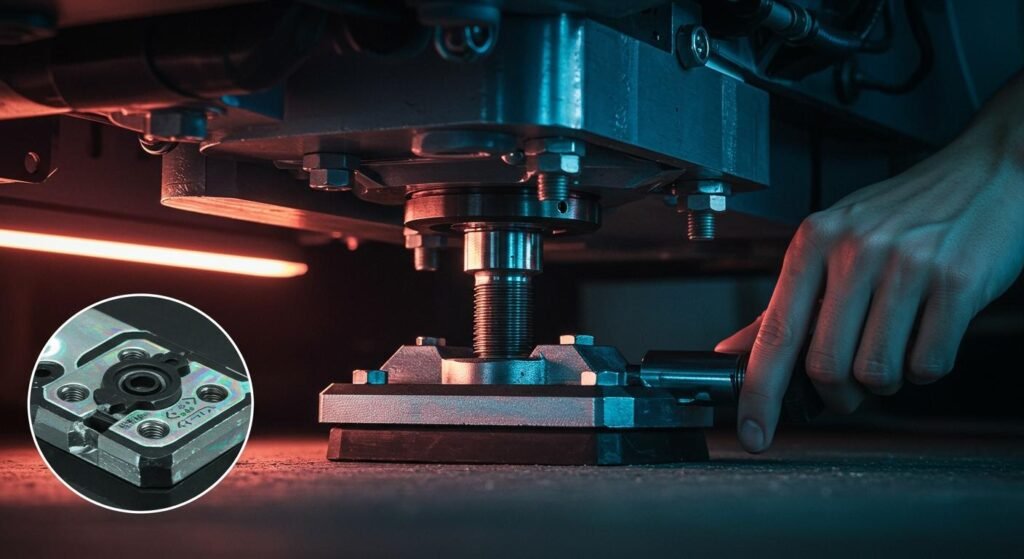
Machine base evaluation ensures structural readiness before mechanical adjustment begins. Engineers inspect flatness, rigidity, and anchoring points to determine suitability for load support. Uneven bases can cause long-term instability and vibration issues. Measurement tools help identify pressure distribution across support zones. Proper evaluation reduces risk of mechanical stress during operation. Industrial systems require consistent base strength to maintain alignment accuracy. Operators often reinforce weak areas before proceeding with installation. This step ensures balanced load transfer across all contact points. It also prevents early fatigue in machine structures. Accurate assessment improves overall system reliability and operational safety in production environments.
Component Selection for Industrial Stability
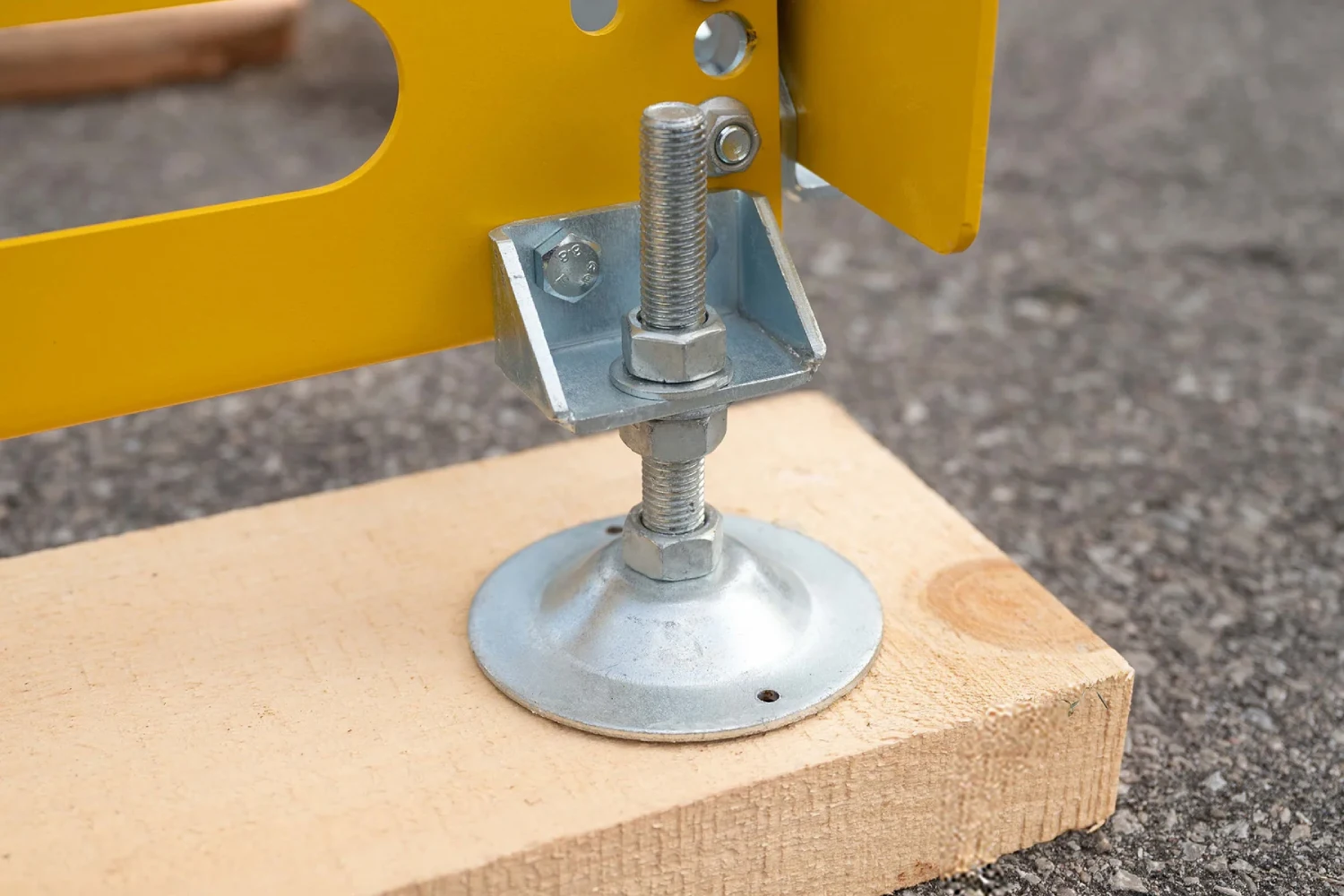
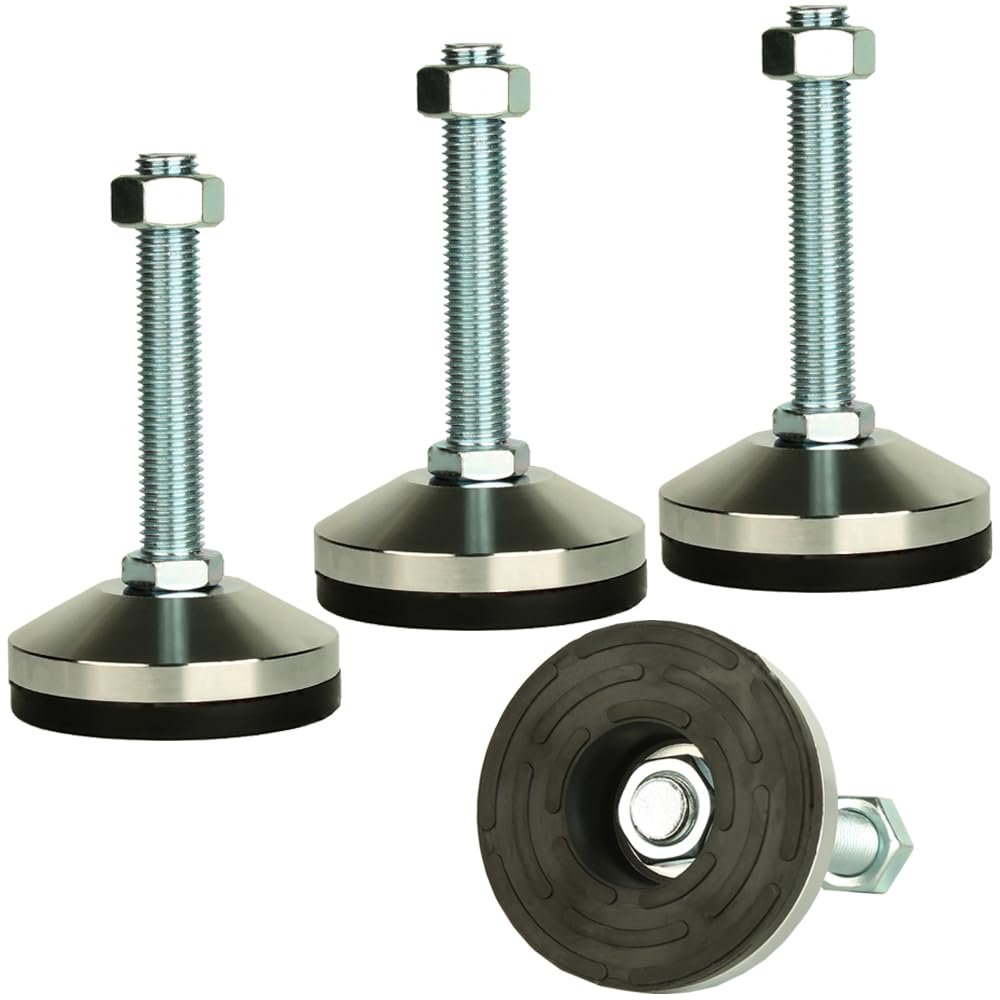
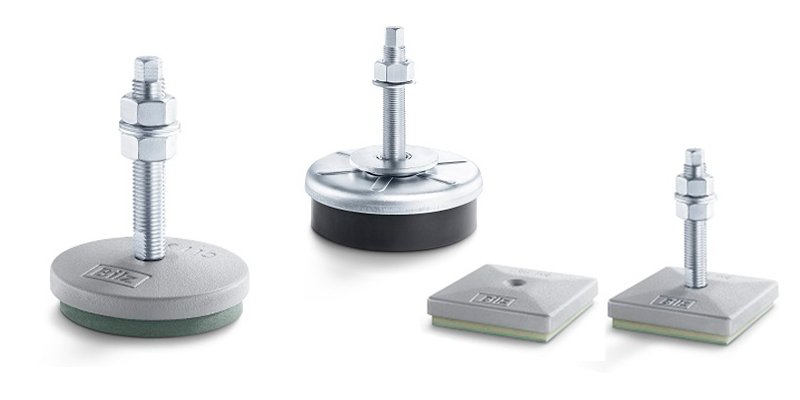
Selecting the correct leveling components is essential for long-term machine stability. Material type, load rating, and adjustment range all influence performance outcomes. Steel-based components provide higher durability under heavy industrial stress. Swivel designs allow flexibility on uneven floors, while fixed versions offer rigid support. Environmental factors such as humidity and chemical exposure must also be considered. In corrosive environments, a stainless steel leveling foot provides enhanced resistance and longer service life. Proper selection ensures compatibility with machine specifications and reduces operational risks. Engineers also evaluate vibration conditions to choose suitable damping characteristics. Correct component matching improves structural balance and reduces maintenance requirements over time.
Surface Alignment and Positioning Process
Surface alignment ensures accurate positioning before mechanical fastening begins. Engineers use precision tools to detect uneven contact points under the machine base. Gradual adjustments help distribute weight evenly across all supports. Stability must be maintained throughout the alignment process to avoid measurement errors. Floor irregularities are compensated through controlled mechanical adjustments. Install leveling feet on machinery is often prepared during this stage to ensure balanced positioning. Proper alignment reduces vibration transmission and improves operational precision. Repeated verification ensures consistent leveling accuracy across all support points. This process directly influences machine efficiency and long-term structural stability in industrial applications.
Step-by-Step Installation Workflow
Installation follows a structured mechanical sequence to ensure accuracy and safety. Mounting points are secured first before any adjustment begins. Each support foot is installed gradually to avoid uneven stress distribution. Technicians adjust each point independently to achieve balanced leveling. Continuous monitoring ensures correct positioning throughout the process. Install leveling feet on machinery is integrated into this workflow to maintain structural stability during setup. Final adjustments confirm equal load distribution across all supports. Machines are tested for initial balance before operational use. This structured method reduces installation errors and improves long-term equipment performance in industrial environments.
Torque Control and Fastening Precision
Torque Control and Fastening Precision Torque control ensures secure fastening without damaging mechanical threads. Engineers use calibrated tools to apply precise force during installation. Over-tightening can cause structural deformation, while under-tightening reduces stability. Consistent torque application across all points is essential for balanced performance. Install leveling feet on machinery requires strict adherence to manufacturer specifications. Each connection is verified to ensure uniform tension distribution. Proper fastening enhances vibration resistance and mechanical reliability. An anti vibration leveling foot improves damping stability. Industrial standards define acceptable torque ranges for different load conditions. This ensures consistent performance under continuous operational stress.
| Installation Factor | Recommended Range | Operational Effect |
|---|---|---|
| Load Distribution | Balanced across all points | Improves stability |
| Adjustment Range | 10–45 mm | Enhances alignment accuracy |
| Material Type | Steel / Alloy | Increases durability |
Installation Performance Parameters in Industrial Systems
The table above summarizes key factors influencing industrial installation quality. Balanced load distribution ensures stable operation under dynamic conditions. Adjustment range determines precision during alignment procedures. Material selection directly affects durability and resistance to environmental stress. Engineers use these parameters to evaluate system readiness before operation. Proper configuration reduces vibration and improves mechanical efficiency. Each factor contributes to long-term equipment reliability in production environments. Accurate assessment ensures stable performance under continuous industrial workloads.
Vibration Testing and Stability Verification
Vibration testing evaluates structural performance after installation is complete. Sensors measure oscillation levels during idle and active operation. Excess vibration indicates improper alignment or uneven load distribution. Engineers adjust support points until stability meets required thresholds. Install leveling feet on machinery is validated during this testing phase to ensure proper functionality. Controlled testing environments simulate real production conditions. Results confirm whether mechanical adjustments are effective. Stability verification ensures safe and efficient machine operation in industrial applications.
Maintenance Practices for Long-Term Stability
Maintenance ensures continued performance and structural integrity over time. Regular inspection identifies loosening, corrosion, or misalignment. Lubrication of threaded components supports smooth adjustment. Engineers recommend scheduled checks based on operational intensity. Environmental exposure may accelerate wear on mechanical parts. A vibration damping support system is sometimes integrated to reduce stress in high-frequency environments. Cleaning prevents debris buildup that may affect performance. Proper maintenance reduces downtime and extends equipment lifespan. Consistent monitoring ensures stable industrial operation over long production cycles.
FAQ
What affects the stability of industrial machine leveling systems?
Several factors influence stability, including load distribution, material selection, and installation precision.
How is alignment accuracy maintained during installation?
Alignment accuracy depends on precise measurement tools and controlled adjustment techniques. Engineers use leveling instruments to identify uneven surfaces before installation begins. Gradual adjustments help achieve balanced positioning across all support points. Continuous verification ensures stability throughout the process. Install leveling feet on machinery is adjusted incrementally to avoid structural imbalance. Floor irregularities are compensated using controlled mechanical corrections. Final checks confirm consistent leveling accuracy. Proper alignment improves machine efficiency and reduces vibration-related wear. This ensures long-term operational stability in industrial environments.
What maintenance ensures long-term system performance?
Maintenance includes regular torque checks, surface inspections, and component cleaning. Lubrication of threaded parts ensures smooth mechanical adjustment. Engineers schedule inspections based on usage frequency and environmental exposure. Early detection of wear prevents structural failure. Load reassessment helps maintain balanced support conditions. Dust and debris removal prevents performance degradation. Consistent maintenance extends equipment lifespan and improves reliability. Proper upkeep ensures stable and efficient operation in industrial production systems.