CNC machining aerospace requirements define strict standards for manufacturing critical aircraft parts. Aerospace components demand extreme accuracy, durability, and repeatability. Manufacturers must ensure every part meets exact engineering specifications. Even minor deviations can lead to system failure or safety risks. Aerospace environments expose parts to high stress and temperature variations. Therefore, machining processes must deliver consistent and reliable outputs. Precision milled components are often used in structural assemblies and engine systems. Companies invest heavily in advanced machining technologies to meet these expectations. Regulatory compliance also plays a key role in maintaining product integrity. High-performance outcomes depend on combining expertise, equipment, and strict process control.
Material Selection Standards In Aerospace CNC Machining Requirements
Material selection plays a critical role in cnc machining aerospace requirements. Engineers prioritize materials with high strength-to-weight ratios. Titanium alloys are widely used for their corrosion resistance and durability. Aluminum alloys offer lightweight benefits and excellent machinability. Nickel-based superalloys perform well under extreme temperatures. Composite materials are also used for specific aerospace applications. Each material must meet strict certification and traceability standards. Documentation ensures materials meet aerospace-grade requirements before machining begins. Chemical composition and mechanical properties must align with design specifications. Suppliers must provide full traceability records for each batch. Proper material selection ensures structural integrity and long-term performance.
Precision Tolerances And Surface Finish Requirements In Aerospace CNC Machining Requirements
Precision tolerances are central to cnc machining aerospace requirements. Aerospace parts often require tolerances within microns. Tight tolerances ensure proper fit and function of complex assemblies. Surface finish also affects performance and fatigue resistance.
Smooth finishes reduce friction and improve aerodynamic efficiency. Engineers specify roughness values based on application needs. Advanced machining techniques help achieve these strict requirements. Toolpath optimization and machine calibration are essential factors. Measurement systems verify dimensional accuracy during production. Even slight variations can compromise system performance. Therefore, strict tolerance control ensures reliability and safety.

Aerospace Compliance Standards And Certifications For CNC Machining
Compliance standards define essential cnc machining aerospace requirements for suppliers. AS9100 is the primary quality management standard in aerospace manufacturing. ISO 9001 provides a general quality framework for production systems. NADCAP certification ensures special processes meet industry expectations. These standards enforce strict quality control and documentation procedures. Audits verify compliance with aerospace regulations and customer requirements. Companies must maintain detailed records for every production stage. Certification ensures consistent quality and reduces operational risks. Meeting these standards builds trust with aerospace clients. Regulatory compliance remains a critical factor for market entry.
Advanced CNC Equipment And Technology Requirements In Aerospace Manufacturing
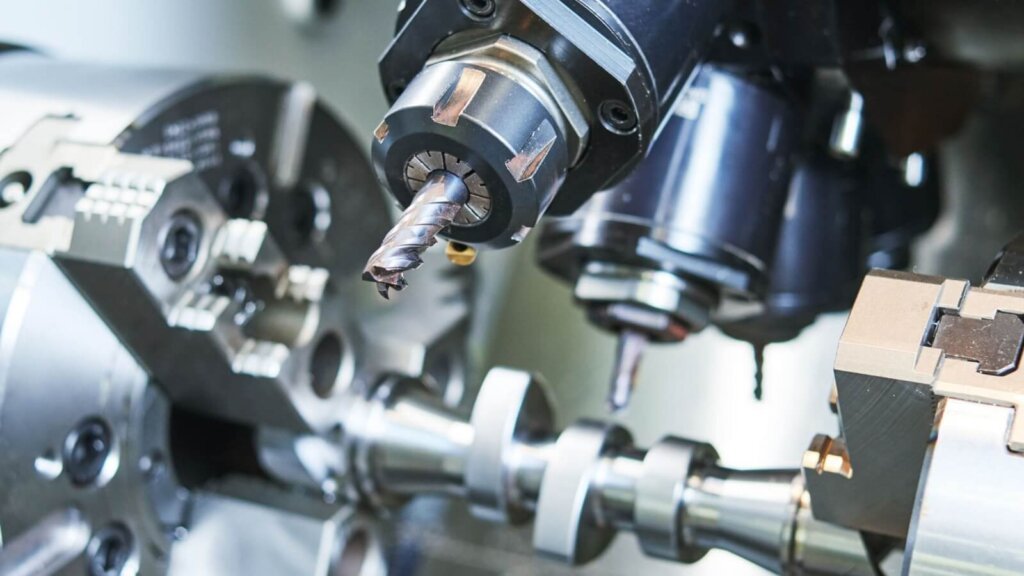
Advanced equipment supports cnc machining aerospace requirements in modern facilities. Multi-axis CNC machines enable complex geometry production. Five-axis systems improve efficiency and reduce setup time. Automation increases consistency and minimizes human error. CAD and CAM software optimize toolpaths and machining strategies. Digital twins help simulate machining processes before production begins. Real-time monitoring improves process control and quality outcomes. High-speed machining enhances productivity while maintaining precision. Machine rigidity and stability are essential for tight tolerances. Investment in advanced technology ensures competitive aerospace manufacturing capabilities.
Quality Control Processes In CNC Machining Aerospace Production
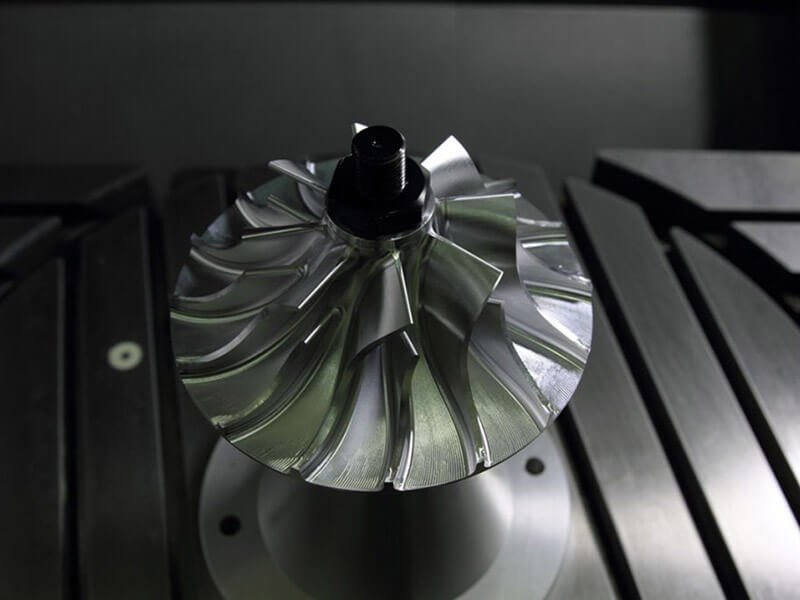
Quality control ensures compliance with cnc machining aerospace requirements. Inspection processes verify dimensions and surface finishes. Coordinate measuring machines provide high-accuracy measurements. Non-destructive testing detects internal defects without damaging parts. Statistical process control monitors production consistency over time.
Operators analyze data to identify potential issues early. Precision machined components must pass multiple inspection stages before approval. Documentation records every inspection result for traceability. Continuous improvement strategies enhance process reliability. Strong quality systems reduce defects and improve customer satisfaction.
Tooling And Cutting Parameters Optimization For Aerospace Materials
Tooling optimization is essential for cnc machining aerospace requirements. Aerospace materials are often difficult to machine due to hardness. Specialized cutting tools improve performance and extend tool life. Coated tools reduce heat generation and wear during machining. Proper cutting speeds and feeds prevent material deformation. Coolant systems help manage temperature and maintain stability. Toolpath strategies minimize stress on both tool and material. Engineers must carefully balance efficiency and precision. Incorrect parameters can lead to defects or tool failure. Optimized tooling ensures consistent and high-quality production outcomes.
Supply Chain And Traceability Requirements In Aerospace CNC Machining
Supply chain management supports cnc machining aerospace requirements through strict control systems. Traceability ensures every component can be tracked to its origin. Manufacturers maintain records of materials, processes, and inspections. Batch control systems help identify potential quality issues quickly. Suppliers must meet strict qualification standards before approval. Digital systems improve tracking accuracy and data accessibility. Aerospace clients require full transparency in production processes. Effective traceability reduces risk and enhances accountability. Documentation plays a critical role in compliance and audits. Strong supply chain management ensures consistent product quality.
Cost Factors And Efficiency Optimization In Aerospace CNC Machining
Cost management is influenced by cnc machining aerospace requirements. High-performance materials increase production costs significantly. Tight tolerances require advanced equipment and skilled labor. Compliance with standards adds administrative and operational expenses. However, efficiency improvements can reduce overall costs. Lean manufacturing strategies minimize waste and optimize workflows. Automation helps reduce labor costs and increase consistency. Process optimization improves cycle times and productivity. Balancing cost and quality remains a key challenge for manufacturers. Efficient operations support long-term competitiveness in aerospace markets.
Key CNC Machining Aerospace Requirements Summary Table
| Category | Requirement | Impact |
|---|---|---|
| Materials | Titanium, Aluminum, Superalloys | Strength and durability |
| Tolerances | Micron-level precision | Assembly accuracy |
| Certifications | AS9100, ISO 9001, NADCAP | Compliance assurance |
| Inspection | CMM, NDT methods | Quality validation |
| Traceability | Full documentation | Risk reduction |
Aerospace Material Properties Comparison Table
| Material | Strength | Weight | Heat Resistance |
|---|---|---|---|
| Titanium Alloy | High | Medium | Excellent |
| Aluminum Alloy | Medium | Low | Moderate |
| Nickel Alloy | Very High | High | Outstanding |
| Composite | High | Very Low | Variable |
Essential Aerospace CNC Machining Requirements Checklist
- Strict material certification and traceability
- Micron-level tolerance control
- Advanced multi-axis machining capability
- Compliance with aerospace standards
- Comprehensive inspection and testing
- Optimized tooling and cutting parameters
- Full production documentation
Detailed Explanation Of Aerospace CNC Machining Requirements Checklist
Each item in the checklist directly supports cnc machining aerospace requirements. Material certification ensures that only qualified materials enter production. Tight tolerance control guarantees proper assembly and performance. Advanced machining equipment enables complex geometry manufacturing. Compliance standards ensure consistent quality and regulatory alignment. Inspection processes validate every stage of production. Tooling optimization improves efficiency and reduces defects. Documentation ensures full traceability and accountability. Together, these elements create a reliable and high-performance manufacturing system. Companies that follow these practices achieve consistent aerospace-grade results.

Future Trends In CNC Machining Aerospace Requirements And Innovation
Future developments continue shaping cnc machining aerospace requirements. Automation and artificial intelligence improve process efficiency. Smart factories enable real-time monitoring and predictive maintenance. Additive manufacturing complements traditional machining processes. Hybrid systems combine multiple technologies for better results. Sustainability becomes a growing priority in aerospace production. Energy-efficient machines reduce environmental impact. Digital integration enhances data-driven decision making. Advanced materials introduce new machining challenges and opportunities. Continuous innovation ensures long-term growth in aerospace manufacturing.
FAQ
What makes aerospace CNC machining different from standard machining?
Aerospace CNC machining requires higher precision and stricter quality control than standard machining. Components must meet tight tolerances and specific material standards. These parts often operate under extreme conditions, including high temperature and pressure. Manufacturers must follow strict certification requirements such as AS9100 and NADCAP. Quality inspection processes are more detailed and frequent. Traceability is essential for every component produced. Even small deviations can lead to serious safety risks. Therefore, aerospace machining focuses heavily on reliability, consistency, and compliance with international standards.
Why are tolerances stricter in aerospace manufacturing?
Tolerances are stricter because aerospace components must function perfectly under demanding conditions. Small dimensional errors can affect performance, safety, and system reliability. Aircraft systems rely on precise fits between components to operate correctly. Tight tolerances reduce vibration, wear, and potential failure risks. High-speed and high-stress environments increase the need for accuracy. Engineers design parts with minimal margin for error. Advanced machining and inspection tools help achieve these requirements. Maintaining strict tolerances ensures long-term durability and operational safety in aerospace applications.
Which certifications are mandatory for aerospace CNC machining suppliers?
Aerospace CNC machining suppliers must meet several key certifications to operate in the industry. AS9100 is the most important quality management standard. ISO 9001 provides a broader quality framework for manufacturing processes. NADCAP certification is required for special processes such as heat treatment. These certifications ensure consistent quality and compliance with aerospace regulations. Regular audits verify that companies follow required procedures. Documentation and traceability are critical parts of certification compliance. Suppliers without these certifications may not qualify for aerospace contracts.