CNC Machining for Oil and Gas Parts
CNC machining for oil and gas parts often involves more than holding dimensions on a drawing. Components may contain pressure, guide motion, form a seal, connect fluid systems or operate in corrosive, abrasive, hot or cyclic conditions. The manufacturing plan should therefore be built around the part function, material condition, critical features and required documentation.
Buyers should avoid treating every energy-sector part as if it has the same risk level. A non-pressure mounting bracket, a valve component and a downhole tool can require very different materials, inspection plans and approval records. The drawing, purchase order and applicable project specifications control the actual requirements. For example, API Specification 6A concerns wellhead and tree equipment; it is not a blanket requirement for every oil and gas machined part.
Typical CNC Machined Component Types
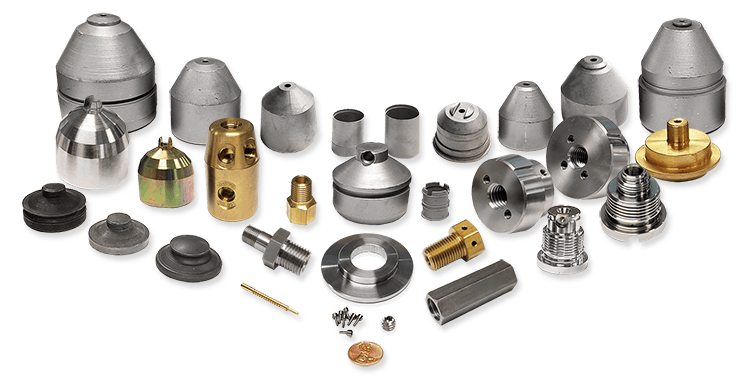
Depending on the equipment, CNC-machined parts may include:
- Valve stems, seats, bodies and internal components
- Pump shafts, sleeves, wear parts and housings
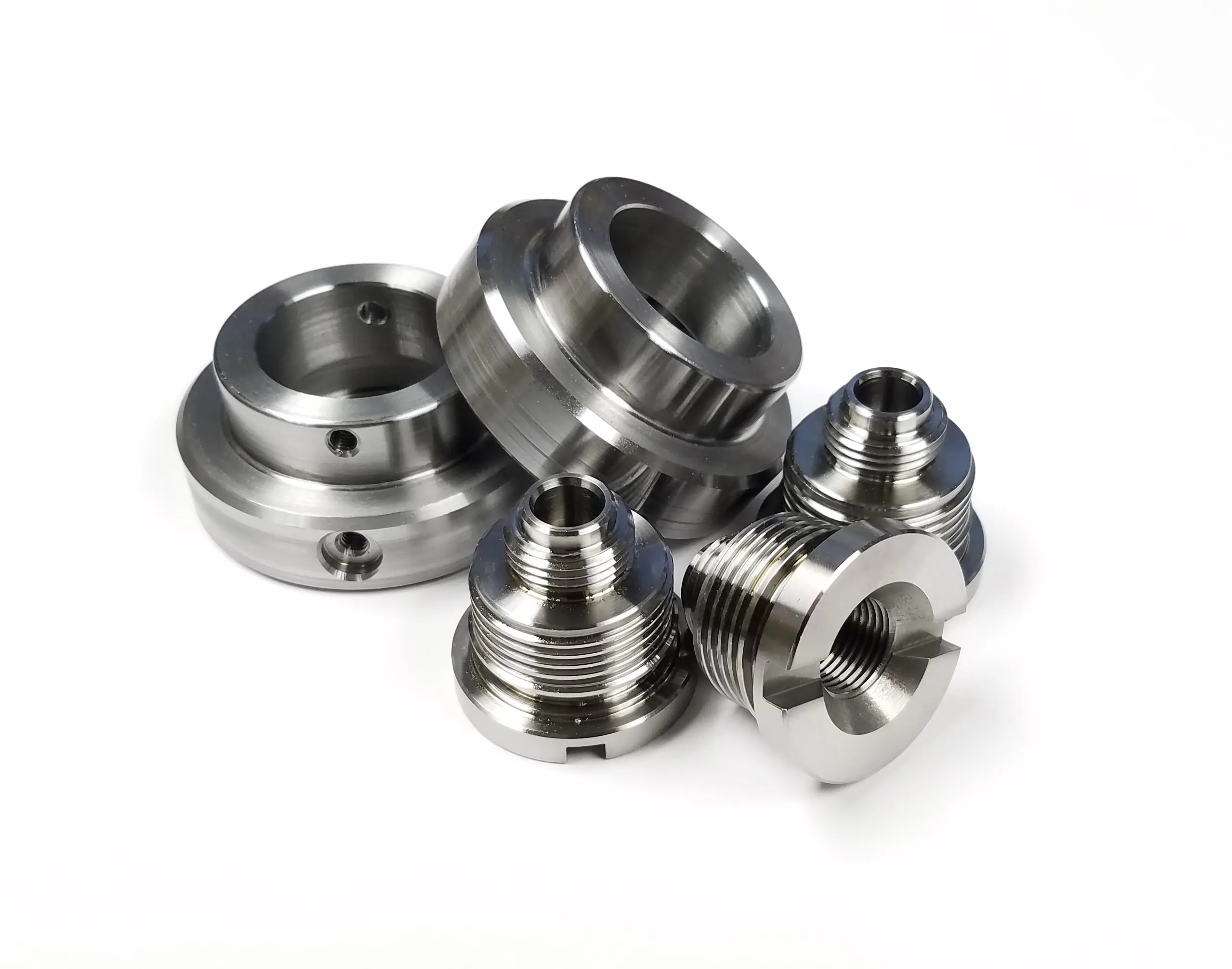
- Flanges, adapters and connector bodies
- Threaded subs, couplings and tool components
- Seal carriers, glands and retainers
- Manifold blocks and fluid-control components
- Instrumentation housings and mounting parts
- Replacement parts made from controlled drawings or approved samples
These examples do not mean one supplier can manufacture every type. Part envelope, material, pressure function, certification and special-process requirements must be confirmed before quotation.
Start with the Service Conditions
The material and machining route for precision machined components depend on what the part will experience. Define pressure, temperature, fluid chemistry, corrosion risk, erosion, vibration, fatigue, impact, expected life and maintenance access. For sour, subsea, high-temperature or safety-critical service, the applicable engineering specification must be identified by the purchaser or responsible engineer.
A generic statement such as “oil and gas grade” is not enough. The RFQ should state the exact material grade, condition, governing standard, certificate requirement and any limits on heat treatment or repair.
Critical Features to Identify
Not every dimension has the same functional importance. Mark the characteristics that control sealing, alignment, pressure containment, assembly or interchangeability.
| Feature | Why it may be critical | Information needed |
|---|---|---|
| Seal face or groove | Affects leakage and seal life | Geometry, surface texture, damage limits and inspection method |
| Pressure boundary | Carries internal or external pressure | Material, wall condition, acceptance criteria and traceability |
| Thread | Controls connection and load transfer | Standard, size, class, gauge method and coating allowance |
| Bore or shaft fit | Controls alignment, motion or sealing | Fit, tolerance, datum relationship and final condition |
| Hole pattern | Controls assembly alignment | Datums, position tolerance and measurement method |
| Coated surface | Adds corrosion or wear protection | Pre-coating dimensions, final thickness and masked areas |
Material Selection and Traceability
Material selection for precision CNC machined parts belongs to the engineering specification. Common project materials may include carbon steels, alloy steels, stainless steels, nickel alloys, copper alloys or engineered polymers, but suitability depends on the exact environment and function.
If traceability is required, define it before material is purchased. The supplier may need to maintain heat or batch identity through cutting, machining, subcontract processing, inspection and packaging. Required documents can include a material certificate, heat-treatment record, special-process certificate or declaration of conformity. The buyer should specify the required document type rather than asking generally for “full certification.”
Threads and Sealing Features
Threads require more than a nominal size. Specify the governing standard, form, pitch, class, taper if applicable, gauging requirement and final surface condition. Coatings or plating can change thread dimensions, so the inspection stage must be clear.
Sealing surfaces need controlled geometry and handling. Surface texture, flatness, roundness, waviness, scratches and edge condition may all matter. A single Ra value does not describe every aspect of a functional seal surface. The drawing should identify the required characteristic and measurement method.
Machining and Process Planning
The process sequence should protect the features that matter most. Typical planning questions include:
- Which datums will locate the part during machining and inspection?
- Can critical features be produced in one setup?
- Will heat treatment or coating move the part or change dimensions?
- Is stock allowance needed for grinding or finishing?
- Are deep bores, internal threads or intersecting passages accessible?
- How will burrs and contamination be removed?
- Which features require in-process checks?
Complexity often comes from the relationship between features rather than from the part’s overall size.
Inspection and Documentation
The inspection plan should match the drawing and risk. It may include incoming material verification, first-piece approval, in-process measurement, final dimensional inspection, thread gauging, surface-texture measurement, CMM reporting, visual inspection and documentation review.
For critical work, define:
- Characteristics to be reported
- Sampling or 100 percent inspection requirements
- Approved measurement methods
- Report format and units
- Drawing and revision identification
- Calibration and traceability expectations
- Handling of nonconforming results
- Retention period for records
Do not assume that a standard inspection report automatically covers every drawing characteristic.

Evidence to Request from a Potential Supplier
An article about a manufacturing method cannot establish that a particular workshop is qualified for a particular part. Before placing an order, request evidence matched to the drawing and service conditions. Useful evidence may include a written process route, the material source and available document type, inspection methods for critical features, any approved subcontract processes, and a sample report with customer details removed. Ask who is responsible for each step and which records will accompany the shipment.
For a pressure-containing or otherwise safety-critical component, the responsible engineer should identify the applicable specification and approval route. A supplier’s general CNC capability or a generic quality-system statement is not a substitute for that project review.
Surface Treatment and Special Processes
Heat treatment, plating, passivation, coating, grinding and nondestructive examination can affect dimensions, hardness, corrosion performance and lead time. State whether dimensions apply before or after the process. Identify masked surfaces, coating thickness allowances and certificate requirements.
When an external processor is used, the buyer should know whether approval, traceability or a named process specification is required.
RFQ Checklist
Provide:
- Controlled 2D drawing and 3D model
- Material grade, condition and standard
- Quantity and expected repeat demand
- Service environment and critical functions
- Tolerances, GD&T and datum scheme
- Thread and sealing requirements
- Heat treatment and surface processes
- Inspection scope and report format
- Material and process certification requirements
- Marking, cleanliness, preservation and packaging instructions
- Required delivery date and approval stages

Frequently Asked Questions
Are all oil and gas CNC parts pressure components
No. The sector uses both critical pressure-containing parts and lower-risk structural, mounting or control components. Requirements should match the actual function.
Which material is best for oil and gas parts
There is no universal best material. Pressure, temperature, corrosion, fatigue, fluid chemistry, applicable standards and cost all influence the choice.
What should buyers confirm before requesting a quotation
Confirm the controlled drawing, material specification, quantity, critical features, inspection scope, certification, special processes and delivery requirements.
Technical Reference
The American Petroleum Institute describes the scope of API Specification 6A as wellhead and tree equipment. Apply any standard only when the purchaser’s controlled requirements identify it for the component.
https://www.api.org/products-and-services/standards/important-standards-announcements/spec-6a