Linear motion systems define precision in modern automation environments. Engineers rely on them to convert rotary motion into controlled linear travel. This function directly affects accuracy, efficiency, and system durability. Manufacturing lines, robotics, and CNC machines all depend on stable transmission systems. Among available solutions, lead screw vs ball screw remains a core engineering comparison. Each system delivers distinct performance characteristics under different operating conditions. Selection influences production stability and maintenance planning. Industrial buyers must evaluate torque transfer behavior and friction levels. System design also impacts heat generation during continuous cycles. Proper matching improves long-term machine reliability in demanding environments.
Lead Screw vs Ball Screw in Industrial Motion Systems
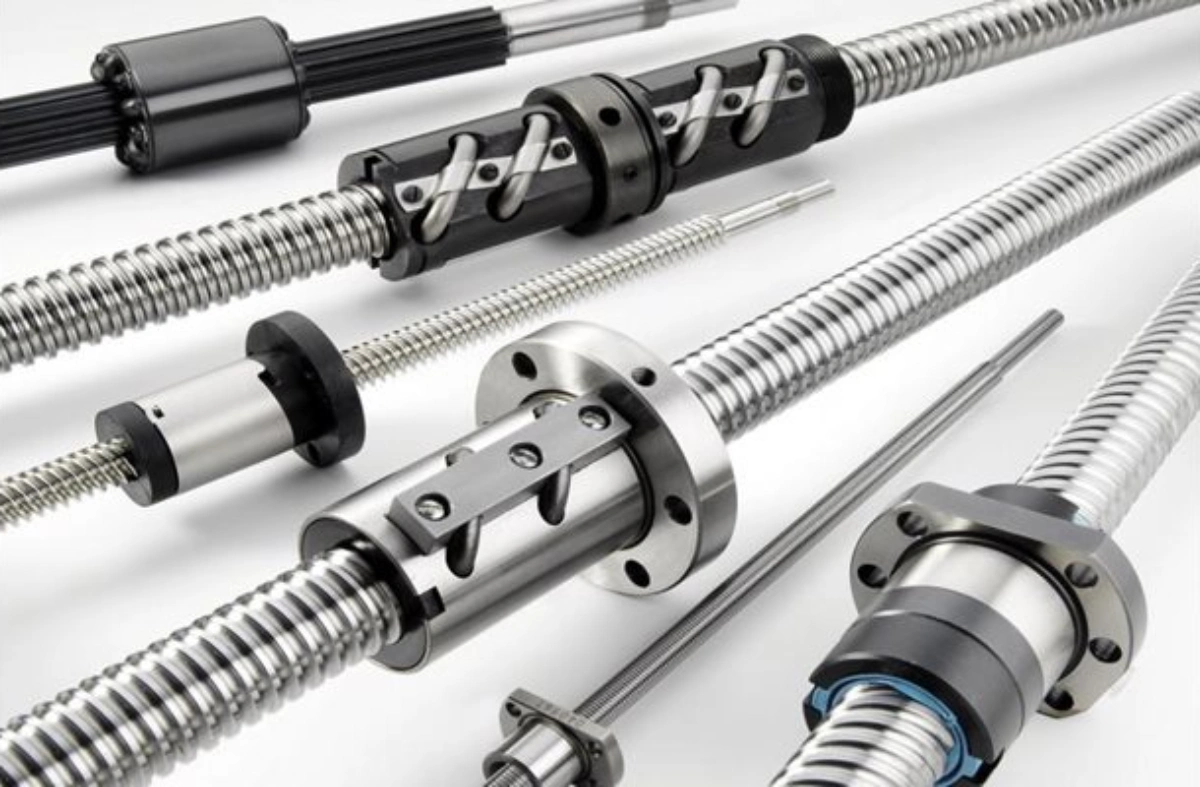
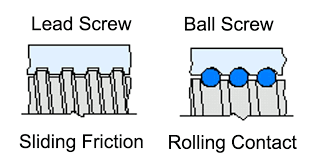
The comparison between lead screw vs ball screw is essential in precision engineering. Both systems convert rotational input into linear output. However, their internal mechanisms differ significantly in friction behavior. Lead screws rely on sliding contact between threads and nut surfaces. Ball screws use recirculating balls to reduce resistance. This structural difference affects efficiency and speed capability. In industrial environments, engineers choose based on load demands and accuracy requirements. Cost considerations also influence system selection. Lead screws are often preferred in simpler mechanical assemblies. Ball screws dominate high-precision automation systems with strict tolerance demands.
What Is a Lead Screw and How Does It Operate?
A lead screw is a mechanical device designed for linear motion conversion. It uses threaded engagement between screw shaft and nut. Motion occurs through sliding friction along the thread interface. This design provides self-locking capability in many configurations. Industrial systems often value this safety characteristic. The system performs well in low-speed applications with moderate loads. Lubrication reduces wear and improves operational lifespan. Materials such as hardened steel enhance durability under repetitive cycles. Some compact machines integrate threaded rod for machine alignment functions due to structural simplicity. Overall, lead screws prioritize stability over high-speed efficiency.
What Is a Ball Screw in Precision Machinery?
A ball screw operates using rolling elements inside a recirculating nut system. Steel balls move between screw grooves to minimize friction. This design significantly increases mechanical efficiency. Energy loss remains lower compared to sliding contact systems. High-speed motion becomes achievable with stable positioning accuracy. CNC machinery frequently depends on this mechanism for precision control. Manufacturing tolerances are tightly controlled during production. Surface finishing ensures consistent ball circulation paths. Preloading techniques reduce backlash and improve rigidity. These features make ball screws suitable for demanding automation environments requiring repeatable accuracy.
Lead Screw vs Ball Screw Performance Comparison
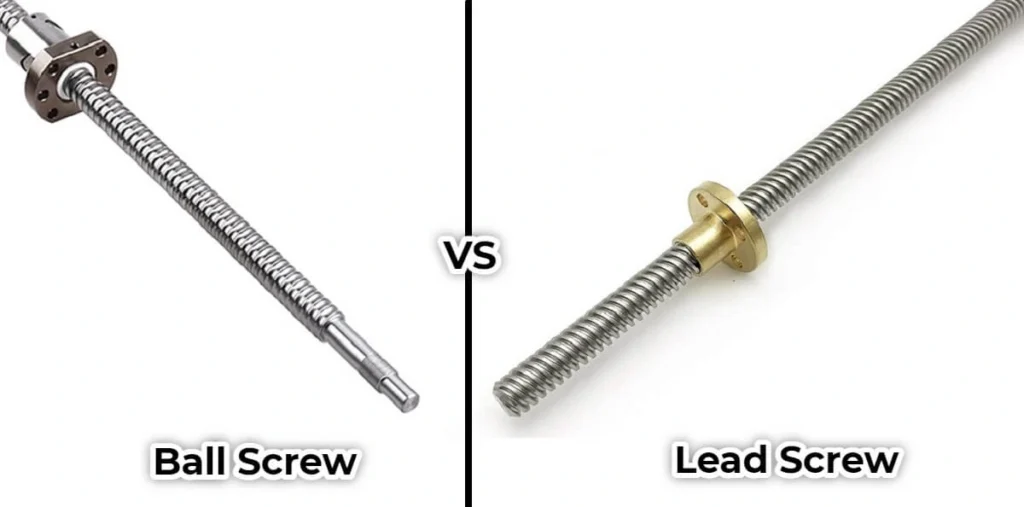
Performance differences between lead screw vs ball screw are most visible in efficiency and speed. Ball screws typically reach higher mechanical efficiency due to rolling contact. Lead screws experience greater frictional losses during operation. Speed capacity also varies significantly between both systems. Ball screws support faster linear travel without excessive heat buildup. Lead screws operate better under controlled low-speed conditions. Accuracy levels differ based on backlash control mechanisms. Ball screws achieve tighter positioning tolerances in automated systems. Lead screws offer acceptable precision for general industrial use. Energy consumption remains lower in ball screw systems under continuous duty cycles.
Load Capacity and Mechanical Strength Analysis
Load handling capability defines suitability in heavy-duty environments. Ball screws distribute force through multiple rolling elements. This reduces localized stress concentrations. lead screw vs ball screw selection in load-heavy systems depends strongly on shock resistance requirements. Lead screws rely on direct thread contact for load transfer. This increases wear under sustained high-force conditions. Static load ratings differ depending on geometry and material strength. Shock resistance is generally higher in lead screw assemblies. Continuous dynamic loading favors ball screw designs. Engineers evaluate fatigue life before system integration. Proper lubrication extends operational stability in both systems.
Cost Structure and Long-Term Maintenance Factors
Cost remains a major decision factor in industrial procurement. lead screw vs ball screw comparisons often start with investment analysis. Lead screw systems typically require lower initial investment. Their simpler design reduces manufacturing complexity. Maintenance demands are also relatively minimal in low-speed applications. Ball screw systems involve higher production precision and assembly standards. This increases overall cost structure significantly. However, long-term efficiency may offset initial expenses. Lubrication schedules differ between both systems. Ball screws require more controlled maintenance environments. Wear replacement cycles vary based on operational intensity. Downtime impact must be evaluated during system planning.
Materials and Surface Engineering in Screw Systems
Material selection strongly influences durability and performance. Alloy steels are commonly used in high-load applications. Heat treatment improves surface hardness and wear resistance. Coating technologies enhance corrosion protection in harsh environments. Precision grinding ensures accurate thread geometry. Ball screw systems often require tighter surface tolerances. Lead screw designs may tolerate slightly broader manufacturing ranges. A stainless steel lead screw is frequently used in corrosive environments such as food machinery and marine systems. Surface engineering plays a key role in extending service life. Proper material pairing reduces friction and improves mechanical stability.
Industrial Applications That Prefer Lead Screw Systems
Lead screw systems are widely used in controlled motion environments. Medical devices often rely on their predictable movement behavior. Packaging machines benefit from their cost efficiency. Adjustable industrial platforms use them for stable positioning. Low-speed automation systems prioritize their self-locking feature.
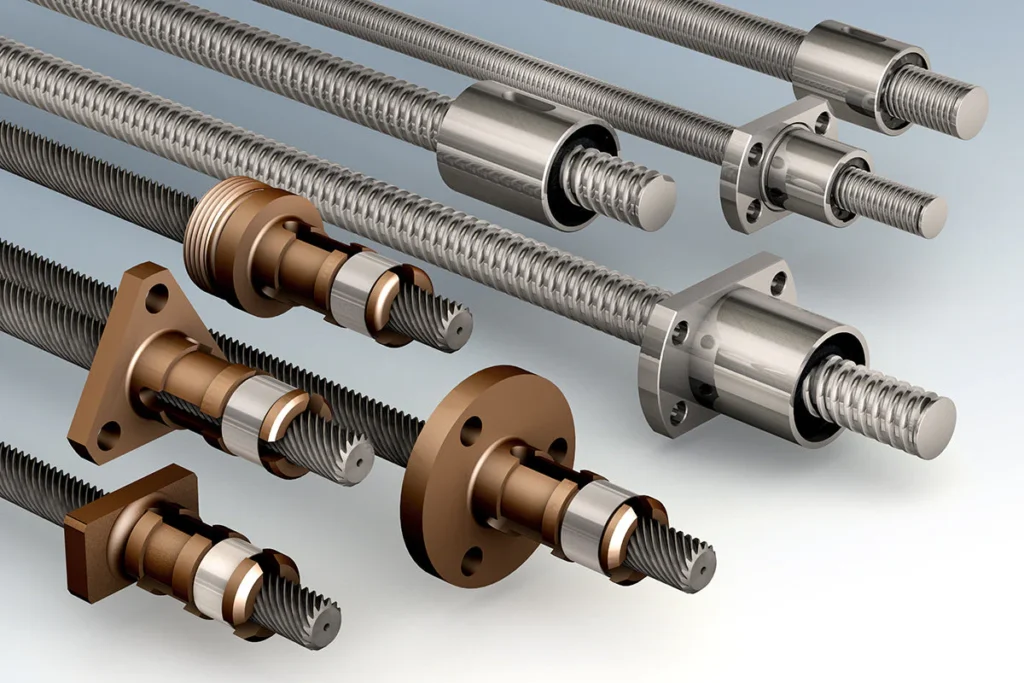
These systems perform well in intermittent duty cycles. Noise levels remain relatively low during operation. Maintenance requirements stay manageable in basic setups.
- Key advantages include stable positioning control
- Lower manufacturing and replacement cost structure
- Suitable for compact mechanical assemblies
These characteristics make them suitable for non-high-speed industrial tasks.
Industries That Depend on Ball Screw Technology
Ball screw technology dominates high-precision manufacturing environments. CNC machining centers require accurate multi-axis movement. Semiconductor production equipment demands nanometer-level positioning stability. Robotics systems rely on fast and repeatable motion control. Aerospace testing platforms require high load precision movement. High-cycle automation lines benefit from reduced friction losses. These industries prioritize efficiency and positional accuracy over cost. System reliability becomes critical in continuous production environments. Engineering teams often select preloaded configurations for rigidity improvement. Proper integration ensures long-term operational stability.
Lead Screw vs Ball Screw Performance Comparison Table
| Performance Factor | Lead Screw | Ball Screw |
|---|---|---|
| Efficiency | Moderate | High |
| Speed Capability | Low | High |
| Backlash Control | Limited | Advanced |
| Maintenance Level | Low | Moderate to High |
| Lifespan | Moderate | High |
The comparison table highlights key engineering differences between both systems. Ball screws demonstrate superior efficiency and speed performance. Lead screws maintain advantages in simplicity and cost control. Maintenance requirements vary significantly across operational environments. Engineers evaluate these metrics before system integration. Performance trade-offs depend on application-specific priorities. Selection must align with production demands and lifecycle expectations.
Application-Based Selection
| Application Type | Recommended System | Reason |
|---|---|---|
| Medical Equipment | Lead Screw | Controlled low-speed motion |
| CNC Machines | Ball Screw | High precision and speed |
| Packaging Lines | Lead Screw | Cost efficiency |
| Robotics | Ball Screw | Dynamic accuracy |
This table shows application-based selection logic for industrial buyers. Each system aligns with specific operational requirements. Lead screws serve cost-sensitive and controlled environments. Ball screws dominate high-speed precision industries. Engineers match system capability with production demand. Proper selection improves efficiency and reduces downtime risk. Application mapping supports long-term equipment optimization strategies.
How B2B Buyers Should Select the Correct Screw System
Industrial buyers must evaluate operational conditions before selection. Load requirements influence system choice significantly. Precision tolerance levels determine suitability for ball screw adoption. Budget constraints often favor lead screw solutions. Environmental factors such as dust and temperature also matter. Supplier capability ensures consistent manufacturing quality. International standards like ISO and DIN guide procurement decisions. Lifecycle cost analysis provides long-term financial insight. Maintenance infrastructure must align with chosen system type. lead screw vs ball screw evaluation should always be based on real operating cycles rather than theoretical specs alone. Engineering validation ensures compatibility with machine architecture.
Conclusion
Both systems serve critical roles in industrial motion control. lead screw vs ball screw selection depends on efficiency and precision needs. Lead screws prioritize simplicity and cost efficiency. Ball screws focus on precision and high-speed capability. Engineering teams must evaluate performance trade-offs carefully. Application requirements determine final selection outcomes. Proper system integration improves productivity and reduces mechanical failure risks. Long-term operational strategy should guide procurement decisions. Each system contributes uniquely to modern automation infrastructure.
FAQ
What industries benefit most from lead screw systems?
Lead screw systems are widely used in industries requiring controlled and low-speed motion. Medical device manufacturing is a common application area due to stability needs. Packaging machinery also benefits from their cost efficiency and reliability. Adjustable platforms in industrial environments use them for consistent positioning. These systems perform well where high speed is not required. Their self-locking capability adds safety advantages in vertical applications. Maintenance requirements remain relatively low, supporting long-term operation. Many compact mechanical assemblies rely on them for simple motion control solutions.
Why do ball screws deliver higher efficiency?
Ball screws achieve higher efficiency due to rolling contact between internal components. Steel balls reduce friction significantly compared to sliding interfaces. This design minimizes energy loss during motion transmission. Heat generation remains lower under continuous operation. Mechanical efficiency improves overall system performance in automation environments. CNC machinery depends on this precision advantage for accuracy. Preloading further enhances rigidity and reduces backlash. Smooth motion characteristics support high-speed industrial applications. These engineering advantages make ball screws essential in precision-driven manufacturing systems.
How should manufacturers evaluate screw system suppliers?
Manufacturers should assess supplier capability based on machining precision and material quality. Compliance with ISO and DIN standards indicates production reliability. Surface finishing consistency is critical for long-term performance. Traceability of raw materials ensures quality control. Production capacity determines scalability for large projects. Technical support availability influences integration success. Testing procedures validate load and accuracy performance. Delivery consistency impacts production planning. Cost structure must align with lifecycle expectations. Supplier evaluation should balance technical capability and commercial stability.