Industrial automation systems depend on precise linear motion performance. A reliable lead screw manufacturer directly affects positioning stability, load capacity, and equipment durability. Poor thread accuracy often creates vibration, backlash, and excessive wear during operation. Many packaging machines, CNC systems, and semiconductor devices require micron-level movement consistency. Manufacturers with advanced machining systems maintain stable lead accuracy during large production runs. Consistent thread geometry also reduces friction inside moving assemblies. Industrial buyers usually evaluate machining capability before requesting quotations. Production expertise becomes even more critical during high-speed automation applications. Suppliers with engineering experience often recommend optimized materials and nut combinations. Strong production management also shortens delivery cycles and improves long-term purchasing efficiency for global B2B buyers.
Core Production Capabilities of Industrial Suppliers
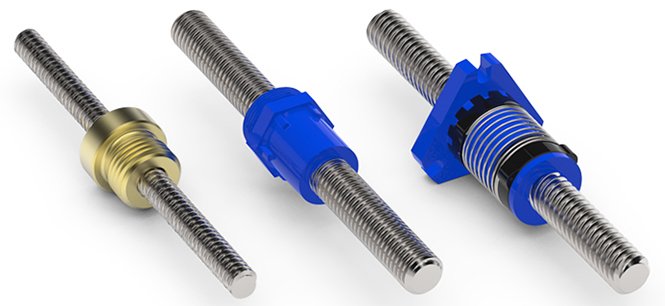
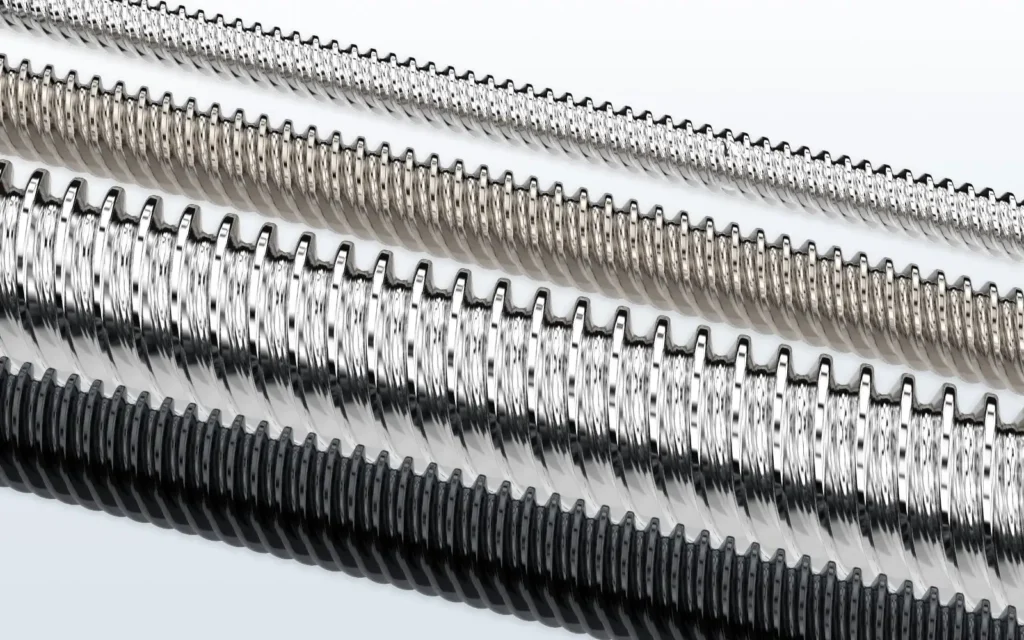
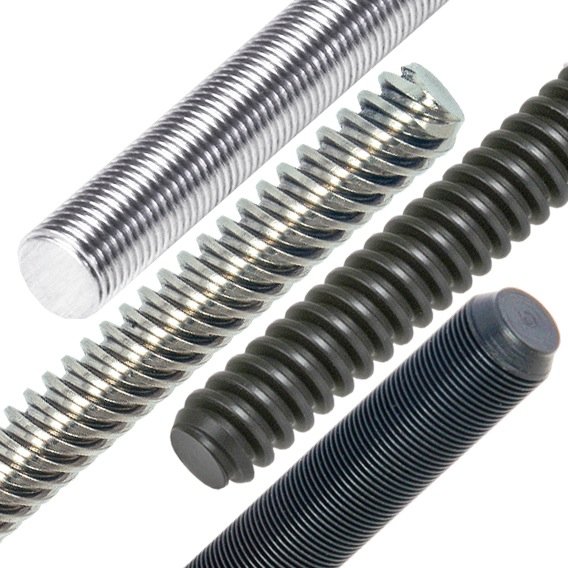
Production capability determines whether suppliers can meet industrial tolerance requirements. A professional lead screw manufacturer normally operates CNC lathes, thread rolling machines, and grinding systems. Each production stage influences thread accuracy and surface smoothness. Thread rolling creates stronger grain structures because the process compresses material instead of removing it. Grinding equipment improves dimensional precision for demanding applications. Advanced suppliers also perform heat treatment to increase hardness and wear resistance. Carbon steel screws usually receive black oxide or zinc plating for corrosion protection. Stainless steel materials resist moisture and chemical exposure in medical or food environments. Some automation systems also integrate a threaded rod for machine positioning assemblies requiring moderate precision and stable load transfer. Engineering teams usually evaluate pitch, diameter, and rotational speed before production begins.
Lead Screw Manufacturer Quality Standards and Certifications
Quality systems play a critical role in industrial procurement decisions. A trusted lead screw manufacturer typically operates under ISO 9001:2015 requirements ensuring process control, traceability, and continuous improvement. These systems enhance production consistency and inspection traceability. International buyers also require RoHS 3 Directive 2015/863 and REACH (EC) No 1907/2006 compliance for hazardous substance control in exported components. Material certificates verify composition and mechanical properties under ASTM A276 stainless steel and ISO 683 heat-treated steels. Precision inspection equipment checks lead accuracy, concentricity, and thread geometry, while laser systems detect dimensional deviations before shipment. Suppliers apply statistical process control and Six Sigma to stabilize large-volume production. Many automotive clients require PPAP Level 3 documentation. Rockwell hardness testing is conducted after heat treatment, and ISO/IEC 17025 calibration records ensure measurement accuracy. These practices reduce disputes and improve long-term B2B procurement reliability.
Material Selection and Engineering Performance
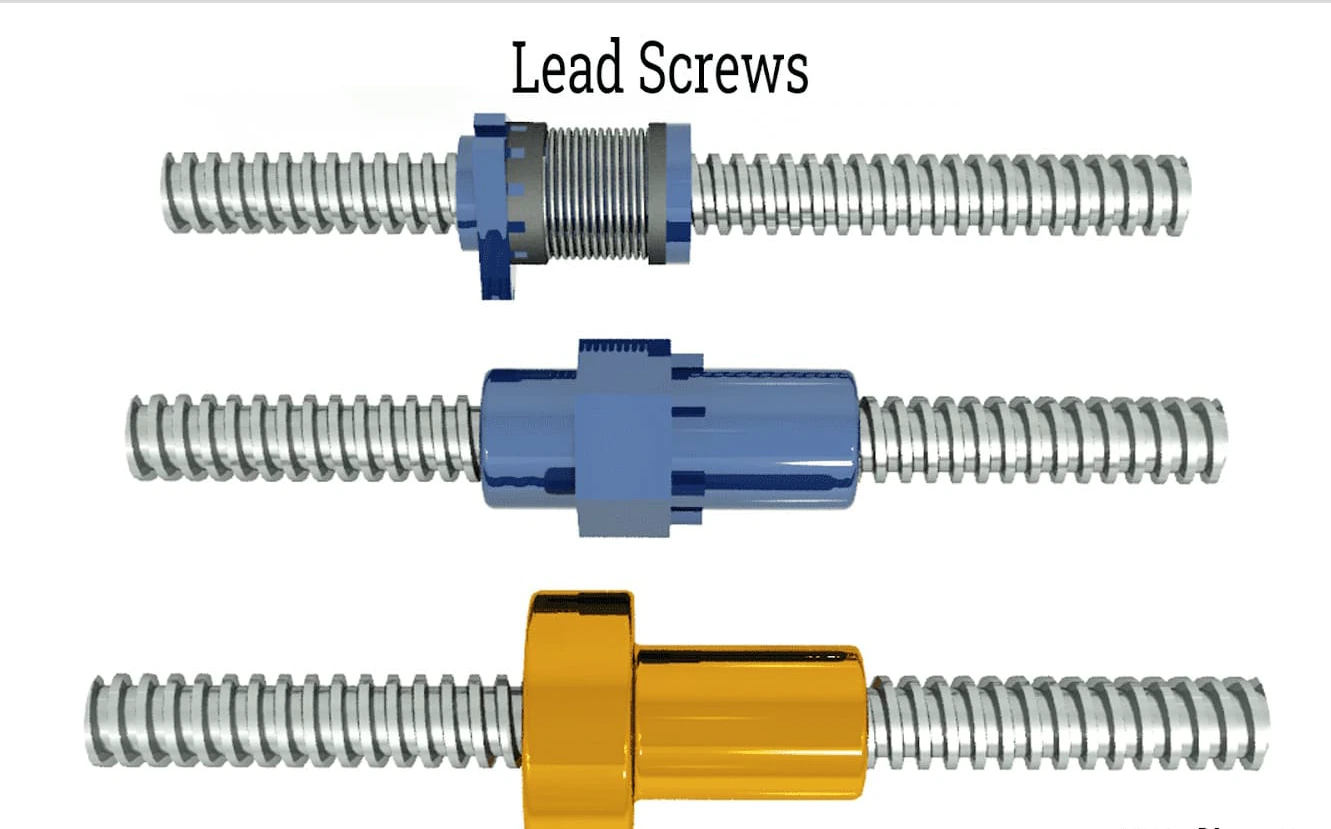
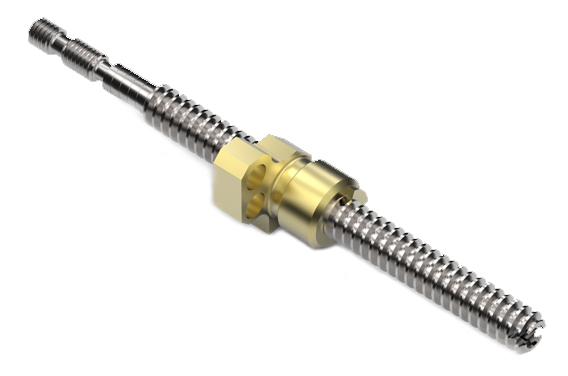
Material selection strongly influences operational lifespan and environmental resistance. Carbon steel offers good strength and economical production costs for general automation systems. Alloy steel materials provide improved hardness for high-load industrial applications. Many medical and food machines require stainless steel lead screw components because they resist corrosion and simplify sanitation procedures. Bronze nuts usually pair with steel screws because bronze reduces friction and minimizes wear. Engineers also evaluate thermal expansion rates during high-temperature applications. Surface hardness directly impacts thread durability during continuous operation. Induction hardening increases wear resistance without affecting core toughness. Certain aerospace applications require lightweight aluminum bronze combinations for reduced system weight. Manufacturers with material engineering experience often recommend optimized combinations for specific industrial environments. Proper material selection significantly lowers maintenance frequency and replacement costs.
Manufacturing Tolerances and Precision Control
Precision control separates high-end suppliers from low-cost factories. Industrial motion systems require stable lead accuracy to maintain repeatable positioning performance. Thread pitch errors can cause vibration, noise, and assembly instability. Manufacturers typically classify lead screws according to tolerance grades and application requirements. Precision grinding improves straightness and concentricity during production. Advanced inspection systems measure deviations across the entire screw length. Some semiconductor applications require extremely low backlash values for precise positioning movement. Engineers often adjust nut preload levels to reduce mechanical clearance. Lubrication grooves also improve operational smoothness during continuous movement cycles. Reliable production teams document inspection data for every batch. Consistent tolerance control increases equipment lifespan and reduces maintenance interruptions in automated production lines worldwide.
Production Equipment and Automation Systems
Modern machinery significantly improves manufacturing consistency and production speed. High-quality suppliers invest heavily in automated machining systems and inspection equipment. Multi-axis CNC centers produce complex thread geometries with excellent dimensional stability. Automated thread rolling machines also increase production efficiency during large-volume manufacturing projects. Robotic loading systems reduce manual handling errors during machining operations. Precision grinding equipment creates smoother thread surfaces for low-friction movement. Manufacturers serving aerospace and medical industries often operate climate-controlled inspection rooms. Digital monitoring systems collect real-time production data throughout machining cycles. Advanced factories also integrate ERP systems for inventory and scheduling management. Strong automation capabilities allow suppliers to maintain stable quality across large export orders. Equipment investment usually reflects long-term manufacturing commitment and industrial production maturity.
| Capability | Standard Supplier | Advanced Supplier |
|---|---|---|
| Lead Accuracy | ±0.1 mm/300 mm | ±0.018 mm/300 mm |
| Inspection Method | Manual Gauges | Laser Measurement |
| Heat Treatment | Basic Hardening | Induction Hardening |
| Production Volume | Medium | Large Scale |
| Certification | ISO 9001 | ISO 9001 + PPAP |
Why Advanced Equipment Improves Long-Term Purchasing Value
Advanced equipment improves more than dimensional consistency. Automated systems reduce production waste and improve delivery reliability during large industrial projects. Precision inspection technology also lowers rejection rates before shipment. Many buyers focus only on unit pricing during supplier selection. Long-term operational stability often creates greater financial value than short-term savings. Suppliers with automated production systems usually maintain better scheduling accuracy. Faster machining speeds also shorten emergency replenishment cycles for OEM customers. Consistent production quality minimizes downtime caused by defective components. Engineering support becomes more efficient when suppliers operate digital production management systems. Industrial procurement teams often prioritize manufacturers with scalable automation capacity because future order volumes may increase significantly during long-term cooperation.
Customization Services for Industrial B2B Projects
Industrial buyers frequently require customized dimensions and thread profiles. A professional lead screw manufacturer should provide flexible OEM and ODM production support. Customization may involve diameter changes, special coatings, or unique nut structures. Semiconductor equipment often requires ultra-fine pitch configurations for precise motion control. Medical systems may demand compact assemblies with strict cleanliness standards. Engineering departments usually review technical drawings before prototype production begins. Rapid sampling capabilities shorten product development timelines for OEM projects. Some suppliers also provide assembly services for complete linear motion systems. Technical communication quality strongly affects project efficiency during customization stages. Manufacturers with experienced engineering teams usually identify design risks before mass production. Early technical evaluation reduces modification costs and prevents production delays during large industrial orders.
| Industry | Typical Material | Main Requirement | Surface Treatment |
|---|---|---|---|
| Medical Equipment | 304 Stainless Steel | Corrosion Resistance | Polishing |
| CNC Machinery | Alloy Steel | High Precision | Induction Hardening |
| Food Processing | 316 Stainless Steel | Hygiene Compliance | Electropolishing |
| Packaging Systems | Carbon Steel | Cost Efficiency | Zinc Plating |
| Automation Robotics | Hardened Steel | Wear Resistance | Black Oxide |
Supply Chain Stability and Global Delivery Capacity
Stable delivery performance remains essential for international procurement operations. Raw material shortages can delay industrial production schedules significantly. Strong suppliers usually maintain long-term relationships with steel mills and component vendors. Inventory management systems help factories control production lead times more effectively. Export experience also improves customs processing efficiency for overseas buyers. Packaging quality becomes important during long-distance transportation. Moisture-resistant packaging materials reduce corrosion risks during ocean shipping. Manufacturers with multilingual sales teams often communicate more efficiently with international customers. Delivery tracking systems improve order visibility during global logistics operations. Buyers should evaluate emergency production capacity before long-term cooperation begins. Reliable supply chain management reduces operational disruptions and supports stable production planning for industrial customers worldwide.
Key Factors Buyers Should Evaluate Before Cooperation
Industrial buyers should review several important areas before placing large-volume orders. Technical verification reduces procurement risks and improves long-term supplier relationships.
- Request material certificates before mass production approval
- Confirm inspection procedures for thread accuracy verification
- Review heat treatment capability and hardness standards
- Evaluate engineering response speed during technical discussions
- Verify export packaging methods for overseas transportation
- Check prototype production timelines before tooling approval
- Review historical delivery performance for large-volume projects
- Confirm after-sales support availability for urgent situations
These evaluation steps improve purchasing confidence during supplier selection. Technical transparency often indicates strong manufacturing discipline and operational reliability. Buyers should also compare communication efficiency between different suppliers. Fast engineering feedback usually reflects strong internal coordination systems. Production scalability becomes important when industrial demand increases rapidly. Reliable factories normally provide detailed inspection reports and production schedules before shipment. Procurement teams also benefit from reviewing previous export project experience. Comprehensive supplier evaluation reduces quality disputes and improves long-term cooperation stability across international industrial supply chains.
Cost Evaluation Beyond Initial Unit Pricing
Many procurement teams focus heavily on unit pricing during supplier comparison. Low prices sometimes hide machining defects, weak materials, or inconsistent inspection standards. Inferior thread quality may increase equipment downtime and maintenance expenses later. High-precision components often deliver better long-term financial value despite higher purchase costs. Durable materials reduce replacement frequency during continuous operation. Efficient lubrication systems also minimize friction and energy consumption. Reliable suppliers usually maintain stable production quality across multiple orders. Engineering support further improves installation efficiency and operational performance. Buyers should calculate lifecycle costs instead of comparing quotations alone. Long-term procurement success depends on balancing pricing, quality consistency, delivery reliability, and technical support capability throughout the entire industrial cooperation process.
FAQ
What certifications should a lead screw supplier provide?
Industrial suppliers should provide ISO 9001:2015 certification because it defines quality management system requirements for controlled manufacturing and traceability. Many international buyers also require RoHS 3 Directive 2015/863 compliance for hazardous substance restriction and REACH Regulation (EC) No 1907/2006 compliance for chemical safety in exported products. Automotive industries often request Production Part Approval Process (PPAP Level 3) documentation during validation stages. Material certificates based on ASTM A276 or ISO 683 standards confirm chemical composition and mechanical performance. Reliable factories also provide Rockwell hardness reports and dimensional inspection records. Calibration certificates following ISO/IEC 17025 ensure measurement accuracy across production systems. Strong certification frameworks improve procurement confidence and reduce compliance risks in global supply chains.
How does thread manufacturing affect machine accuracy?
Thread manufacturing directly influences positioning precision and mechanical stability. Poor thread geometry can create backlash, vibration, and uneven load transfer during operation. Precision grinding improves lead accuracy and surface smoothness significantly. Thread rolling strengthens material structure because the process compresses metal instead of cutting it. Accurate concentricity also reduces rotational instability during high-speed movement. Lubrication performance depends heavily on surface finish quality and thread consistency. Industrial automation systems often require repeatable positioning within tight tolerances. Manufacturing defects may increase maintenance frequency and shorten equipment lifespan. Reliable suppliers use advanced inspection systems to monitor thread quality throughout production. Stable machining accuracy improves long-term operational reliability in demanding industrial environments.
Why do industrial buyers request customized lead screw solutions?
Industrial equipment often operates under unique load, speed, and environmental conditions. Standard components may not satisfy specialized engineering requirements. Customized dimensions improve assembly compatibility and installation efficiency. Certain industries require special coatings for corrosion resistance or low-friction movement. Semiconductor systems may demand extremely fine pitch designs for precise positioning performance. Medical equipment often requires compact assemblies with strict cleanliness standards. Engineers also modify nut structures to reduce backlash and improve movement stability. Custom prototypes allow buyers to verify performance before mass production begins. Manufacturers with strong engineering capability usually optimize designs according to operational requirements. Customized solutions improve equipment efficiency and reduce long-term maintenance challenges for industrial users.