Industrial machine stability depends on accurate weight distribution across support points. The concept of calculate load per leveling foot helps engineers prevent uneven stress on machine bases. Poor distribution often leads to vibration, alignment drift, and structural fatigue. In production environments, even minor imbalance can reduce machining accuracy and increase maintenance cycles. Engineers use this method to ensure each support foot carries an appropriate share of total equipment weight. This improves long term reliability and reduces unexpected downtime. It also supports safer installation practices in heavy machinery systems where precision alignment is essential for operational efficiency and mechanical safety.
Engineering Load Distribution Logic in Mechanical Stability Systems
Mechanical systems rely on balanced force distribution across multiple support points. The process of calculate load per leveling foot ensures each contact point carries a controlled share of static and dynamic forces. Static loads include machine weight and installed components. Dynamic loads involve vibration, motion, and operational shock. Engineers design support layouts based on center of gravity and structural rigidity. When load distribution is uneven, stress concentrates on weaker points, leading to deformation. Proper calculation enhances machine stability and reduces long term structural failure risks in industrial production environments where continuous operation is required.
Material Strength Influence on Load Performance
Material selection directly affects support capacity and durability in leveling systems. Steel alloys provide high compressive strength and resistance to deformation under heavy loads. Stainless variants improve corrosion resistance in humid or chemical environments. Composite materials reduce weight while maintaining moderate strength levels. Engineers must still calculate load per leveling foot to match material limits with real operational demands. Thread geometry, base diameter, and contact surface finish also influence pressure distribution. These factors determine how effectively force transfers from machine frame to ground support systems in demanding industrial environments requiring long service life.
Industrial Systems Requiring Precision Load Balancing
Manufacturing environments depend heavily on stable machine positioning. CNC machines, automated conveyors, and packaging systems require consistent alignment for accuracy. In these systems, calculate load per leveling foot ensures that vibration does not distort operational precision. Even small misalignments can affect product quality and increase rejection rates. High speed production lines are especially sensitive to imbalance. Engineers often evaluate floor flatness and machine center of gravity before installation. This ensures each support point contributes equally to stability. Proper balancing improves efficiency, reduces wear, and maintains long term operational consistency in industrial automation settings.
Step-by-Step Engineering Method for Load Calculation
Engineers follow structured methods when distributing machine weight across support points. The first step involves determining total machine mass including attachments and operational load. Next, calculate load per leveling foot using equal or adjusted distribution based on geometry. Safety factors are added to account for vibration and uneven surfaces. Engineers also analyze shifting loads during operation cycles. This ensures each support point remains within safe stress limits. Simulation tools often validate manual calculations before installation. Proper application reduces mechanical failure risks and improves long term stability in industrial systems requiring precision alignment and consistent output quality.
Common Engineering Errors in Load Distribution Design
Many stability issues arise from incorrect assumptions during design stages. One common mistake is ignoring dynamic load variation during operation cycles. Another issue involves incorrect estimation of center of gravity position.
Optimization Techniques for Enhanced Machine Stability
Improving stability requires both design and maintenance strategies. Adjustable support systems help distribute weight more effectively across uneven surfaces. Engineers often recalibrate systems after installation to maintain balance. Proper floor preparation also improves contact uniformity. Regular inspections detect early signs of misalignment or wear. In high vibration environments, damping systems further enhance stability. When engineers calculate load per leveling foot correctly, optimization becomes more effective and predictable. These methods reduce downtime and improve operational precision. Long term stability depends on continuous monitoring and adjustment of support conditions in industrial machinery setups.
Load Distribution Performance Comparison Overview
| Support Configuration | Load Balance Quality | Vibration Control | Maintenance Frequency |
|---|---|---|---|
| Equal Distribution Setup | High | Low | Low |
| Uneven Floor Adjustment | Medium | Medium | Medium |
| High Precision Calibration | Very High | Very Low | Very Low |
The comparison above highlights how different configurations influence machine stability. Precision calibration delivers the most consistent performance under operational stress. Engineers often rely on structured evaluation before final installation. This ensures long term reliability and reduces unexpected mechanical failures. Proper alignment improves energy efficiency and minimizes wear across structural components. Balanced systems also extend equipment lifespan significantly in industrial environments.
Installation Checklist for Industrial Support Systems
Proper installation ensures stable long term operation in industrial machinery environments. Engineers follow structured verification steps before final commissioning. Each step reduces risk of imbalance and structural failure. Accurate execution ensures consistent performance under dynamic loads. Below is a practical checklist used in engineering environments:
- Verify total machine weight and load distribution plan
- Inspect floor flatness and surface hardness
- Confirm support point alignment with machine frame
- Apply correct torque to leveling adjustments
- Recheck balance after initial operation cycle
Following this process helps ensure each support point performs within safe limits. When engineers calculate load per leveling foot correctly, installation accuracy improves significantly. This reduces vibration issues and extends operational life in heavy industrial systems.
Industrial Load Balance Verification in Real Systems
| Test Stage | Evaluation Method | Expected Result |
|---|---|---|
| Initial Setup | Static Load Check | Stable Base Contact |
| Operational Test | Vibration Monitoring | Controlled Movement |
| Final Adjustment | Recalibration | Optimized Stability |
This verification process ensures that each machine operates within safe structural limits. Engineers adjust parameters based on real time feedback. Proper validation reduces long term maintenance costs and improves production accuracy. Stability testing plays a critical role in high precision manufacturing environments.
Material Selection Impact on Support Efficiency
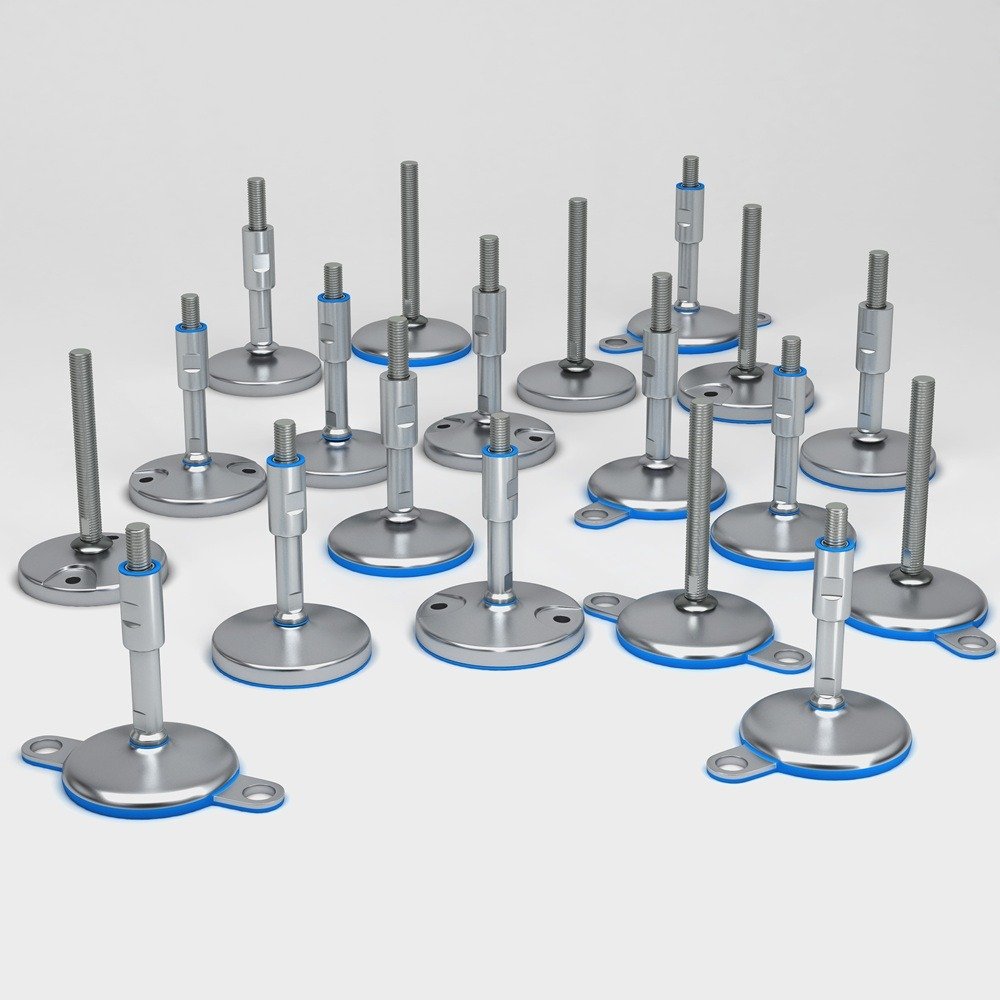
Support material choice directly influences machine stability and durability under load. Stainless alloys provide strong resistance against corrosion and deformation in demanding environments. Engineers often select components based on operational conditions and weight requirements. In some high precision systems, stainless steel leveling foot is preferred for its strength and long term stability. Proper material selection ensures consistent load distribution and reduces structural fatigue. When combined with correct engineering calculations, performance reliability improves significantly. Long term efficiency depends on both material quality and accurate installation practices in industrial machinery systems.
FAQ
What factors affect calculate load per leveling foot accuracy?
Several factors influence accuracy in load distribution systems. Machine weight is the primary consideration, including static and dynamic components. Structural geometry also affects how forces spread across support points. Floor flatness plays a major role in final balance performance. Engineers must also consider vibration levels during operation cycles. Environmental conditions such as temperature and humidity can slightly alter material behavior. Incorrect center of gravity estimation often leads to major errors. Proper measurement tools and simulation systems help improve calculation precision in industrial applications requiring high stability and consistent mechanical performance.
How does uneven load impact industrial machine performance?
Uneven load distribution significantly reduces machine efficiency and structural reliability. When one support carries excess weight, deformation risk increases over time. This imbalance leads to vibration amplification during operation. Precision systems may experience alignment drift, affecting product quality. Bearings and frames also experience higher stress levels. Maintenance frequency increases due to accelerated wear. In extreme cases, machine shutdown may occur to prevent damage. Engineers prevent these issues by ensuring proper balance across all support points. Correct calculation improves stability and extends equipment lifespan in continuous industrial production environments requiring accuracy.
What safety margin should be used in load calculations?
Safety margins are essential in industrial engineering design to account for uncertainty. Most systems use a factor between 1.2 and 1.5 depending on application severity. Heavy vibration environments may require higher safety factors. Engineers apply these margins when they calculate load per leveling foot to prevent overload conditions. Unexpected operational changes and material fatigue are also considered. Proper safety margins reduce risk of structural failure and improve system reliability. This approach ensures machines operate safely under variable conditions. Long term performance stability depends heavily on correctly applied engineering safety principles.