A knurled handwheel plays a critical role in manual motion control systems across industrial machinery. Operators rely on it to adjust positioning with fine accuracy. Its surface texture increases grip stability during rotation. Engineers design it to support repeatable torque transfer in demanding environments. In mechanical workshops, it ensures controlled movement of machine components. The structure often includes aluminum or cast iron bases for durability. Its circular form allows smooth directional adjustment without complex electronics. This component is widely used in precision setups where tactile feedback matters. Manufacturing consistency ensures reliable performance under continuous operation cycles. The design also reduces slippage risks during high-resistance adjustments. Many production lines depend on it for calibration and alignment tasks.
Knurled Handwheel Design Principles and Engineering Value
The knurled handwheel is engineered around ergonomic grip efficiency and mechanical reliability. Designers focus on maximizing friction between operator and surface. Knurl patterns are typically diamond or straight cut for optimized traction. These micro-patterns enhance torque control without requiring excessive force. The internal hub connects tightly to shafts for minimal backlash. Balanced weight distribution reduces vibration during rotation. Industrial machine handwheels consider fatigue resistance in production cycles also. Surface hardening treatments increase wear resistance significantly. This component is essential in environments requiring repetitive manual adjustments. Its structure supports both vertical and horizontal mounting systems. Precision machining ensures tight dimensional tolerance for industrial compatibility. Material selection directly affects operational lifespan and stability under load conditions.
Structural Features and Surface Engineering of Knurled Handwheel
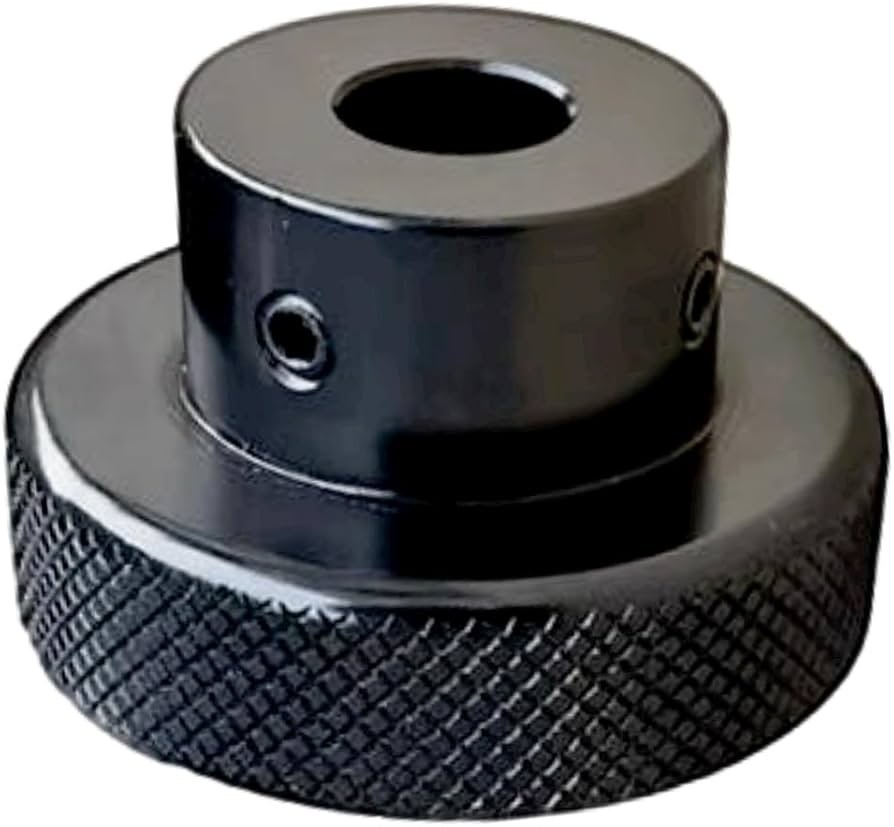
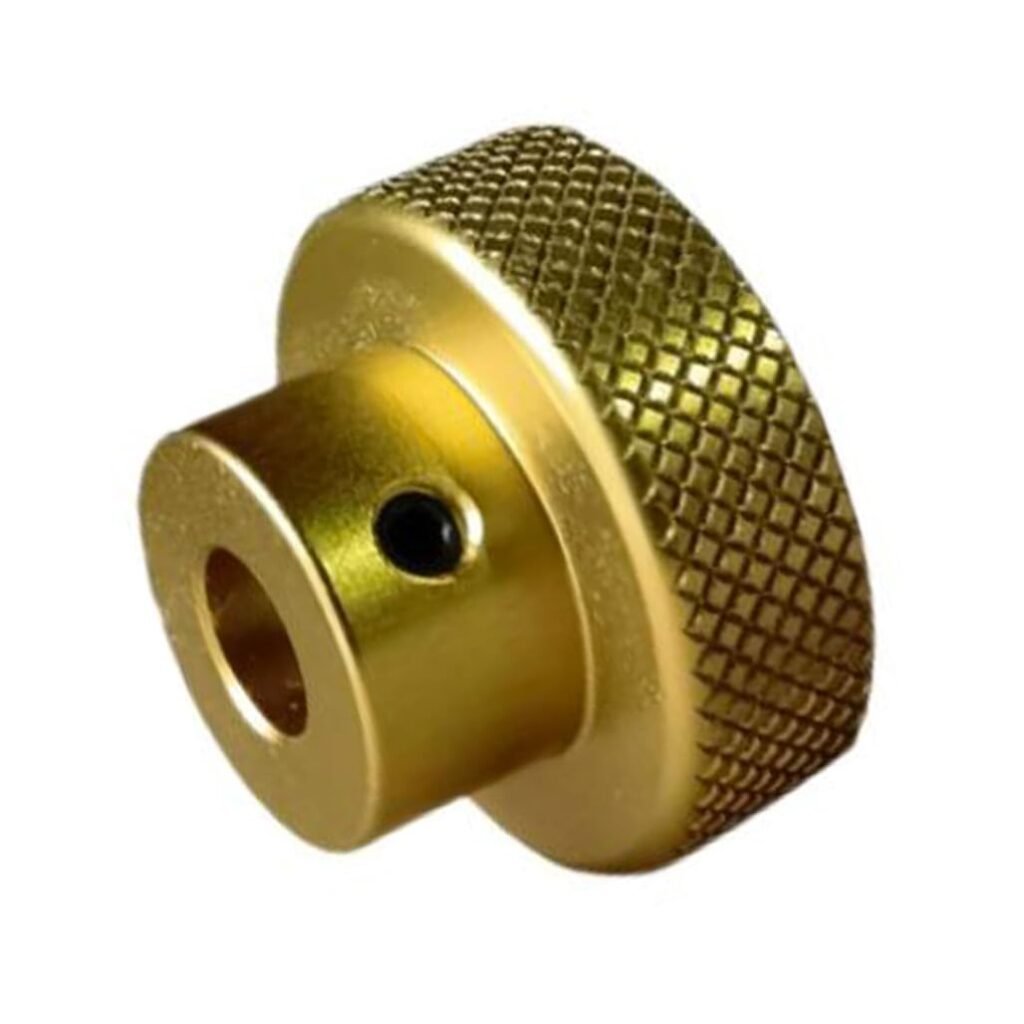
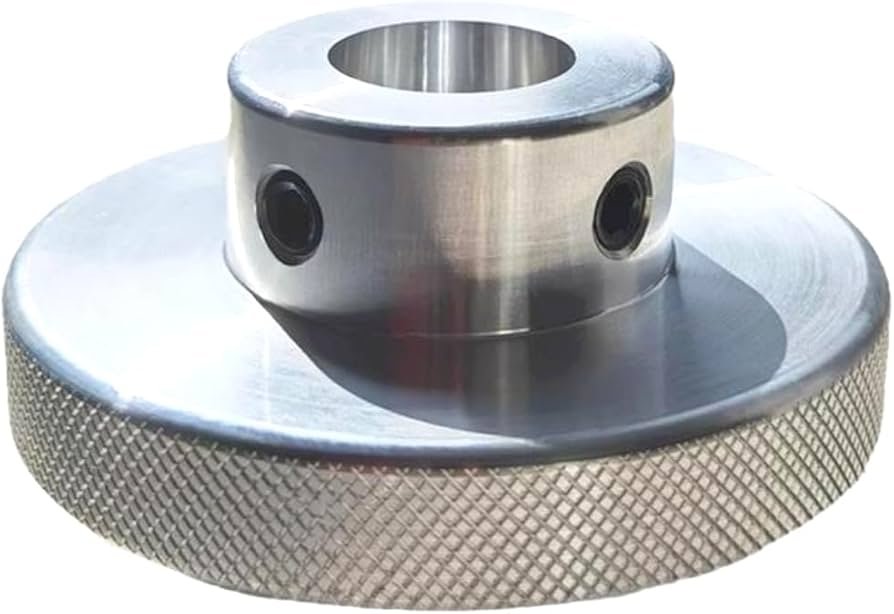
The knurled handwheel features a carefully engineered outer rim designed for enhanced grip performance. Surface knurling increases friction through repeated micro-contact points. This reduces hand slippage during high-torque adjustments. Core materials often include stainless steel or reinforced aluminum alloys. Internal bore design ensures stable shaft engagement with minimal play. Edge geometry is optimized for operator comfort during continuous use. Heat treatment processes improve structural rigidity and resistance to deformation. In many systems, balance calibration is performed after machining. Protective coatings prevent corrosion in humid or chemical environments. These engineering details improve long-term operational consistency in industrial settings.
Knurled Handwheel Applications in Precision Machinery
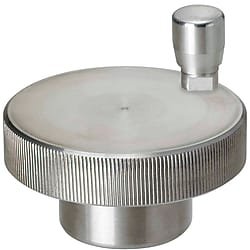
In precision machinery environments, the knurled handwheel supports accurate micro-positioning tasks. It is commonly installed on milling, drilling, and grinding systems. Operators depend on it for controlled feed adjustments. Its tactile feedback improves decision accuracy during machining. A lathe machine handwheel with handle is often used for longitudinal carriage control in turning operations. This configuration enhances operator sensitivity during cutting depth adjustments. The design ensures smooth rotation even under load pressure. Industrial workshops use it for alignment and calibration tasks. It also plays a role in tool positioning systems requiring incremental movement. Its mechanical simplicity reduces dependency on electronic control modules. This improves reliability in harsh production environments. Consistent performance makes it essential in high-precision manufacturing sectors.
Knurled Handwheel vs Alternative Manual Control Devices
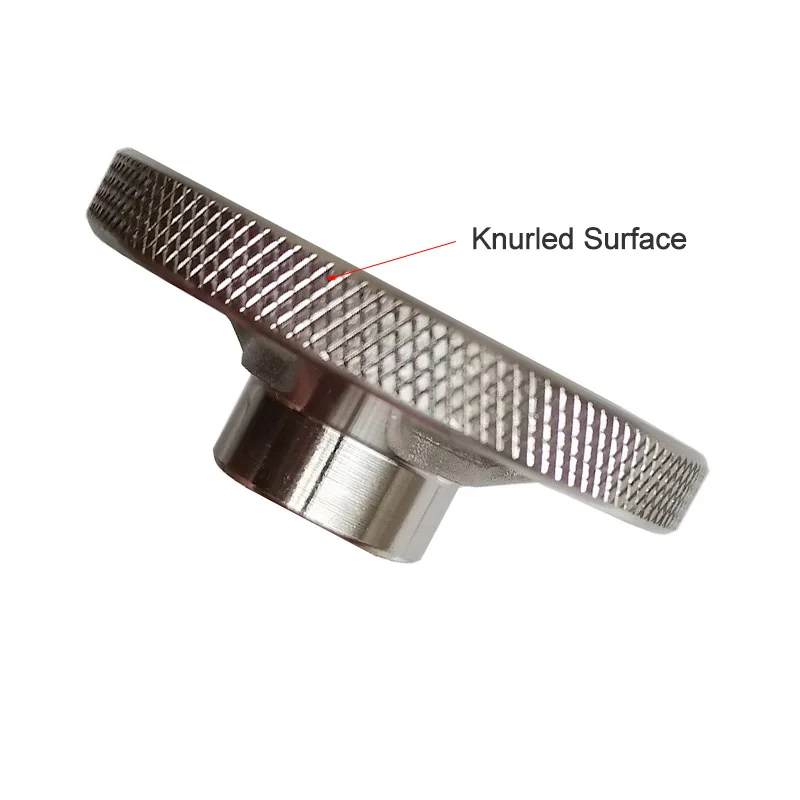
Compared to smooth rim wheels, the knurled handwheel offers significantly higher grip efficiency. Smooth designs often fail under oily or wet conditions. Knurled surfaces maintain friction stability in such environments. Lever-based controls provide faster movement but lower precision. Handwheel systems prioritize accuracy over speed in adjustment tasks. Maintenance requirements remain relatively low due to simple mechanical structure. Alternative plastic wheels may degrade under thermal stress. Metal-based knurled designs ensure longer service life. Operators also report improved control feedback during fine adjustments. This makes it suitable for precision-heavy industries. Selection depends on torque requirements and environmental conditions.
Materials and Manufacturing Standards for Knurled Handwheel
Manufacturing a knurled handwheel requires strict adherence to dimensional and surface standards. Common materials include stainless steel, aluminum alloy, and ductile iron. Each material offers distinct mechanical advantages. Stainless steel provides corrosion resistance in chemical environments. Aluminum reduces overall system weight in portable machinery. Ductile iron supports high-load industrial operations. CNC machining ensures accurate profile shaping and symmetry. Knurling is performed using precision rolling tools under controlled pressure. Surface roughness levels are measured to maintain grip consistency. Heat treatment improves hardness and fatigue resistance. Quality inspection includes torque testing and balance verification. These standards ensure compatibility with global industrial machinery systems.
Installation Practices in Mechanical Systems
Proper installation of a knurled handwheel ensures stable mechanical performance and long service life. Shaft alignment must be checked before mounting. Incorrect alignment may cause vibration during operation. Fastening systems typically use set screws or keyways. Lubrication is applied to reduce friction in rotating interfaces. Operators verify rotational smoothness after installation. Protective covers may be added in exposed environments. Torque testing confirms secure attachment under load conditions. Regular inspection prevents loosening during prolonged use. Maintenance schedules depend on operational intensity and machine type.
Knurled Handwheel Performance in Lathe and Turning Equipment
The knurled handwheel performs effectively in lathe systems where precise axial movement is required. It allows operators to control cutting depth with fine accuracy. Thermal expansion in metal components requires stable adjustment mechanisms. Its grip texture supports consistent handling even during extended machining cycles.
Industrial Machine Integration Scenarios
The knurled handwheel is widely integrated into industrial machine control systems. It appears in assembly lines, calibration benches, and testing rigs. Control panels often include multiple handwheel units for different axes. Engineers configure them for independent or synchronized movement. The system design ensures compatibility with mechanical feedback loops. In large-scale factories, it is used for equipment alignment. Safety systems ensure controlled torque limits during operation. Environmental resistance allows usage in dusty or oily conditions. Its reliability supports continuous industrial workflows. Many heavy-duty machines still depend on manual override systems for safety.
Technical Specification Comparison Table
| Material Type | Torque Capacity | Surface Finish | Industrial Usage |
|---|---|---|---|
| Stainless Steel | High | Precision Knurling | Chemical & Heavy Industry |
| Aluminum Alloy | Medium | Anodized Knurling | Light Machinery |
| Cast Iron | Very High | Rough Knurling | Heavy-Duty Equipment |
Material selection directly influences operational stability and machine compatibility. Stainless steel performs best in corrosive environments due to its protective oxide layer. Aluminum alloys reduce inertia, making them suitable for fast adjustment systems. Cast iron provides superior damping properties in high-load machinery. Engineers select materials based on torque demand and environmental exposure. Surface finishing affects both grip performance and operator safety. Proper selection ensures long-term mechanical efficiency and reduced maintenance cycles.
Application Configuration List
- CNC axis manual override systems
- Milling machine feed control units
- Grinding machine positioning systems
- Assembly line calibration stations
- Hydraulic valve adjustment panels
This configuration list shows how knurled handwheel systems integrate across multiple industrial platforms. Each application requires different torque and precision levels. CNC systems prioritize accuracy, while hydraulic setups focus on durability. Calibration stations depend on repeatable positioning accuracy. Assembly lines benefit from fast adjustment capability. Engineers evaluate system compatibility before selection. Environmental conditions also influence final configuration decisions.
High Load Mechanical Behavior Analysis
The knurled handwheel demonstrates stable performance under high mechanical load conditions. Stress distribution is optimized through circular symmetry design. Torque is transferred evenly across the hub interface. Friction between operator and surface remains consistent due to knurl geometry. Material elasticity prevents permanent deformation under repeated use. Vibration damping improves control accuracy in dynamic environments. Fatigue resistance is enhanced through heat-treated alloys. Load testing ensures compliance with industrial standards. Long-term durability depends on maintenance and lubrication schedules. These characteristics support continuous operation in heavy machinery systems.
FAQ
What makes a knurled handwheel different from smooth control wheels?
A knurled handwheel provides higher grip efficiency due to its textured surface. The knurl pattern increases friction between hand and wheel. This allows operators to maintain control even in oily or wet environments. Smooth wheels may slip under similar conditions, reducing precision. Knurled designs improve torque transfer efficiency during manual adjustments. They also reduce operator fatigue by requiring less gripping force. Industrial environments benefit from this stability during repetitive tasks. The design supports both precision and durability in mechanical systems. It is widely used in applications requiring consistent manual control feedback.
Where is a knurled handwheel most commonly applied in industry?
A knurled handwheel is commonly used in machine tools, calibration systems, and industrial control panels. It appears in milling machines, drilling equipment, and grinding systems. Operators use it for fine positioning adjustments and feed control. It is also found in hydraulic adjustment units and assembly line fixtures. Its reliability makes it suitable for both light and heavy machinery. Precision industries depend on it for repeatable motion control. It supports manual override functions in automated systems. This ensures safety and flexibility in production environments. Its versatility allows integration across multiple engineering fields.
How does material selection affect knurled handwheel performance?
Material choice directly influences durability, torque capacity, and environmental resistance. Stainless steel offers corrosion protection in harsh environments. Aluminum provides lightweight operation for fast adjustments. Cast iron delivers superior load-bearing capability in heavy machinery. Each material responds differently to stress and wear conditions. Surface treatment further enhances grip performance and lifespan. Heat treatment improves hardness and fatigue resistance. Engineers select materials based on operational requirements and machine type. Proper selection ensures consistent mechanical performance over time. It also reduces maintenance frequency and operational downtime.