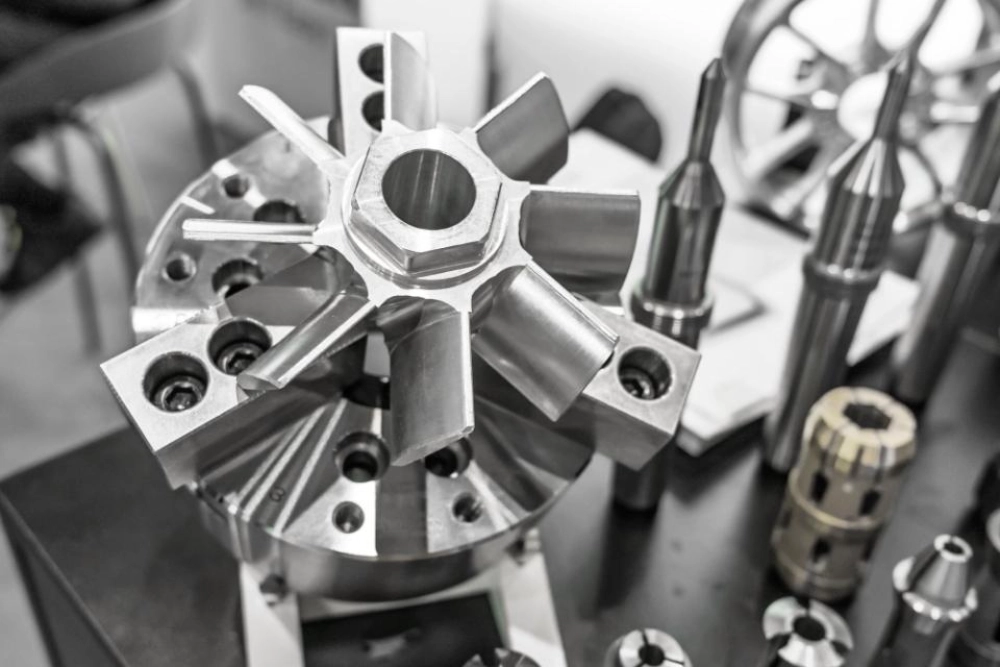
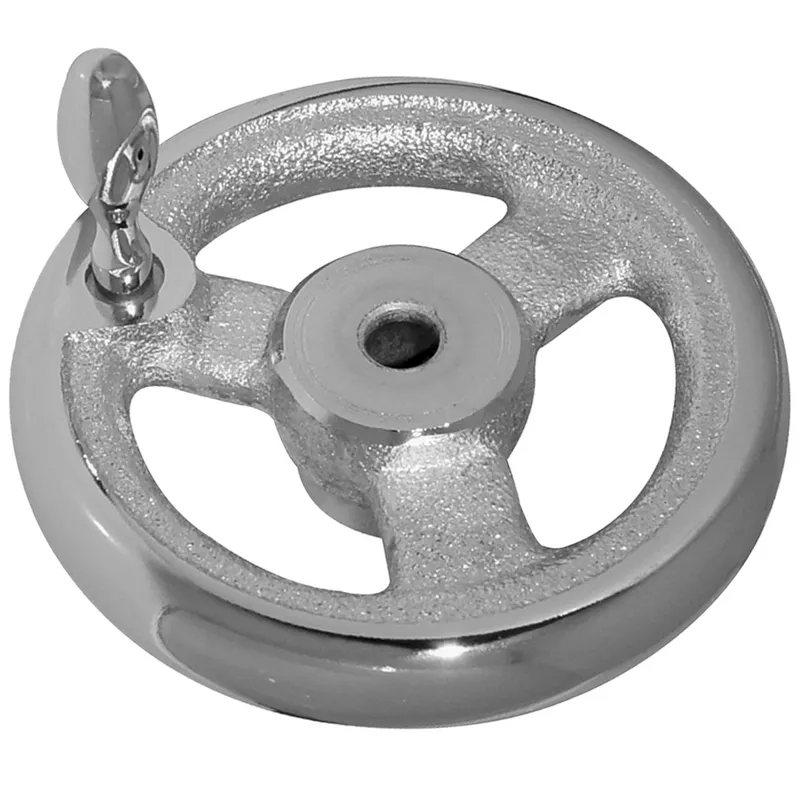
Adjustable handwheel plays a central role in manual industrial control systems. It enables operators to convert hand force into controlled mechanical motion. This supports precise positioning in machining environments. Engineers integrate it into systems requiring fine adjustment accuracy. Torque transfer remains stable under variable load conditions. The structure ensures predictable rotational feedback during operation. Industrial environments rely on consistent tactile control for safety. Mechanical linkage design reduces backlash in motion transmission. Operators benefit from direct response without electronic delay. The system supports both coarse and fine adjustments in production settings. Many factories adopt it for reliability in repetitive tasks. Its role becomes critical in maintaining production consistency across shifts.
Adjustable Handwheel Design and Core Mechanical Engineering
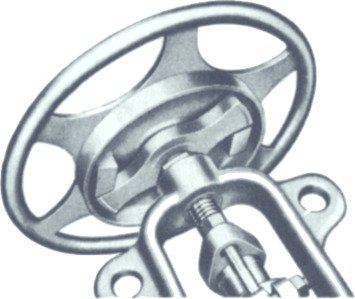
Adjustable handwheel is engineered with a hub, grip, and shaft interface. The hub connects directly to the machine spindle or lead screw. Knurled surface patterns improve grip stability under oily conditions. Engineers optimize geometry to reduce operator fatigue during long cycles. Internal bushings support smooth rotational alignment. Material selection often includes stainless steel or hardened aluminum alloys. These materials resist corrosion and mechanical wear effectively. Adjustment mechanisms may include lockable collars or sliding hubs. Each component contributes to controlled torque transmission. Surface finishing improves both durability and tactile feedback. Design standards emphasize repeatable precision under industrial stress. Assembly tolerance directly affects operational smoothness in real applications.
Adjustable Handwheel in Precision Machine Applications
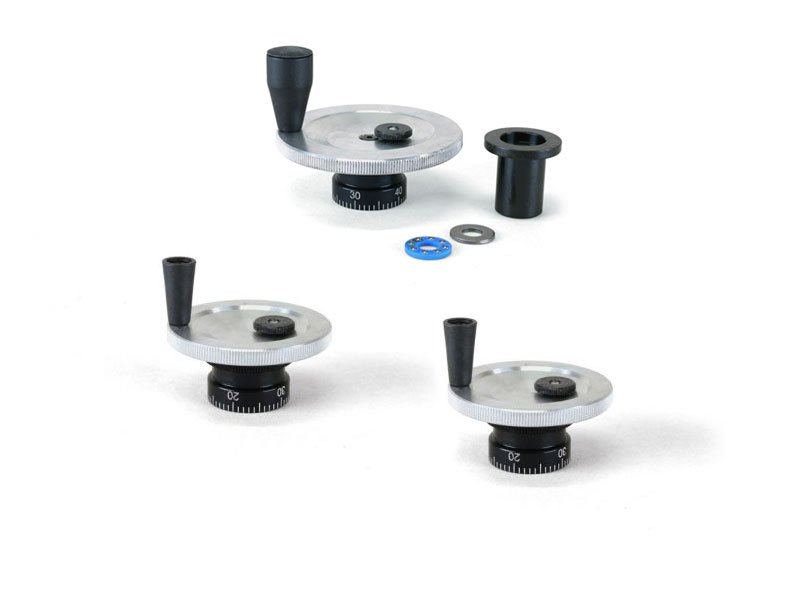
lathe machine handwheel with handle is commonly used in manual turning operations for fine tool positioning. It allows machinists to control cutting depth with high accuracy. Milling machines also rely on similar rotational control systems. Adjustable systems support incremental feed adjustments during machining. Calibration equipment uses hand-driven input for measurement alignment. Precision depends on consistent mechanical resistance during rotation. Operators adjust feed rates based on material hardness. This reduces machining errors in sensitive components.
Tool positioning accuracy improves overall production quality. Mechanical feedback remains essential in non-digital control environments. Many legacy systems still depend on manual control interfaces. The adaptability of hand-driven systems ensures long-term industrial usability.
Adjustable Handwheel Performance Advantages in Manufacturing
Adjustable handwheel improves operational efficiency in high-precision manufacturing systems. It enhances control accuracy during repetitive machine adjustments. Operators achieve smoother motion transitions across mechanical stages. Fatigue reduction is achieved through optimized grip geometry. Torque consistency ensures stable performance under load variation. Mechanical stability reduces vibration during continuous operation. Production lines benefit from reduced error rates in adjustment cycles. Manual control remains valuable in environments lacking full automation. Safety improves through predictable mechanical response behavior. Systems maintain reliability under extended working hours. Maintenance requirements remain relatively low compared to electronic systems. Durability supports long-term industrial deployment without frequent replacement.
Adjustable Handwheel Selection and Engineering Standards
Adjustable handwheel selection depends on torque requirements and machine type. Engineers evaluate diameter size to match rotational force needs. Shaft compatibility ensures secure mechanical integration. ISO 2768 defines general dimensional tolerances for precision fitting in mechanical assemblies. ISO 4759 specifies tolerance requirements for fasteners used in handwheel mounting structures. These standards ensure consistent interchangeability across industrial equipment. Surface hardness influences wear resistance over long cycles. Lubrication intervals reduce friction in high-load environments. Maintenance schedules depend on operational frequency and duty cycle. Wear indicators help predict replacement timing. Proper alignment prevents uneven load distribution. Industrial environments require corrosion-resistant materials for longevity. Performance stability depends on precise manufacturing tolerances. Engineers also consider ergonomic accessibility during installation planning.
| Specification Factor | Low Load Systems | High Load Systems |
|---|---|---|
| Recommended Diameter | 80–120 mm | 150–250 mm |
| Material Type | Aluminum Alloy | Hardened Steel |
| Torque Capacity | Low to Medium | High |
| Application Focus | Light Machinery | Heavy Industrial Systems |
Specification factors determine system compatibility across industrial environments. Low load systems prioritize lightweight handling and smooth motion. High load systems require reinforced structural integrity. Material choice directly impacts durability and mechanical strength. Engineers match torque capacity with operational stress levels. Proper selection prevents premature wear in rotating assemblies. These parameters ensure consistent performance across different production scales.
Industrial Machine Control Interfaces and Operational Flow
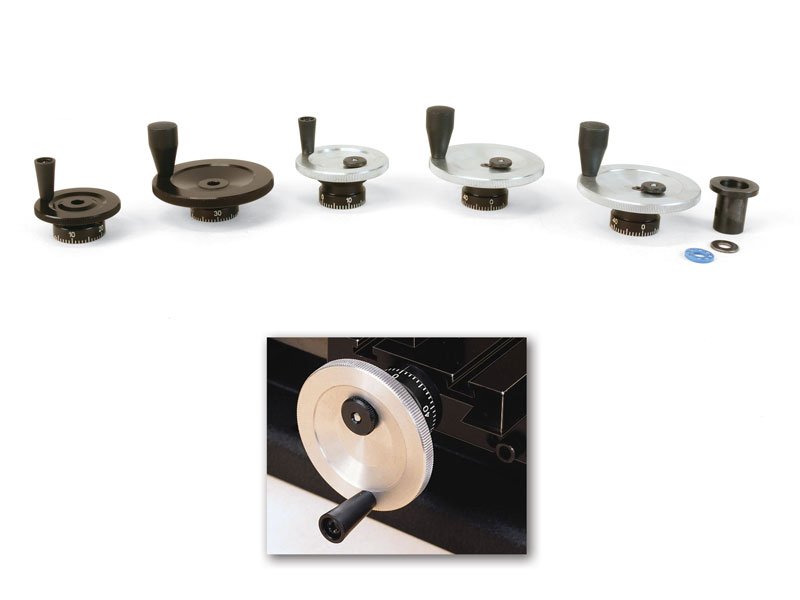
Industrial machine handwheels remain essential in mechanical interface design. They provide direct operator control over machine positioning. Mechanical feedback supports intuitive adjustment during operation. Operators rely on tactile resistance for precision tasks. Systems integrate these components in both legacy and modern equipment. Consistent rotation behavior ensures predictable machine response. Maintenance teams prefer mechanical interfaces for reliability. Electronic systems may complement but not fully replace manual control. Industrial environments demand redundancy in control systems. Handwheel integration supports flexible production configurations. Mechanical simplicity reduces failure risk in harsh conditions. This ensures continuous workflow stability in demanding factories.
| Maintenance Task | Recommended Interval | Purpose |
|---|---|---|
| Lubrication | Every 3 months | Reduce friction and wear |
| Alignment Check | Every 6 months | Ensure rotational accuracy |
| Surface Inspection | Monthly | Detect early wear signs |
| Replacement Review | Annually | Prevent mechanical failure |
Maintenance scheduling ensures long-term mechanical reliability in industrial systems. Regular lubrication reduces internal friction significantly. Alignment checks preserve precision in rotational movement. Surface inspections identify early-stage degradation patterns. Replacement planning avoids unexpected downtime in production. Preventive care extends operational lifespan of mechanical assemblies. Structured maintenance improves overall system efficiency and safety.
FAQ
What is the main function of an adjustable handwheel in machines?
Adjustable handwheel provides manual control for precise mechanical positioning in industrial systems. It converts rotational force into controlled linear or angular movement. Operators use it to adjust machine settings with high accuracy. The system ensures smooth motion without electronic delay. Many production environments depend on it for calibration tasks. Its design supports consistent torque feedback during operation. Mechanical reliability makes it suitable for long-term industrial use. Engineers prefer it in systems requiring direct human control. It remains essential in both legacy and modern machinery configurations.
How does adjustable handwheel improve industrial efficiency?
Adjustable handwheel improves efficiency by enabling fast and accurate manual adjustments. Operators reduce setup time during machine configuration. The system supports repeatable positioning across production cycles. Mechanical feedback allows immediate response during operation changes. This reduces downtime in manufacturing processes. Precision control minimizes material waste in machining tasks. Ergonomic design reduces operator fatigue during long shifts. Stable torque transmission ensures consistent output quality. Maintenance requirements remain low compared to digital systems. Many industries rely on it for dependable performance in variable conditions.
What maintenance practices ensure long term performance?
Proper maintenance ensures stable performance of adjustable handwheel systems over time. Regular lubrication reduces wear on internal components. Alignment checks maintain smooth rotational accuracy. Surface inspection helps detect early corrosion or damage. Cleaning removes debris that may affect grip performance. Replacement scheduling prevents unexpected operational failure. Engineers recommend monitoring torque consistency during use. Environmental protection reduces exposure to moisture and dust. Correct installation also influences long-term durability. Preventive maintenance strategies improve reliability in industrial environments. Consistent care extends service life significantly.