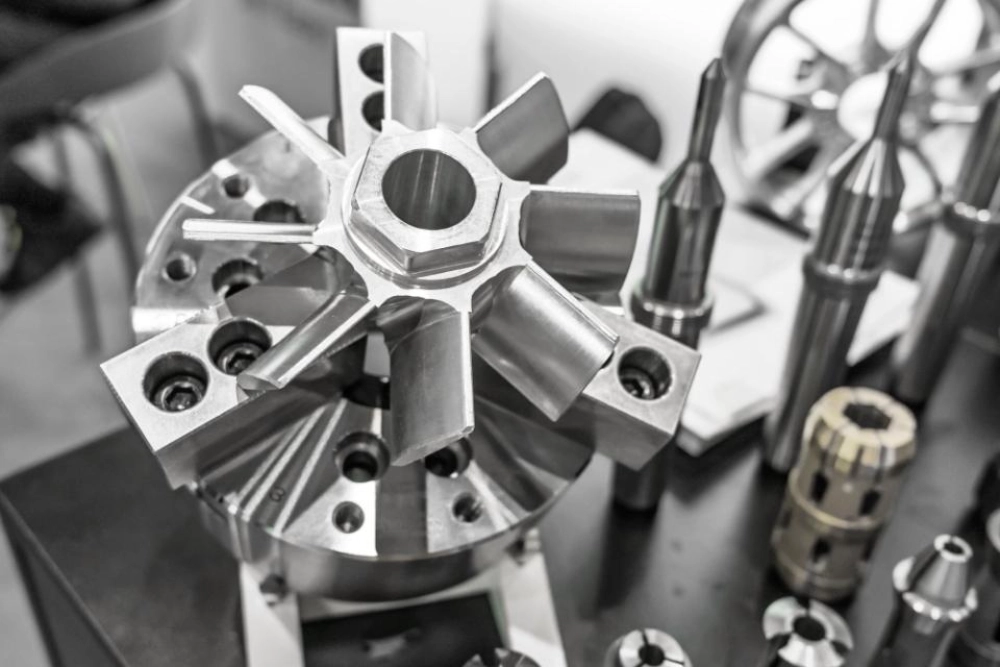
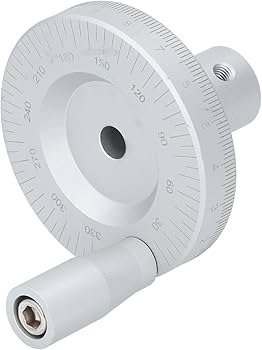
Lathe handwheel replacement plays a critical role in maintaining machining precision and operational stability in industrial environments. A lathe handwheel controls fine movement along machine axes and directly influences cutting accuracy. When wear develops inside the mechanical interface, operators lose precise feedback and control. This situation often leads to dimensional errors and surface defects in machined parts. Manufacturers rely on consistent rotational response to maintain production standards. Any delay in lathe handwheel replacement increases risk across repetitive machining cycles. Factories that handle metal turning processes often notice reduced efficiency when handwheel resistance becomes uneven. Early detection supports stable output and reduces long-term equipment damage in demanding production environments.
Lathe Handwheel Replacement Indicators That Signal Mechanical Degradation
Operators often identify early signs before complete failure occurs in machining systems. Excessive backlash in the rotation system signals internal wear. Loose motion during adjustment reduces precision control during cutting operations. Grinding noise during rotation also indicates internal friction damage. In some cases, uneven resistance appears when the spindle connects poorly with control components. These symptoms gradually reduce machining accuracy across multiple production cycles.Industrial machine operators often record inconsistent calibration results when degradation begins. In high-load environments, these issues escalate quickly. Monitoring these indicators allows timely lathe handwheel replacement and prevents secondary damage to connected mechanical components.
Lathe Handwheel Replacement and Precision Control Loss in Production Systems
Precision loss remains one of the most critical consequences of worn control components. When operators adjust feed distance, even small mechanical gaps create measurable deviation. This deviation accumulates across repeated machining cycles. Tight tolerance industries such as aerospace and mold production suffer most from this issue. Surface finish quality also declines when control feedback becomes unstable. Operators may compensate manually, but compensation increases human error risk. In many factories, lathe handwheel replacement restores direct mechanical responsiveness and stabilizes dimensional control. Without correction, production lines experience higher rejection rates and increased rework costs over time.
Materials Used in Industrial Machine Handwheels and Structural Performance
Different materials define durability and operational performance in machining environments. Cast iron provides high rigidity and excellent vibration resistance. Aluminum alloy offers lighter weight and improved corrosion resistance. Composite materials balance strength with cost efficiency in mid-range systems. Surface finishing also plays a role in wear protection. Hard anodizing increases lifespan for aluminum components. Polished coatings reduce friction in manual operation. Selection depends on workload intensity and environmental exposure.
Common Failure Causes Leading to Lathe Handwheel Replacement Requirements
Mechanical wear remains the primary cause of system degradation. Continuous rotation creates friction inside internal shafts and bearings. Lack of lubrication accelerates surface erosion. Dust particles entering mechanical gaps increase abrasion levels. Coolant exposure also affects long-term structural integrity. Operator overloading contributes additional stress on internal gears. In some facilities, inconsistent maintenance schedules worsen these conditions. Poor alignment during installation creates uneven load distribution. Over time, these factors combine and reduce operational precision. Industrial environments with high production volume experience faster degradation. Preventive inspection helps identify early damage and reduce unnecessary lathe handwheel replacement events.
Industrial Machine Handwheels Types and Application Differences in Engineering Systems
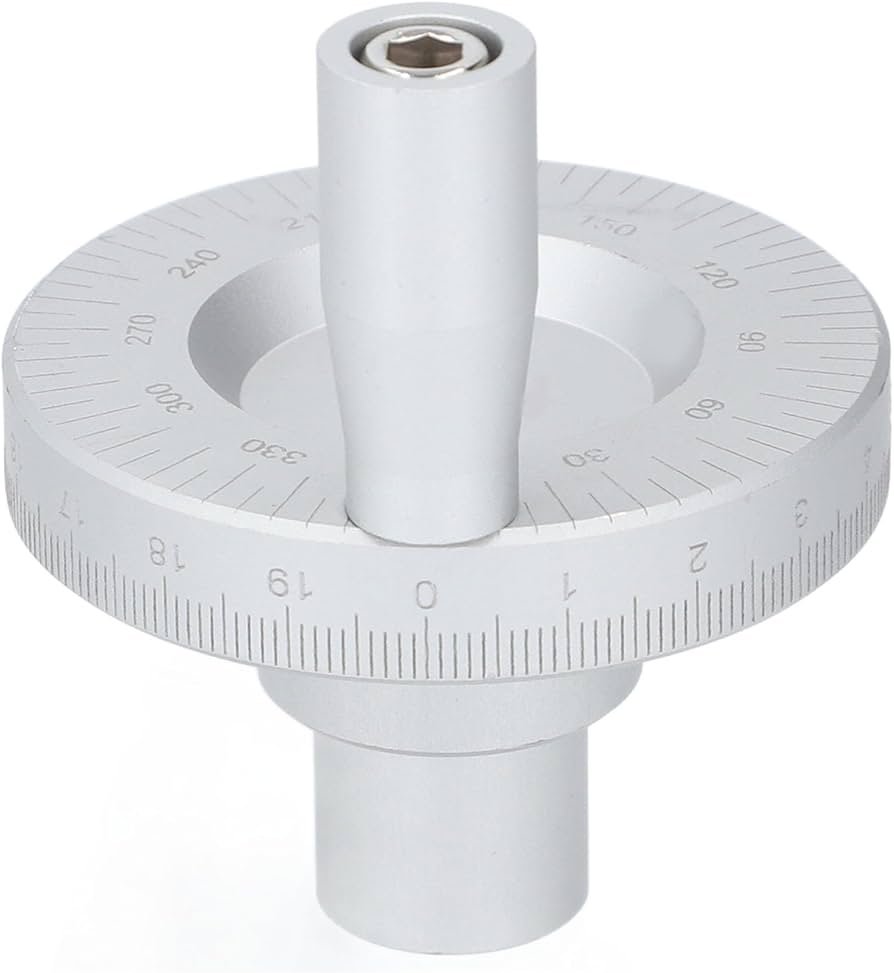
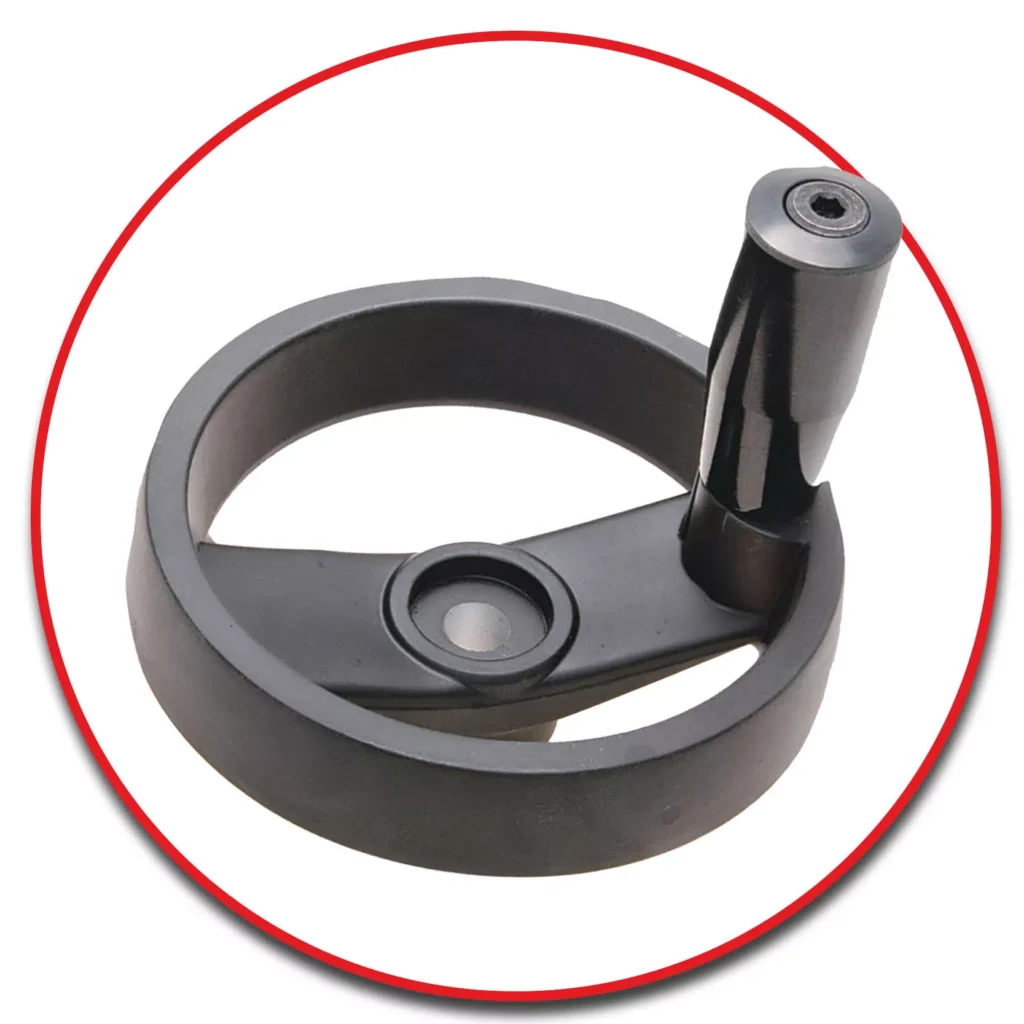
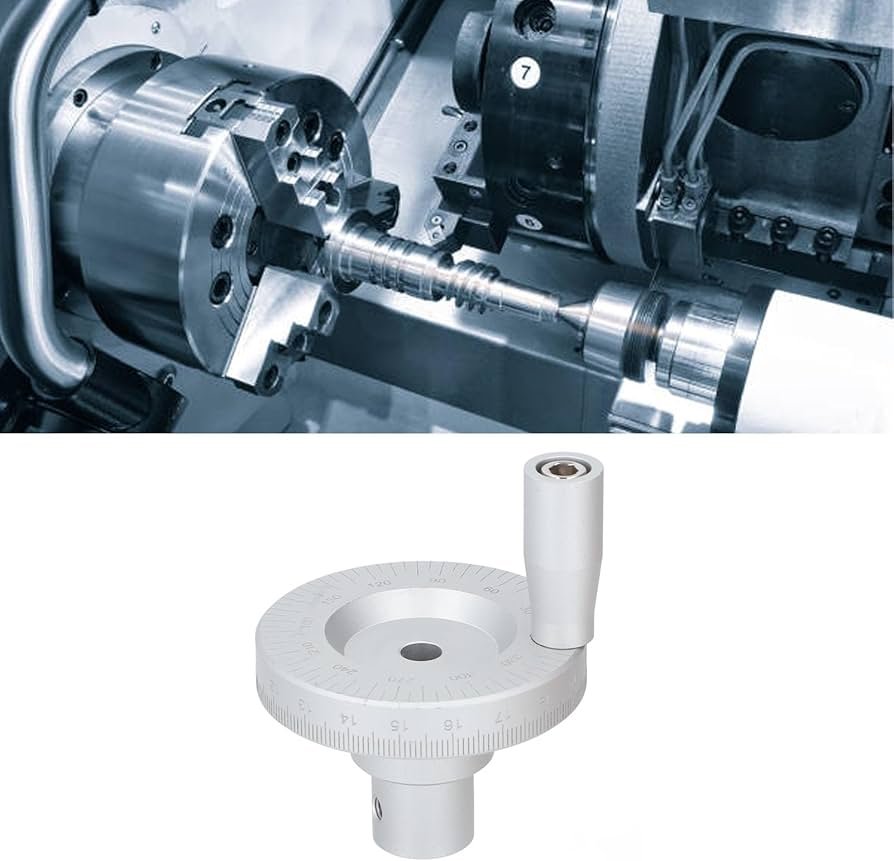
Industrial machine handwheels vary based on design structure and control requirements. Graduated models provide measurement feedback for precise adjustments. Solid models focus on durability in heavy-duty environments. Some systems integrate ergonomic handles to improve operator control efficiency. A lathe machine handwheel with handle improves torque application and reduces operator fatigue during continuous machining tasks. Digital variants now appear in advanced CNC hybrid systems. Compatibility depends on shaft diameter, keyway design, and mounting configuration. Manufacturers often follow standardized dimensions to ensure interchangeability. Selection impacts both operational comfort and maintenance cycle length.
Key Evaluation Checklist Before Lathe Handwheel Replacement in Industrial Systems
- Machine compatibility with spindle and shaft design
- Required precision level for machining tasks
- Material strength and wear resistance capability
- Operational environment including dust and coolant exposure
- Cost efficiency versus expected service life
This checklist helps engineers reduce downtime and avoid unnecessary part replacement. Each factor influences long-term machine performance. High-precision environments require stricter evaluation standards. Budget-focused operations may prioritize durability and ease of installation. When combined properly, these criteria ensure efficient lathe handwheel replacement decisions in industrial workflows.
Material Performance Comparison for Industrial Machine Handwheels
| Material Type | Mechanical Strength | Wear Resistance | Weight Level | Industrial Suitability |
|---|---|---|---|---|
| Cast Iron | Very High | High | Heavy | Heavy machining systems |
| Aluminum Alloy | Medium | Medium | Light | Precision equipment |
| Composite Polymer | Medium | Medium-High | Light | General industrial use |
Material selection directly influences operational stability and replacement frequency. Cast iron suits environments with high vibration and continuous load. Aluminum alloy improves handling efficiency in precision machining. Composite materials reduce cost while maintaining acceptable performance. Engineers often balance weight, durability, and cost before final selection. These trade-offs determine long-term maintenance planning and lathe handwheel replacement schedules in production systems.
Lathe Handwheel Replacement Procedure and Calibration Control in Industrial Maintenance
Replacement begins with machine shutdown and secure isolation of power systems. Technicians remove protective covers and detach the worn component carefully. Alignment marks help maintain correct positioning during installation. New components must match shaft specifications precisely. After installation, calibration ensures correct movement response. Operators test rotational accuracy under controlled conditions. Any deviation requires immediate adjustment. Safety checks confirm stable operation before full production restart. Proper installation directly influences machining accuracy and system reliability over time.
Maintenance Strategies to Extend Service Life of Control Components
Regular lubrication reduces internal friction and slows wear progression. Scheduled inspections help identify early structural damage. Cleaning routines prevent contamination from dust and coolant residue. Operators should avoid excessive force during adjustment. Training programs improve handling consistency across teams. Predictive maintenance systems now track vibration and load patterns. These strategies reduce unexpected downtime and extend equipment lifespan. In well-maintained systems, lathe handwheel replacement frequency decreases significantly over time.
Future Development Trends in Industrial Machine Handwheels
Modern manufacturing systems integrate digital feedback and ergonomic optimization. Smart sensors now monitor rotation accuracy in real time. Lightweight alloys improve operator efficiency in high-speed production lines. Hybrid mechanical-digital interfaces enhance precision control. Ergonomic designs reduce long-term operator fatigue. These innovations transform traditional mechanical systems into intelligent production tools. As factories adopt automation, demand for advanced control interfaces continues to grow. The evolution of industrial machine handwheels reflects broader trends in precision engineering and smart manufacturing integration.
FAQ
What are the risks of delaying lathe handwheel replacement in industrial systems?
Delaying lathe handwheel replacement increases machining inaccuracy and operational instability. Small mechanical gaps expand over time and affect dimensional control. Production quality drops when operators lose precise feedback during adjustments. This situation often leads to higher rejection rates and rework costs. Continuous operation under worn conditions also damages connected mechanical components. Bearings and shafts experience additional stress. Over time, repair costs exceed replacement costs.
How often should industrial machines undergo handwheel inspection?
Inspection frequency depends on workload intensity and production environment. High-volume factories typically perform checks every one to three months. Lower intensity operations may extend inspection cycles to six months. Dust, coolant exposure, and vibration levels also influence scheduling. Regular inspection identifies early wear patterns before serious damage occurs. Technicians measure backlash, rotation smoothness, and alignment accuracy during checks. Consistent monitoring reduces unexpected breakdowns. It also helps optimize maintenance budgets and extend equipment lifespan. Timely detection ensures smoother lathe handwheel replacement planning and reduces production interruptions.
Can universal handwheels replace OEM components effectively?
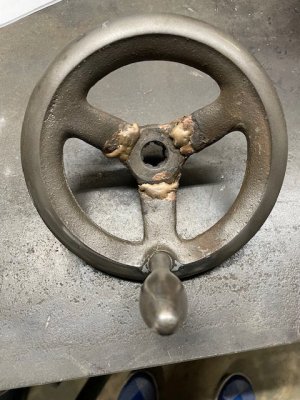
Universal handwheels can replace OEM components in many standard applications. Compatibility depends on shaft diameter, keyway design, and mounting structure. In precision machining, OEM parts often provide better calibration stability. Universal options may require minor adjustments during installation. Material quality also varies across suppliers. Engineers must evaluate tolerance requirements before selection. For heavy-duty systems, OEM components often ensure higher reliability. Universal models work best in general-purpose or low-load environments. Proper evaluation ensures safe integration and consistent machining performance without compromising system accuracy.