Cnc knurling design plays a critical role in modern precision machining environments. It enhances surface grip and improves product usability across many industries. Manufacturers apply this process to create textured patterns without removing material. Instead, controlled deformation forms consistent ridges on cylindrical surfaces. Engineers rely on this method for both functional and decorative purposes. The process is widely used in handles, knobs, and precision machined components. Consistency and repeatability make it ideal for high-volume production. Proper execution ensures durability and improved user interaction. Advanced CNC systems allow precise control of pressure and alignment. As a result, the final texture meets strict industrial standards. This method supports both efficiency and product differentiation.
Types of cnc knurling design patterns and their applications
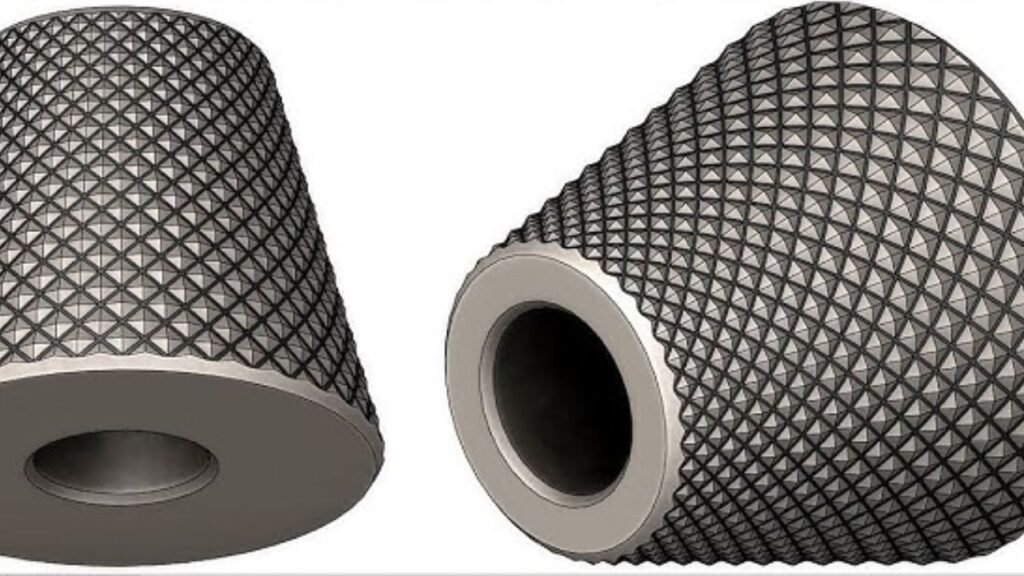
Different pattern types define the versatility of cnc knurling design in machining operations. Straight patterns create parallel lines along the workpiece surface. Diagonal patterns form angled lines for moderate grip applications. Diamond patterns combine both directions for maximum friction and control. Many industries prefer diamond patterns for handheld tools and equipment. Each pattern serves a unique functional requirement in manufacturing environments.
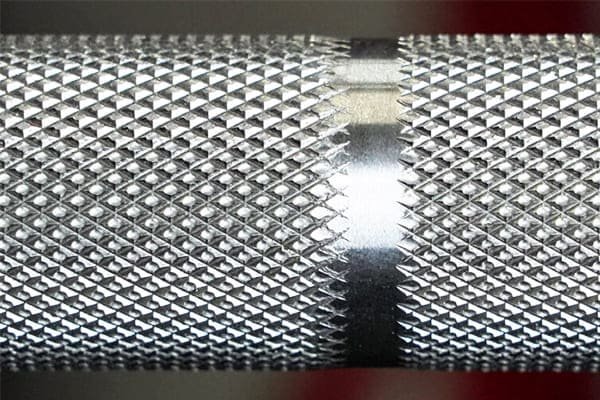
Designers select patterns based on ergonomics and usage conditions. Medical tools often use fine knurling for precision handling. Automotive parts require aggressive patterns for secure gripping. Consumer products emphasize aesthetics alongside functionality. Selecting the correct pattern ensures performance and visual consistency.
| Pattern Type | Structure | Typical Use |
|---|---|---|
| Straight | Parallel lines | Low grip surfaces |
| Diagonal | Angled lines | Moderate grip tools |
| Diamond | Crossed pattern | High grip handles |
Pattern selection directly affects performance and usability in real applications. Straight patterns provide minimal resistance and suit decorative purposes. Diagonal patterns balance aesthetics and grip for general components. Diamond patterns deliver maximum friction for demanding environments. Engineers must evaluate user interaction before selecting a pattern. Proper pattern choice enhances both ergonomics and durability. This decision becomes critical in safety-sensitive products. Consistent pattern quality ensures reliable performance across production batches.
Core principles behind cnc knurling design mechanics
Cnc knurling design relies on plastic deformation rather than material removal processes. The tool presses into the surface, displacing material outward. This action forms ridges that create the desired pattern. Pressure, feed rate, and alignment determine pattern quality. Incorrect parameters can lead to defects and uneven textures. Engineers must carefully balance force and speed during operation. Material properties significantly influence deformation behavior. Softer metals deform easily and produce cleaner patterns. Harder materials require higher pressure and precise control. Machine rigidity ensures consistent contact between tool and workpiece. Proper setup minimizes vibration and tool deflection.
| Parameter | Function | Effect |
|---|---|---|
| Pressure | Applies force | Controls depth |
| Feed Rate | Tool movement | Ensures uniformity |
| Speed | Rotation | Affects finish |
Clear control of these parameters ensures consistent and reliable knurling results. Stable pressure prevents uneven deformation and surface defects. Proper feed rate aligns with material behavior for improved accuracy. Spindle speed directly affects surface finish and pattern sharpness. Careful balancing of these factors enhances overall machining performance. Experienced operators adjust settings using real-time process feedback.
Key tools and components used in cnc knurling design
Knurling tools consist of hardened wheels with predefined patterns. These wheels mount onto specialized tool holders for stability. CNC lathes provide precise positioning and controlled movement.
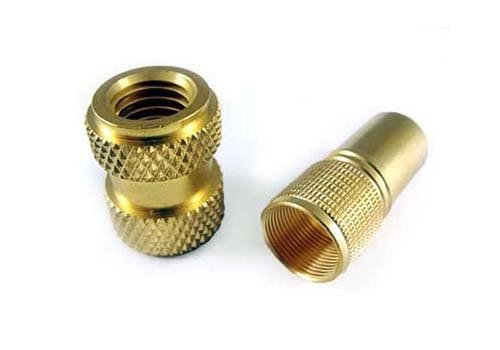
Tool alignment remains critical for achieving uniform patterns. Poor alignment often causes double tracking defects. High-quality holders reduce vibration during operation. Engineers select tool materials based on workpiece hardness. Carbide tools offer durability for demanding applications. Machine spindles must maintain consistent rotational speed. Coolant systems help reduce heat and extend tool life.
| Tool Type | Material | Advantage |
|---|---|---|
| Knurl Wheel | Hardened Steel | Durability |
| Carbide Tool | Carbide | Wear resistance |
| Coated Tool | Alloy | Extended lifespan |
Tool selection determines machining stability and final pattern quality. Hardened steel tools suit general machining applications. Carbide tools perform well with harder materials. Coated tools extend service life in demanding conditions. Engineers must match tools with material properties carefully. Proper maintenance reduces downtime and improves efficiency.
Material considerations in cnc knurling design processes
Material selection greatly affects knurling outcomes and surface quality. Aluminum offers excellent formability and produces clean patterns. Brass provides smooth finishes and consistent deformation behavior. Stainless steel requires higher force due to its hardness. Each material responds differently under applied pressure. Engineers must adjust parameters to match material properties. Ductility determines how easily patterns form on surfaces. Brittle materials may crack under excessive pressure. Surface hardness influences tool wear and longevity. Lubrication reduces friction during the knurling process.
| Material | Ductility | Knurling Result |
|---|---|---|
| Aluminum | High | Clean patterns |
| Brass | Medium | Smooth finish |
| Stainless Steel | Low | Requires high pressure |
Material behavior directly impacts machining strategy and output quality. High ductility allows easier pattern formation with minimal defects. Lower ductility requires careful parameter adjustments. Engineers must evaluate hardness and elasticity before machining. Proper material selection reduces tool wear significantly.
Step-by-step cnc knurling design process in CNC machining
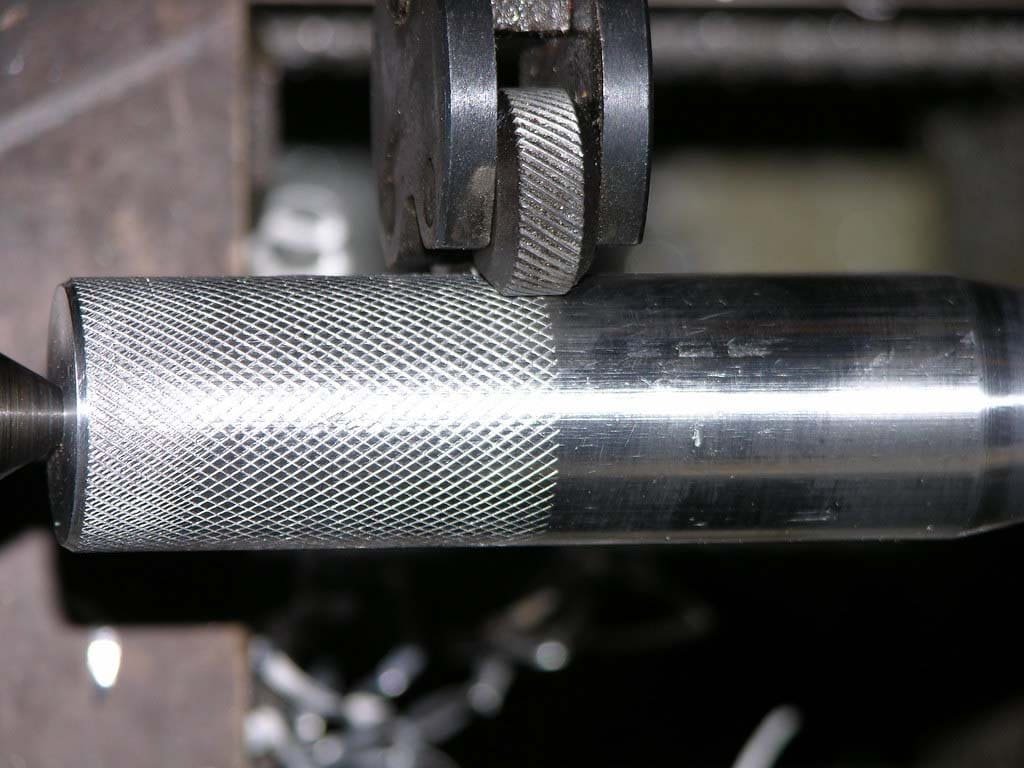
The process begins with precise setup and tool positioning. Operators secure the workpiece firmly within the CNC lathe. Next, the knurling tool aligns with the target surface.
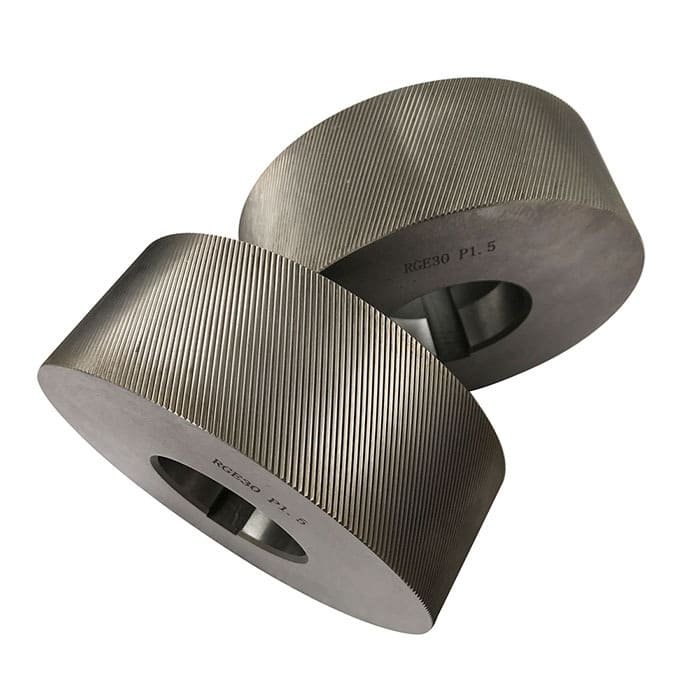
Controlled pressure is applied as the spindle rotates. Gradually, the pattern forms through consistent deformation. Feed rate adjustments ensure uniform pattern depth. Operators monitor alignment to avoid pattern distortion. Once complete, the tool retracts carefully from the surface. Inspection follows to verify pattern accuracy and quality.
Advantages and limitations of cnc knurling design
Cnc knurling design provides improved grip without removing material from components. It increases functionality in many industrial and consumer products. The process is efficient and suitable for high-volume production. However, limitations exist depending on material properties. Hard materials can accelerate tool wear significantly. Excessive pressure may damage delicate components. Setup precision is essential for avoiding defects. Despite challenges, this process remains highly effective. It supports both performance and aesthetic requirements.
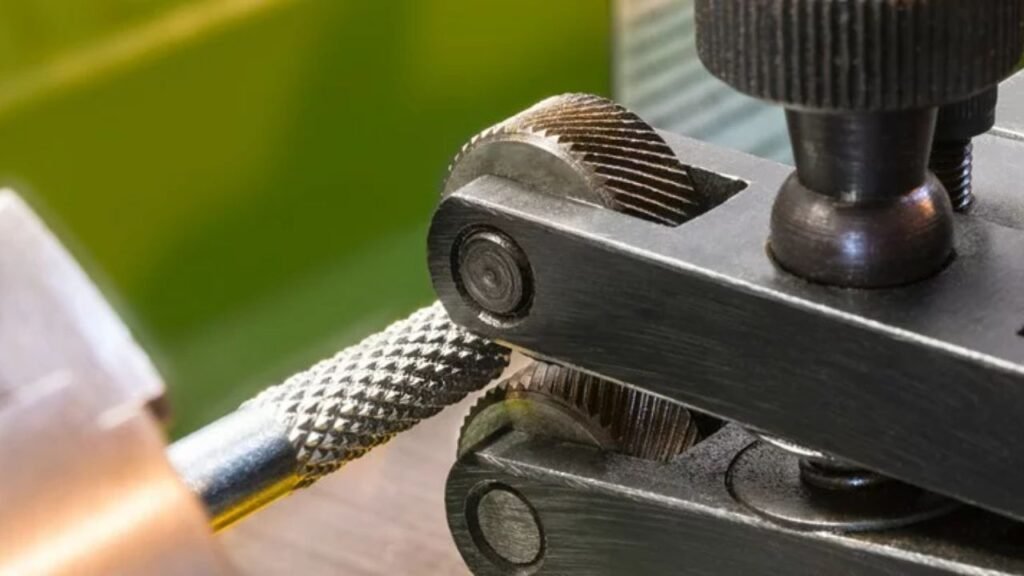
Comparison between cnc knurling design and other surface finishing methods
Knurling differs from engraving, which removes material through cutting. Rolling processes share similarities but lack pattern precision. Coating methods add layers instead of modifying surfaces directly. Knurling creates permanent textures through deformation techniques. This approach ensures durability under repeated use.
Engraving offers decorative detail but less grip functionality. Coatings may wear off over time under stress conditions. Knurling remains essential for precision milled components requiring grip.
Applications of cnc knurling design across industries
Industries widely adopt cnc knurling design for both functional and aesthetic purposes. Aerospace components require secure grip in critical environments. Automotive parts use knurling for fasteners and control knobs. Medical devices benefit from enhanced handling precision. Consumer electronics rely on textured surfaces for usability. Industrial tools require durable and slip-resistant designs. Manufacturers integrate this process into diverse production lines.
Best practices for optimizing cnc knurling design performance
- Select the correct knurling pattern for each application
- Ensure accurate tool alignment before machining
- Maintain consistent spindle speed during operation
- Apply suitable lubrication to reduce friction
- Inspect tools regularly for wear and damage
- Adjust pressure based on material characteristics
Optimization strategies for cnc knurling design efficiency
Optimizing cnc knurling design requires careful parameter adjustments and machine control. Feed rate must match material properties for consistent results. Pressure should remain stable to avoid pattern inconsistencies. Machine rigidity helps maintain alignment during operation. Tool condition directly influences pattern clarity and accuracy. Engineers should monitor wear to prevent quality issues. Advanced CNC systems enable precise control over all variables.
Future trends in cnc knurling design technology
Technological advancements continue to reshape machining processes globally. Smart CNC systems now offer real-time monitoring and adjustments. Digital simulations allow engineers to predict outcomes before production. Advanced coatings extend tool life under demanding conditions.
Artificial intelligence enhances precision and reduces manual intervention. These innovations expand cnc knurling design capabilities significantly.
Conclusion: Strategic value of cnc knurling design in precision engineering
Cnc knurling design remains essential in modern manufacturing applications. It provides reliable grip and enhances product usability effectively. Engineers rely on this process for consistent production outcomes. Its adaptability supports diverse industrial requirements across sectors. Proper execution ensures durability under demanding conditions.
FAQ
What materials are best suited for cnc knurling design?
Materials with high ductility perform best in knurling applications across industries. Aluminum remains a preferred option due to excellent deformation behavior. Brass also provides stable results and smooth surface finishes during machining. Stainless steel can be used, but it requires higher pressure and strict control. Engineers must evaluate hardness, grain structure, and elasticity before machining begins. Softer materials reduce tool wear and improve pattern consistency. Proper lubrication minimizes friction and heat generation during operation. Controlled temperature prevents distortion and improves final quality. Selecting appropriate materials ensures durable patterns and reliable long-term performance in demanding applications.
How does cnc knurling design improve product functionality?
Knurling significantly improves grip on cylindrical surfaces used in industrial components. This enhanced friction prevents slipping during handling or machine operation. Improved control increases safety in tools, medical devices, and mechanical systems. Textured surfaces also enhance user confidence during repeated use.
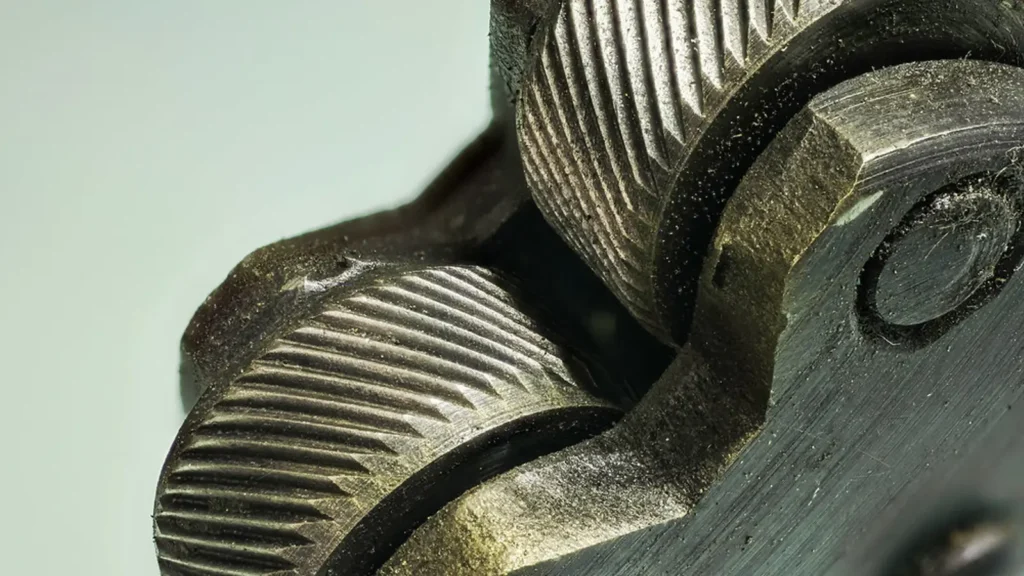
In addition, the process strengthens the outer layer through deformation. This improvement increases resistance to wear and mechanical stress over time. Aesthetic appeal also improves, supporting product differentiation in competitive markets. Engineers combine performance and design requirements effectively. The result is a durable and ergonomic component suitable for long-term applications.
What are the most common problems in cnc knurling design and how to fix them?
Double tracking remains a frequent issue caused by improper tool alignment. Uneven patterns often result from inconsistent pressure or incorrect feed rate settings. Tool wear gradually reduces pattern sharpness and surface quality. Operators should verify alignment before starting any machining process. Regular inspection helps identify defects at early production stages. Adjusting pressure and speed improves consistency and pattern accuracy. High-quality tools reduce the risk of deformation errors significantly. Proper lubrication prevents excessive heat and surface damage. Consistent maintenance ensures stable machining performance. These solutions improve reliability and reduce production downtime effectively.