The Functional Role of a Plum Coupling in Industrial Drivetrains
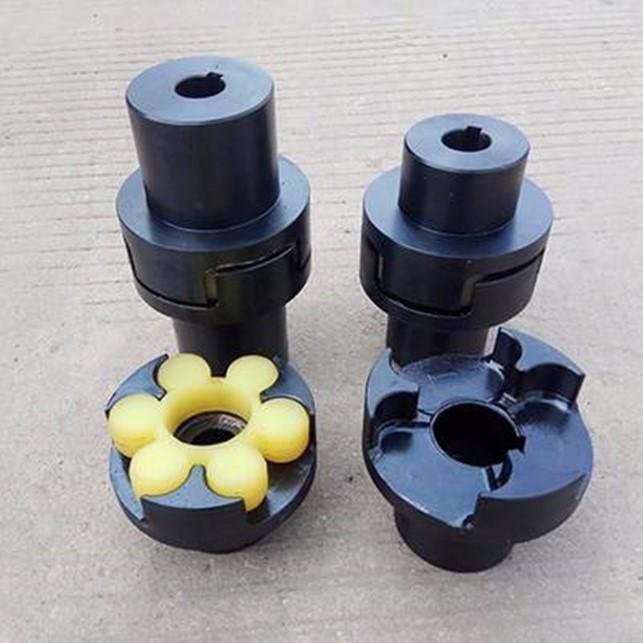
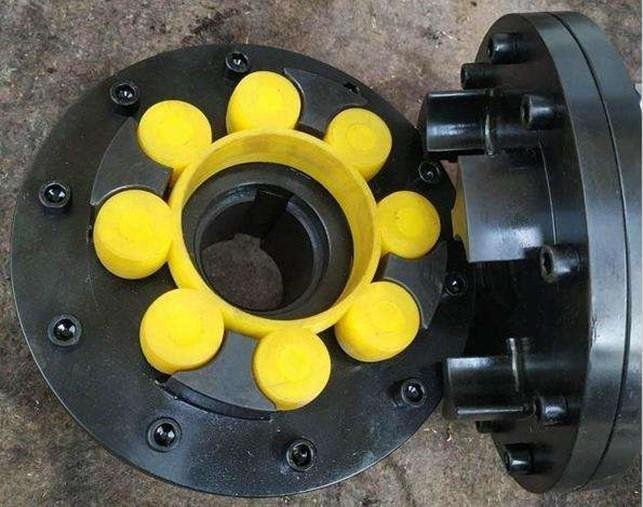
Modern manufacturing plants rely on robust transmission components for daily operations. Electric motors generate rotational force to drive heavy industrial equipment. A heavy-duty plum coupling secures the connection between motor shafts. This component transmits torque smoothly while absorbing sudden mechanical shocks. Elastomeric inserts sit between the interlocking hub claws to cushion vibrations. Without these cushions, metal parts grind against each other constantly. Rapid wear would eventually destroy the expensive machinery. Engineers choose these flexible units to prevent sudden mechanical failures. They keep the assembly running without unexpected production downtime. Proper power transmission guarantees high output in automated systems. Solid construction prevents premature failure under high torsional stress. Plant managers value this dependability in demanding factory environments.
Mitigating Angular and Parallel Shaft Misalignment in High-Torque Systems
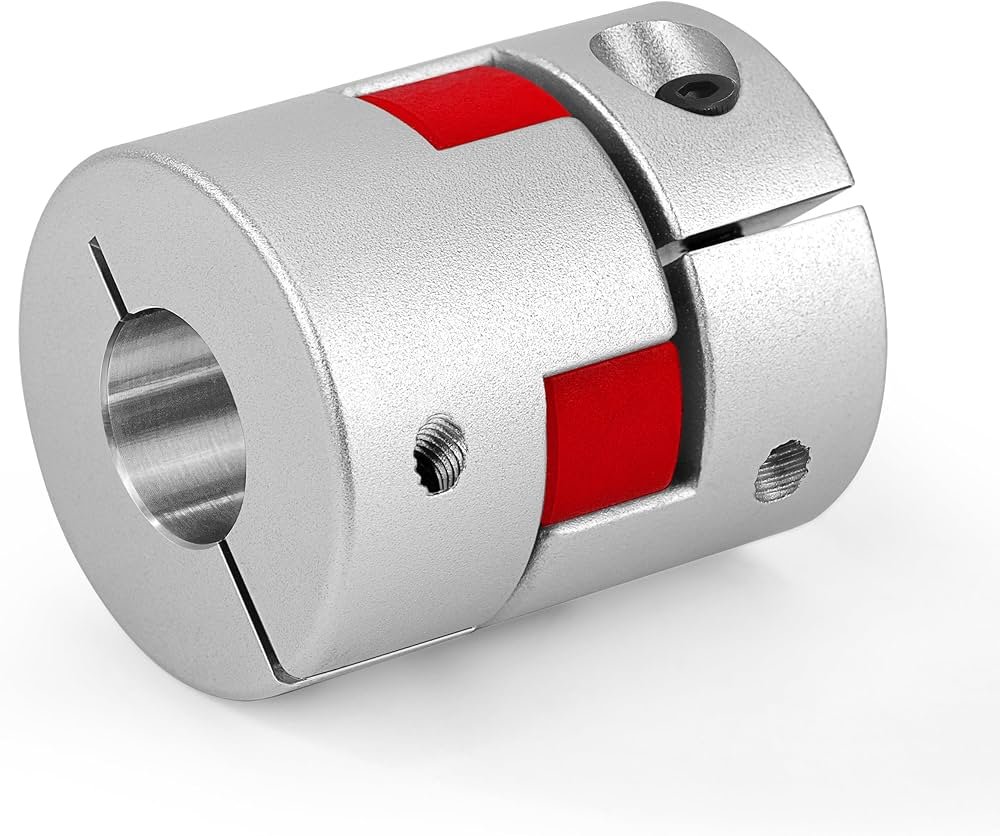
Perfect alignment remains a major challenge in factory setup procedures. Thermal expansion often shifts heavy machine bases out of alignment. Even a tiny deviation causes immense stress on connected bearing housings. A jaw coupling solves this issue by permitting minor misalignments. It allows for angular offset up to one full degree. The flexible central spider easily corrects parallel displacement. By absorbing axial movement, the unit protects the delicate motor bearings. Operating lifetimes of pumps and gearboxes increase significantly as a result. Technicians spend far less time correcting alignment errors manually during maintenance. System designers integrate these hubs to simplify structural assembly tolerances. Reliable performance continues even under highly unstable operating conditions. Flexible power paths keep manufacturing lines moving at optimal speeds. This protection lowers overall system stress under sudden load changes.
Exploring the Polyurethane Elastomer Spider Material and Its Properties
Material quality determines the operational lifespan of any transmission element. Engineers utilize advanced polyurethane compounds for the central damping element. This synthetic polymer offers exceptional wear resistance and chemical stability. Industrial environments expose components to oils, greases, and harsh solvents. High-grade elastomers resist these chemical agents without losing structural integrity. For intense applications, a stainless steel torque rating coupling provides extreme strength. The combination of metal and polyurethane creates an incredibly resilient system. A spider coupling prevents metal hubs from crashing together during operation. Furthermore, the material tolerates significant temperature swings in hot mills. Different durometer options allow users to customize torsional stiffness levels. Selecting the correct shore hardness guarantees long-term durability. Optimal damping properties keep crucial machinery running smoothly for years. Strong polymers endure heavy cyclic loading without experiencing permanent deformation.
Balancing Dynamic Balance and Rotational Speed Limits
High-speed machinery requires exceptional dynamic balance to prevent destructive vibration. Unbalanced components create centrifugal forces that grow exponentially with speed. These forces bend motor shafts and destroy bearing seals rapidly. Manufacturers machine the hubs precisely to achieve excellent concentricity. Symmetric design features ensure uniform weight distribution across the entire body. Elastomer elements also maintain their shape under high rotational forces. Precision balancing reduces noise levels in quiet factory environments. This balance allows systems to operate safely at higher RPM ratings. Technicians verify speed ratings before matching motors to their loads. Selecting balanced components guarantees smooth power flow in automation. Heavy industries rely on these details to maintain plant safety. Dynamic stability protects sensitive electronic sensors near the drivetrain.
Performance Metrics of Different Elastomer Hardness Levels
| Spider Color | Shore Hardness | Torque Capacity | Vibration Damping |
|---|---|---|---|
| Yellow | 92 Shore A | Medium | High |
| Red | 98 Shore A | High | Medium |
| Green | 64 Shore D | Very High | Low |
Detailed Analysis of Spider Hardness Under Cyclic Loading
Our structured hardness table reveals how physical properties change with shore metrics. Softer yellow spiders offer superb damping for highly sensitive electronic encoders. Red elements increase torsional stiffness while maintaining safe vibration absorption rates. Green spiders deliver maximum torque density for heavy hydraulic pumps. This flexible coupling elastomeric coupling system adapts to specific engineering needs. Selecting the wrong hardness level leads to rapid system degradation. For example, hard green spiders transmit excessive shock to motor bearings. Soft yellow spiders might tear under high-torque startup operations. Drivetrain designers must calculate precise system resonance before purchasing components. Proper elastomer choice prevents costly fatigue in high-speed rotary assemblies. Informed engineering choices ensure continuous operation in severe industrial settings. Plant safety relies on matching these performance metrics to actual loads.
Comparison of Coupling Hub Materials and Applications
| Hub Material | Weight Density | Corrosion Resistance | Primary Application |
|---|---|---|---|
| Aluminum Alloy | Low | High | Servo Motors |
| Cast Iron | High | Medium | Heavy Pumps |
| Alloy Steel | High | Low | High-Torque Mills |
Material Selection Criteria for Heavy Machinery Hubs
The material table illustrates key differences between common manufacturing metals. Aluminum hubs reduce overall weight to enhance dynamic system response times. These lightweight components work exceptionally well in precision automation fields. Cast iron provides excellent durability for standard heavy industrial machinery. This heavy metal absorbs mechanical shocks efficiently at lower cost. Alloy steel offers the highest torque ratings for massive steel mills. However, steel components require protective coatings to prevent rust formation. Engineers must balance weight, strength, and corrosion factors during planning. Choosing the wrong hub metal compromises transmission performance very quickly. Proper material specification prevents premature cracking under heavy structural loads. Reliable machinery depends on these careful calculations during initial design. Detailed specifications ensure long-term stability in harsh processing plants.
Standard Installation Steps for Curved Jaw Couplings
Inspect the motor and driven shafts for burrs or dirt.
Clean all shaft surfaces using a dry cloth and solvent.
Slide the first metal hub onto the driving shaft.
Place the second metal hub onto the driven shaft.
Position the elastomer spider into the claws of one hub.
Align both shafts to meet the standard axial gap distance.
Tighten all locking screws using a calibrated torque wrench.
Decoupling Critical Vibrations Through Correct Structural Alignment
Proper installation procedures guarantee optimal performance of transmission elements. Technicians must clean the shaft surfaces before mounting the metal hubs. Even tiny metal burrs prevent secure locking of the clamping screws. Aligning the shafts correctly minimizes initial stress on the elastomer spider. This careful positioning prevents premature wear during high-speed startup phases. Using a torque wrench ensures identical tightening force on every bolt. Uneven torque causes the hub to wobble during rotation. Excessive wobble introduces unnecessary vibration into the entire motor assembly. Routine maintenance checks should verify these settings after initial runs. Following these clear steps reduces the risk of sudden mechanical breakdown. Engineers secure their investments by enforcing these strict assembly standards. Precision setup remains the cheapest way to extend machinery lifespans.
Minimizing Maintenance Costs with a Plum Coupling
Industrial facilities constantly seek ways to reduce daily operating expenses. Every hour of unplanned downtime represents significant financial losses for factories.Engineers choose the plum coupling for its reliable fail-safe operation. The design ensures power transmission continues even if the elastomer fails.Metal claws interlock to prevent immediate decoupling of the rotating shafts. This safety feature allows operators to shut down systems safely.
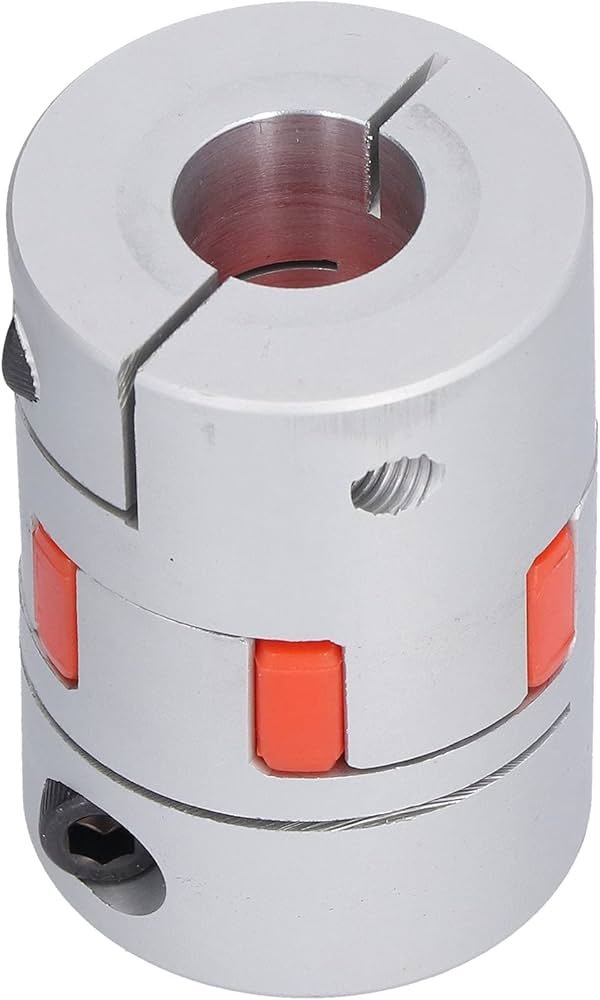
Replacing a worn elastomer insert takes only a few minutes. Such quick replacement costs far less than buying a new motor. Furthermore, resilient polyurethane inserts protect expensive machinery from costly damage. By absorbing sudden shock loads, they prevent catastrophic gearbox destruction. Investing in quality transmission components lowers long-term plant operating costs. Smart managers prioritize these small components to protect major capital assets.
FAQ
How do you select a plum coupling spider?
System designers must evaluate several factors before selecting the correct elastomeric element. First, calculate the maximum torque output of your driving motor. Multiply this value by a safety factor to accommodate shock loads. Next, identify the environmental temperature of your machinery setup. Polyurethane materials degrade faster in extremely hot processing facilities. Finally, determine the shaft misalignment limits of your physical system. Matching these operational metrics with the spider hardness ensures durability. Using this special plum coupling insert manages high rotational speeds safely. Choosing the right shore hardness prevents premature component failure. Proper selection protects the motor and driven equipment from damage. Plant efficiency depends heavily on these careful engineering calculations.
What are the main causes of premature elastomer wear in jaw couplings?
Excessive physical misalignment remains the leading cause of rapid elastomer degradation. Parallel or angular offsets generate severe friction inside the hub jaws. This constant friction creates extreme localized heat during high-speed rotation. High temperatures quickly break down the internal polymer bonds of polyurethane. Chemical exposure also accelerates material wear in harsh industrial mills. Oils and corrosive solvents soften the elastomer, reducing its load capacity. Furthermore, selecting an incorrect durometer spider leads to rapid mechanical fatigue. Overloading the hub claws causes the insert to tear under stress. Routine inspection helps identify these wear signs before total system failure. Prompt replacement of damaged spiders prevents expensive damage to metal shafts.
Can these flexible elements handle high-speed servo motor applications?
Precision motion control systems require specialized zero-backlash components for accurate positioning. Standard flexible units might introduce tiny rotational play during sudden reversals. However, pre-tensioned hubs eliminate this backlash to maintain high torsional stiffness. Aluminum hubs reduce weight to minimize rotational inertia in dynamic systems. These lightweight assemblies respond quickly to rapid acceleration and deceleration commands. Selecting a harder polyurethane insert prevents deformation under high torsional loads. This combination ensures perfect synchronization between the motor and ball screw. Automation engineers specify these components for high-speed pick and place machines. Reliable feedback loops depend on this structural rigidity for exact positioning. Safe operation continues even at rotational speeds exceeding six thousand RPM.