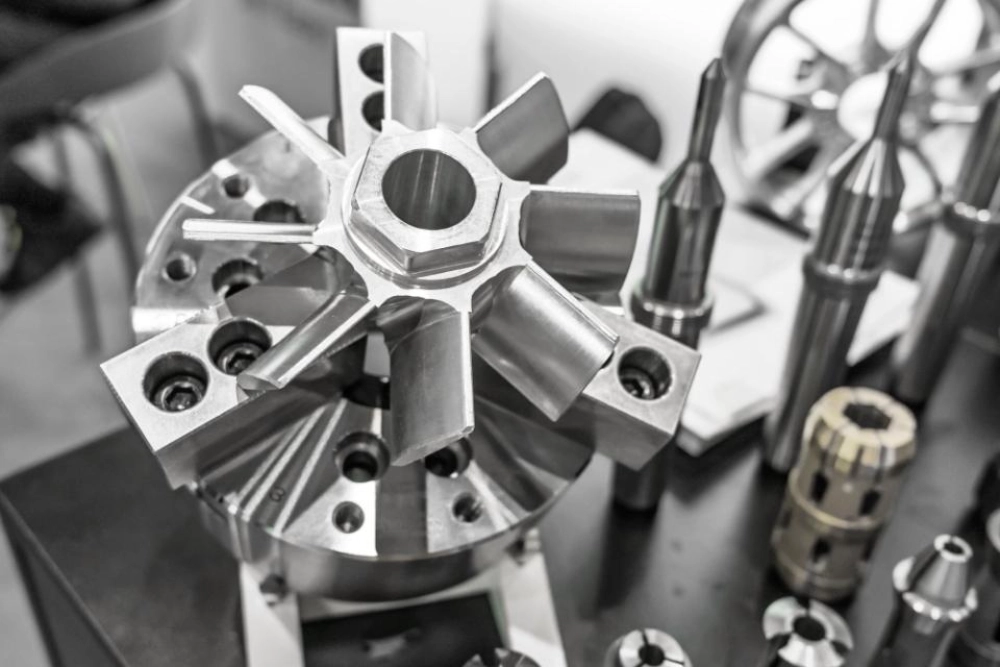
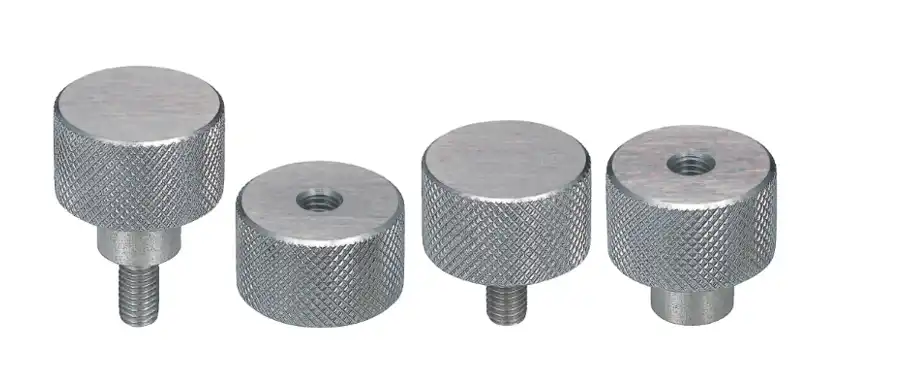
Knurled knob design plays a central role in modern mechanical control systems across industries. Engineers use it to improve grip stability and torque control during manual adjustment tasks. This structure features patterned surface textures that increase friction without requiring additional tools. Industrial operators prefer this solution in environments requiring precision and repeated handling. Machine interfaces often rely on tactile feedback for accuracy during fine adjustments. knurled knob design supports this need by offering consistent handling performance under different conditions. Manufacturing systems, automation equipment, and instrumentation panels frequently integrate this structure. Its reliability makes it a standard choice in mechanical engineering applications worldwide.
Functional advantages of knurled knob design in precision systems
The knurled knob design provides superior torque transfer compared with smooth surfaces in manual control systems. Operators achieve better rotational stability even when wearing gloves or working in oily environments. This improves safety and reduces operational errors in precision equipment. The textured surface increases friction, which directly enhances user control accuracy. Engineers often choose this solution for calibration instruments and adjustment mechanisms. Knurled knob design also minimizes slippage during repetitive motion cycles in industrial workflows. Consistent tactile response supports faster decision making during machine operation. As a result, production efficiency improves without requiring electronic assistance.

Material selection and performance impact
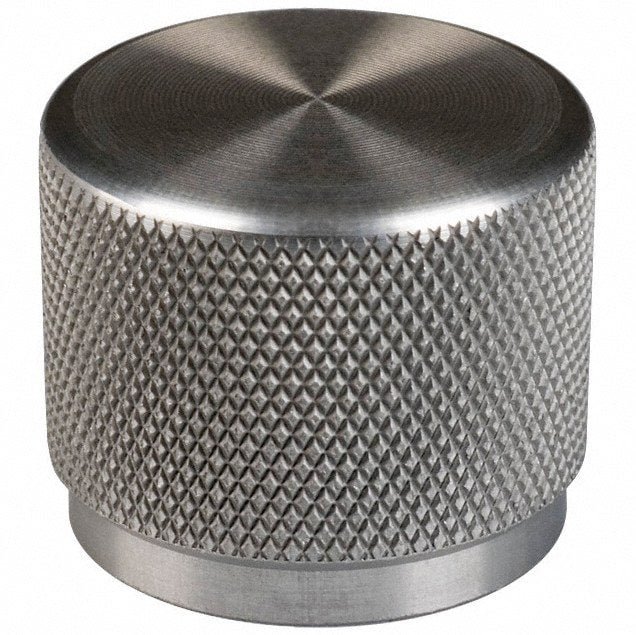
Material choice strongly influences durability and performance in industrial knob systems. Aluminum alloys offer lightweight construction and corrosion resistance for general applications. Brass provides excellent machinability and stable tactile feedback in precision assemblies. Engineering plastics reduce weight while maintaining acceptable strength in low-load environments. In high-strength applications, stainless steel remains the preferred material due to superior wear resistance. Stainless steel star knobs are often used in heavy-duty mechanical systems requiring long service life. Material selection must also consider temperature stability and chemical exposure risks. Proper pairing between material and application ensures long-term operational reliability and reduced maintenance requirements.
Surface engineering and grip optimization knurled knob design
Surface engineering plays a critical role in optimizing grip performance for knurled knob design. Manufacturers apply diamond or straight knurl patterns depending on torque requirements. Diamond patterns deliver multidirectional grip strength, improving usability in dynamic environments. Straight patterns enhance linear control for precision adjustments. knurled knob design benefits from controlled machining depth that balances comfort and friction. Excessively deep cuts may reduce material strength and durability. Shallow patterns can decrease grip efficiency under load. Engineers evaluate surface roughness values during production to maintain consistency. These parameters ensure predictable handling performance across different operating conditions.
Manufacturing process and precision knurling techniques
Production of knurled components requires high-precision machining equipment and controlled feed rates. CNC lathes commonly execute knurling operations with hardened steel rollers. Proper alignment ensures uniform pattern distribution across the surface. Tool pressure must be carefully calibrated to avoid material deformation. knurled knob design depends on accurate geometry to achieve consistent grip performance. Quality control teams measure pitch accuracy and surface uniformity during inspection.
| Knurl Type | Application | Grip Strength |
|---|---|---|
| Diamond Knurl | General industrial controls | High |
| Straight Knurl | Precision adjustment systems | Medium |
| Helical Knurl | Specialized torque tools | Very High |
Manufacturing precision directly affects usability and long-term durability of components. The knurling process must maintain consistent pressure throughout the machining cycle. Variations in force can lead to uneven grip performance and reduced lifespan. Engineers often test prototypes under simulated operational loads before final production approval. knurled knob design performance depends heavily on this controlled manufacturing environment.
Manufacturing process and precision knurling techniques further ensure repeatability across large production batches. Engineering teams rely on standardized machining protocols to maintain uniform quality. This consistency supports interchangeability in modular mechanical systems.
List of key advantages in industrial applications
- Improved manual torque control in mechanical systems
- Enhanced grip stability under oily or wet conditions
- Reduced operator fatigue during repetitive adjustments
- Increased precision in calibration environments
- Better durability compared with smooth surface alternatives
This list highlights the operational benefits derived from structured surface engineering in industrial components. Each advantage contributes to improved system reliability and user efficiency. Engineers often prioritize these factors during component selection and system design.
Manufacturing process and precision knurling techniques further ensure consistent performance across production cycles. Quality assurance teams validate each batch against strict tolerance standards to maintain reliability.
| Material | Strength Level | Common Use |
|---|---|---|
| Aluminum Alloy | Medium | Light equipment |
| Brass | Medium-High | Precision instruments |
| Stainless Steel | High | Heavy-duty machinery |
Material selection determines performance stability across different industrial environments. Each material provides a unique balance between strength, weight, and corrosion resistance. Engineers evaluate operating conditions before final selection.
Manufacturing process and precision knurling techniques remain essential for achieving consistent product quality in large-scale production systems. Standardized machining ensures predictable mechanical behavior under load conditions.
Industrial applications and system integration
Mechanical systems across automotive and aerospace industries rely on ergonomic control components. Operators require tactile feedback during critical adjustments. Knurled knob design supports these requirements through consistent surface interaction. Integration instrumentation panels improves operational accuracy. Automation systems also benefit from manual override capabilities enabled by metric clamping lobe knobs. Engineers design interfaces to reduce cognitive load during machine operation.
Engineering standards and mechanical compliance
Industrial components must follow strict dimensional and safety standards. Tolerances ensure compatibility across different manufacturers and systems. Surface texture parameters are often defined by international machining guidelines. These standards regulate depth, spacing, and pattern geometry. Compliance ensures predictable performance under operational stress conditions. Testing procedures validate mechanical strength and wear resistance before deployment.
Durability performance under industrial environments
Harsh environments demand components that resist corrosion, vibration, and mechanical wear. knurled knob design performs well under continuous operational stress due to its structural integrity. Protective coatings further enhance resistance against oxidation and chemical exposure. Mechanical stability remains consistent across temperature variations. Long service life reduces maintenance frequency and operational downtime.
Cost efficiency and scalability in production
Mass production techniques reduce per-unit manufacturing costs significantly. CNC automation increases output consistency while minimizing human error. Tooling standardization further improves scalability for large orders. Material optimization also contributes to cost control strategies. Industrial buyers often balance performance requirements with budget constraints. Efficient design ensures competitive pricing without sacrificing quality.
Future trends in knurled knob design innovation
Emerging technologies focus on hybrid materials and adaptive surface engineering. Additive manufacturing enables complex geometries previously impossible with traditional machining. Smart materials may introduce responsive grip surfaces in future systems. Sustainability considerations also influence material selection and production methods. Engineers continue refining efficiency and ergonomic performance in modern designs.
FAQ
Why is knurled knob design so widely used?
Knurled knob design is widely used because it improves manual control efficiency across mechanical systems. The textured surface increases friction, which enhances grip stability during operation. Operators achieve more precise adjustments even in challenging environments. Industrial machinery often requires consistent tactile feedback for accuracy. This design reduces slippage and improves safety during repeated adjustments. Engineers prefer it because it does not rely on electronic assistance. Material flexibility allows adaptation to different load conditions and environments. Manufacturing processes also support scalable production at low cost. These combined factors make it a standard solution in mechanical interface design.
What materials are best suited for knurled knob design?
Material selection depends on application requirements and environmental exposure. Aluminum is commonly used for lightweight and corrosion-resistant applications. Brass offers stable machining performance and good tactile response. Engineering plastics provide cost-effective solutions for low-stress environments. Stainless steel delivers superior strength and wear resistance in heavy-duty systems. Each material must balance durability, weight, and cost efficiency. Surface treatment can further enhance corrosion resistance and grip performance. Engineers evaluate temperature range and chemical exposure before selection. Proper material choice ensures long-term reliability and consistent mechanical behavior in operation.
How does knurl pattern geometry affect performance and grip stability?
Knurl pattern geometry directly influences grip efficiency and torque transfer capability. Diamond patterns provide multidirectional friction, improving control in dynamic environments. Straight patterns support precise linear adjustments in calibration systems. Helical patterns enhance continuous rotational grip under load. Depth and spacing also affect user comfort and mechanical strength. Excessive depth may weaken structural integrity over time. Shallow patterns reduce grip efficiency under stress conditions. Engineers optimize geometry based on application requirements and user interaction needs. Proper design ensures balanced performance between durability and tactile control in industrial systems.