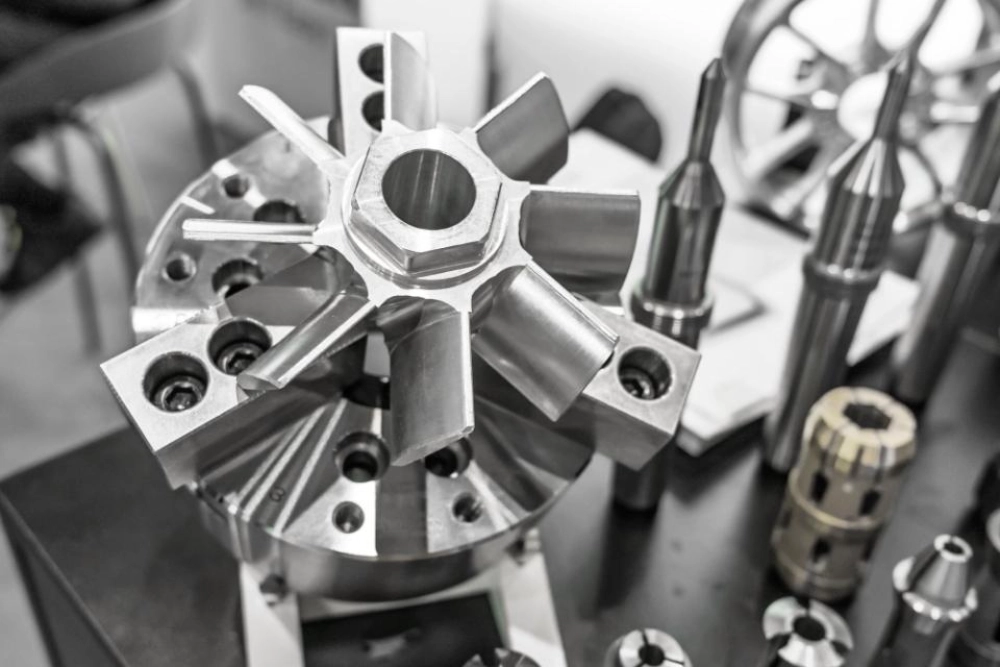
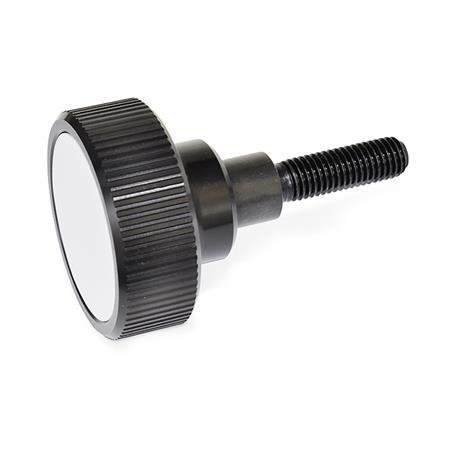
The hand tightening torque knob plays a critical role in modern machinery assembly environments where controlled force and repeatable adjustment matter. Engineers use the hand tightening torque knob to ensure stable fastening without overloading sensitive components. Industrial systems rely on this device to balance manual control and mechanical precision during setup and maintenance operations. Production teams prefer it because it reduces variability in torque application across operators. Many assembly lines integrate it into fixtures, jigs, and adjustable mechanisms. It also supports consistent performance in high-vibration environments where stability determines output quality. Manufacturers choose this component to improve operational reliability and reduce mechanical failure risks. Its simple structure hides a highly engineered mechanism designed for predictable torque behavior under continuous industrial use.
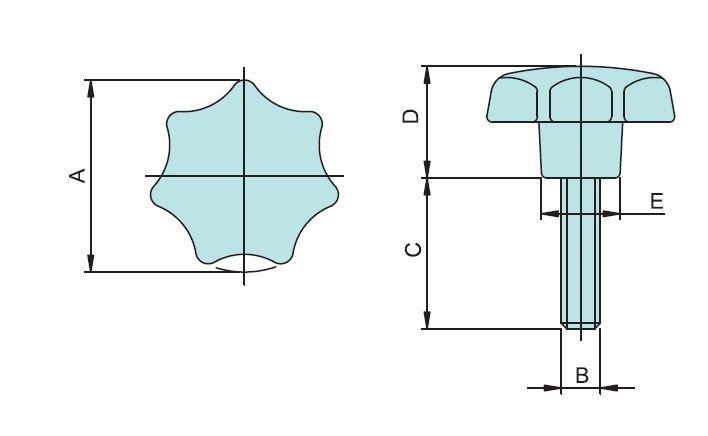
Core design and mechanical structure of torque adjustment systems
Torque adjustment systems rely on carefully engineered internal friction interfaces and calibrated compression elements. Designers build these systems to ensure consistent resistance during rotation. A precision spindle connects the knob to the clamping mechanism. This structure allows controlled force transfer without sudden load spikes. Engineers also optimize contact surfaces to minimize wear during repeated operation cycles. Material selection influences durability and long-term stability in harsh environments. Many systems integrate micro-adjustment features for fine positioning tasks. These mechanisms improve repeatability in assembly operations. Industrial users value predictable feedback during tightening operations. Ergonomic shaping also helps operators maintain grip stability under repetitive motion. The internal design ensures that each rotation delivers measurable mechanical response for controlled assembly outcomes.
Material engineering standards in torque control components
Material selection defines performance and longevity in torque control components used across industrial environments. Engineers prioritize corrosion resistance and mechanical strength when designing these systems. Hardened alloys often support structural stability under continuous load. Surface treatment processes improve wear resistance and reduce friction during operation cycles. Manufacturers test components under temperature variation to ensure consistent behavior. Polymer inserts sometimes improve grip and reduce vibration transfer during use. Quality standards require strict dimensional tolerance control during production. These tolerances ensure predictable mechanical interaction between moving parts. Advanced coatings also protect against oxidation in humid or chemically active environments. Material science directly influences operational reliability and service life. Engineers continuously refine compositions to balance cost efficiency and performance durability in demanding production settings.
Hand tightening torque knob in precision assembly systems and control efficiency
Precision assembly systems depend heavily on controlled tightening mechanisms to maintain structural integrity. Operators use calibrated tools to ensure consistent mechanical tension across components. Industrial environments require repeatability to reduce variation between production batches. Engineers design fixtures to support accurate alignment during assembly tasks. Controlled tightening reduces stress concentration on sensitive materials. Many production lines integrate manual adjustment interfaces for flexible control. These interfaces allow technicians to respond quickly to tolerance variations. Stability during fastening directly impacts final product quality. Manufacturers also monitor torque consistency through periodic calibration routines. Proper control methods reduce mechanical fatigue in assembled structures. Efficient tightening processes improve throughput while maintaining strict quality standards in high-volume production environments.
| Component Type | Material | Primary Function | Industrial Benefit |
|---|---|---|---|
| Torque Control Knob | Aluminum Alloy | Adjustable force control | Improves assembly consistency |
| Adjustment Spindle | Hardened Steel | Force transmission | Enhances mechanical stability |
| Friction Interface | Composite Polymer | Resistance regulation | Reduces wear rate |
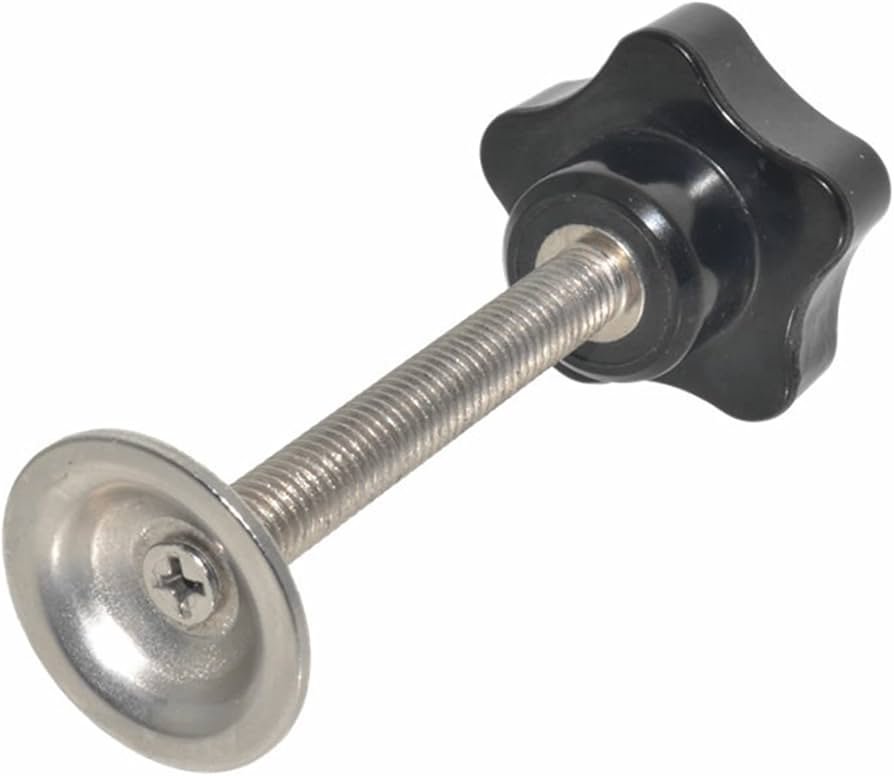
Mechanical components in industrial torque systems rely on precise material pairing and controlled interface design. The table above highlights how each part contributes to system performance. Engineers match materials with functional roles to optimize durability and response accuracy. Aluminum alloys reduce weight while maintaining structural integrity. Hardened steel ensures stable torque transmission under repeated load cycles. Composite polymers help regulate friction and extend service life. These combinations support consistent performance in demanding production environments. Proper integration of these components reduces maintenance frequency and improves operational reliability across long-term industrial use.
Hand tightening torque knob in core mechanical control design
Mechanical control design focuses on stability, precision, and repeatable performance in industrial environments. Engineers integrate ergonomic interfaces to support consistent operator input. These systems often include calibrated resistance mechanisms for predictable torque output. Controlled motion reduces risk of over-tightening sensitive assemblies. Design teams prioritize structural balance to prevent uneven load distribution. Assembly fixtures incorporate adjustable interfaces for flexible configuration. Each design element supports accuracy during repetitive production cycles. Manufacturers test systems under stress conditions to verify mechanical resilience. Proper alignment between components ensures efficient force transfer. Reliable control design improves operational efficiency across manufacturing workflows. Industrial systems depend on these engineered solutions to maintain production quality standards.
| Application Area | Typical Use Case | Performance Requirement |
|---|---|---|
| Electronics Assembly | PCB fixture adjustment | High precision control |
| Automotive Manufacturing | Component alignment | High torque consistency |
| Industrial Robotics | Joint calibration | Repeatable positioning |
Industrial application data demonstrates how torque control systems support multiple manufacturing sectors. Electronics assembly requires extremely fine adjustment accuracy to protect delicate circuits. Automotive production demands consistent torque application for structural safety. Robotics systems rely on precise calibration to maintain movement accuracy. The table illustrates how different environments impose unique performance requirements. Engineers design solutions to meet these varied operational demands. Proper implementation ensures efficiency and reduces error rates across production lines. These applications highlight the importance of controlled mechanical adjustment in modern industry.
Role in reducing operator fatigue and improving workflow efficiency
Industrial operators often perform repetitive adjustment tasks across long production cycles. Ergonomic design reduces physical strain during continuous use. Engineers shape interfaces to support natural hand positioning. Smooth rotational feedback minimizes resistance variability during operation. Efficient tool design allows faster adjustment cycles with less effort. Production environments benefit from reduced operator fatigue and improved consistency. Workflow efficiency increases when tools respond predictably under repeated use. Proper tool selection also reduces training time for new operators. Manufacturers emphasize comfort and control in high-frequency adjustment systems. Balanced mechanical design ensures stability while maintaining usability across diverse industrial conditions.
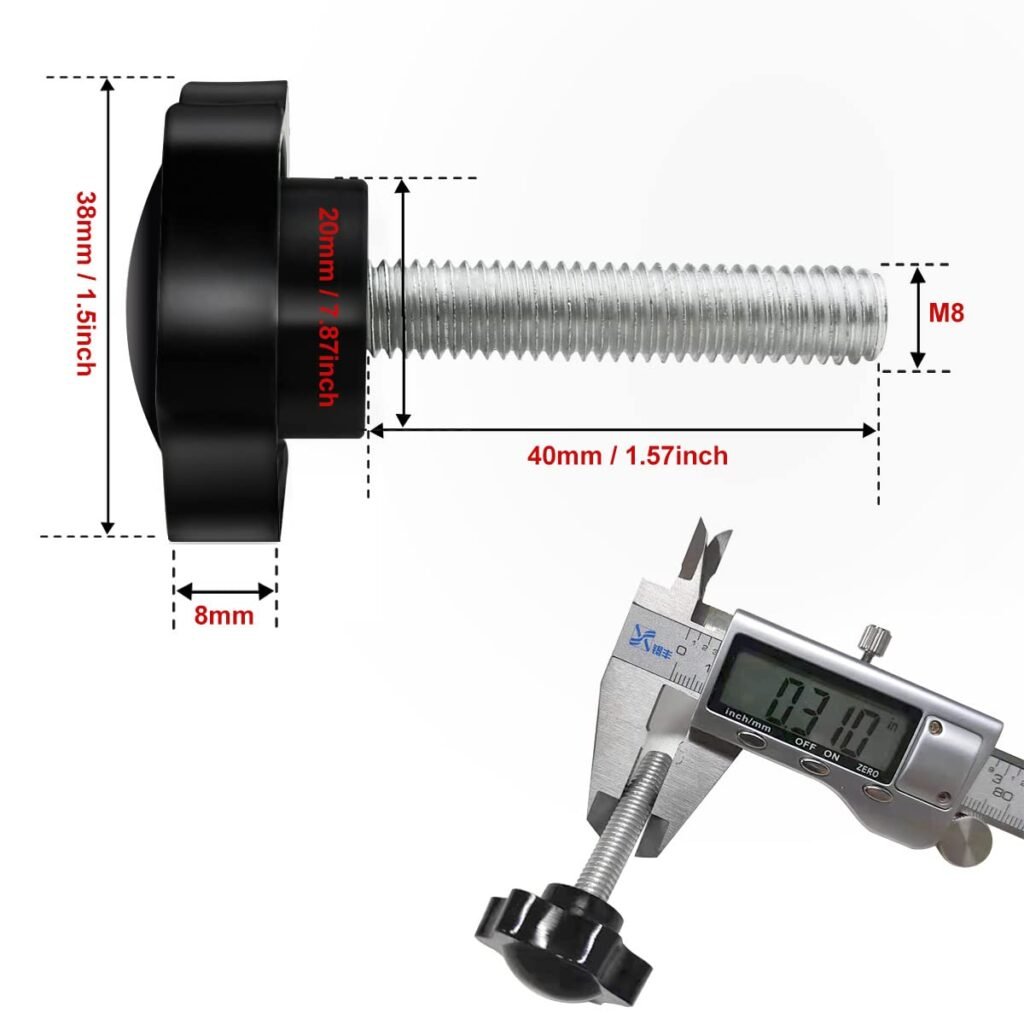
Hand tightening torque knob calibration and torque precision control
Calibration systems ensure accurate force delivery during mechanical assembly processes. Engineers establish reference standards to verify torque accuracy across tools. Adjustment mechanisms allow fine-tuning for specific production requirements. Controlled friction interfaces maintain consistent resistance during operation. Technicians perform regular checks to prevent deviation from target values. Stable calibration improves product quality and reduces assembly defects. Measurement tools support verification of torque consistency across batches. Precision control ensures repeatable outcomes in industrial environments. Proper calibration reduces mechanical stress on components during tightening operations. Manufacturers rely on these systems to maintain strict quality assurance standards in production lines.
Industrial applications and automation integration systems
Industrial automation systems integrate mechanical control components to enhance precision and efficiency. Engineers design interfaces for seamless machine compatibility. Automated systems rely on consistent mechanical response for predictable operation. Adjustable control elements support flexible production configurations. Integration improves cycle time and reduces manual intervention. Manufacturing lines benefit from synchronized mechanical and digital control systems. Proper alignment ensures stable performance under continuous operation. Automation reduces variability in production output. Engineers optimize system architecture to support scalable industrial deployment. Reliable integration supports long-term operational efficiency in advanced manufacturing environments.
Use of stainless steel star knobs in industrial fastening systems
Stainless steel star knobs provide enhanced corrosion resistance and mechanical strength in demanding environments. Engineers select them for applications requiring durability under moisture exposure. The star-shaped design improves grip and allows controlled manual adjustment. Operators use them in fixtures requiring frequent repositioning. Material composition ensures long-term structural integrity under repeated use. Industrial environments benefit from their resistance to oxidation and wear. Proper surface finishing improves tactile feedback during operation. These components support reliable fastening in both indoor and outdoor machinery systems.
Role of metric clamping lobe knobs in precision fixture adjustment
Metric clamping lobe knobs support quick adjustment in fixture systems requiring frequent repositioning. Engineers design them for tool-free operation in assembly environments. Their shape improves grip efficiency during manual tightening tasks. Manufacturing systems use them for rapid configuration changes. Material selection ensures stable performance under mechanical stress. These knobs help maintain alignment accuracy in modular setups. Operators benefit from reduced adjustment time during production changes. Consistent performance improves workflow stability across industrial applications.
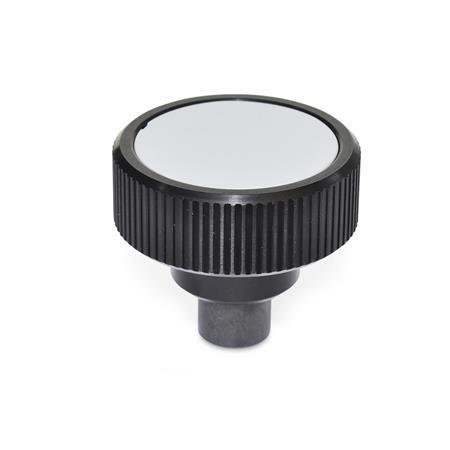
Integration of torque control components in modern manufacturing lines
Modern manufacturing lines depend on integrated control components for consistent performance. Engineers design systems that combine mechanical and digital feedback mechanisms. Proper integration improves production accuracy and reduces operational errors. Automated monitoring systems track torque consistency across assemblies. Real-time feedback allows immediate correction of deviations. Production managers rely on data-driven control systems for quality assurance. Mechanical components must align precisely with automated equipment. Integration enhances scalability and supports high-volume production requirements. Industrial systems achieve better efficiency through synchronized control architecture.
Engineering value and long-term industrial significance
Engineering design choices influence long-term system reliability and performance stability. Controlled mechanical interfaces reduce structural stress during operation. Material optimization extends service life across demanding environments. Industrial systems benefit from predictable mechanical behavior over time. Proper design reduces maintenance requirements and operational downtime. Engineers focus on balancing precision, durability, and usability. Long-term performance depends on consistent material and structural integrity. Reliable components support sustained production efficiency. Industrial adoption continues to grow due to proven mechanical advantages. These systems remain essential in precision-driven manufacturing environments.
FAQ
What is a hand tightening torque knob used for in machinery?
A hand tightening torque knob controls manual torque application in mechanical assemblies. Operators use it to ensure consistent tightening force during installation tasks. This helps prevent damage caused by over-tightening or uneven force distribution. Industrial systems rely on it for stable and repeatable adjustments. It supports accuracy in fixtures, tooling setups, and calibration processes. Engineers design it to provide predictable resistance during rotation. This improves control in precision manufacturing environments. It also enhances operator confidence during repetitive assembly operations. The component plays a key role in maintaining structural integrity across mechanical systems.
How does a torque knob improve assembly accuracy in production systems?
A torque knob improves accuracy by regulating applied force during tightening operations. It ensures each adjustment follows a controlled mechanical threshold. This reduces variability between different operators and production shifts. Engineers integrate calibrated resistance mechanisms for predictable performance. Controlled tightening prevents misalignment in assembled components. Production systems benefit from consistent mechanical tension across parts. Quality control teams rely on repeatable torque values for inspection standards. Accurate assembly reduces defect rates and rework costs. Overall system efficiency improves through stable mechanical control methods.
What materials are commonly used in torque control knobs?
Torque control knobs often use aluminum alloys, stainless steel, and engineered polymers. Aluminum provides lightweight strength and corrosion resistance. Stainless steel offers high durability and excellent wear resistance in harsh environments. Polymers help improve grip and reduce vibration during operation. Engineers select materials based on application requirements and load conditions. Surface treatments enhance resistance against oxidation and mechanical wear. Precision manufacturing ensures consistent dimensional accuracy across components. Material combinations help balance cost, durability, and performance. These choices ensure reliable operation in industrial environments with continuous mechanical stress.