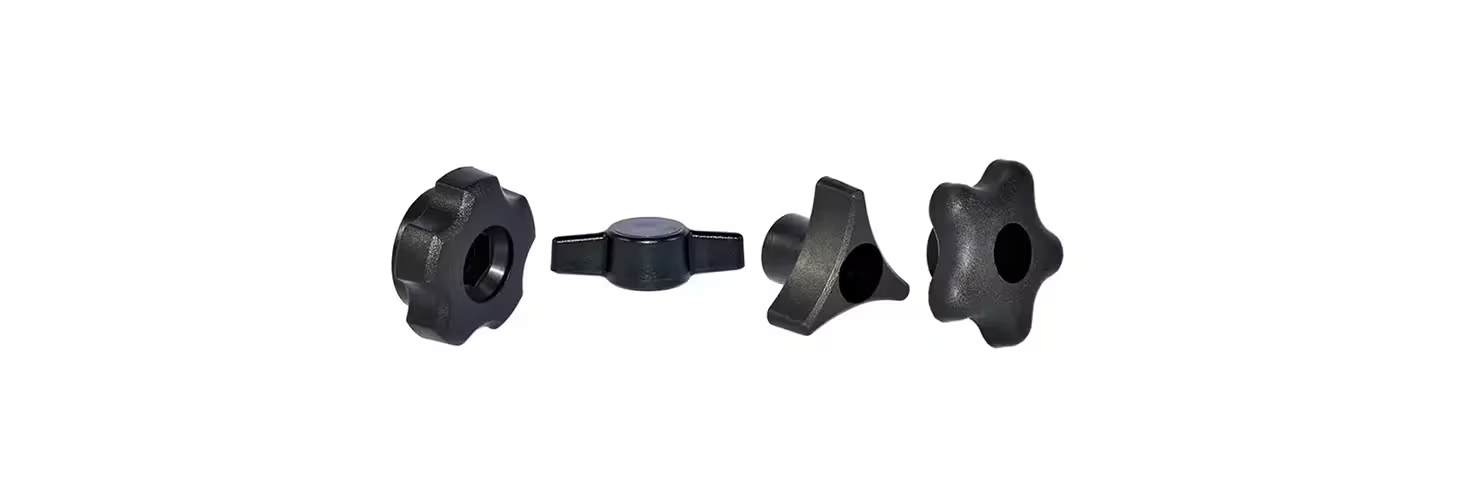
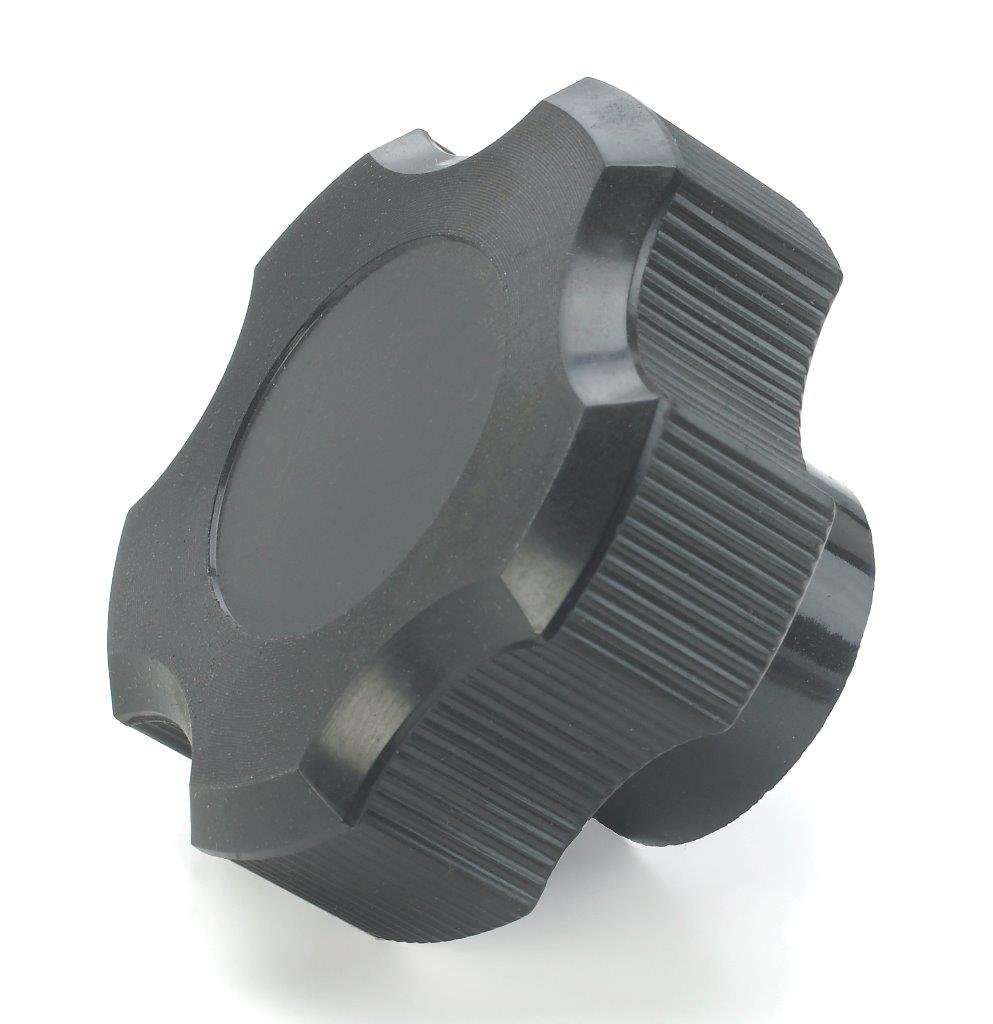
Chemical resistant machine knobs are essential in environments where operators interact with machinery exposed to corrosive substances. These components maintain structural stability when subjected to acids, solvents, and industrial cleaning agents. In production systems, reliable manual control remains critical for precision adjustments. Chemical resistant machine knobs reduce deformation risks caused by repeated exposure to aggressive chemicals. Their stable grip performance supports safe operation in wet or contaminated conditions. Industrial facilities depend on these components to ensure consistent machine interaction during long production cycles. This reliability improves both operational safety and equipment control accuracy in demanding environments.
Material Science Behind Chemical Resistant Machine Knobs
Engineering for chemical exposure begins with polymer selection and structural reinforcement. Chemical resistant machine knobs often use nylon, polyamide blends, or phenolic composites. These materials resist molecular penetration from solvents and cleaning agents. Stabilizers improve resistance to cracking and surface fatigue under long-term exposure. Surface densification techniques further reduce absorption rates. In controlled mechanical systems, precision adjustment components such as metric clamping lobe knobs may be used alongside chemical-resistant designs when moderate chemical exposure is present but rapid adjustment is required.

Key Industrial Applications of Chemical Resistant Machine Knobs
Chemical resistant machine knobs are widely used in industries requiring frequent sanitation and chemical handling. Pharmaceutical production lines depend on them for sterile control interfaces. Food processing systems require components that withstand high-pressure washdowns. Laboratory environments also rely on stable manual control during reactive experiments. These knobs maintain grip integrity even in humid or chemically saturated conditions. In mechanical assemblies requiring higher load stability, stainless steel star knobs are often selected for structural adjustment points where corrosion exposure is less aggressive but mechanical strength is prioritized.
Performance Benefits in Harsh Environments
Chemical resistant machine knobs provide long-term operational stability in corrosive industrial settings. Their material structure prevents swelling, cracking, and surface degradation. This ensures consistent torque transfer during repeated machine adjustments. Grip performance remains stable even when surfaces are wet or contaminated. Maintenance intervals become longer due to reduced wear rates. Equipment downtime decreases as replacement frequency drops. Operators benefit from predictable tactile feedback during continuous production cycles. These advantages make them suitable for high-demand industrial systems requiring uninterrupted performance.
Material Comparison in Industrial Control Knobs
| Material Type | Chemical Resistance | Heat Resistance | Durability Level |
|---|---|---|---|
| Nylon Reinforced | High | Moderate | High |
| Phenolic Resin | Very High | High | Moderate |
| Engineering ABS | Moderate | Moderate | Moderate |
Phenolic materials perform strongly in aggressive chemical environments due to dense molecular structure. Nylon-based solutions provide balanced mechanical strength and chemical stability. ABS materials are used in cost-sensitive applications with moderate exposure levels. Selection depends on operational temperature, chemical intensity, and load conditions. Proper material matching improves system reliability and extends service life across industrial control environments.
Installation and Maintenance Practices
Correct installation directly affects long-term performance in chemical environments. Torque control must remain within specified limits to avoid internal stress damage. Regular inspection helps detect early surface fatigue or material degradation. Cleaning should use non-reactive solutions that do not compromise polymer structure. Abrasive tools should be avoided to preserve surface integrity.
- Apply controlled torque during installation
- Use compatible chemical cleaning agents
- Inspect for cracks or surface wear regularly
- Replace components showing deformation
These practices ensure stable mechanical performance over extended operational cycles. Maintenance consistency reduces unexpected failures and supports continuous production stability in chemical-heavy environments.
Compliance Standards for Industrial Components
| Standard | Focus Area | Industrial Value |
|---|---|---|
| ISO 9001 | Quality management | Production consistency |
| ISO 14001 | Environmental control | Sustainable manufacturing |
| ASTM D543 | Chemical resistance testing | Material validation |
Standards ensure consistent performance under industrial exposure conditions. Chemical testing verifies resistance to solvents, acids, and cleaning agents. Quality systems guarantee manufacturing stability across production batches. Environmental standards support sustainable material selection and processing. These certifications increase reliability in procurement decisions and ensure compliance in regulated industries requiring verified component performance.
Chemical Resistant Machine Knobs in Automation Systems
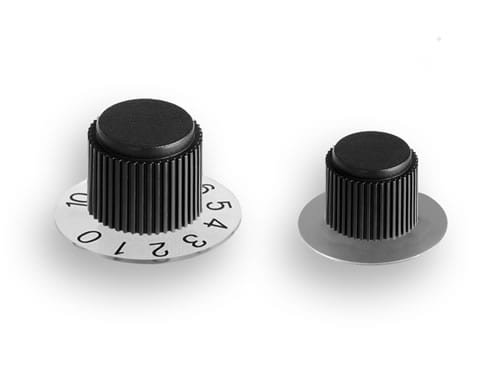
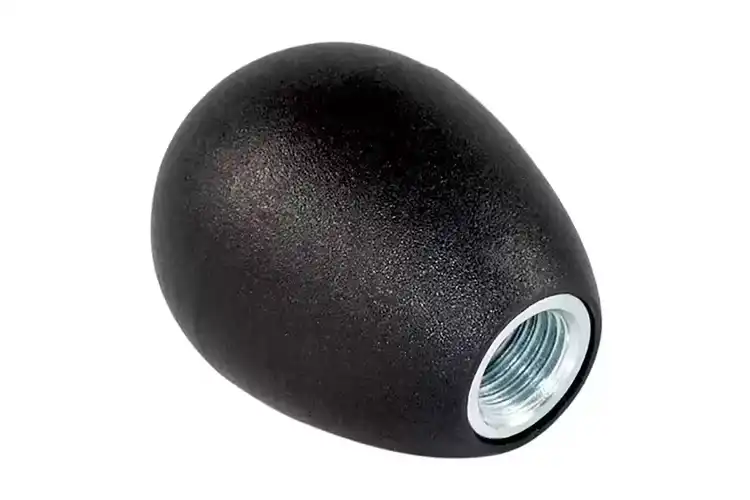
Modern automation systems integrate manual control elements for hybrid operation. Chemical resistant machine knobs support operator intervention during automated cycles. They allow fine adjustments without disrupting system stability. In CNC and precision machinery, these components provide tactile feedback during calibration tasks. Their durability ensures stable operation even in high-cycle environments. This combination of automation and manual control improves flexibility in industrial workflows. Reliable performance under chemical exposure ensures long-term usability in advanced manufacturing systems.
FAQ
What makes chemical resistant machine knobs different from standard knobs?
Chemical resistant machine knobs are engineered using specialized polymers that resist degradation from acids, solvents, and cleaning agents. Standard knobs often lose structural stability under similar exposure. These industrial components maintain consistent torque and grip performance even in harsh environments. Their material composition prevents swelling, cracking, and surface erosion. This makes them suitable for pharmaceutical, food processing, and chemical production systems where cleaning cycles are frequent and aggressive.
Which industries rely most on chemical resistant machine knobs?
Industries with high exposure to chemicals and sanitation processes depend heavily on these components. Pharmaceutical manufacturing uses them for sterile control systems. Food processing facilities require them for washdown resistance. Laboratory environments rely on stable manual control during experiments involving reactive substances. Chemical production plants also use them in equipment exposed to corrosive materials. These applications demand consistent performance, making chemical resistant machine knobs essential for operational reliability.
How do chemical resistant machine knobs improve machine lifespan?
These components extend machine lifespan by reducing damage caused by chemical exposure. Traditional materials degrade faster under cleaning agents and corrosive environments. Chemical resistant machine knobs maintain structural integrity over long operational cycles. This reduces failure rates and maintenance frequency. Equipment experiences fewer interruptions, improving productivity. Consistent material performance ensures stable mechanical interaction, which helps preserve surrounding machine components and extends overall system durability in demanding industrial conditions.