Clamping Knob M5 Supports Precise Machine Positioning Requirements
A clamping knob m5 provides an efficient solution for industrial adjustment tasks that require stable positioning and convenient operation. Many machine systems rely on manual fastening components to secure fixtures, panels, and movable structures. The compact design helps operators complete adjustments in restricted installation areas. Engineers usually evaluate thread compatibility, grip performance, and working conditions before selecting suitable components. A reliable adjustment part can reduce setup time and support consistent equipment operation. Proper design also improves user control during repeated adjustments. Industrial applications often require components that combine durability, accuracy, and simple handling. These factors make precision fastening solutions important for modern production environments.
Mechanical Structure Features Behind Clamping Knob M5 Performance
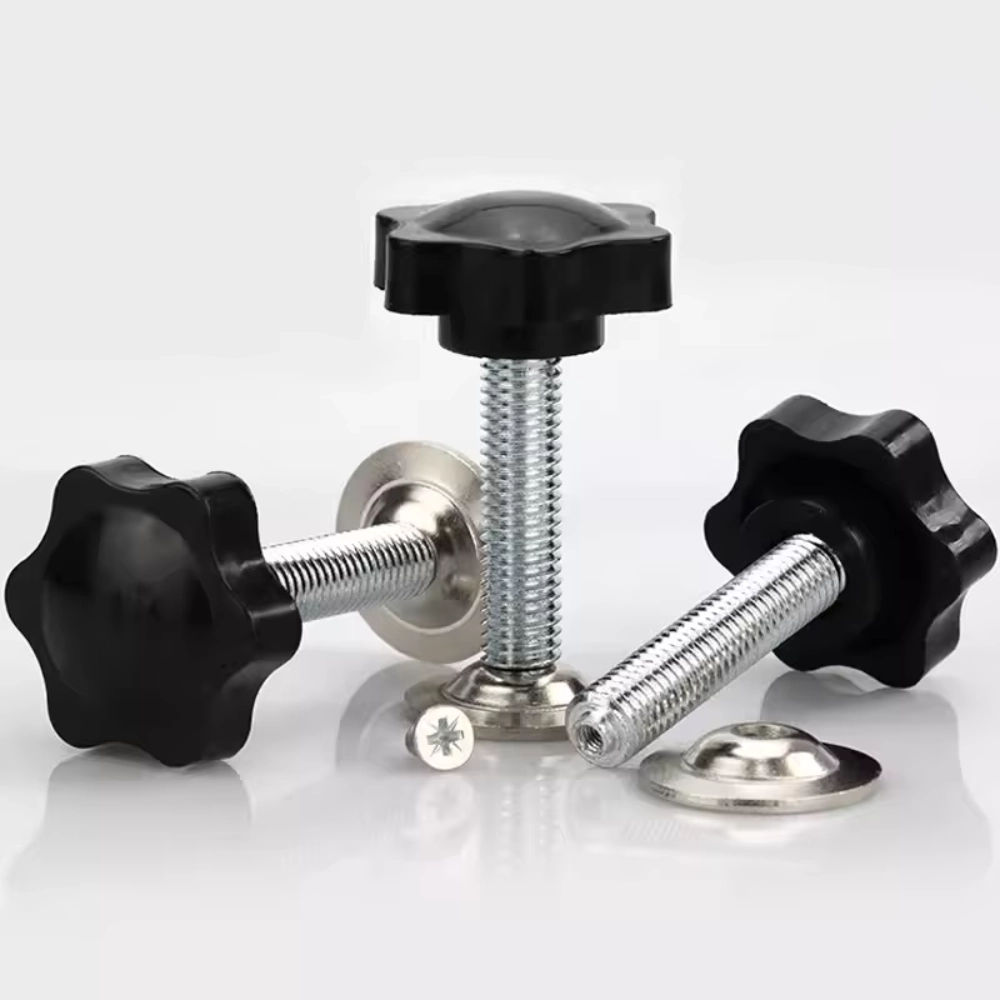
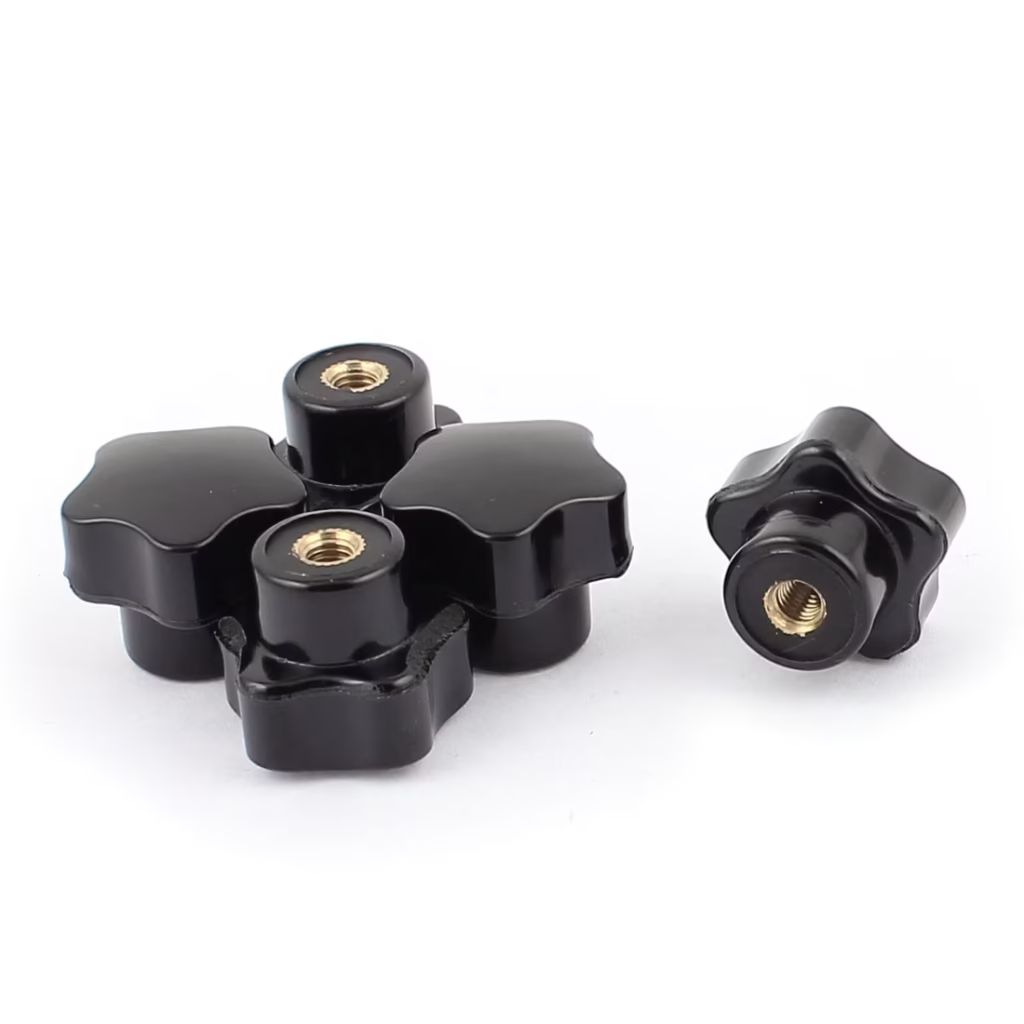
The structure of an adjustment knob directly affects connection stability and operating efficiency. Main components usually include a molded grip body, threaded insert, and connecting shaft. The grip section provides comfortable handling, while the internal thread ensures secure attachment with machine parts. Manufacturers often use reinforced polymers and metal inserts to improve strength. Thread accuracy remains important because poor machining can create installation problems or unstable connections. Surface texture also influences manual control by increasing friction during operation. A balanced structure allows users to apply suitable force without damaging equipment surfaces. These design details support reliable performance in fixtures, assembly systems, and industrial devices.
Material Selection Factors Affecting Industrial Knob Durability
Material selection influences resistance, lifespan, and overall reliability. Common options include nylon, ABS, polypropylene, and stainless steel components. Nylon offers strong impact resistance and maintains stable dimensions under normal industrial conditions. ABS provides a smooth finish and good mechanical strength for general applications. Stainless steel inserts improve thread durability when operators frequently adjust equipment positions. Environmental factors such as humidity, chemicals, and temperature changes should also affect material decisions. Some production environments require enhanced corrosion resistance and stronger structural support. The combination of polymer housing and metal connection parts creates a practical balance between user comfort and mechanical performance.
| Material Type | Key Property | Typical Usage |
|---|---|---|
| Nylon | High impact resistance and lightweight structure | Industrial fixtures and adjustment systems |
| ABS Plastic | Good rigidity and smooth surface quality | Machine accessories and control equipment |
| Stainless Steel Insert | Strong thread protection and durability | Frequent adjustment applications |
How Adjustable Components Improve Equipment Operation Efficiency
Efficient machine operation relies on fast and accurate position adjustments during production processes. Manual adjustment components allow operators to change settings without additional tools, which improves workflow efficiency. These components are widely used in fixtures, inspection devices, assembly equipment, and automation systems. Wing Knobs Female Thread products offer a practical solution for applications requiring direct hand adjustment and secure threaded connections. Their internal thread structure supports stable installation while maintaining convenient operation. Engineers usually evaluate installation space, adjustment frequency, and required holding force before selecting suitable components. Reliable fastening solutions reduce production interruptions and help equipment maintain consistent performance during different operating stages. Flexible designs also support machine upgrades by allowing quick position changes when production requirements change.
Key Parameters for Selecting Reliable Machine Adjustment Parts
Choosing suitable adjustment components requires careful evaluation of technical specifications. Buyers should compare dimensions, materials, thread standards, and application requirements.
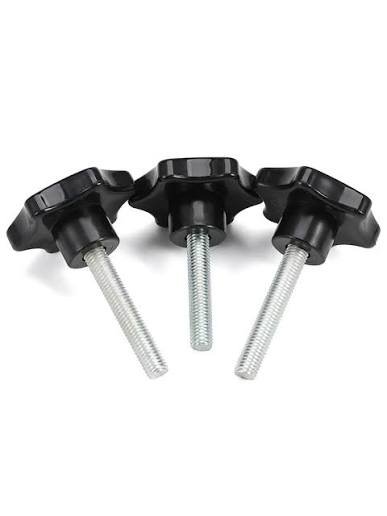
Different machines may need different connection methods and load capacities. Product information helps users identify suitable options before purchasing.
| Parameter | Selection Focus | Influence |
|---|---|---|
| Thread Specification | Matching equipment connection design | Improves installation accuracy |
| Grip Shape | User comfort and operating control | Supports efficient adjustment |
| Material Performance | Environmental compatibility | Extends service duration |
| Load Requirement | Required fastening strength | Maintains stable positioning |
Installation Methods That Maximize Clamping Stability
Correct installation improves the effectiveness of manual fastening systems. Operators should confirm thread matching before assembly. Proper alignment prevents damage caused by incorrect installation angles. Excessive tightening may shorten component life and create unnecessary stress on connected parts. A controlled tightening process maintains stability without affecting machine surfaces. Regular inspection helps identify wear, looseness, or thread damage. Environmental conditions should also receive attention because vibration and contamination may influence performance. Metric clamping lobe knobs are suitable for applications that require comfortable handling and repeated adjustment. Their ergonomic structure helps users maintain better control during daily equipment operation.
Common Industrial Applications Requiring Manual Adjustment Solutions
Manual adjustment solutions support many industrial sectors because they provide flexible operation methods. Common applications include:
- CNC fixture positioning systems
- Assembly production equipment
- Testing and measurement devices
- Packaging machinery structures
- Laboratory equipment platforms
These applications require reliable components because operators frequently change machine settings. Small fastening parts can affect equipment accuracy and workflow efficiency. Manufacturers focus on production consistency to maintain stable dimensions and performance. Suitable components help reduce maintenance demands and improve operational reliability. Professional suppliers usually provide detailed specifications to support application matching.
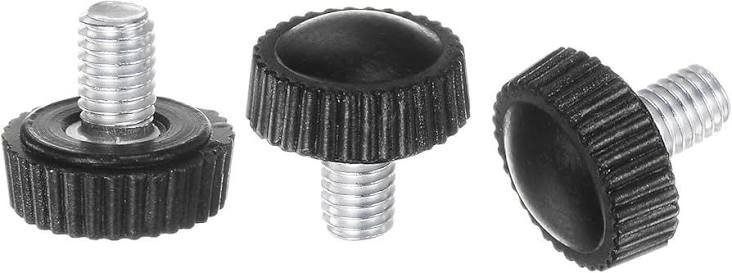
Performance Comparison Between Different Manual Clamping Solutions
Different fastening methods provide different advantages depending on equipment requirements. Screws usually offer strong fixation but require tools during adjustment. Lever systems provide faster operation but often need additional installation space. Knob designs create a balance between convenience and holding ability. Equipment designers compare torque requirements, adjustment frequency, and working conditions before making decisions. Suitable fastening methods improve operator efficiency and reduce unnecessary downtime. Combining different solutions can help machines achieve better flexibility and performance.
Maintenance Practices Extend Component Service Life
Regular maintenance helps preserve the condition of adjustment components. Operators should clean connection areas and remove dust from threaded sections. Wear inspection can identify potential problems before equipment performance decreases. Appropriate cleaning methods prevent surface damage and maintain material quality. Metal connection areas may require suitable maintenance procedures to support smooth operation. Storage conditions also influence component quality before installation. Companies that establish inspection routines can improve equipment reliability and reduce replacement frequency. Proper maintenance creates better long-term value for industrial systems.
Quality Standards Manufacturers Should Evaluate Before Purchasing
Quality evaluation plays an important role when selecting industrial component suppliers. Manufacturers should check production accuracy, material consistency, and testing procedures. A clamping knob m5 requires precise manufacturing because small dimensional differences may affect assembly results. Professional suppliers often use inspection systems to monitor product quality throughout production. Buyers should review material information, measurement records, and customization options before cooperation. Reliable quality management reduces performance differences between production batches. Consistent manufacturing methods support stable equipment operation and improve purchasing confidence. These factors help companies select dependable suppliers for long-term industrial applications.
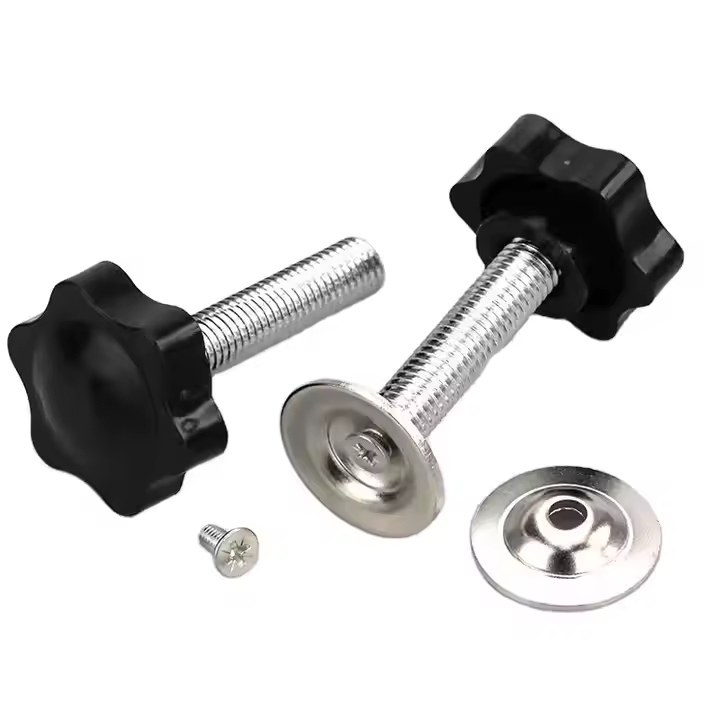
Future Trends In Manual Adjustment Component Design
Industrial equipment continues to require more flexible and efficient adjustment solutions. Manufacturers are developing lighter materials, stronger structures, and improved ergonomic designs. Advanced production technologies allow tighter dimensional control and better product consistency. Future components may include customized shapes for specialized applications. Equipment builders increasingly focus on reducing installation difficulty while improving operator convenience. Compact fastening solutions remain valuable because they support efficient machine layouts. Continuous innovation helps industrial users achieve better performance with smaller and more practical components.
FAQ
What Makes Clamping Knob M5 Suitable For Industrial Equipment?
Clamping knob m5 products are suitable for industrial equipment because they provide convenient manual control and stable connection performance. Their compact structure supports installation in limited spaces. Operators can complete adjustments quickly without relying on extra tools. The threaded design helps maintain secure positioning during machine operation. Material selection also improves durability in different working environments. These components are commonly used in fixtures, inspection systems, and adjustable equipment structures. Proper specification matching ensures better performance and longer service life. Their practical design supports efficient maintenance and flexible production requirements.
How Should Users Select The Right Model For Machine Applications?
Users should evaluate thread size, material characteristics, installation space, and operating conditions before selecting a model. Equipment with frequent adjustments may require stronger connection structures. Applications exposed to moisture or chemicals may need corrosion-resistant materials. Grip design also affects operating comfort and adjustment efficiency. Reviewing supplier specifications helps prevent compatibility problems. A detailed evaluation process allows users to select components that match actual machine requirements. Proper selection improves equipment stability and reduces unnecessary maintenance costs during long-term operation.
Can These Components Improve Long-Term Machine Reliability?
Reliable adjustment components can support long-term machine reliability by maintaining stable connections between different parts. They reduce unwanted movement during operation and help preserve accurate positioning. Regular maintenance further improves performance by preventing thread damage and surface wear. High-quality materials and precise manufacturing methods contribute to longer service life. When machines require frequent setting changes, dependable fastening solutions become especially valuable. Proper component selection supports efficient maintenance schedules and reduces unexpected interruptions. These advantages make manual adjustment products useful across many industrial environments.