Handwheel For Valves Performance Factors In Industrial Applications
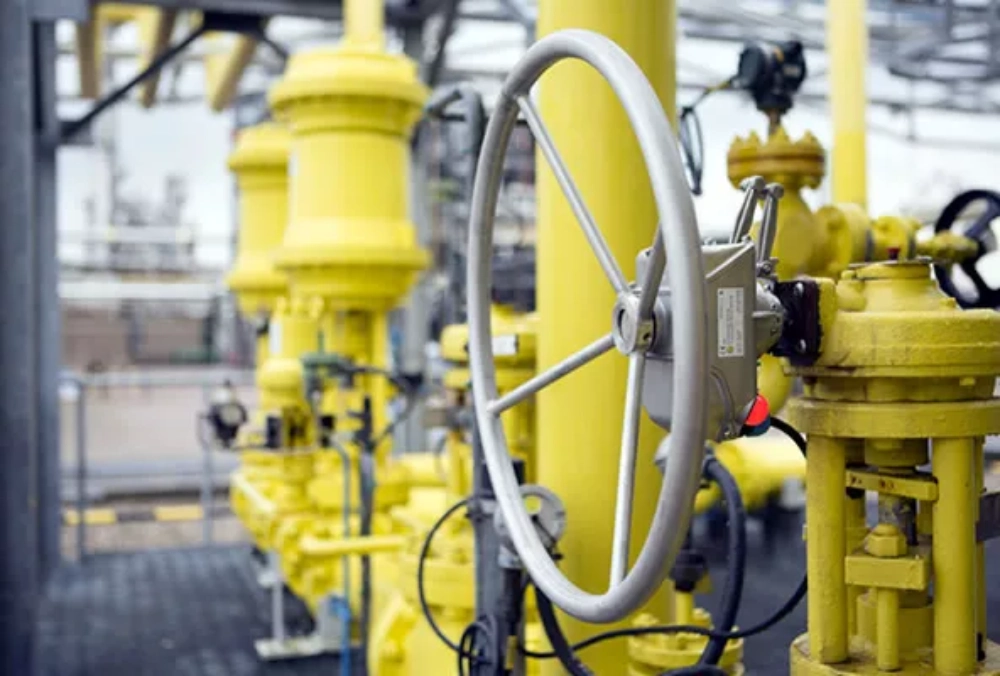
Industrial valve systems require reliable manual control for adjustment, maintenance, and emergency operation. The selection of handwheel for valves directly affects torque transmission, operating comfort, and equipment stability. A suitable design allows operators to adjust valves smoothly with controlled force. Industrial environments often involve moisture, chemicals, dust, and temperature variations. Therefore, manufacturers evaluate materials, structures, connection systems, and surface protection before production. Reliable handwheels support consistent performance across pipelines, processing equipment, and mechanical systems. Buyers should consider operating conditions, valve specifications, and service requirements before selecting suitable products. A balanced structure improves safety, reduces maintenance frequency, and supports long-term industrial operation.
Material Selection And Durability Requirements For Valve Handwheels
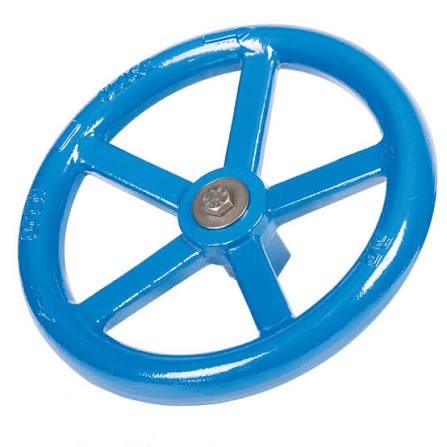
Material selection determines strength, durability, and environmental resistance during repeated industrial operation. Common materials include cast iron, aluminum alloy, stainless steel, and engineering plastics. Cast iron provides excellent load capacity for heavy-duty applications requiring high torque. Aluminum alloy offers lightweight advantages with suitable corrosion resistance. Stainless steel performs well in chemical, marine, and hygienic environments because of its protective characteristics. Engineering plastics provide insulation properties and reduced weight for special applications. Manufacturers select materials according to operating temperatures, mechanical loads, and service cycles. Proper material matching prevents cracking, deformation, and surface damage. Professional buyers should evaluate material properties carefully because different industries create unique challenges. Suitable material choices improve reliability and extend service periods. The material quality of handwheel for valves also influences long-term performance when equipment operates under demanding conditions.
| Material Type | Main Characteristics | Typical Applications |
|---|---|---|
| Cast Iron | High strength and strong mechanical resistance | Heavy industrial valves and pipelines |
| Aluminum Alloy | Lightweight structure and corrosion resistance | Compact machinery and frequent operation systems |
| Stainless Steel | Excellent corrosion protection and durability | Chemical, food, and pharmaceutical equipment |
| Engineering Plastic | Low weight and insulation capability | Small valves and special environments |
Material performance directly affects product reliability in different industries. Chemical facilities often require stainless steel because aggressive substances may damage ordinary materials. Outdoor systems need stronger protection against humidity and weather exposure. Advanced coatings can improve resistance against oxidation and mechanical wear. Some manufacturers combine metal structures with protective treatments to achieve longer service periods. These solutions help maintain accurate operation after repeated adjustments. Professional selection considers both material properties and working environments. A detailed evaluation process reduces replacement costs and supports stable industrial performance.
Ergonomic Design Features Improving Manual Valve Operation
Ergonomic design improves handling efficiency and reduces physical effort during manual adjustment. Important factors include wheel diameter, grip structure, surface texture, and rotation resistance. Larger diameters provide stronger mechanical advantages for valves requiring higher torque. Smaller designs support faster adjustments in limited spaces. Rounded edges improve comfort during extended operation periods. Textured surfaces increase grip when users wear gloves or work in wet conditions. Industrial machine handwheels often apply ergonomic concepts to improve control performance and user experience. These improvements reduce operator fatigue and support safer maintenance procedures. A practical design balances mechanical capability, installation requirements, and daily operating convenience across various industrial applications.
Handwheel For Valves Size And Specification Matching Methods
Correct specifications ensure efficient torque transmission and stable valve operation. Engineers evaluate valve dimensions, stem structures, pressure conditions, and operating forces before selecting components. Incorrect sizing may create insufficient control or excessive mechanical stress. Important parameters include wheel diameter, bore size, mounting structure, and fixing methods. Buyers should review technical drawings before purchasing products for industrial equipment. Customized solutions may become necessary when standard specifications cannot satisfy application requirements. Accurate matching improves installation compatibility and reduces operational issues. Proper specification selection also supports easier maintenance and longer service periods. Professional evaluation helps users select components that match actual working conditions and improve overall equipment reliability.
| Specification Factor | Selection Consideration | Operational Influence |
|---|---|---|
| Wheel Diameter | Match required torque level | Controls operating force |
| Bore Size | Fit valve stem dimensions | Improves installation accuracy |
| Material Thickness | Support mechanical loads | Enhances structural durability |
| Mounting Method | Match equipment connection | Prevents unstable operation |
Specification evaluation helps buyers avoid compatibility problems during installation. Different valve systems require different operating forces, so appearance cannot determine suitability. Engineers analyze mechanical loads and usage frequency before confirming final dimensions. Proper matching improves force transfer efficiency and reduces unnecessary stress. Detailed specifications also allow suppliers to provide customized options for special equipment. Buyers who check technical parameters carefully can reduce maintenance costs. This approach creates more reliable valve systems and improves operational efficiency.
Connection Structure And Installation Compatibility Analysis
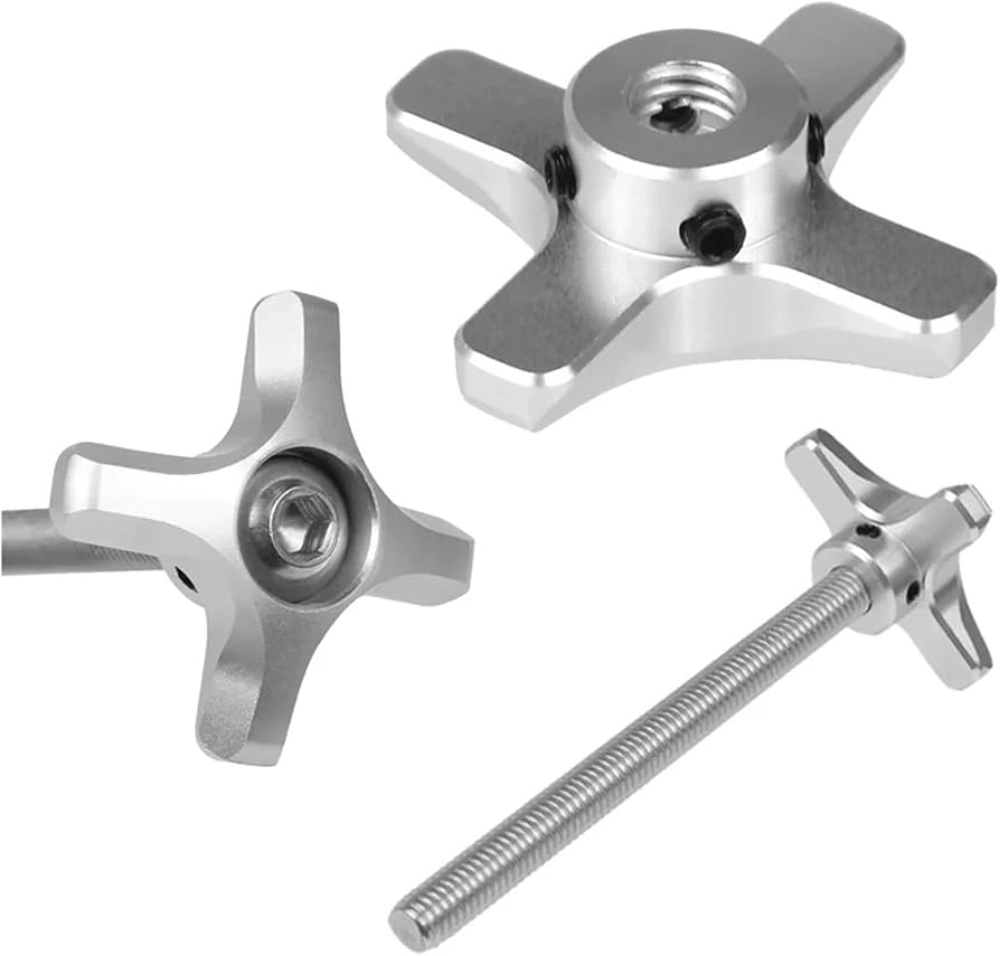
Connection design affects installation stability, torque transfer efficiency, and maintenance convenience. Common connection methods include keyed shafts, threaded systems, clamping structures, and direct mounting solutions.Keyed connections provide strong engagement and prevent slipping during operation. Threaded systems offer convenient installation for smaller equipment. Clamping designs support faster replacement during maintenance activities.
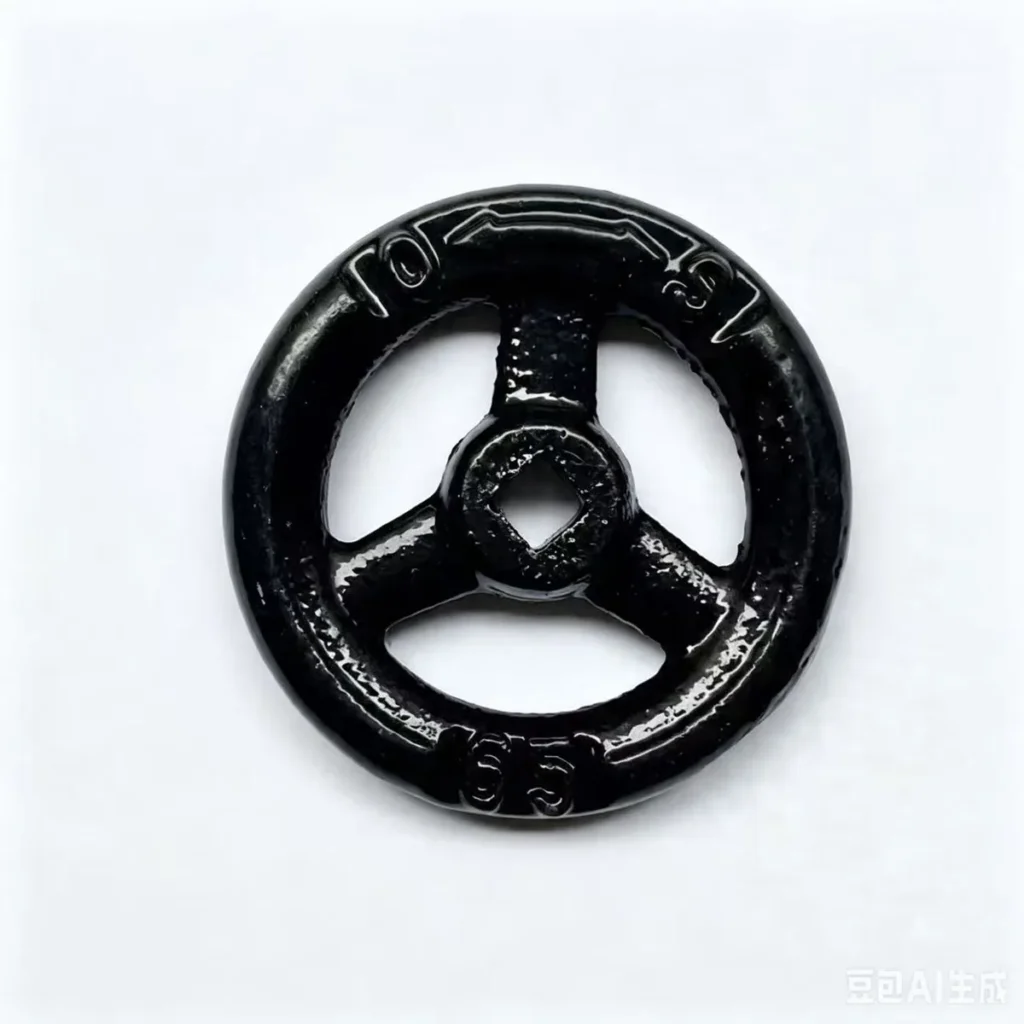
Manufacturers focus on machining accuracy because poor connections may create vibration or unstable movement. Buyers should check shaft dimensions, fixing methods, and equipment compatibility before selection. A reliable connection system improves control accuracy and supports safe operation. Choosing suitable handwheel for valves connection structures helps industrial equipment maintain stable performance during repeated manual adjustments.
Surface Treatment And Environmental Protection Performance
Surface treatment improves resistance against corrosion, abrasion, and environmental damage. Industrial components often operate in areas affected by moisture, chemicals, dust, and temperature changes. Common protective processes include powder coating, anodizing, electroplating, and passivation. Powder coating creates a protective barrier that reduces moisture penetration. Anodizing improves aluminum hardness and oxidation resistance. Passivation enhances stainless steel protection by removing surface impurities. SUS304 316L adjustable handwheel products provide excellent corrosion resistance for demanding applications. SUS304 offers balanced strength and protection for general industrial environments. SUS316L provides stronger chloride resistance because of molybdenum content. Proper finishing technology combined with suitable materials extends service life and maintains stable performance under challenging conditions.
Quality Standards And Manufacturing Inspection Considerations
Manufacturing quality determines whether industrial components maintain reliable performance during long-term operation. Professional suppliers apply inspection procedures throughout material preparation, machining, assembly, and final testing stages. Dimensional inspection verifies bore accuracy, mounting compatibility, and structural consistency. Mechanical testing evaluates torque capability, load resistance, and deformation control. Surface inspection confirms coating quality and corrosion protection performance. Buyers should review supplier experience, inspection records, and production management systems before purchasing. Reliable manufacturing processes reduce defects and improve product consistency. A complete quality evaluation supports safer operation and reduces unexpected maintenance requirements. Professional inspection standards help ensure components meet practical requirements in different industrial applications.
Key Selection Factors When Choosing Valve Handwheels
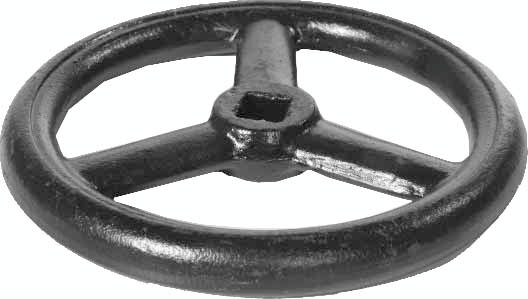
Selecting suitable valve handwheels requires careful evaluation of technical requirements and operating conditions. Buyers should focus on performance factors rather than appearance alone. Important considerations include:
- Material properties according to environmental exposure.
- Size compatibility with valve specifications.
- Connection structures matching installation requirements.
- Surface protection against corrosion and wear.
- Manufacturing inspection supporting consistent quality.
These factors help users select components with better reliability and service performance. Material choice affects durability, while structural design influences operating efficiency. Proper evaluation reduces replacement risks and improves equipment stability. A systematic selection process allows buyers to match components with specific industrial requirements. Careful assessment also supports safer operation because suitable designs require less manual effort during adjustment procedures.
Comparison Of Common Handwheel Features And Industrial Applications
Different industries require different performance characteristics because operating conditions vary significantly. Chemical plants prioritize corrosion resistance and material stability. Heavy machinery applications require strong mechanical capacity and impact resistance. Food processing systems focus on hygiene and easy cleaning requirements. The following table compares important features and typical industrial applications.
| Feature Category | Main Requirement | Industrial Application |
|---|---|---|
| Corrosion Resistance | Protection against chemicals and moisture | Chemical plants and water treatment systems |
| Mechanical Strength | High torque and load resistance | Heavy machinery equipment |
| Ergonomic Performance | Comfortable manual operation | Frequent adjustment systems |
| Connection Accuracy | Reliable mounting compatibility | Industrial control equipment |
Feature comparison helps buyers identify suitable solutions according to actual working environments. Different industries create unique challenges for manual control components. Corrosion resistance supports longer service periods in aggressive conditions. Mechanical strength improves reliability under high loads. Ergonomic performance reduces operator fatigue during frequent adjustments. Technical evaluation before purchasing helps prevent installation problems. Manufacturers that provide detailed specifications allow customers to select components according to practical requirements. This approach improves maintenance planning and supports stable industrial operations.
Maintenance Requirements And Service Life Optimization
Regular maintenance improves reliability and extends operational life. Operators should inspect connection points, surface conditions, and rotation performance during scheduled checks. Loose fasteners may reduce torque efficiency and create unstable movement. Surface damage requires timely attention because exposed materials may experience faster corrosion. Lubrication requirements depend on valve mechanisms and working environments. Maintenance records help facilities identify potential problems and optimize replacement schedules. Proper inspection procedures reduce unexpected downtime and protect equipment investments. Consistent maintenance practices support safer operation and improve overall industrial efficiency. Regular care also extends the service period of handwheel for valves by maintaining connection accuracy and structural performance.
Future Trends In Valve Handwheel Design And Industrial Use
Future development focuses on lightweight structures, advanced materials, and improved adaptability. Manufacturers continue creating stronger designs while reducing unnecessary weight. Advanced coatings provide better environmental protection and longer service periods. Customized solutions support specialized industrial applications with unique requirements. Modern production technologies improve dimensional accuracy and manufacturing consistency. Sustainable materials are becoming increasingly important in industrial component development. These trends encourage suppliers to create durable, efficient, and user-friendly solutions. Future products will continue improving operational reliability while supporting different industries with flexible design options. The combination of material innovation and precision manufacturing will strengthen manual valve control technologies.
FAQ
What materials are commonly used for industrial valve handwheels?
Industrial valve handwheels commonly use cast iron, aluminum alloy, stainless steel, and engineering plastics. Cast iron provides strong mechanical performance for heavy-duty applications. Aluminum alloy offers lightweight advantages with suitable corrosion resistance. Stainless steel performs well in chemical, marine, and hygienic environments because of its durability. Engineering plastics provide insulation features and reduced weight for specialized equipment. Material selection depends on operating temperature, environmental exposure, torque requirements, and service expectations. Buyers should evaluate application conditions carefully before choosing suitable materials. Proper material selection improves durability, reduces replacement frequency, and supports stable operation across different industrial systems.
How does handwheel design affect valve operation efficiency?
Handwheel design directly influences operating comfort, torque control, and adjustment accuracy. Wheel diameter affects mechanical advantage because larger designs reduce required operating force. Grip shape and surface texture improve handling safety during repeated adjustments. Connection structures determine torque transfer efficiency and installation stability. Ergonomic designs reduce operator fatigue and improve daily productivity. Industrial applications with frequent manual control require reliable structures and comfortable operation features. Buyers should evaluate mechanical performance, installation conditions, and user requirements before selecting suitable products. A balanced design improves valve control efficiency and supports safer industrial maintenance activities.
What factors should buyers check before selecting valve handwheels?
Buyers should evaluate material quality, dimensions, connection methods, surface treatments, and manufacturing standards before purchasing valve handwheels. Material selection determines corrosion resistance and service life. Correct dimensions ensure proper torque transmission and installation compatibility. Connection structures affect stability and maintenance convenience. Surface protection improves resistance against environmental damage. Manufacturing inspection confirms product consistency and reliability. Buyers should also consider operating frequency, temperature conditions, and chemical exposure. A complete evaluation process reduces unsuitable selections and improves system performance. Careful purchasing decisions help achieve reliable valve operation across different industrial applications.