How Does Clamping Knob M4 Improve Mechanical Fixing Performance
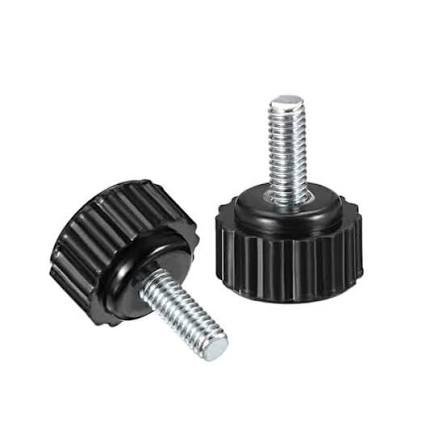
Mechanical equipment requires reliable fastening solutions to maintain accuracy and operational stability. A clamping knob m4 offers an efficient method for securing adjustable parts without additional tools. Its threaded structure creates controlled pressure between connected components. This design allows operators to complete adjustments quickly during assembly or maintenance. The M4 thread size provides compatibility with compact mechanical systems where installation space remains limited. Manufacturers often use these knobs in fixtures, instruments, and automation equipment. Their practical structure combines manual convenience with stable positioning performance. Proper manufacturing accuracy ensures smooth rotation and reduces the risk of connection failure during repeated usage. Selecting suitable materials and designs helps users achieve better performance in demanding industrial environments.
Why Is Thread Accuracy Important For Clamping Knob M4 Applications
Thread precision directly affects connection reliability and adjustment efficiency. A clamping knob m4 depends on accurate thread dimensions to create consistent engagement with matching components. Small errors in thread production may cause loose fitting, uneven pressure, or difficult installation. Professional manufacturers use precise machining processes to maintain dimensional stability. Quality inspection usually focuses on thread diameter, pitch accuracy, and surface condition. These factors influence how smoothly the knob operates during repeated adjustments. Accurate threads also reduce wear between metal surfaces and extend product service life. Engineers consider thread performance when selecting components for machines with frequent movement. Reliable thread structures support safer operation and improve the overall efficiency of mechanical assemblies.
Why Does Material Selection Affect Industrial Knob Durability
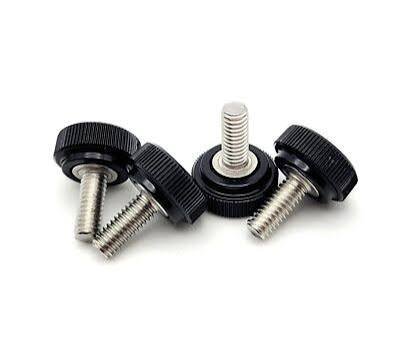
Material selection determines resistance against mechanical stress, environmental exposure, and long-term operation. Industrial knobs often combine reinforced plastic bodies with metal threaded inserts. Engineering plastics provide comfortable handling and reduce overall component weight. Stainless steel inserts improve strength and protect threads from repeated tightening cycles. Aluminum materials offer lightweight performance for precision equipment applications. Manufacturers evaluate temperature range, humidity levels, chemical contact, and vibration conditions before choosing materials. Surface treatment also influences corrosion resistance and appearance quality. For example, anodized aluminum improves surface protection in specific environments. The correct material combination allows components to maintain stable performance while reducing replacement frequency. Professional suppliers usually recommend materials based on actual application requirements instead of offering standard solutions only.
| Material Option | Performance Characteristics | Suitable Applications |
|---|---|---|
| Reinforced Plastic | Lightweight, insulating, economical | Control panels and general equipment |
| Stainless Steel Insert | Strong threads, corrosion resistance | Industrial machines and outdoor devices |
| Aluminum Alloy | Low weight, durable surface | Precision instruments and automation systems |
How Do Material Features Influence Product Reliability
Material performance directly affects how long mechanical components can operate effectively. Different environments create different challenges for fastening systems. Machines in factories may experience vibration, dust, moisture, or temperature changes. Suitable materials help maintain structural strength under these conditions. A strong threaded insert prevents deformation during frequent tightening operations. A comfortable outer grip improves operator control during manual adjustment. Engineers often balance durability, weight, and production cost when choosing component materials. Advanced manufacturing processes also improve consistency between different production batches. This approach helps maintain stable quality for large-volume industrial applications. Careful material evaluation ensures that small mechanical parts contribute positively to overall equipment performance.
Why Do Design Features Improve Manual Adjustment Efficiency
Product design influences user experience, installation speed, and operational safety. A well-designed adjustment knob includes ergonomic shapes and anti-slip surfaces. These features allow operators to apply suitable force without excessive effort. Grip patterns improve control when users wear protective gloves. Internal structures must maintain strength while keeping the overall size compact. Designers also consider torque requirements because excessive force may damage connected equipment.
Some applications require special thread arrangements or mounting methods. For example, Wing Knobs Female Thread designs provide convenient installation options where internal threaded connections are necessary. Good design improves handling comfort and supports repeated adjustments. Manufacturers with engineering experience can optimize dimensions according to specific equipment requirements.
How Can Clamping Components Support Different Industrial Equipment
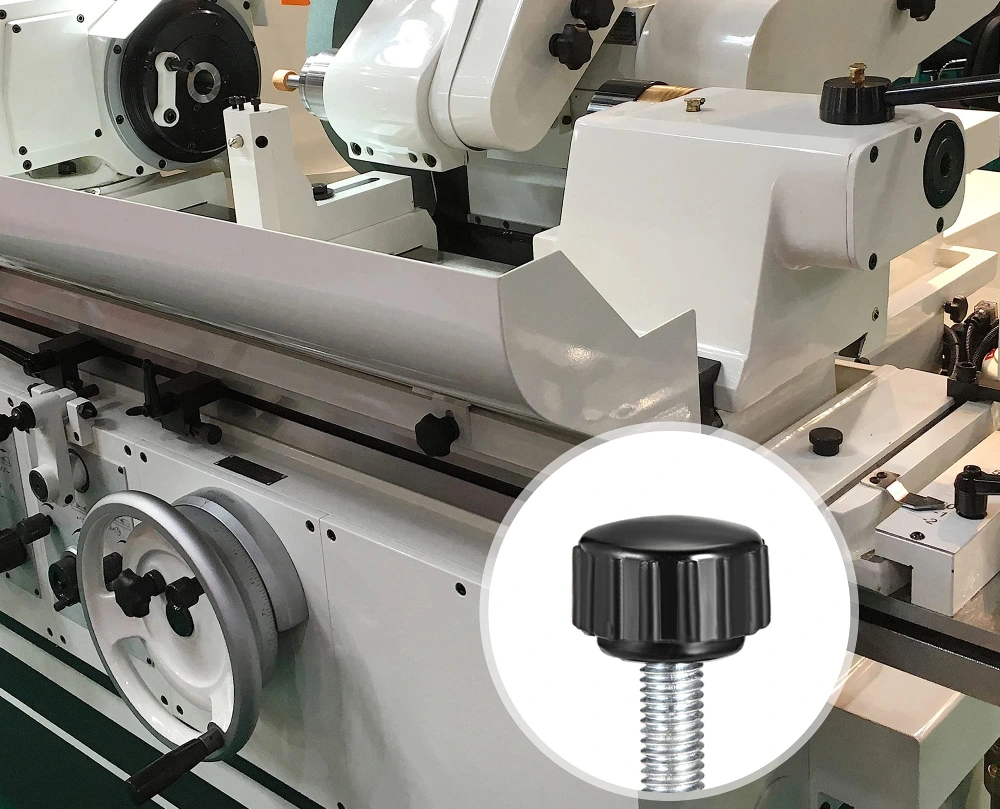
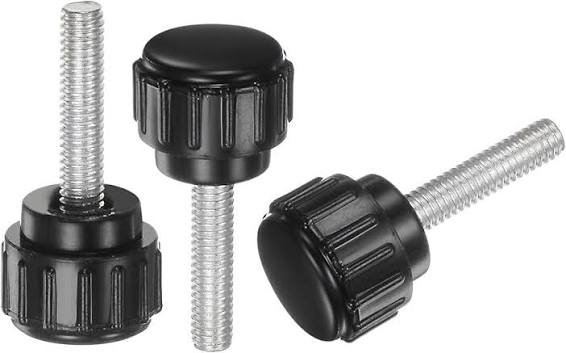
Industrial equipment requires fastening components that deliver stable positioning and flexible adjustment. A clamping knob m4 supports various applications through its compact structure and convenient manual operation. Machine builders often install these components in fixtures, inspection devices, and adjustable assemblies where space efficiency matters. Their practical design allows operators to tighten or release connections without additional tools. Similar solutions such as Wing Knobs Female Thread provide alternative mounting options for systems requiring internal threaded connections. Reliable fastening components improve maintenance efficiency, reduce adjustment time, and protect equipment alignment during operation. Different industries consider vibration resistance, load capacity, installation conditions, and usage frequency before selecting suitable products. Proper component selection enhances equipment performance and extends service life.
Common application areas include:
- Machine fixture positioning systems for manufacturing equipment
- Laboratory instruments requiring repeated adjustment functions
- Automation assemblies with compact mechanical structures
- Electronic devices requiring secure manual fastening solutions
How Do Application Requirements Affect Component Selection
Different industries have unique requirements for fastening systems. Manufacturing equipment usually focuses on strength, repeatability, and vibration resistance. Laboratory devices often require precision adjustment and smooth operation. Automation systems need components that support frequent movement without losing stability. Engineers evaluate operating conditions before choosing suitable specifications. Factors such as available space, adjustment frequency, and environmental exposure influence the final selection. Metric clamping lobe knobs represent another option for applications requiring strong manual grip and reliable positioning. These designs provide practical handling advantages in specific mechanical systems. Careful evaluation helps users avoid unsuitable products and improves overall equipment efficiency. A professional supplier can recommend suitable configurations according to technical requirements and usage conditions.
| Evaluation Factor | Important Consideration | Effect On Performance |
|---|---|---|
| Thread Compatibility | Correct dimensions and precision | Ensures secure installation |
| Grip Structure | Comfort and anti-slip design | Improves adjustment control |
| Material Quality | Strength and environmental resistance | Extends service life |
| Production Consistency | Stable manufacturing process | Maintains reliable batches |
How Does Quality Control Improve Clamping Knob M4 Performance
Quality control plays an important role in maintaining product reliability. Manufacturers inspect raw materials, dimensions, and assembly accuracy during production. A professional factory verifies thread specifications through precision measurement equipment. Surface inspections help identify defects that may affect appearance or function. Durability testing evaluates whether products can handle repeated tightening cycles. These processes ensure that each clamping knob m4 meets expected performance standards. Quality systems also help reduce production variations between different batches. Suppliers with strict inspection procedures can provide more consistent products for industrial applications. Buyers often review testing records and manufacturing processes before establishing long-term cooperation. Strong quality management supports stable equipment performance and reduces unexpected maintenance costs.
Why Should Buyers Evaluate Supplier Manufacturing Capabilities
Supplier capability influences product quality, delivery reliability, and customization possibilities. Experienced manufacturers usually maintain advanced production equipment and skilled technical teams. They can provide support for different specifications, materials, and application requirements. A dependable supplier manages production planning, quality inspections, and delivery schedules effectively. These abilities become especially important for customers requiring repeated orders or customized solutions. Manufacturers with professional engineering knowledge can identify potential design improvements. They may also suggest better material combinations or structural adjustments. Reliable cooperation reduces communication problems and improves project efficiency. Careful supplier evaluation helps buyers select partners that provide consistent quality and stable production support.
How Does Long-Term Use Create Greater Equipment Value
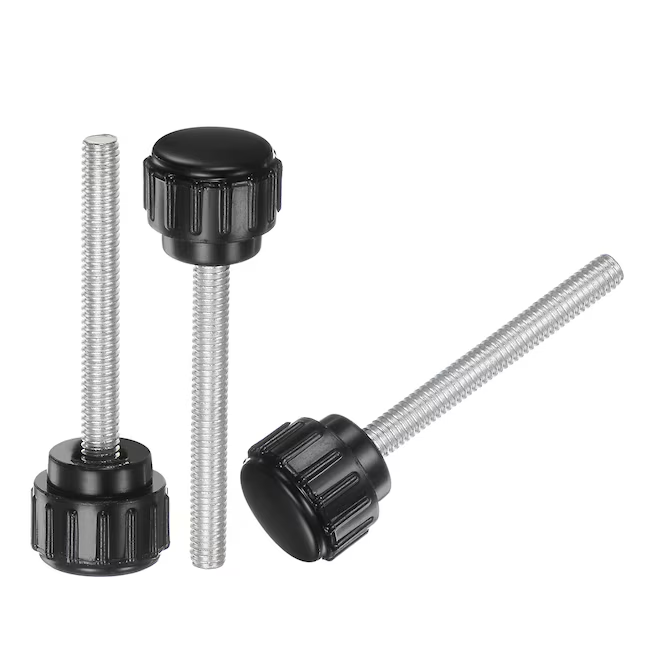
Long-term equipment efficiency depends on the reliability of every mechanical component. Small fastening parts can influence adjustment speed, maintenance frequency, and operational stability. High-quality designs provide smooth operation and reduce unnecessary replacement costs. Durable materials maintain performance after extended use. Accurate manufacturing prevents connection problems during daily operation. Companies that prioritize reliable components often achieve better production consistency. Equipment operators also benefit from easier adjustments and improved working convenience. A suitable fastening solution supports safer processes and reduces downtime caused by component failures. Choosing products with proven quality standards creates additional value throughout the equipment lifecycle.
FAQ
What Materials Are Commonly Used For Industrial Knobs?
Industrial knobs usually use engineering plastics, aluminum alloys, and stainless steel materials. Plastic bodies provide lightweight handling and electrical insulation advantages. Metal inserts improve thread strength and support repeated installation cycles. Stainless steel options offer excellent corrosion resistance in demanding environments. Aluminum materials provide a balance between weight reduction and durability. Material selection depends on operating temperature, humidity, chemical exposure, and mechanical pressure. Manufacturers often analyze application requirements before recommending suitable options. The correct material combination helps maintain stable performance and improves product lifespan. Different industries require different solutions because equipment conditions vary significantly.
How Can Buyers Select The Right Component For Equipment?
Buyers should evaluate several technical factors before selecting fastening components. Thread specifications must match the equipment design to ensure proper installation. Material performance should fit the working environment and expected usage frequency. Grip design affects operation comfort and adjustment efficiency. Production quality also influences long-term reliability. Professional suppliers usually provide detailed specifications and inspection information. Customers should compare manufacturing experience, customization ability, and quality management systems. A suitable product should provide stable performance while meeting specific application requirements. Careful evaluation reduces replacement costs and improves equipment operation. Working with experienced suppliers can simplify the selection process and provide better technical support.
Can Industrial Knobs Be Customized For Specific Applications?
Many manufacturers provide customization services for specialized industrial applications. Custom solutions may include different materials, thread sizes, colors, surface textures, and structural designs. Engineers can adjust dimensions according to installation limitations or operational requirements. Customized products help improve compatibility with unique equipment systems. Manufacturers usually review drawings, samples, or technical information before production. Quality testing remains essential because customized designs must maintain reliable performance standards. Professional suppliers combine engineering knowledge with manufacturing experience to create suitable solutions. Customization allows companies to improve equipment integration while maintaining production efficiency and consistent quality.