Handwheel diameter torque plays a central role in mechanical force conversion across industrial control systems. Engineers analyze how rotational force changes when operators adjust wheel size in manual equipment. Increasing diameter typically reduces required input force while enhancing mechanical advantage. This relationship is essential in valve control, machining tools, and heavy-duty mechanical interfaces. System designers must balance ergonomics and efficiency to ensure safe operation under load conditions. In precision environments, even minor diameter variations significantly affect performance consistency. Proper design ensures predictable torque transfer and minimizes operator fatigue during continuous operation cycles. These principles maintain stability in industrial workflows and improve long-term equipment reliability across demanding operational settings.
Handwheel Diameter Torque Fundamentals in Mechanical Design Principles
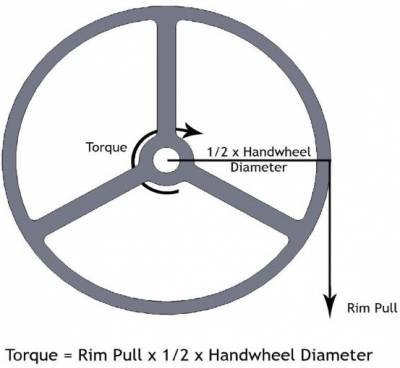
Mechanical systems rely on rotational physics to generate controlled output force. handwheel diameter torque is directly influenced by the radius applied during manual operation. When radius increases, force distribution becomes more efficient across the rotational axis. Engineers use this principle to minimize operator strain in high-load environments. The torque equation T equals force multiplied by radius defines this relationship clearly. In industrial contexts, design accuracy ensures predictable mechanical response under varying loads. Equipment calibration depends on stable force transfer between human input and machine resistance. Consistent design standards improve system durability and reduce mechanical wear over extended operational cycles in production environments.
Handwheel Diameter Torque Efficiency in Operational Performance Systems
Efficiency in mechanical control systems depends heavily on optimized rotational geometry. Larger handwheels allow operators to achieve required output force with reduced physical effort. This improves safety in environments where repetitive adjustments are required. Industrial control panels benefit from improved responsiveness and smoother torque delivery. Engineers also consider fatigue reduction when selecting wheel dimensions for long-duration tasks. Proper sizing ensures balanced interaction between user input and system resistance. In high-precision manufacturing, small improvements in efficiency translate into significant productivity gains. Mechanical advantage is carefully tuned to match operational requirements and environmental constraints in industrial facilities.
Industrial Machine Handwheels in Heavy-Duty Applications
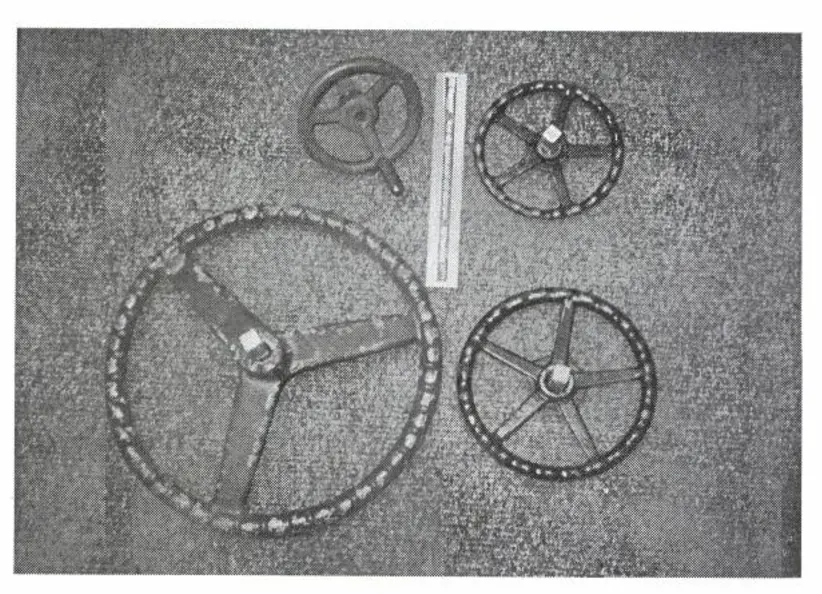
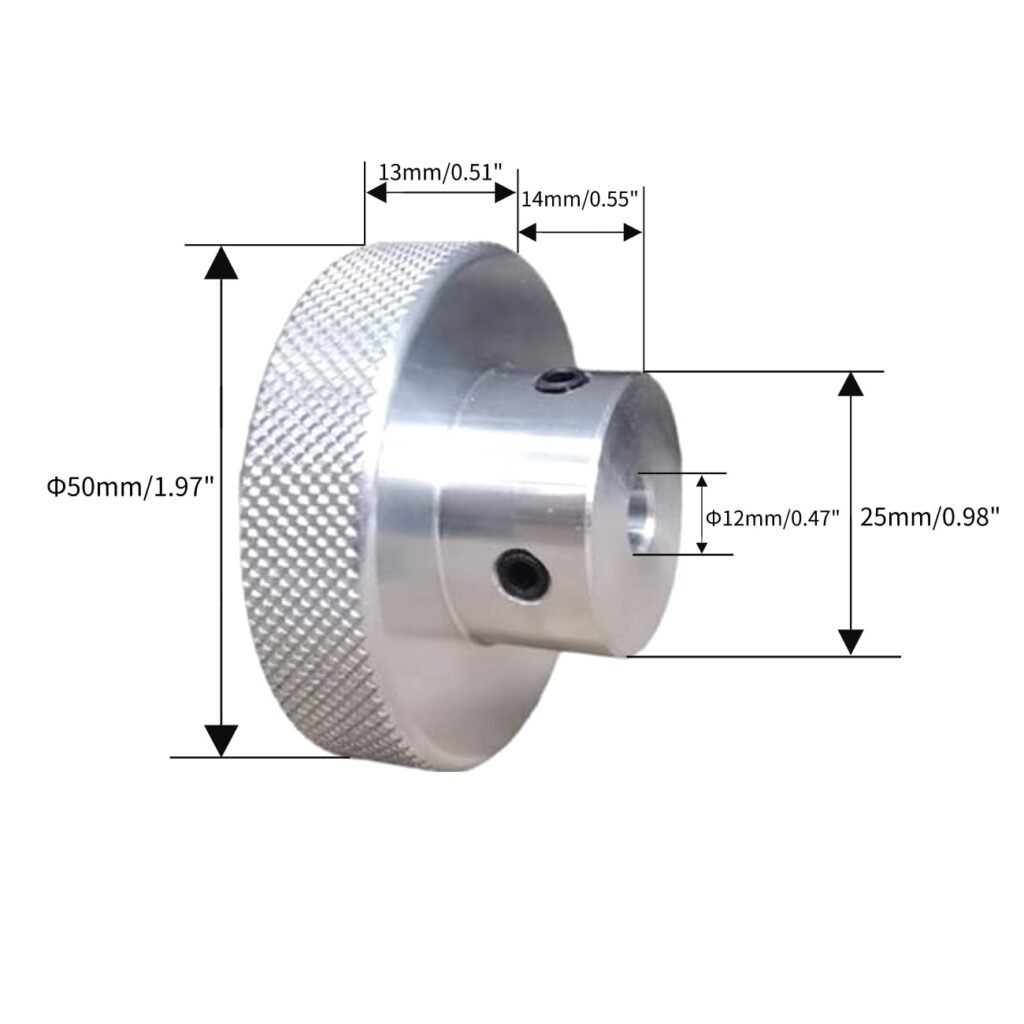
Industrial machine handwheels are widely used in equipment requiring manual override or precision adjustment. These components support operators in controlling valves, presses, and alignment systems. Their design prioritizes durability and consistent force transmission under high stress. Materials such as cast iron and reinforced alloys are commonly selected for structural stability. Surface textures improve grip and reduce slippage during operation. In heavy industries, reliability is critical due to continuous workload conditions. Proper integration ensures safe manual intervention when automated systems require adjustment or maintenance. These systems must maintain performance consistency even under fluctuating environmental and mechanical conditions.
Mechanical Comparison of Torque Transmission Systems
| Checklist Item | Description | Impact on Production |
|---|---|---|
| Dimensions | Defines size and geometry of part features | Ensures accurate machining operations |
| Tolerances | Specifies allowable variation limits | Maintains functional fit and performance |
| Material | Indicates raw material type and grade | Affects machinability and durability |
| Surface Finish | Defines texture and roughness requirements | Impacts wear resistance and aesthetics |
| GD&T | Controls geometric relationships | Improves assembly accuracy |
The table demonstrates how diameter variations influence mechanical output across different system sizes. Larger configurations significantly reduce operator strain while improving control precision. Medium systems provide balanced performance for general industrial tasks. Smaller systems are typically reserved for compact machinery with limited spatial design. Engineers select configurations based on load requirements and operational safety standards. Torque efficiency improves consistently with increased radius when structural limits are maintained. Proper selection ensures stable performance across diverse mechanical environments.

Material Performance and Structural Design Considerations
Material selection directly influences durability and torque stability in industrial systems. Alloy composition determines resistance to deformation under repeated load cycles. Surface finishing also affects grip performance and operator safety during manual control. Engineers often test materials under simulated stress conditions before implementation. Reinforced composites offer lightweight alternatives with moderate strength properties. However, stainless steel spoked handwheels in heavy-duty applications due to superior load tolerance. Corrosion resistance is essential in harsh environments such as chemical plants. Structural rigidity ensures consistent force transmission without energy loss. These factors collectively define long-term system reliability and maintenance frequency.
Torque Comparison Across Material-Based Handwheel Systems
| Material Type | Load Resistance | Durability | Typical Industrial Use | Torque Stability Level |
|---|---|---|---|---|
| Cast Iron | Very High | High | Heavy machinery systems | Excellent under extreme load |
| Stainless Steel | High | Very High | Chemical and food processing | Stable and corrosion resistant |
| Aluminum Alloy | Medium | Medium | Light industrial equipment | Moderate stability |
| Composite Polymer | Low–Medium | Medium | Precision adjustment tools | Limited torque capacity |
The table highlights how material selection affects mechanical performance under varying operational conditions. Cast iron remains the strongest option for high-load environments. Stainless steel offers superior corrosion resistance and balanced strength characteristics. Aluminum provides weight advantages but reduced load capacity. Composite materials are suitable for controlled environments requiring precision. Engineers evaluate trade-offs between weight, strength, and durability during system design. Proper selection ensures stable torque delivery and long-term mechanical reliability.
Operational List of Handwheel Selection Factors
- Load capacity requirements for industrial machinery
- Required torque efficiency for operator safety
- Environmental exposure conditions such as corrosion risk
- Material strength and fatigue resistance levels
- Ergonomic grip design for repetitive operation
- Maintenance accessibility and replacement frequency
After evaluating selection factors, engineers refine system architecture to improve mechanical consistency. Material, geometry, and load distribution must align with operational expectations. Design optimization ensures stable torque transfer under varying industrial conditions. Proper integration reduces unexpected failure risks during continuous operation cycles.
Engineering Calculation Methods for Torque Systems
handwheel diameter torque calculation relies on fundamental physics principles involving force and rotational radius. Engineers apply standardized formulas to determine required input effort. Accurate measurement of diameter ensures precise torque estimation in system design. Load resistance variables must also be included for real-world accuracy. Safety margins are introduced to account for operational fluctuations. Simulation tools validate theoretical calculations before manufacturing begins. These methods ensure predictable mechanical performance in industrial applications. Proper calculation reduces inefficiencies and enhances control accuracy in high-pressure environments.
Optimization Strategies for Mechanical Efficiency Systems
System optimization focuses on improving force efficiency while reducing operator fatigue. Engineers adjust wheel diameter to match specific load conditions. Material upgrades enhance durability without increasing structural weight. Lubrication systems reduce friction losses during rotation cycles. Regular maintenance ensures consistent performance over time. Design refinements improve ergonomic interaction between operator and machine interface. Efficiency improvements directly impact productivity in industrial operations. Proper optimization balances mechanical advantage with operational safety requirements.
Common Engineering Mistakes in Handwheel Design Selection
Incorrect sizing often leads to inefficient torque transmission and increased operator strain. Oversized wheels may create spatial integration issues in compact machinery. Undersized systems require excessive force, reducing operational safety. Ignoring environmental conditions can accelerate material degradation. Poor ergonomic design increases fatigue during repetitive tasks. Lack of load analysis results in unstable performance under stress. Engineers must evaluate all variables before finalizing system specifications. Proper design validation ensures reliable performance across industrial applications.
Frequently Asked Question
What is the relationship between handwheel diameter and torque?
The relationship between wheel diameter and torque is based on rotational leverage principles. Larger diameters increase the radius of force application, which reduces required input force. This allows operators to achieve higher output efficiency with less physical strain. Mechanical systems benefit from improved control stability and reduced fatigue during continuous operation. Engineers use this principle to design safer and more efficient industrial equipment. Proper sizing ensures predictable performance under varying load conditions across different applications. This relationship remains fundamental in mechanical engineering design standards.
How do engineers calculate torque using handwheel diameter?
Engineers calculate torque using the formula T equals force multiplied by radius. The radius is derived from half of the handwheel diameter. Accurate measurement is essential for reliable results in industrial applications. Load resistance values are included to simulate real operating conditions. Safety factors are applied to account for operational variability and system wear. Simulation tools validate theoretical results before production begins. This process ensures consistent mechanical performance and reduces risk of system failure. Proper calculation supports efficient design and safe operational control in industrial environments.
What industries rely most on handwheel torque systems?
Many industries depend on manual control systems for precision and safety. Oil and gas facilities use them for valve regulation under high-pressure conditions. Manufacturing plants rely on them for machine calibration and alignment tasks. Chemical processing systems use them for controlled flow adjustments. Heavy machinery operators depend on them for emergency manual overrides. Aerospace maintenance systems also use precision control mechanisms. These applications require consistent torque delivery and durable mechanical construction. Reliable handwheel systems ensure safe and accurate operation across demanding industrial environments.