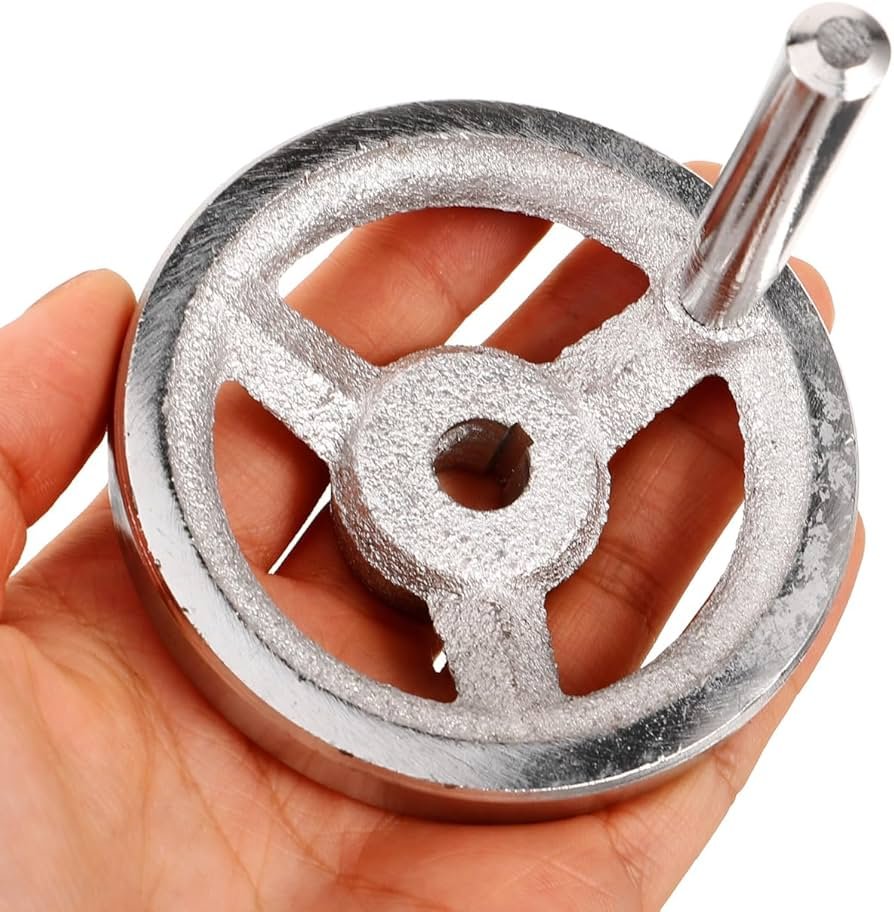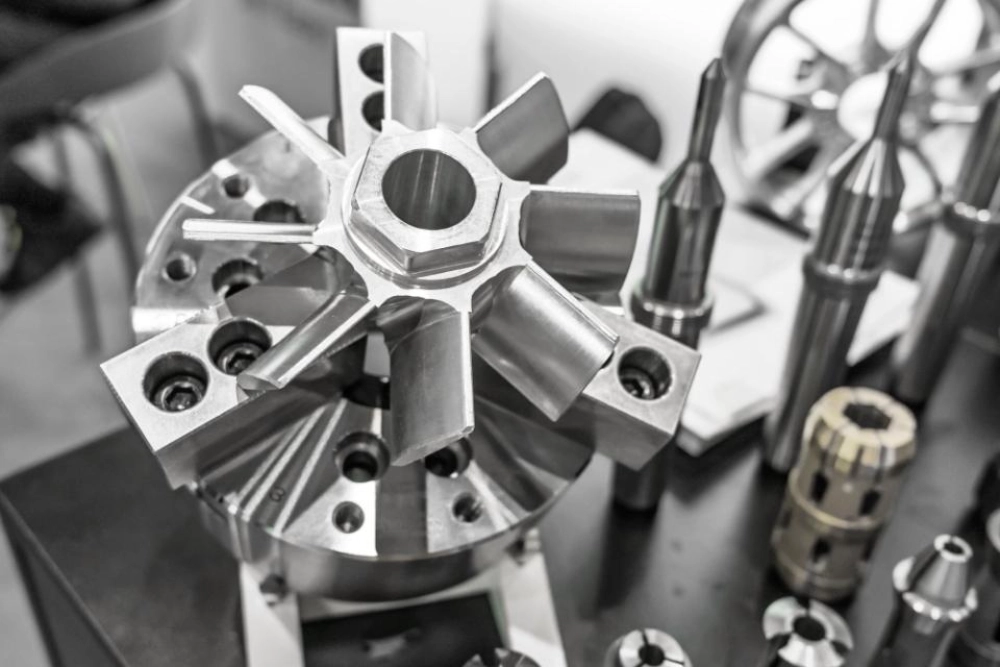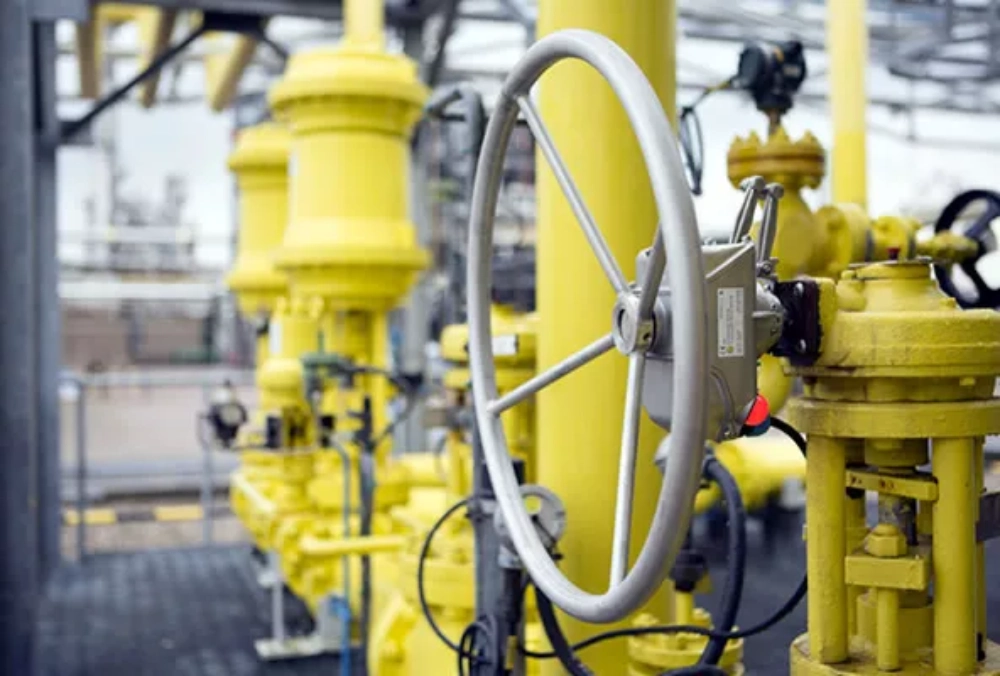
Handwheel surface finish plays a critical role in industrial control components across many machinery systems. It directly affects operator safety, tactile comfort, and mechanical reliability. Manufacturers focus on surface engineering to reduce friction and improve corrosion resistance. Smooth or textured finishes change how users interact with rotating controls in real environments. Engineers also evaluate coating uniformity to ensure consistent performance under load conditions. In precision machinery, small surface defects often lead to long term wear issues. Therefore, production teams invest heavily in finishing technologies. Quality control departments inspect each batch using roughness measurements and visual standards. Different industries demand different finishing levels based on hygiene, strength, and environmental exposure. Food processing and marine equipment require stricter finishing control than general machinery. Overall, this parameter defines usability and durability in demanding industrial applications.
Surface Engineering Fundamentals Behind Handwheel Performance
Surface engineering defines how a handwheel interacts with human touch and mechanical stress. A refined surface reduces micro abrasion and improves rotational smoothness during operation. Engineers analyze friction coefficients when designing control interfaces for heavy machinery systems. Manufacturing teams adjust polishing time and coating thickness to achieve targeted performance outcomes. Handwheel surface finish also influences how contaminants attach to the metal body. Cleaner surfaces reduce maintenance cycles and improve hygiene compliance in regulated industries.
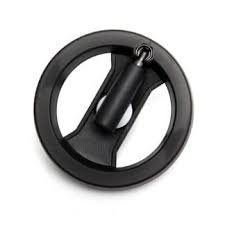
Material science teams study oxide layer formation to increase resistance against corrosion. Different machining methods create distinct surface textures that affect torque feedback. Operators often prefer consistent tactile resistance for precise machine adjustments. As a result, production consistency becomes a key requirement in industrial procurement decisions.
Mechanical Control Efficiency and handwheel surface finish Relationship
Mechanical efficiency depends heavily on interface quality between operator and equipment. A refined surface allows smoother force transfer during rotational movement. Engineers measure energy loss caused by friction at contact points. Lower friction improves accuracy in fine adjustment operations. handwheel surface finish reduces irregular resistance that can disrupt control precision. Industrial systems requiring high sensitivity benefit from controlled surface roughness levels. Operators experience more stable feedback during repetitive mechanical adjustments. Poor finishing often leads to uneven wear patterns and reduced lifespan. Maintenance teams report higher replacement frequency when surface treatment quality declines. Therefore, consistent finishing directly improves operational reliability in production environments.
Industrial Material Integration and Surface Treatment Techniques
Manufacturers apply multiple techniques to achieve targeted surface characteristics in metal components. Grinding removes micro irregularities from raw cast structures. Polishing enhances smoothness and improves visual consistency. Coating methods add protective layers against oxidation and chemical exposure. Chemical treatment stabilizes surface energy to reduce contamination adhesion. Aluminum solid Handwheels often require anodizing to improve hardness and corrosion resistance in industrial environments. Different treatment combinations depend on application requirements and cost efficiency targets. Engineers test treated samples under humidity and stress conditions to validate durability. Surface measurement tools verify roughness values before final approval. Quality teams reject components that exceed acceptable deviation thresholds. These controlled processes ensure predictable performance across large production batches.
| Surface Finish Type | Durability | Corrosion Resistance | Cost Level | Industrial Application |
|---|---|---|---|---|
| Polished Finish | Medium | Medium | High | Precision machinery |
| Brushed Finish | High | High | Medium | Heavy equipment |
| Anodized Finish | Very High | Very High | High | Marine systems |
| Powder Coated | High | High | Low | General machinery |
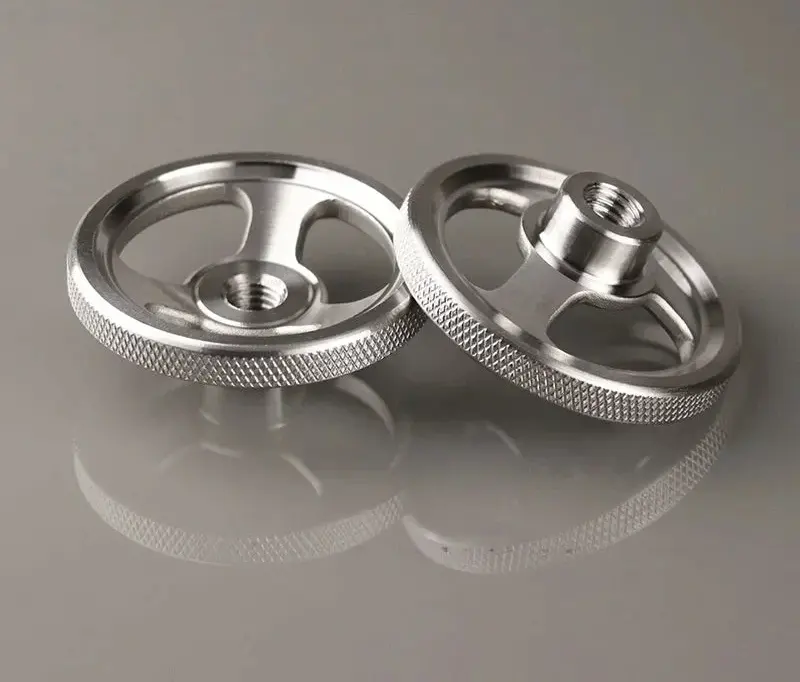
Surface finish selection depends on environmental exposure and mechanical stress levels. Engineers compare durability against cost before finalizing production specifications. Industrial buyers often prioritize corrosion resistance in humid or chemical environments. Polished surfaces improve aesthetics but require higher maintenance frequency. Powder coatings provide cost efficiency for large scale applications. Each treatment method modifies surface energy and wear resistance behavior. Production planners balance performance requirements with manufacturing budgets. Quality engineers validate coating adhesion strength before shipment approval. This evaluation ensures consistent performance across different industrial sectors.
Surface Finishing Types Used in Industrial Manufacturing
Industrial systems rely on multiple finishing categories to meet performance expectations. Each method delivers unique benefits depending on application requirements. Selection depends on mechanical load, environmental exposure, and cost constraints.
- Polished finish enhances smoothness and visual clarity
- Anodized finish increases corrosion protection and hardness
- Powder-coated finish improves surface insulation and durability
- Brushed finish reduces visible scratches and wear marks
Each method alters microstructure behavior at the surface level. Engineers select finishing types based on lifecycle performance requirements. Testing ensures each category meets industrial durability standards. Coating adhesion strength plays a key role in long term reliability. SUS304 316L adjustable handwheel components often use brushed or coated finishes for chemical resistance. Material compatibility strongly influences finishing selection strategies. Production engineers optimize process timing to balance efficiency and quality output. These decisions directly impact operational stability in industrial environments.
Surface finishing selection determines how long a component remains functional under stress. Brushed surfaces reduce visible degradation during continuous operation cycles. Coated layers protect against chemical and moisture exposure in harsh environments. Engineers evaluate each option using standardized wear testing procedures. Industrial procurement teams often request comparative durability reports. Manufacturers adjust finishing parameters to meet international compliance requirements. Proper selection reduces long term maintenance costs significantly.
Surface Roughness Measurement and Quality Evaluation Systems
Quality systems measure surface roughness using standardized Ra values. Lower Ra values indicate smoother and more refined surfaces. Measurement instruments include profilometers and optical scanning devices. Engineers compare results against predefined acceptance thresholds. handwheel surface finish consistency ensures stable mechanical performance across batches. Third party inspection agencies validate measurement accuracy for export certification. Data recording systems track deviation patterns during production runs. Quality teams analyze trends to identify process instability. Corrective actions improve long term manufacturing reliability. These systems strengthen supply chain trust in industrial procurement networks.
| Ra Value Range | Surface Quality | Friction Level | Typical Usage |
|---|---|---|---|
| 0.2 - 0.8 μm | Ultra Smooth | Very Low | Precision instruments |
| 0.8 - 1.6 μm | Fine Finish | Low | Industrial controls |
| 1.6 - 3.2 μm | Standard Finish | Medium | General machinery |
| 3.2 - 6.3 μm | Rough Finish | High | Structural parts |
Surface roughness directly affects friction behavior and operational precision. Engineers set Ra targets based on application sensitivity. Lower roughness improves control accuracy in fine adjustment systems. Higher roughness may increase grip in manual operations. Quality assurance teams verify compliance using calibrated instruments. Production adjustments ensure consistent output across manufacturing batches. These measurements define product classification standards in global supply chains. Reliable data supports long term engineering optimization.
Economic Impact of Surface Finish Optimization in Manufacturing
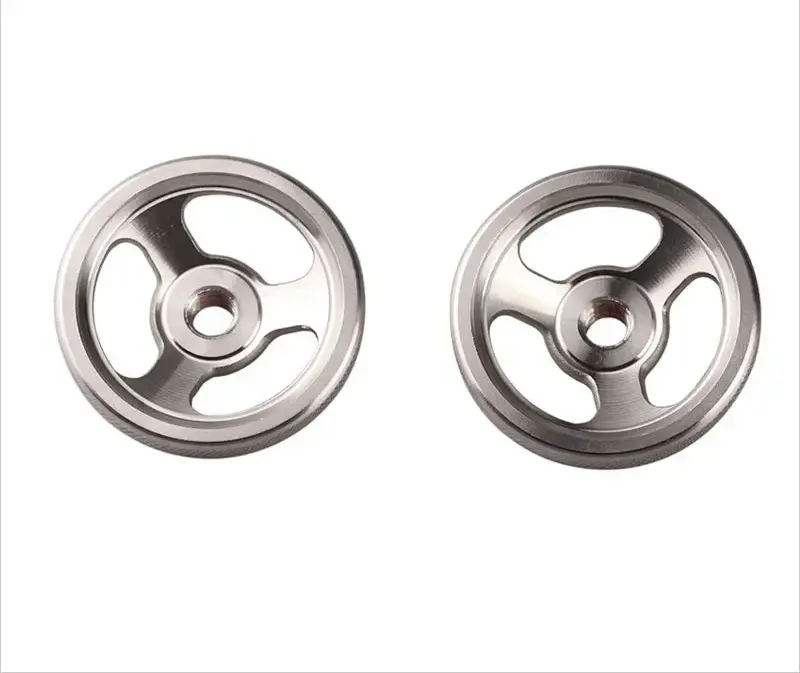
Surface optimization reduces long term operational costs in industrial systems. Better finishing decreases wear related failures during extended use cycles. Maintenance frequency drops when surface protection improves significantly. Manufacturers achieve higher product reliability ratings in competitive markets. handwheel surface finish quality directly influences customer satisfaction and procurement decisions. Production efficiency improves when defect rates decrease consistently. Investment in finishing equipment enhances overall manufacturing capability. Lifecycle cost analysis shows strong benefits for high quality surface treatments. Industrial buyers prioritize durability over initial cost in many cases. These trends reinforce the importance of controlled surface engineering strategies.
FAQ
What defines a high-quality handwheel surface finish
A high-quality surface finish delivers low roughness, consistent texture, and stable corrosion resistance. Engineers evaluate micro surface structure using precise measurement tools. Operators expect smooth rotation without irregular resistance or vibration. Manufacturing teams maintain strict control over polishing and coating processes. Quality also depends on material compatibility and environmental resistance. Industrial standards define acceptable Ra ranges for different applications. Consistency across batches ensures predictable mechanical performance. Inspection systems verify each unit before shipment approval. Reliable finishing reduces maintenance needs and improves long term operational stability in demanding environments.
How is handwheel surface finish measured in manufacturing
Manufacturers measure surface finish using profilometers and optical scanning systems. These tools calculate Ra values that represent average surface roughness. Engineers compare results with engineering specifications for each product category. Calibration ensures measurement accuracy across production cycles.
Which surface finish is best for industrial environments
The best surface finish depends on environmental exposure and mechanical demands. Brushed and anodized finishes perform well in corrosive conditions. Powder coatings provide cost effective protection for general machinery. Polished finishes suit precision systems requiring low friction movement. Engineers select finishes based on lifecycle performance expectations. Chemical exposure, humidity, and load stress influence decision making. Maintenance frequency also affects selection strategy. Industrial buyers often balance durability with cost efficiency. Proper selection improves reliability and reduces long term operational risks.