Role of CNC Machining in Medical Devices Manufacturing
CNC machining medical devices plays a vital role in modern healthcare manufacturing. Precision engineering ensures safe and reliable medical components. Manufacturers rely on advanced machining for consistent quality outcomes. Strict tolerances support critical device functionality and patient safety. Healthcare applications demand repeatability across large production volumes. Digital control systems improve accuracy during complex part fabrication. Regulatory compliance also depends on stable manufacturing processes. Many OEMs prioritize machining for long-term scalability. Demand continues rising due to aging populations and innovation. Medical suppliers seek dependable partners for global distribution. These factors position CNC machining as a core production method in healthcare.
Precision Requirements in CNC Machining Medical Devices
High precision defines every stage of cnc machining medical devices production. Components often require tolerances within microns for safe operation. Surface finishes must reduce friction and contamination risks. Engineers design parts with strict dimensional consistency requirements. Small deviations may affect device performance or cause failure. Multi-axis machines enable complex geometries with high repeatability.
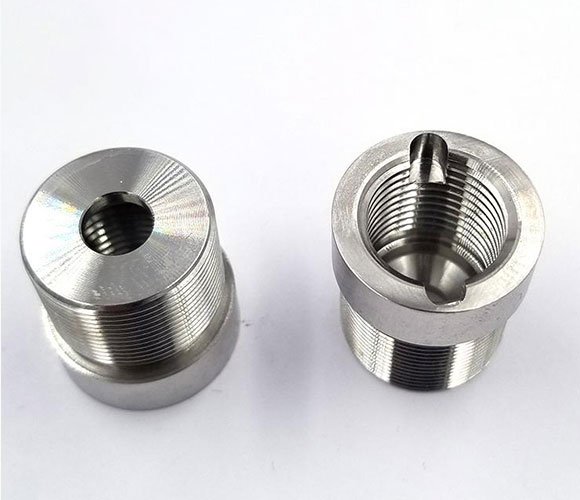
Advanced inspection tools verify dimensional accuracy after machining. Coordinate measuring machines ensure compliance with design specifications. Process control reduces variation across production batches. Skilled operators fine-tune parameters for optimal results. Precision remains essential for implants, surgical tools, and diagnostic systems.
Materials Used in Medical CNC Machining Applications
Material selection directly impacts cnc machining medical devices performance and durability. Titanium offers strength, corrosion resistance, and biocompatibility. Stainless steel supports surgical tools with excellent hardness and hygiene. PEEK provides lightweight strength for implants and medical components. Medical-grade plastics ensure chemical resistance and sterilization compatibility. Engineers evaluate thermal stability during machining operations. ASTM and ISO standards define acceptable material properties. Certification ensures traceability and compliance across supply chains. Surface treatments enhance wear resistance and longevity. Material compatibility prevents adverse biological reactions. Careful selection improves both product safety and lifespan.
Key Components Produced by CNC Machining in Healthcare
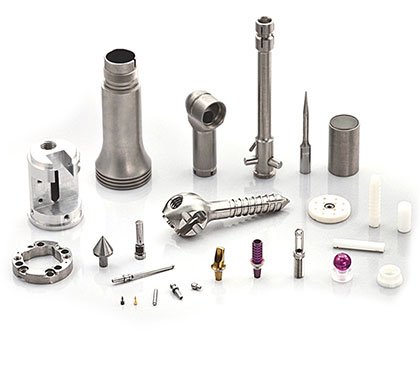
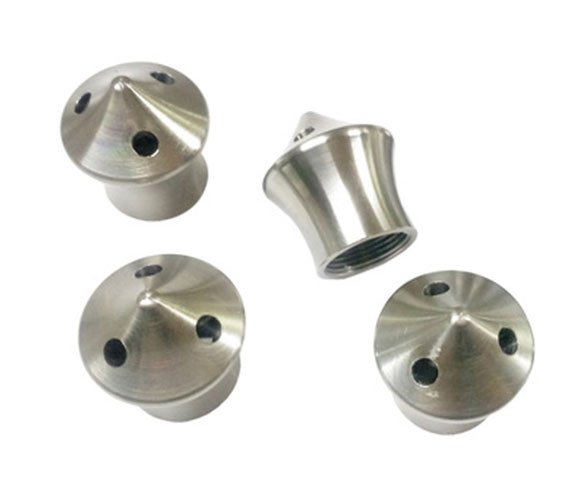
Manufacturers produce diverse components using cnc machining medical devices processes. Surgical instruments require sharp edges and precise geometry. Orthopedic implants must match anatomical structures accurately. Dental components demand fine detailing and smooth finishes. Diagnostic equipment relies on precise internal mechanical parts. Custom prosthetics benefit from tailored machining capabilities. High-volume production supports standardized device manufacturing. Complex assemblies often combine multiple machined parts. Tight tolerances ensure compatibility during assembly stages. Reliability remains critical for life-supporting equipment. Precision cnc machined parts support consistent performance across healthcare systems.
Regulatory Standards Governing CNC Medical Manufacturing
Compliance plays a central role in cnc machining medical devices production. Manufacturers must follow FDA regulations for medical products. ISO 13485 defines quality management system requirements. Documentation ensures traceability from raw material to finished part. Validation processes confirm repeatable manufacturing performance. Risk management identifies potential failure points during production. Cleanroom environments reduce contamination risks during machining. Audits verify adherence to global regulatory standards. Suppliers must maintain strict quality control procedures. Certification builds trust with healthcare companies. Regulatory alignment ensures safe and compliant device manufacturing.
Manufacturing Processes Behind CNC Medical Parts
Several machining methods support cnc machining medical devices production workflows. Milling removes material to create complex shapes and surfaces. Turning produces cylindrical components with high precision. Drilling forms accurate holes for assembly and function. Grinding improves surface finish and dimensional accuracy. Multi-axis machining enables intricate geometries in one setup. Automation reduces manual intervention and improves consistency. Tool selection influences surface quality and machining efficiency. Coolant systems manage heat during cutting operations. Post-processing includes polishing and coating for durability. These processes combine to produce high-performance medical components.
Advantages of CNC Machining for Medical Device Production
CNC machining medical devices offers significant advantages for manufacturers and suppliers. High precision ensures reliable device performance in critical applications. Repeatability supports consistent quality across production batches. Automation reduces human error and increases efficiency. Flexible production accommodates both prototypes and mass manufacturing. Digital programming enables quick design adjustments when needed. Reduced waste improves cost efficiency over time. Strong quality control ensures compliance with industry standards. Suppliers benefit from scalable manufacturing capabilities. Global demand continues driving innovation in machining technology. These advantages strengthen CNC machining as a preferred solution.
Challenges in CNC Machining Medical Devices
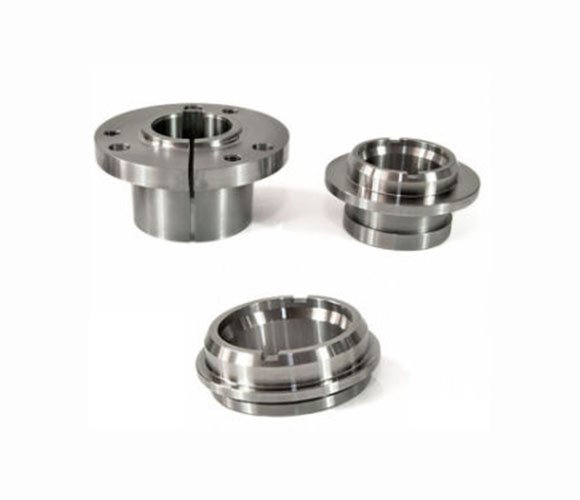
Despite its benefits, cnc machining medical devices presents several challenges. Complex geometries require advanced programming and machine capabilities. Tight tolerances increase production time and inspection requirements. Certain materials, like titanium, are difficult to machine efficiently. Tool wear affects consistency and increases operational costs. Regulatory compliance adds documentation and validation burdens.
Skilled labor remains essential for process optimization. Equipment investment can be significant for advanced machining systems. Maintaining quality across large batches requires strict control. Supply chain disruptions may impact material availability. Addressing these challenges ensures reliable manufacturing outcomes.
Comparison Table: CNC Machining vs Other Manufacturing Methods
| Factor | CNC Machining | Injection Molding | 3D Printing |
|---|---|---|---|
| Precision | Very High | Moderate | Variable |
| Material Range | Metals and Plastics | Mostly Plastics | Limited Materials |
| Scalability | Medium to High | Very High | Low to Medium |
| Setup Cost | Moderate | High | Low |
| Customization | Excellent | Limited | Excellent |
Production Capability Table for Medical CNC Components
| Capability | Description | Application |
|---|---|---|
| Micro Machining | Ultra-small precision parts | Implants, sensors |
| 5-Axis Machining | Complex geometries in one setup | Surgical tools |
| Surface Finishing | Polishing and coating | Implants, instruments |
| High-Speed Machining | Fast production cycles | Mass production parts |
Deeper Insight into Manufacturing Method Selection
Choosing the right process affects cnc machining medical devices production outcomes. CNC machining excels in precision and material versatility. Injection molding suits high-volume plastic components. 3D printing supports rapid prototyping and customization. Engineers evaluate cost, volume, and material requirements carefully. Hybrid manufacturing approaches combine multiple technologies. Production planning balances efficiency with regulatory compliance. Medical suppliers prioritize reliability over cost reduction alone. Process selection impacts product lifecycle and performance. Long-term scalability influences manufacturing decisions. Strategic planning ensures optimal production results for healthcare applications.
Applications Across Different Medical Fields
CNC machining medical devices supports multiple healthcare sectors with precision solutions. Orthopedic implants require strength and anatomical accuracy. Dental components demand fine detailing and smooth finishes. Cardiovascular devices rely on precise internal structures. Surgical instruments require durability and repeatable performance. Diagnostic machines depend on accurate mechanical assemblies. Custom solutions improve patient-specific treatment outcomes. Emerging technologies increase demand for complex components. Suppliers must adapt to evolving medical requirements. Innovation continues shaping future device development. CNC machining remains essential across all major medical fields.
Key Benefits for B2B Buyers in Medical CNC Machining
- Consistent product quality across production batches
- Reliable supply chain performance for global distribution
- Flexible manufacturing for custom and bulk orders
- Cost efficiency through reduced waste and automation
- Strong compliance with medical industry standards
Why CNC Remains Essential in Medical Supply Chains
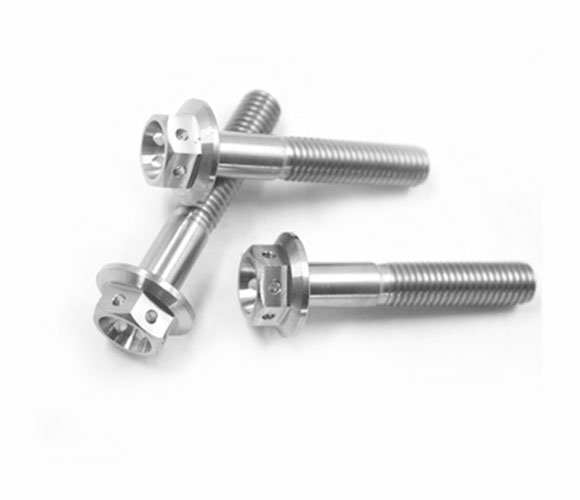
CNC machining medical devices remains critical for modern healthcare supply chains. Consistent quality ensures trust between suppliers and buyers. Reliable delivery schedules support hospital and clinic operations. Precision manufacturing reduces product failure risks significantly. Advanced systems improve scalability for growing market demand. Suppliers offering precision machined components gain competitive advantages. Strong quality assurance builds long-term partnerships with OEM clients. Manufacturing transparency supports regulatory compliance requirements. Continuous innovation improves efficiency and product performance. CNC machining continues driving stability in global medical supply networks.
FAQ
What makes CNC machining suitable for medical devices?
CNC machining provides unmatched precision and repeatability for medical applications. Medical devices often require extremely tight tolerances and smooth surface finishes. These characteristics are essential for safety and performance. CNC machines operate with computer-controlled accuracy, reducing human error. They also support a wide range of materials, including metals and medical plastics. This flexibility allows manufacturers to meet various design requirements. In addition, CNC machining supports both prototyping and large-scale production. These advantages make it highly suitable for complex medical device manufacturing environments.
How does CNC machining ensure medical-grade precision?
CNC machining achieves medical-grade precision through advanced programming and control systems. Machines follow exact digital instructions for every movement and cut. Multi-axis capabilities allow complex geometries in a single setup. Inspection tools verify dimensions during and after production. Calibration ensures machines maintain consistent accuracy over time. High-quality cutting tools reduce variation and improve surface finish. Process monitoring helps detect errors early in production. Combined with strict quality standards, these methods ensure reliable precision. This level of control is essential for producing safe and effective medical components.
What materials are best for CNC medical components?
Material selection depends on application requirements and regulatory standards. Titanium is widely used for implants due to its strength and biocompatibility. Stainless steel is common for surgical tools because of its durability. PEEK is popular for lightweight and high-performance components. Medical-grade plastics offer chemical resistance and sterilization compatibility. Each material must meet strict certification standards such as ASTM or ISO. Engineers also consider corrosion resistance and mechanical performance. Proper material selection ensures safety, longevity, and compliance. These factors are essential in medical device manufacturing.