Key Principles of Selection Logic in Advanced Component Production
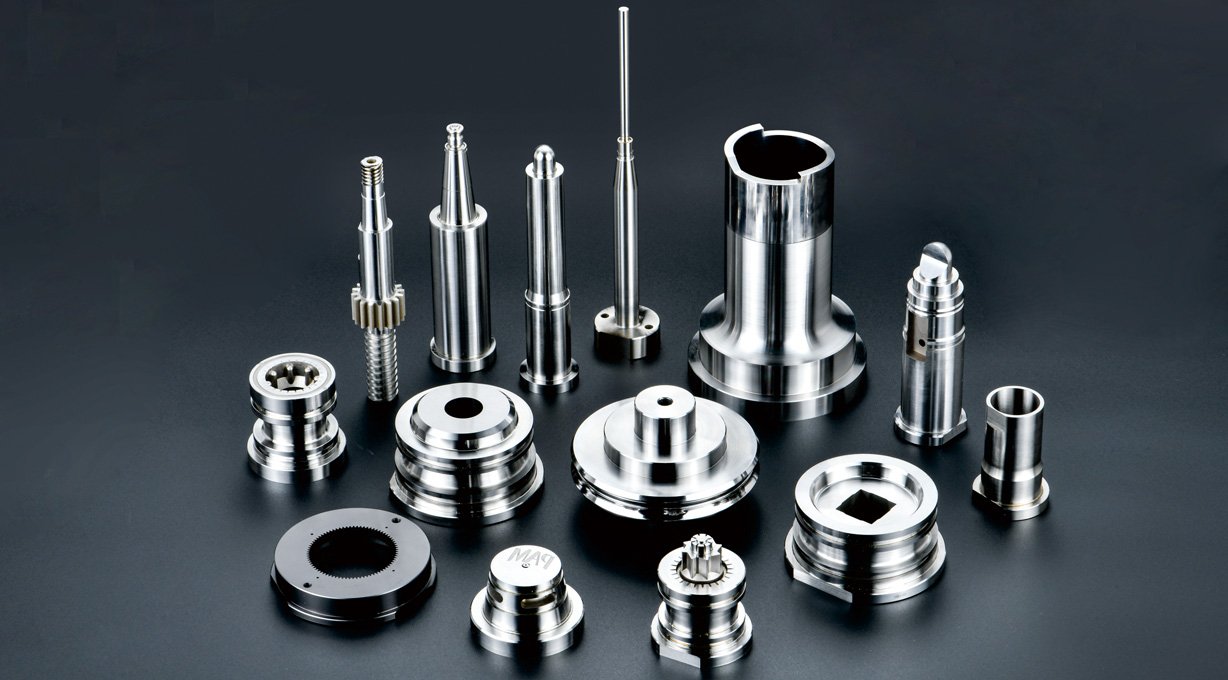
Modern industrial projects require extreme accuracy and material integrity to ensure final product success in competitive global markets. Finding a reliable precision cnc machined parts manufacturer is the most critical step for engineers and procurement professionals today. This specialized partner serves as the technical backbone for complex machinery, aerospace components, and medical device development. You must evaluate a factory’s ability to maintain tight tolerances while handling diverse raw materials like titanium or stainless steel. Choosing the right manufacturer involves a deep analysis of their equipment specifications and quality control protocols. A professional partnership reduces the risk of assembly failures and expensive production delays during the product launch phase. High-quality CNC machining starts with a clear understanding of your specific technical requirements and the factory’s actual capacity. Your project deserves a manufacturing partner that reflects your commitment to engineering excellence and long-term reliability.
Key Principles of Selection Logic in Advanced Component Production
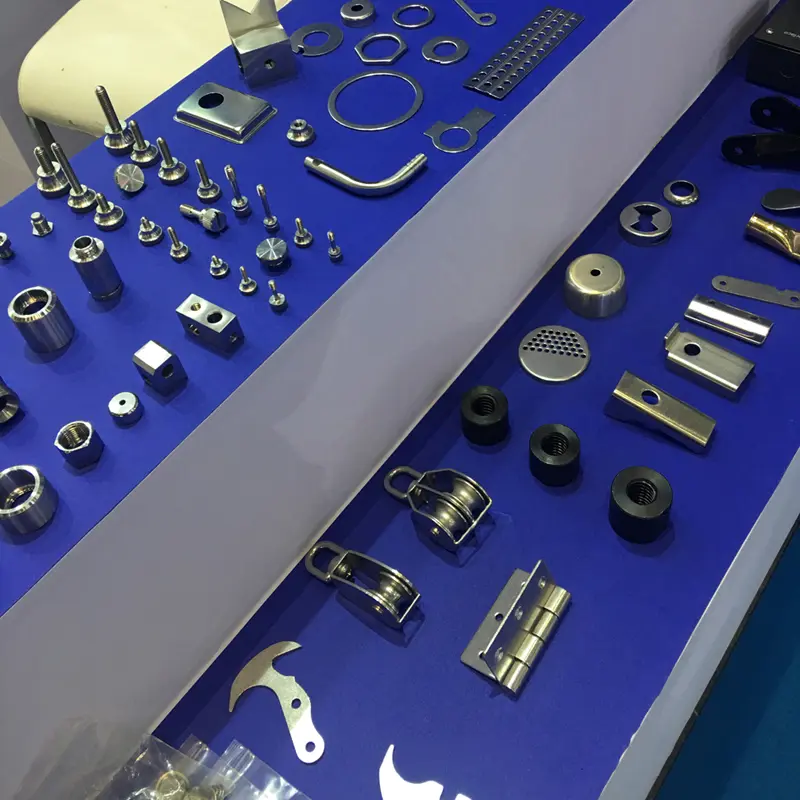
Modern industrial projects demand exceptional accuracy and material integrity to ensure product success in highly competitive global markets. Selecting a reliable precision CNC machined parts manufacturer remains a critical priority for engineers and procurement professionals. This specialized partner acts as the technical foundation for complex machinery, aerospace systems, and medical device production.Manufacturers must consistently achieve tight tolerances while working with challenging materials such as titanium and stainless steel. Precision milled components require advanced equipment, skilled technicians, and strict process control to meet exact specifications. Evaluating a factory’s machining capabilities, tooling systems, and inspection standards is essential for minimizing production risks.
A strong manufacturing partnership helps prevent assembly failures and reduces costly delays during product launches. Thorough assessment of quality control protocols, certifications, and production capacity ensures alignment with your project goals. High-quality CNC machining depends on clear technical communication and proven operational expertise.Choosing the right partner reflects a commitment to engineering excellence, long-term reliability, and consistent product performance across every production cycle.
Evaluating Technical Accuracy and Advanced Material Compatibility
Technical proficiency is the primary metric for judging any potential partner in the high-stakes world of mechanical engineering. A top-tier precision cnc machined parts manufacturer must demonstrate mastery over surface roughness, dimensional tolerances, and geometric positioning. You should inquire about their experience with specific alloys, such as 6061 aluminum or 316L stainless steel, for your parts. Different materials require unique cutting speeds, specialized tooling, and custom coolant strategies to prevent warping or internal stress. Advanced manufacturers utilize multi-axis milling and turning centers to achieve complex geometries in a single setup for better accuracy. This technical depth ensures that every component functions perfectly within the larger mechanical assembly without requiring manual adjustments. Precision is not just a goal; it is a fundamental requirement for safety and performance in modern industry. Reliable material handling is a hallmark of a mature and professional manufacturing organization.
Analyzing the Impact of Multi-Axis Machining Capabilities
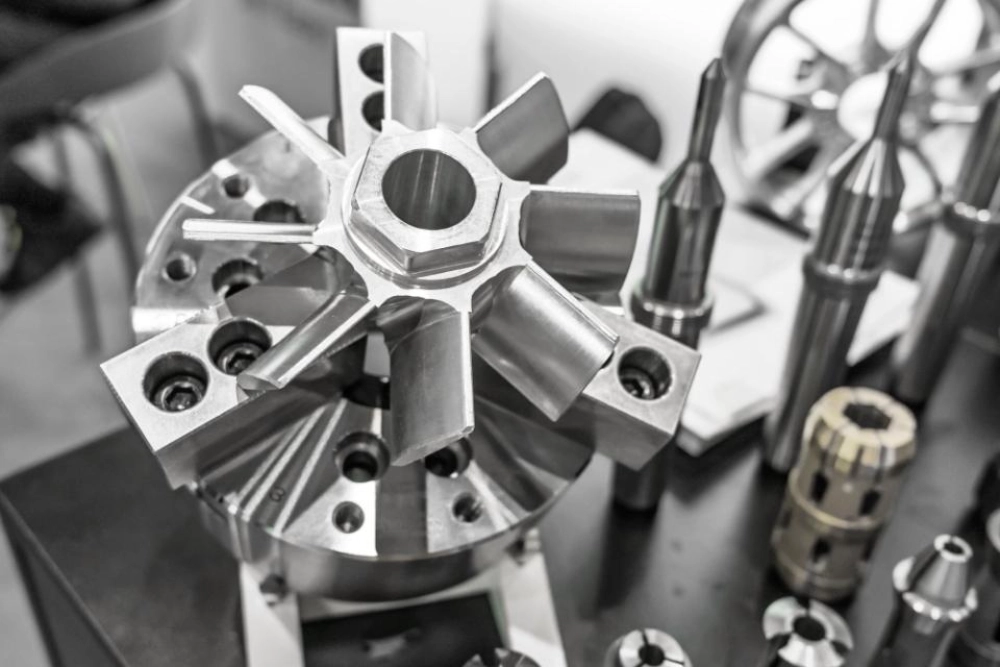
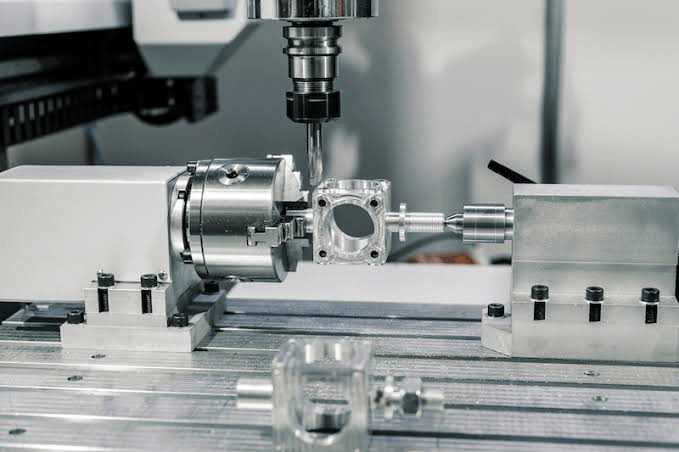
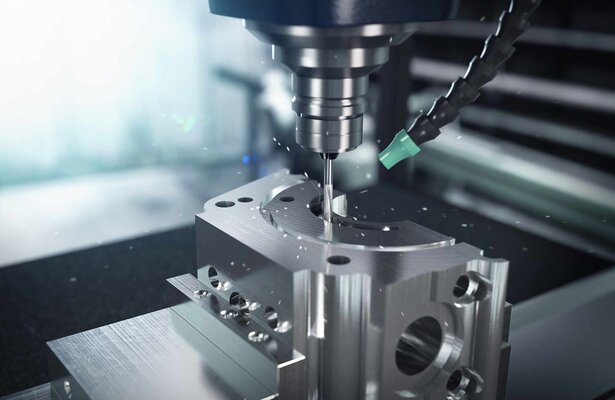
Sophisticated components often require simultaneous five-axis movement to achieve intricate internal geometries and smooth aerodynamic surfaces. When evaluating a precision CNC machined parts manufacturer, it is essential to confirm the use of advanced multi-axis CNC systems that minimize human intervention and reduce production errors. These machines enable complex cutting operations that traditional three-axis equipment cannot consistently deliver.Multi-axis machining significantly enhances surface quality while shortening lead times by eliminating repeated manual re-fixturing. This efficiency is especially critical when producing Stainless steel precision machined parts, where material hardness demands higher accuracy and stability.
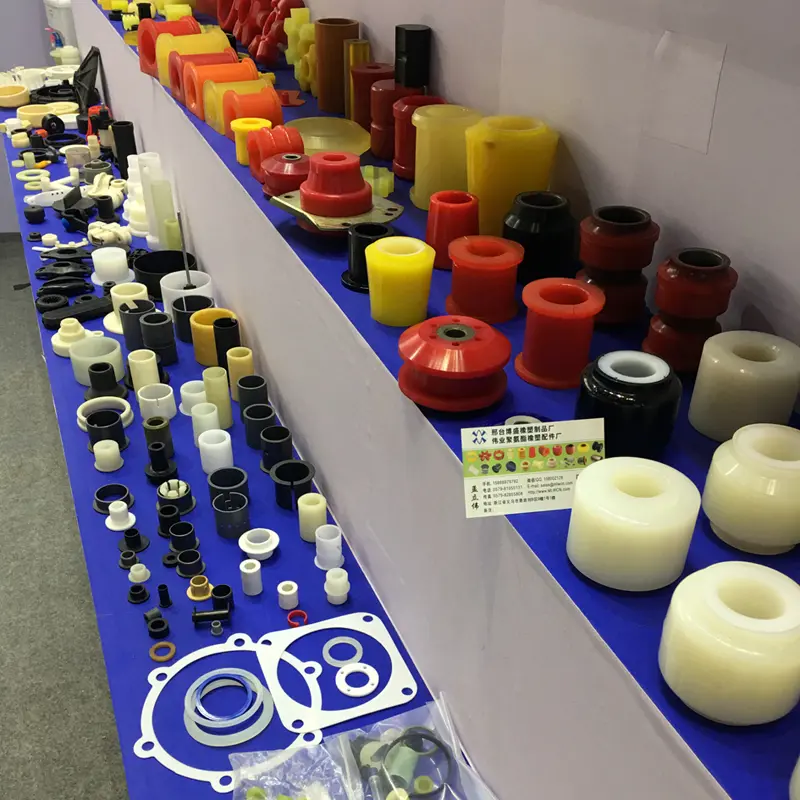
Additionally, manufacturers equipped with integrated CAD/CAM systems can optimize tool paths, reduce material waste, and improve overall cost efficiency.Partnering with a supplier that offers a wide range of machining capabilities supports seamless scalability—from rapid prototyping to high-volume production. Technical flexibility ensures adaptability to evolving engineering requirements, making advanced multi-axis machining a strategic advantage in maintaining long-term supply chain resilience.
Technical proficiency is the primary metric for judging any potential partner in the high-stakes world of mechanical engineering. A top-tier precision cnc machined parts manufacturer must demonstrate mastery over surface roughness, dimensional tolerances, and geometric positioning. You should inquire about their experience with specific alloys, such as 6061 aluminum or 316L stainless steel, for your parts. Different materials require unique cutting speeds, specialized tooling, and custom coolant strategies to prevent warping or internal stress. Advanced manufacturers utilize multi-axis milling and turning centers to achieve complex geometries in a single setup for better accuracy. This technical depth ensures that every component functions perfectly within the larger mechanical assembly without requiring manual adjustments. Precision is not just a goal; it is a fundamental requirement for safety and performance in modern industry. Reliable material handling is a hallmark of a mature and professional manufacturing organization.
Strategic Comparison of CNC Manufacturer Service Levels
| Service Indicator | Standard Machine Shop | Precision CNC Manufacturer |
|---|---|---|
| Tolerance Range | +/- 0.1mm to 0.05mm | +/- 0.005mm or tighter |
| Inspection Tools | Manual calipers and micrometers | Automated CMM and laser scanning |
| Material Range | Common steels and soft plastics | Exotic alloys and hardened metals |
| Quality Standard | General industrial visual check | ISO 9001 or AS9100 certification |
Why Inspection Equipment and Certification Define Quality
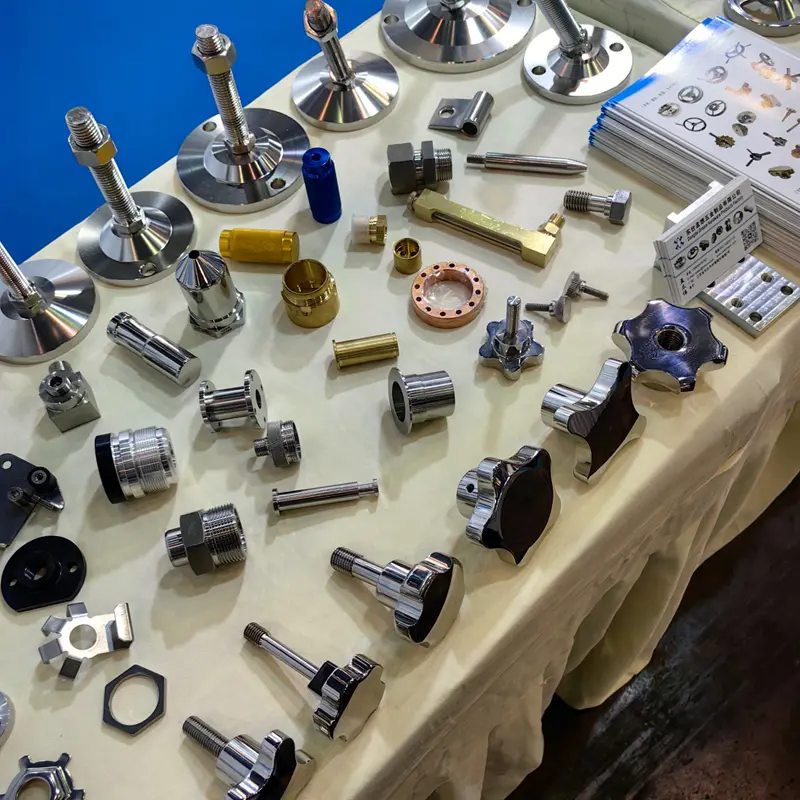
The table above illustrates the massive gap between a general machine shop and a true high-precision manufacturing facility. A professional precision cnc machined parts manufacturer invests heavily in Coordinate Measuring Machines (CMM) to verify every critical dimension. These automated tools provide digital inspection reports that prove the part matches your original CAD file with total accuracy. You should also check for international certifications like ISO 9001, which demonstrate a disciplined approach to quality management. Traceability of raw materials is another essential factor for aerospace and medical industries to ensure safety and compliance. High-end inspection equipment prevents defective parts from reaching your assembly line, saving you thousands in potential rework. Quality assurance is the invisible layer of protection that keeps your project on schedule and within budget. Selecting a certified partner is a smart strategic move for any serious engineering firm.
Avoiding Common Misconceptions in CNC Procurement Logic
Many buyers mistakenly believe that the lowest price quote represents the best overall value for their specific project needs.Low-cost vendors often sacrifice tolerance stability or use inferior raw materials to maintain their aggressive and unsustainable pricing models. A precision cnc machined parts manufacturer must balance competitive rates with the high cost of skilled labor and advanced machinery. You should also avoid assuming that every shop can handle every type of material effectively during the quoting phase. Hardened steels require different machine rigidity than soft aluminum or engineering plastics to avoid vibration and tool chatter. Another pitfall is ignoring the importance of technical communication regarding your specific GD&T (Geometric Dimensioning and Tolerancing) requirements. Clear dialogue between your engineering team and the factory’s production manager is vital for total project success. Precision manufacturing requires a shared understanding of the final application and its critical performance zones.
Confirm the factory’s ability to provide a full CMM inspection report with every batch.
Verify the lead time includes necessary post-processing like heat treatment or anodizing for durability.
Check the manufacturer’s experience with your specific industry’s compliance and documentation standards.
Request a sample run to evaluate the consistency of the surface finish across multiple units.
Implementing a Professional Vetting Process for New Partners
The list provided offers a reliable framework for evaluating any new vendor before committing to a large production contract. Requesting a CMM report ensures that the manufacturer has the actual measuring tools needed to verify their own quality. You must also account for secondary processes like plating or grinding, which can add several days to the timeline. Manufacturers with deep experience in your specific industry will understand the hidden challenges of your parts and materials. A small sample run allows you to verify that their mass-production process is stable and repeatable for long-term needs. These vetting steps protect your brand from the catastrophic effects of a failed supply chain or defective components. Consistency in quality and communication is the hallmark of a world-class manufacturing partnership for your project. Professionalism in the early stages leads to a more predictable and successful production cycle.
Managing Complex Delivery Timelines and Post-Processing Needs
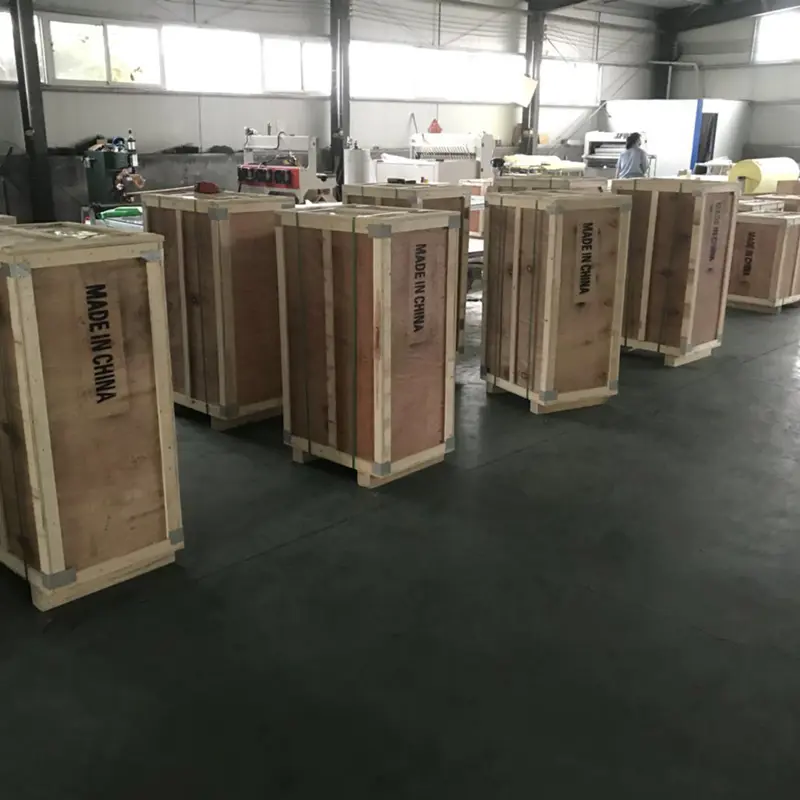
The total time needed to deliver a finished part often exceeds the initial machining time quoted by the factory. Precision components frequently require heat treatment to achieve specific hardness levels or surface coatings for corrosion resistance in harsh environments. Your precision cnc machined parts manufacturer should manage these secondary vendors to provide a true “turnkey” solution for your brand. This centralized management reduces the logistical risk of parts being damaged or lost during transport between different service providers. You should ask for a detailed project timeline that includes material procurement, machining, inspection, and final shipping windows. Reliable delivery is essential for maintaining your own assembly schedule and meeting the expectations of your final customers. Strategic planning and transparent communication are the tools that keep complex manufacturing projects moving toward a successful completion. A dedicated partner takes ownership of the entire process from start to finish.
The Role of Technical Support and Design for Manufacturability
A world-class manufacturer does more than just follow a drawing; they provide valuable feedback to improve the final design. Professional CNC experts can often suggest minor changes to a part’s geometry to reduce machining time and material waste. This “Design for Manufacturability” (DFM) support can significantly lower your unit cost without sacrificing any critical functional performance. You should look for a partner who is willing to engage in technical discussions during the early prototyping phase. Their insights into tool access and fixture stability can prevent expensive engineering changes after the mass production has already started. High-quality technical support reflects a deep level of expertise and a commitment to your project’s overall financial success. Collaboration between the designer and the maker is the most effective way to achieve true manufacturing efficiency. Your project benefits from the collective wisdom of experienced machinists and advanced software integration.
Final Summary of Precision CNC Manufacturer Selection Criteria
Choosing the right precision cnc machined parts manufacturer is a strategic decision that determines the ultimate quality of your project. You should prioritize technical accuracy, CMM inspection capabilities, and material expertise to ensure a high-performing and reliable final product. Avoid the common traps of focusing only on price and ignoring the importance of certifications and technical communication. A professional partner provides DFM support and manages complex post-processing to deliver a complete and ready-to-use component for your brand. Measure your potential partners against the highest industrial standards to secure a stable and efficient supply chain for years. Consistency, transparency, and advanced technology are the pillars of a successful relationship in the modern manufacturing landscape. Your commitment to precision starts with selecting a manufacturer that shares your vision for engineering excellence and quality. Start optimizing your production today by partnering with a verified precision CNC expert.
FAQ
How can I verify a manufacturer’s actual precision capabilities?
You should ask for a detailed equipment list and a sample CMM (Coordinate Measuring Machine) report from a recent project. A professional manufacturer will be proud to show their inspection facility and their ability to hit tolerances as tight as microns. You can also check for specific industry certifications like ISO 9001 or AS9100, which require strict documentation of accuracy. Past case studies in your specific industry can also provide proof of their ability to handle similar technical challenges.
Which materials are most suitable for high-precision CNC machining?
Common metals like 6061 aluminum and 304 stainless steel are excellent choices for most industrial and consumer applications due to their stability. For more demanding environments, titanium and Inconel offer incredible strength and heat resistance but require much more rigid machinery and specialized tools. Engineering plastics like PEEK or Delrin are also great for lightweight, high-precision parts in medical or electrical sectors. The best material depends on your specific balance of cost, weight, and the functional environment of the final part.
How do manufacturers ensure consistency in large production batches?
Consistency is maintained through standardized work instructions and the use of high-quality, repeatable fixtures and jigs for every setup. Modern manufacturers also utilize tool-life management software to replace cutting tools before they wear out and cause dimensional drift. Regular in-process inspections at fixed intervals ensure that any minor deviations are caught and corrected immediately during the run. A robust Quality Management System (QMS) provides the framework for tracking every variable that could affect the final part’s accuracy.