Understanding CNC Turning Vs CNC Milling Basics
CNC turning vs cnc milling represents two essential machining processes used in modern manufacturing systems. These methods allow precise shaping of materials into functional components. CNC turning rotates the workpiece while a stationary cutting tool removes material. CNC milling uses rotating tools that move across a fixed surface. This fundamental difference affects design flexibility and production efficiency. Manufacturers rely on both techniques for different applications. Proper understanding improves workflow planning and reduces production errors. Knowledge of these processes also helps businesses maintain consistent quality while optimizing cost and efficiency in various industrial environments.
How CNC Turning Works In Precision Machining
CNC turning operates by rotating the workpiece while a stationary cutting tool removes material along precise, programmed paths. This method is especially effective for producing cylindrical or symmetrical components such as shafts, rods, and threaded parts. Automated control ensures consistent accuracy and repeatability across production runs. With fewer tool changes required, the process improves efficiency and minimizes downtime. It is compatible with a wide range of materials, including metals and plastics. The continuous rotation of the workpiece contributes to smooth surface finishes and uniform results, making it a reliable solution for high-volume precision manufacturing.
How CNC Milling Operates In Complex Fabrication
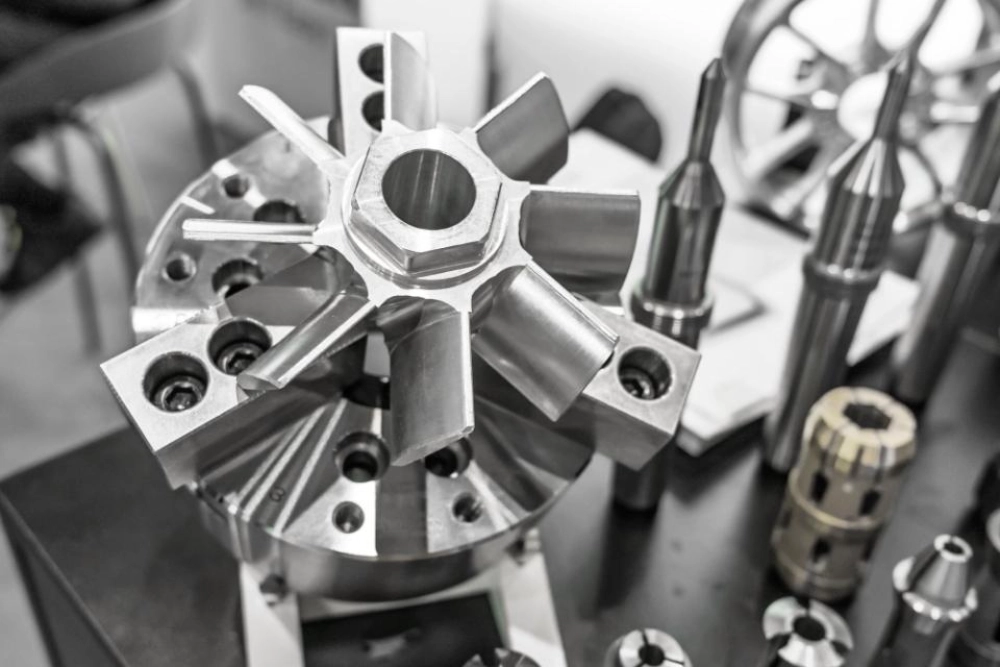
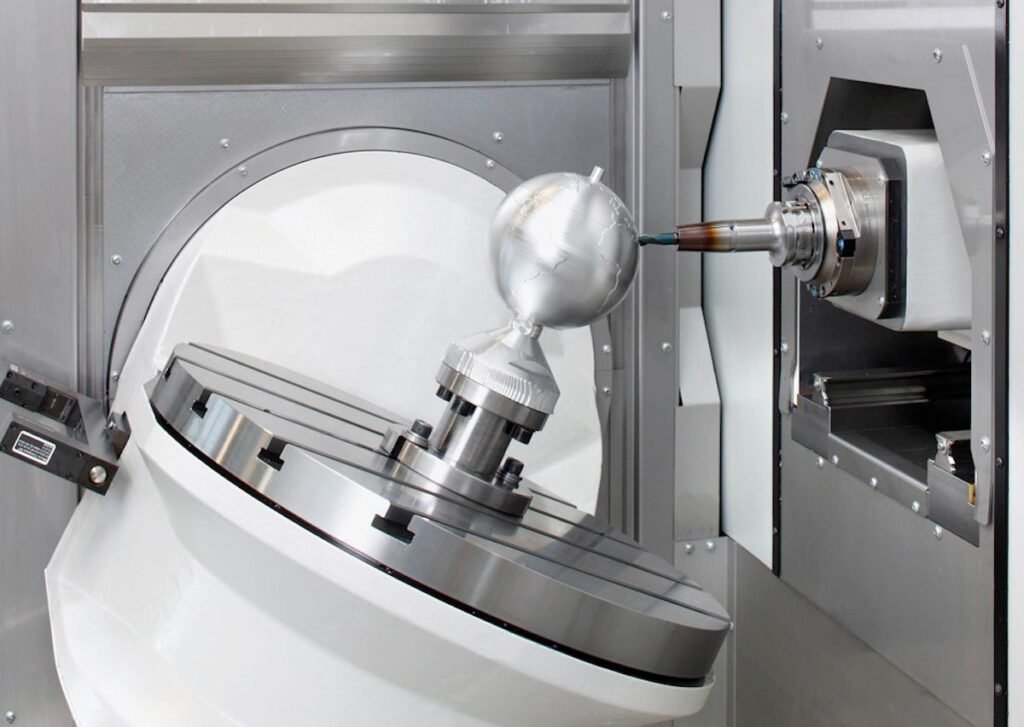
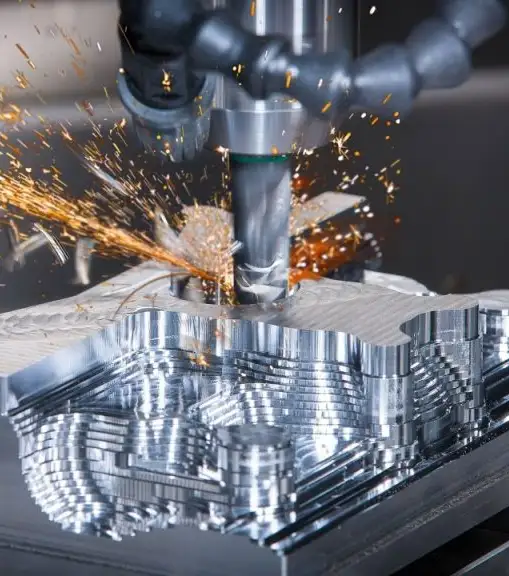
CNC turning vs CNC milling differences become clearer when examining milling operations in detail. CNC milling uses rotating cutting tools that move across multiple axes to shape materials, while the workpiece remains stationary during the process. This flexibility enables the creation of complex geometries and intricate features, making it ideal for producing high-quality precision milled components. Machines can operate on three to five axes, delivering advanced precision and consistency. Milling supports detailed features such as slots, pockets, and complex contours. Automatic tool changes further improve workflow efficiency and reduce downtime. Engineers often rely on milling for prototypes and customized parts due to its adaptability in high-precision manufacturing environments.
Key Differences Between CNC Turning Vs CNC Milling
CNC turning vs cnc milling differs mainly in motion, capability, and production outcomes. Turning rotates the material while the tool remains relatively fixed. Milling rotates the cutting tool while the material stays still. These differences determine the types of shapes each method can produce effectively. Turning works best for symmetrical components. Milling handles complex and irregular geometries with ease. Production speed varies depending on part design and volume. Turning often delivers faster results for simple parts. Milling offers greater flexibility but may require more setup time. Understanding these differences helps improve manufacturing efficiency and accuracy.
Advantages Of CNC Turning Vs CNC Milling Methods
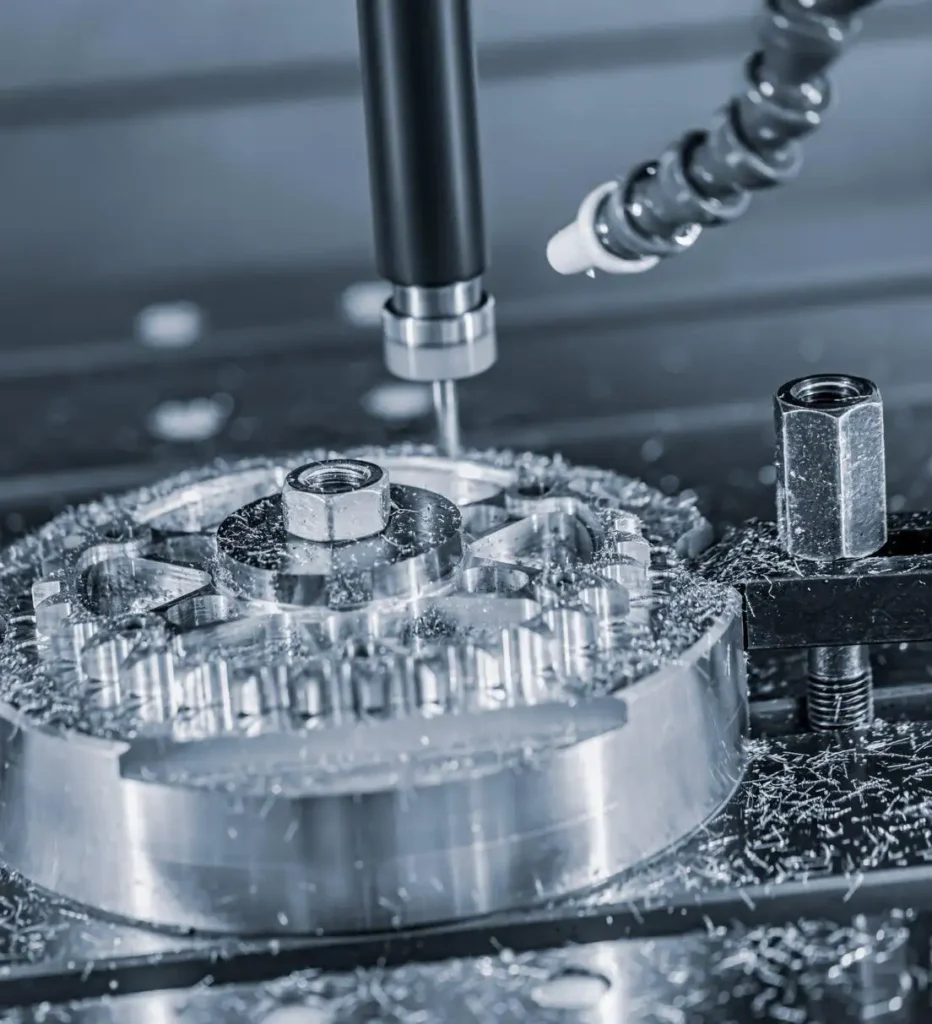
CNC turning vs CNC milling provides distinct advantages depending on production needs. Turning offers high efficiency for cylindrical parts, reducing machining time while delivering smooth surface finishes with minimal setup complexity. However, it is less suitable for creating intricate or irregular geometries. Milling, on the other hand, excels in versatility, enabling complex designs and detailed features required for high-quality Precision machined components. Despite this flexibility, milling often involves longer setup times and higher operational costs, and tool wear may increase due to multi-directional cutting. Manufacturers must carefully evaluate these factors to select the most suitable process. A balanced decision improves productivity, reduces waste, and ensures consistent quality across manufacturing operations.
Applications Of CNC Turning And Milling In Industry
CNC turning vs cnc milling plays a crucial role across many industries that require precision manufacturing. Automotive companies use turning for engine components and rotating parts. Aerospace industries depend on milling for structural components with complex geometries. Medical manufacturers use both processes for surgical tools and implants.Consumer electronics rely on milling for detailed housings and parts. Each method supports product reliability and performance.Engineers often combine both processes within a single workflow. This integration improves flexibility and enhances manufacturing efficiency. Reliable machining remains essential for innovation in modern industrial environments.
Choosing Between CNC Turning Vs CNC Milling For Your Project
CNC turning vs cnc milling selection depends on several important design and production factors. Turning works best for cylindrical shapes and high-volume manufacturing. Milling is ideal for complex geometries and customized features. Designers must evaluate material type, precision needs, and production scale. Budget constraints also influence the decision. Turning generally reduces cost for simple components. Milling supports flexibility for detailed designs. Production timelines may favor turning due to faster output. A strategic approach ensures better performance and cost efficiency. Proper selection improves product quality and supports long-term manufacturing success.
CNC Turning vs Milling Comparison
| Feature | CNC Turning | CNC Milling |
|---|---|---|
| Primary Motion | Rotating workpiece | Rotating cutting tool |
| Best For | Cylindrical parts | Complex shapes |
| Speed | High for round parts | Moderate depending on complexity |
| Complexity | Limited geometry | High versatility |
| Cost | Lower for bulk production | Higher for intricate designs |
Practical Insights After CNC Turning Vs CNC Milling Comparison
CNC turning vs cnc milling comparison highlights how each process supports different manufacturing goals. Turning remains ideal for fast production of symmetrical components. Milling provides flexibility for detailed and complex parts. Engineers often combine both processes to achieve optimal results. Evaluating part geometry helps determine the most suitable method. Production volume also influences the decision-making process. Strategic selection improves efficiency and reduces overall costs. Understanding these differences ensures consistent quality and reliable performance. Companies benefit from aligning machining processes with technical requirements and long-term production strategies.
Key Takeaways On CNC Turning Vs CNC Milling
CNC turning vs cnc milling remains a critical comparison in modern machining decisions. Each method offers unique advantages based on design and production needs. Turning excels in speed and efficiency for cylindrical parts. Milling supports flexibility for complex geometries.
Manufacturers must carefully evaluate requirements before selecting a process. Balancing cost, precision, and volume ensures optimal results.Combining both methods can enhance manufacturing capabilities. Informed decisions improve product quality and operational efficiency. These insights help businesses stay competitive in advanced manufacturing environments.
FAQ
What is the main difference between CNC turning and CNC milling?
The main difference between CNC turning and CNC milling lies in how the cutting process occurs. CNC turning rotates the workpiece while a stationary cutting tool removes material. This makes it ideal for cylindrical parts with consistent dimensions. CNC milling uses a rotating tool that moves across a fixed workpiece. This allows cutting in multiple directions and supports complex shapes. Because of this, milling is more suitable for intricate designs. Turning focuses on speed and symmetry. Milling focuses on flexibility and detail. Choosing the correct process depends on geometry and production requirements.
When should I choose CNC turning instead of milling?
You should choose CNC turning when producing cylindrical or symmetrical components that require high consistency. This process is ideal for parts such as shafts, rods, and threaded elements. Turning offers faster production speeds and reduced setup time, making it suitable for high-volume manufacturing. It also provides smooth surface finishes for round objects. If your design does not involve complex geometries or multiple angles, turning is more efficient.
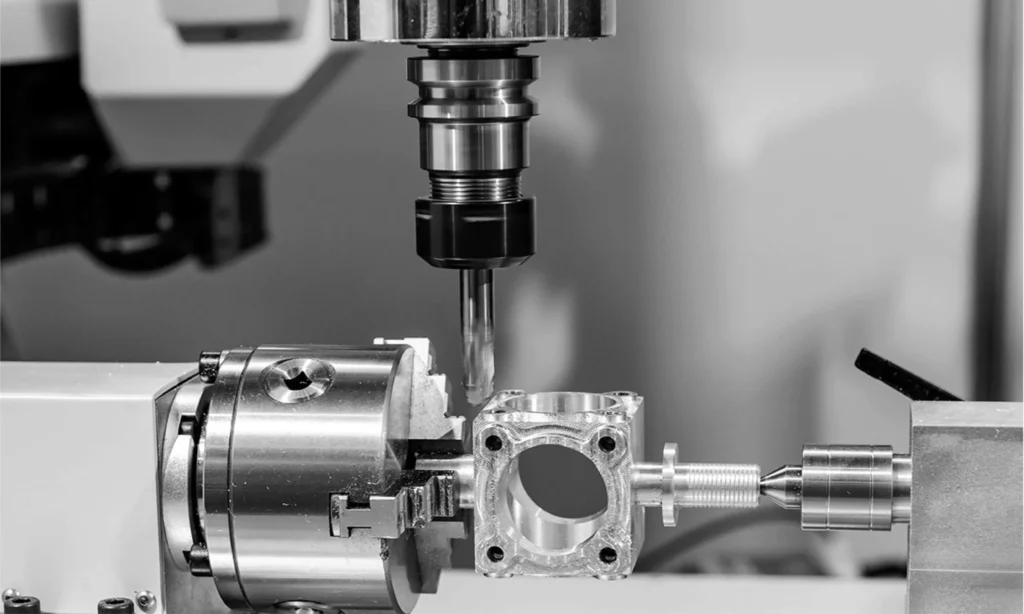
Selecting this method helps reduce costs and improve productivity. It also ensures consistent quality across large production batches in industrial manufacturing environments.
Is CNC milling more expensive than CNC turning?
CNC milling is typically more expensive than CNC turning due to its complexity and flexibility. Milling machines operate across multiple axes and require advanced programming. This increases setup time and labor costs. The process also involves more tool changes and longer machining cycles. These factors contribute to higher overall expenses. CNC turning is more cost-effective for simple and high-volume parts. However, milling is necessary for intricate designs and detailed features. The final cost depends on material, complexity, and production quantity. Careful planning ensures the most efficient and cost-effective machining solution.