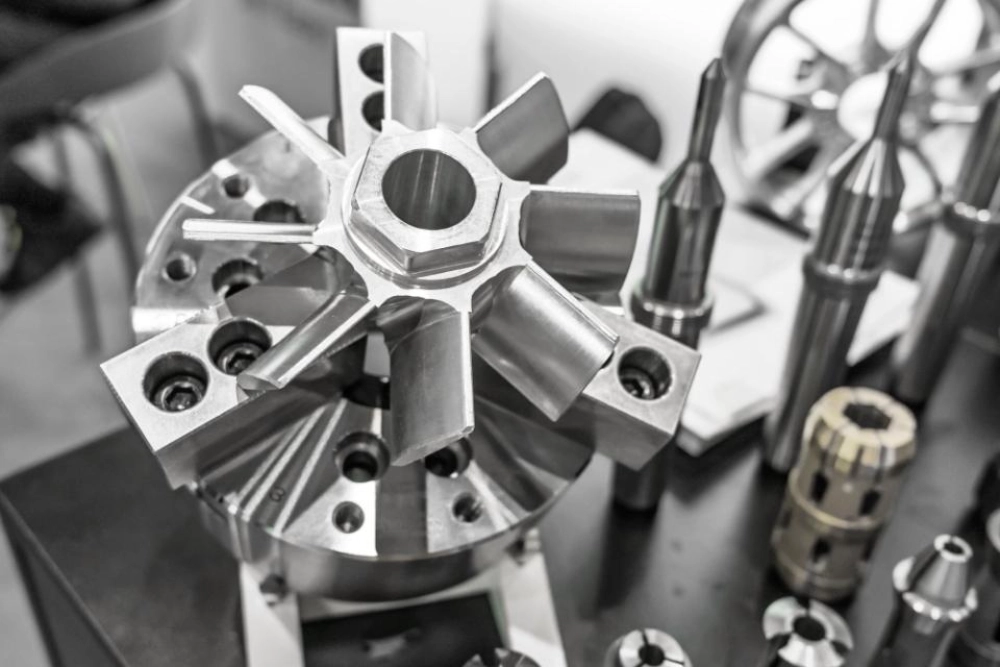

Introduction to first article inspection cnc and Its Importance
first article inspection cnc gives you strong confidence before full production begins. You can verify that the first CNC part meets your exact specifications. This process protects your investment and reduces potential risks early. Many buyers depend on this step to validate supplier capability. You gain clear insight into dimensional accuracy and material compliance. Early validation helps you avoid expensive production errors later. Without proper inspection, defects may pass into large production batches. That situation often leads to delays and costly rework. A structured inspection approach strengthens your decision-making process. It also improves communication between you and your CNC supplier.
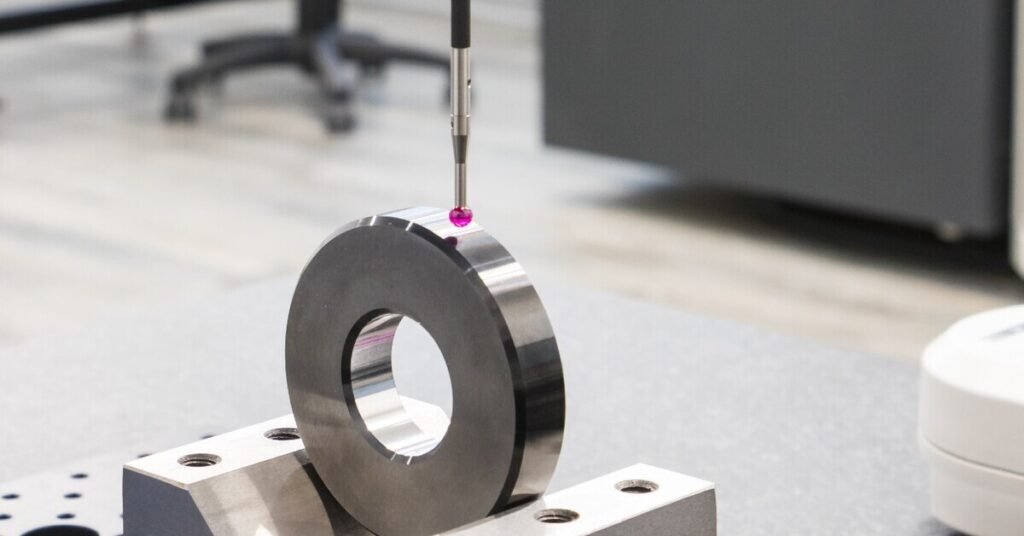
Key Objectives of first article inspection cnc for Buyers
Your primary goal involves confirming that the part matches your design requirements. Every critical dimension must align with the provided engineering drawings. You also need to verify surface finish and material specifications carefully.
Early Detection of Issues in CNC Machining
Early detection of issues allows you to request corrections immediately, helping to avoid mass production failures, particularly for precision CNC machined parts. Another key objective is evaluating the supplier’s manufacturing capability. Consistent inspection results indicate a stable production process, providing reliable data to support approval decisions. These objectives minimize risks in your supply chain, ensuring you can maintain consistent product quality for precision CNC machined parts. Strong inspection practices are essential for ongoing quality control and process improvement.
Essential Tools and Documents Required Before Inspection
Before starting the inspection process, it is critical to gather all necessary documents. Engineering drawings and CAD files serve as the primary reference points for precision CNC machined parts. Clear specifications are vital to evaluate each feature accurately. Inspection checklists help ensure that no requirement is overlooked. You may also request detailed measurement reports from your supplier for verification. Third-party inspection services can provide independent assessments. Digital documentation improves transparency and communication efficiency, allowing you to maintain organized records for tracking inspection outcomes over time. Proper preparation helps reduce confusion and ensures more accurate decision-making, laying a solid foundation for the inspection process.
Step-by-Step Process for First Article Inspection (CNC)
The first step in a first article inspection (FAI) for precision CNC machined parts is reviewing the technical drawings to fully understand all specifications. Next, confirm that the material used matches your requirements. The surface finish should meet the expected quality standards. Then, verify critical dimensions using inspection reports or measurement data—each value must fall within the defined tolerance range. If discrepancies arise, corrective actions should be requested immediately. Once evaluation is complete, you can decide whether to approve or reject the part. Proper documentation ensures traceability and can be referred to in the future. Following this structured process helps maintain control over quality and improves communication with your supplier, ensuring that all standards are met and risks are minimized, especially for precision CNC machined parts.
Common Measurement Techniques and Equipment Used
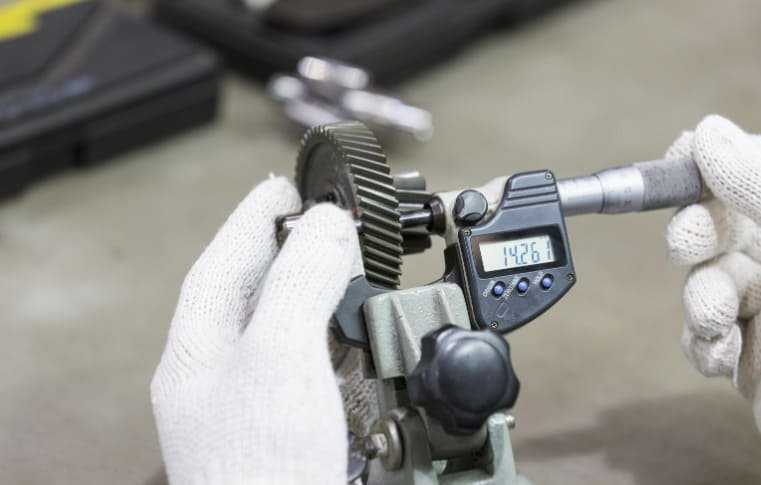
Understanding measurement tools helps you evaluate inspection results more effectively. Coordinate measuring machines provide high precision for complex geometries. Calipers and micrometers handle standard dimensional checks. Optical comparators assist in evaluating contours and profiles. Surface roughness testers measure finish quality accurately. Each tool serves a specific role in the inspection process.

You may not operate them directly, but knowledge improves your evaluation ability. Asking suppliers about their equipment increases transparency. Reliable tools ensure accurate inspection results. Proper equipment usage reduces the risk of measurement errors.
Typical Challenges in First Article Inspection CNC
You may encounter several challenges during inspection activities, especially when dealing with precision milled components. Complex geometries often make verification more difficult. Tight tolerances increase the risk of measurement inconsistencies. Incomplete or unclear reports can create confusion. Communication delays may slow down the approval process. Environmental conditions sometimes affect measurement accuracy. You need to address these issues proactively. Requesting detailed documentation helps reduce uncertainty. Clear communication improves efficiency and avoids misunderstandings. Working with experienced suppliers reduces potential risks. Identifying challenges early helps ensure better inspection outcomes, particularly for precision milled components.
Best Practices to Improve First Article Inspection CNC Accuracy
You can improve inspection outcomes by following proven best practices, especially when inspecting precision milled components. Always request complete and detailed inspection reports from your supplier. Use standardized checklists to verify all critical dimensions. Consider third-party inspections for unbiased evaluation. Digital tools improve data accuracy and reporting efficiency. Clear communication ensures faster issue resolution. Define acceptance criteria before the inspection process begins. Provide feedback to help suppliers improve their processes. These practices increase inspection reliability and consistency. Strong collaboration leads to better product quality and fewer defects, particularly when working with precision milled components.
Inspection Reporting and Documentation Standards
You should carefully review all inspection reports before approving production, especially for precision milled components. Reports must include every critical dimension and tolerance comparison. Measurement methods and equipment details should be clearly stated. Traceability information helps you track each inspected part. Digital reporting systems improve accessibility and organization. Standardized formats ensure consistency across different suppliers. You can use reports to evaluate supplier performance over time. Proper documentation supports audits and compliance requirements. Organized records reduce risks in future projects. Strong documentation practices enhance your overall quality control strategy, particularly in the context of precision milled components.
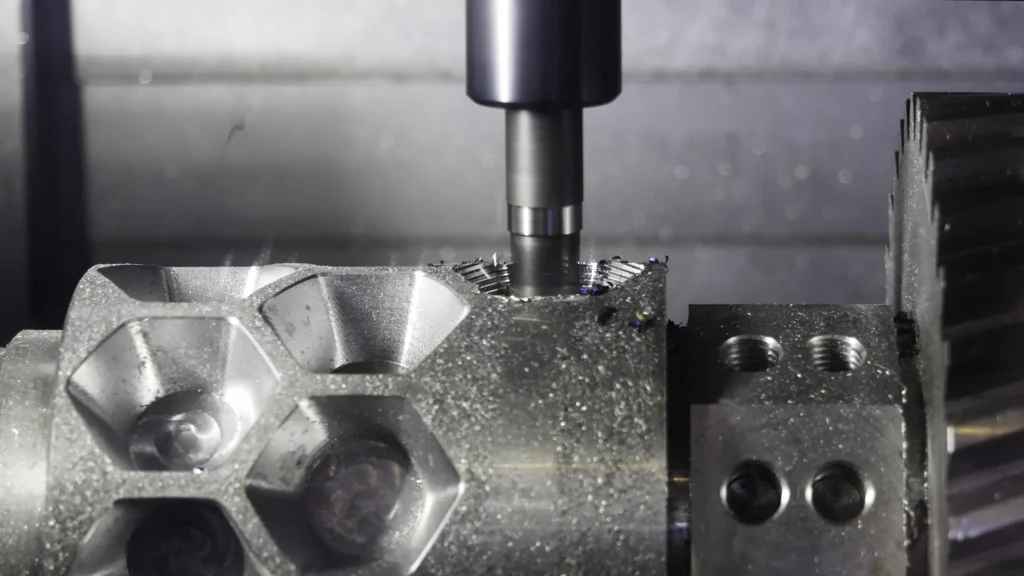
Role of first article inspection cnc in Quality Assurance Systems
first article inspection cnc plays a vital role in your quality assurance strategy. It allows you to validate supplier capability before large-scale production. This process ensures compliance with your specifications and expectations. Inspection data helps you assess supplier consistency over time. Reliable results reduce risks in your supply chain. Many industries require strict validation before approving production. Inspection also builds trust between you and your supplier. Continuous monitoring improves overall product quality. Integrating inspection into your workflow strengthens quality control. This approach ensures stable and predictable manufacturing outcomes.
Comparing First Article Inspection with In-Process Inspection
You should understand how different inspection methods support quality control. First article inspection focuses on validating the initial part. In-process inspection monitors production quality continuously. Both methods play important roles in maintaining consistency. First article inspection prevents early-stage defects. In-process inspection ensures ongoing compliance during manufacturing. Using both methods provides a comprehensive quality strategy. You gain better visibility into production performance. This combination reduces risks and improves reliability. Understanding these differences helps you make better purchasing decisions.
Key Elements Summary in CNC Inspection Process
| Element | Description | Benefit for You |
|---|---|---|
| Technical Drawings | Define specifications | Ensure correct evaluation |
| Measurement Reports | Provide inspection data | Support validation |
| Inspection Tools | Enable accurate checks | Increase reliability |
| Documentation | Record results | Improve traceability |
Detailed Explanation of Inspection Elements and Their Impact
Each inspection element directly affects your ability to verify product quality. Technical drawings guide your evaluation process clearly. Measurement reports provide evidence of compliance with specifications. Reliable tools ensure consistent and accurate results. Documentation helps you track performance across multiple orders. Together, these elements form a structured inspection framework. You can make informed decisions based on accurate data. Proper management reduces risks significantly. Strong inspection practices improve supplier accountability. This approach increases your confidence in every production order.
Practical Checklist for first article inspection cnc
- Review engineering drawings carefully
- Verify material and surface requirements
- Check all critical dimensions
- Compare results with tolerances
- Approve or request corrections
Applying the Checklist for Consistent CNC Inspection Results
You can rely on a checklist to maintain consistency during inspection. Each step ensures that important features are not overlooked. A structured process reduces the risk of human error. Clear criteria improve the accuracy of your decisions. Documentation supports traceability and accountability. Consistent use of checklists improves long-term inspection reliability. You can also share the checklist with suppliers to align expectations. This approach strengthens communication and efficiency. A well-applied checklist enhances your overall quality control process.
Conclusion on Effective CNC Inspection Strategies
Effective inspection strategies help you secure high-quality CNC parts. first article inspection cnc allows you to validate production before scaling orders. This process reduces risks and improves supplier reliability. Clear communication and proper documentation support better outcomes. Combining inspection methods strengthens your quality control system. Continuous improvement enhances inspection efficiency over time. Reliable inspection practices protect your investment and reputation. You gain greater confidence in every order you place. Strong inspection strategies remain essential for long-term success.
FAQ
What is included in a CNC first article inspection report?
A CNC first article inspection report provides a complete overview of part quality before production approval. You will typically see detailed measurements for each critical dimension, along with tolerance comparisons. The report also includes material verification, surface finish evaluation, and coating information when required. Many suppliers attach ballooned drawings that clearly link each dimension to inspection data. You should also check for measurement methods and calibration status of equipment. Additional notes may explain deviations or corrective actions. This report helps you confirm whether the part meets your expectations before moving forward with production decisions confidently.
How often should first article inspection be conducted?
You should request first article inspection whenever a new part is produced. It is also necessary when design changes occur or new tooling is introduced. Machine adjustments or material changes should trigger another inspection as well. Regular validation helps maintain consistent product quality across orders. In industries with strict requirements, inspection may be needed for every batch. You should define inspection frequency based on product complexity and risk level. Consistent inspection ensures better control over supplier performance. This approach reduces defects and improves long-term manufacturing reliability while supporting consistent procurement decisions.
What tools are most accurate for CNC inspection?
Several tools provide high accuracy for CNC inspection, depending on part complexity. Coordinate measuring machines deliver precise results for complex geometries and tight tolerances. Micrometers and calipers work well for standard dimensional checks. Optical comparators help evaluate profiles and contours with clarity. Surface roughness testers measure finish quality accurately. Advanced technologies such as laser scanners may also be used for detailed inspections. You should confirm that all equipment is properly calibrated before use. Accurate tools ensure reliable data, which helps you make confident approval decisions and reduces the risk of accepting defective parts.