Introduction to CNC Manufacturing and cnc prototype vs production
Modern manufacturing relies on CNC machining for precision and repeatability. Engineers use programmed tools to shape metals and plastics accurately. The comparison of cnc prototype vs production helps teams choose suitable workflows early. Product development often requires flexibility during initial stages. Later phases demand consistency and efficiency for large-scale output. Industries like aerospace and medical rely heavily on these processes. Accurate planning reduces risks and prevents costly mistakes. Understanding both stages improves collaboration between design and manufacturing teams. Effective decisions ensure better performance and faster delivery timelines. Clear strategies also enhance overall production efficiency and reliability.
Cnc Prototype Vs Production: Core Differences Explained
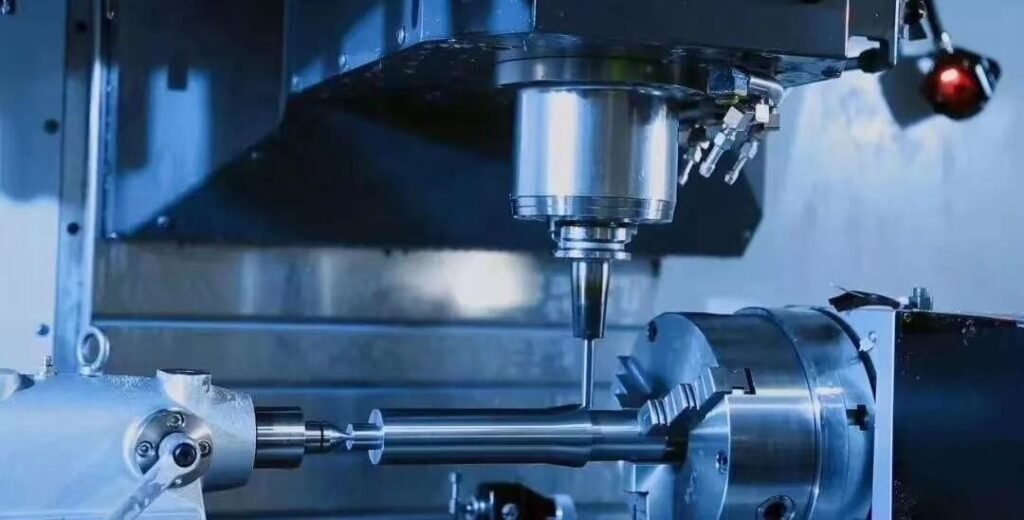
The cnc prototype vs production comparison focuses on purpose, scale, and efficiency. Prototyping emphasizes validation and quick design adjustments. Production prioritizes stable processes and high output volume. Engineers use prototypes to test functionality and identify issues early. Production systems aim to deliver consistent results across thousands of units.
Setup time differs significantly between these two stages. Prototyping allows rapid changes without complex tooling requirements. Production requires optimized workflows and repeatable machining conditions. Cost per unit decreases as production volume increases. Understanding these differences helps businesses align operations with project goals.
Objectives of CNC Prototyping in Product Development
Prototyping focuses on testing and refining product designs before mass production. The cnc prototype vs production comparison highlights flexibility during early development. Engineers frequently adjust dimensions based on testing results. Rapid iterations improve product performance and reduce risks. Prototypes often use simplified materials to save time and cost. Functional testing ensures the design meets performance requirements. Teams can quickly identify weaknesses and improve design quality. This stage supports innovation and creative problem-solving. Short lead times allow faster feedback and decision-making. Effective prototyping reduces the likelihood of expensive production errors.
Production Machining Requirements and Industrial Scaling
Production machining focuses on efficiency, consistency, and scalability for large volumes. The cnc prototype vs production distinction becomes clear in process optimization. Manufacturers standardize operations to maintain uniform product quality. Automation systems increase output and reduce manual intervention. Stable machining conditions ensure predictable performance across batches. Bulk material sourcing reduces overall costs significantly. Production environments often use dedicated machines for efficiency. Precision CNC machined parts must meet strict specifications consistently. Continuous monitoring improves reliability and reduces defects. These requirements support long-term manufacturing success and competitiveness.
Material Selection Differences Between Prototype and Production
Material selection plays a crucial role in machining performance and product durability. The cnc prototype vs production comparison influences how engineers choose materials. Prototypes often use materials that are easy to machine and cost-effective. Production requires materials that meet final application standards and durability needs.
| Criteria | Prototype Materials | Production Materials |
|---|---|---|
| Cost | Lower priority | Optimized for scale |
| Machinability | High | Balanced |
| Performance | Testing focused | Application specific |
| Consistency | Flexible | Standardized |
Material decisions directly affect machining efficiency and product lifespan. Engineers must balance cost, strength, and performance carefully. Production materials often comply with strict industry standards. Incorrect material choices may lead to performance issues. Careful planning ensures long-term reliability and product success.
Tolerance and Precision Variations in Manufacturing
Tolerance control defines the accuracy and quality of machined components. The cnc prototype vs production comparison highlights different precision requirements. Prototypes may allow wider tolerances to speed up machining processes. Production demands tighter tolerances for consistent assembly and performance.
| Aspect | Prototype | Production |
|---|---|---|
| Tolerance Range | ±0.01–0.05 mm | ±0.001–0.01 mm |
| Inspection Level | Basic | Advanced |
| Repeatability | Moderate | High |
| Standards | Flexible | ISO compliant |
Tight tolerances ensure compatibility between parts during assembly. Precision machined components require accurate measurement and control. Manufacturers use advanced inspection tools to verify dimensions. Consistent precision reduces failure risks in demanding applications. High-quality standards improve overall product reliability and performance.
Cost Structure Comparison and Budget Planning
Cost evaluation is essential for selecting the appropriate machining strategy. The cnc prototype vs production comparison reveals major financial differences. Prototyping involves higher unit costs due to low production volume. Production reduces costs through efficiency and scale advantages.
| Cost Factor | Prototype | Production |
|---|---|---|
| Setup Cost | Low | High initial |
| Unit Cost | High | Low |
| Tooling | Minimal | Specialized |
| Labor | Flexible | Optimized |
Understanding cost structures helps businesses allocate budgets effectively. Production benefits from automation and streamlined workflows. Early investments in planning reduce long-term expenses. Strategic decisions improve profitability and operational efficiency.
Production Volume and Lead Time Factors
Production volume and delivery timelines vary significantly between stages. The cnc prototype vs production comparison explains these operational differences. Prototyping focuses on speed and rapid delivery of small quantities. Production prioritizes large volumes with consistent output rates.
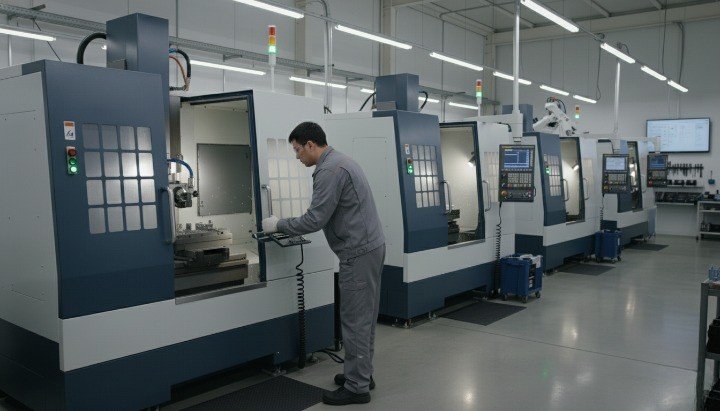
Key factors affecting lead time include:
- Machine availability and scheduling
- Material sourcing and preparation
- Part complexity and geometry
- Inspection and quality requirements
These factors influence manufacturing efficiency and delivery reliability. Proper planning ensures smoother production processes. Efficient scheduling reduces delays and improves throughput. Manufacturers must balance speed, cost, and accuracy carefully.
Quality Control and Inspection Standards
Quality control ensures products meet design and performance requirements. The cnc prototype vs production comparison highlights differences in inspection methods. Prototypes undergo basic checks to confirm functionality and fit. Production requires detailed inspections using advanced measurement tools.
| Inspection Type | Prototype | Production |
|---|---|---|
| Visual Inspection | Common | Standard |
| Dimensional Testing | Selective | Comprehensive |
| CMM Measurement | Occasional | Routine |
| Surface Analysis | Limited | Detailed |
Strict inspection processes ensure consistent quality across production batches. Manufacturers implement statistical methods to monitor performance. Continuous quality control reduces defects and improves reliability. Strong standards support customer satisfaction and product credibility.
Equipment and Tooling Strategies in CNC Machining
Equipment selection directly impacts machining performance and efficiency. The cnc prototype vs production distinction influences tooling and machine usage. Prototyping uses flexible machines to handle diverse designs. Production relies on dedicated systems for speed and consistency.
| Equipment Type | Prototype | Production |
|---|---|---|
| Machine Setup | Flexible | Fixed |
| Tooling | General purpose | Specialized |
| Automation | Limited | High |
| Output Rate | Low | High |
Advanced tooling improves machining speed and reduces tool wear. Production systems often include automated controls and monitoring. Efficient equipment usage lowers operational costs significantly. Proper selection ensures long-term performance and reliability.
Transition Strategy from Prototype to Production
Transitioning requires careful validation and strategic planning. The cnc prototype vs production process defines readiness for scaling operations. Engineers finalize designs after successful testing and verification. Stable specifications reduce risks during production setup.
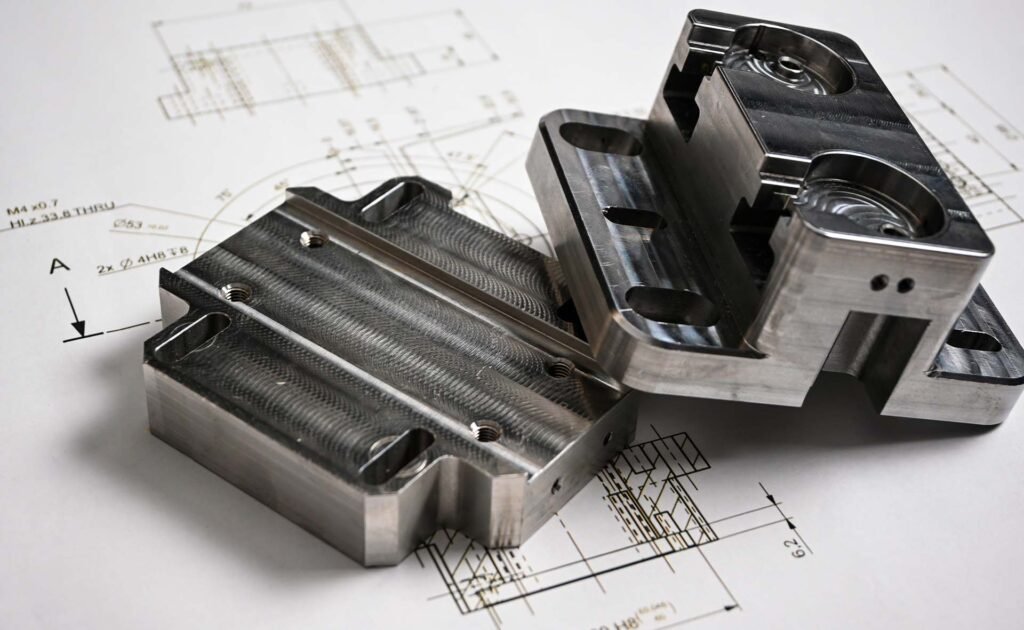
Key indicators for transition include:
- Design stability with no major changes
- Verified material performance
- Confirmed tolerance requirements
- Approved cost structure
These factors ensure a smooth shift to full-scale manufacturing. Proper timing prevents unnecessary delays and rework. Strategic transitions improve efficiency and reduce operational risks.
Decision Framework for Manufacturing Optimization
Choosing the right machining approach requires evaluating several factors. The cnc prototype vs production decision depends on project scope and requirements. Businesses must consider cost, volume, and design maturity carefully.
Key decision criteria include:
- Required production volume
- Budget limitations
- Product complexity
- Lead time expectations
Each factor influences manufacturing strategy and outcomes. Effective planning ensures better resource allocation and performance. Companies can achieve higher efficiency through informed decisions. Strong frameworks support long-term manufacturing success.
Conclusion: Aligning CNC Strategy with Business Goals
Understanding cnc prototype vs production helps manufacturers optimize operations and reduce risks. Each stage serves a specific role in product development. Prototyping supports innovation and rapid validation effectively. Production ensures scalability and consistent output quality. Companies must evaluate materials, cost, and timelines carefully. Proper planning improves efficiency and competitiveness. Clear strategies lead to better product performance and reliability. Successful execution enhances overall manufacturing outcomes and business growth.
FAQ
What is the key difference in cnc prototype vs production?
The key difference lies in purpose and scale. Prototyping focuses on testing and validating designs quickly. Engineers use this stage to identify potential issues early. Production machining emphasizes efficiency and large-scale output. Processes become more stable and optimized during production. Costs decrease per unit as production volume increases. Prototyping allows flexibility for design changes. Production requires strict control and consistency. Both stages play important roles in manufacturing. Choosing the right stage depends on project requirements and timelines.
How does cost evolve in cnc prototype vs production?
Costs vary significantly between prototyping and production stages. Prototyping often has higher unit costs due to low volume. Setup costs remain relatively low during early development. Production involves higher initial setup and tooling investments. However, unit costs decrease as production volume increases. Automation and process optimization reduce long-term expenses. Businesses must consider both short-term and long-term costs. Effective planning ensures better financial outcomes. Cost control plays a key role in manufacturing success and competitiveness.
When should cnc prototype vs production transition occur?
Transition should occur after successful testing and validation. Engineers must confirm that designs meet all specifications. Material performance and tolerance requirements need verification. Stable designs reduce risks during production scaling. Companies also evaluate cost efficiency before transitioning. Early transitions may cause errors and increased costs. Delayed transitions can impact market competitiveness. Proper timing ensures smooth production processes. Careful planning improves product quality and manufacturing efficiency.