Why Early Detection Matters In Industrial Equipment
Worn bushing symptoms often appear before major mechanical failures develop inside industrial systems. Bushings stabilize shafts, absorb vibration, and reduce friction between moving surfaces. Excessive wear changes component alignment and increases stress on nearby parts. Production lines may stop unexpectedly when damaged bushings remain unnoticed for long periods. Maintenance teams usually monitor vibration levels, rotational stability, and lubrication conditions during inspections. Small operational changes frequently indicate larger internal mechanical problems. Early detection reduces downtime costs and protects connected bearings, couplings, and shafts from secondary damage. Manufacturing facilities often schedule predictive maintenance because emergency repairs increase labor expenses and production losses. Reliable inspection procedures improve equipment lifespan and maintain consistent machine performance during continuous industrial operation cycles. Maintenance engineers often track abnormal mechanical wear during routine reliability inspections.
Common Mechanical Warning Signs During Equipment Operation
Industrial machines often display several visible indicators before bushing failure becomes severe. Increased vibration usually appears first during startup or load transitions. Operators may also hear knocking, squealing, or grinding sounds near rotating assemblies. Shaft instability commonly develops when internal clearances exceed design tolerances. Excessive movement can damage couplings, seals, and surrounding support structures. Temperature spikes may occur because friction rises inside worn contact surfaces. Hydraulic systems sometimes lose alignment accuracy during high-load operations. Experienced technicians inspect mounting points and lubrication channels for contamination or debris accumulation. Certain systems produce irregular motion patterns during acceleration or deceleration stages. Maintenance records help engineers compare historical operating conditions with current equipment performance. Consistent monitoring reduces unexpected shutdowns across large industrial production environments.
Surface Damage Patterns That Indicate Internal Wear
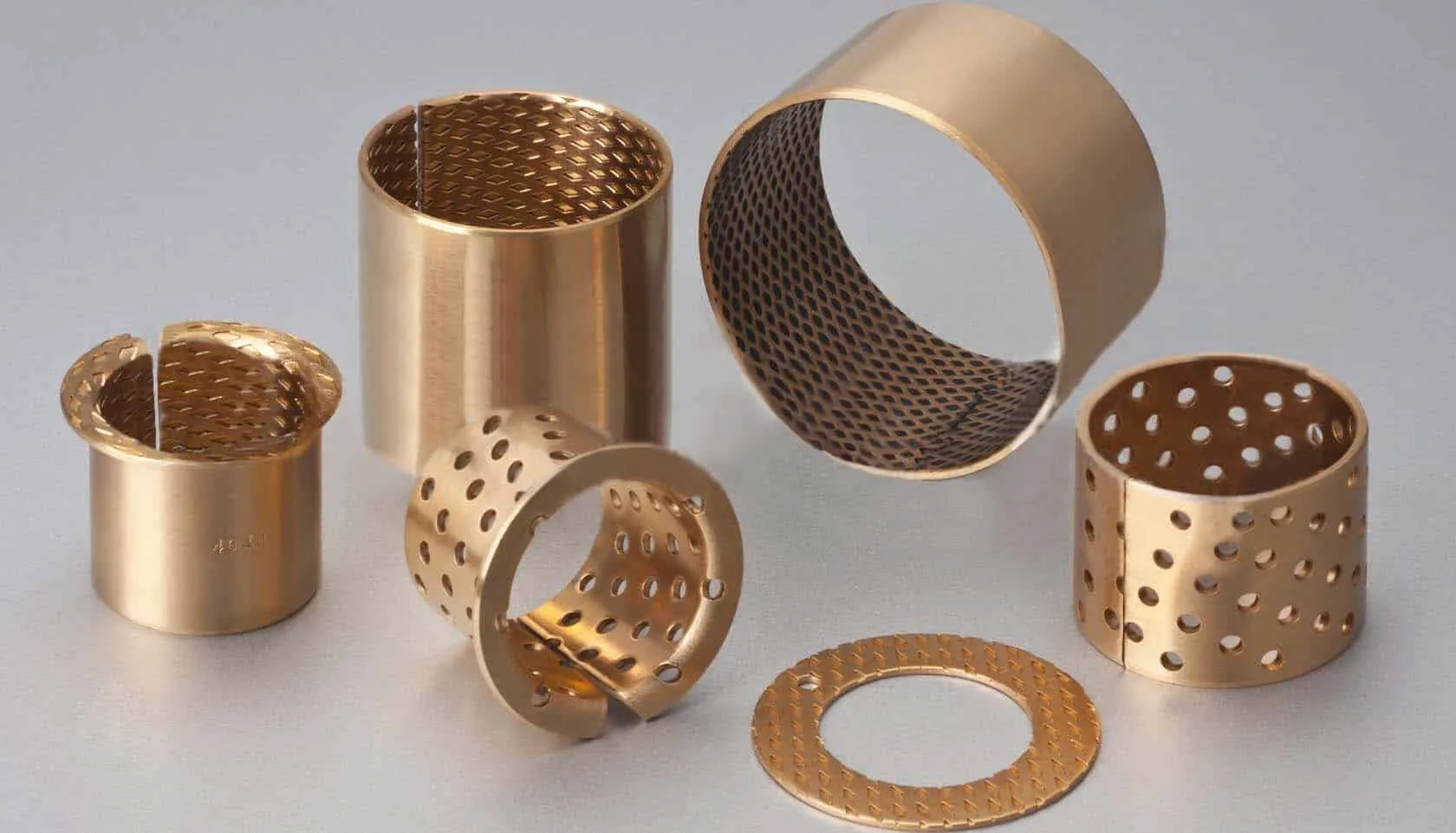
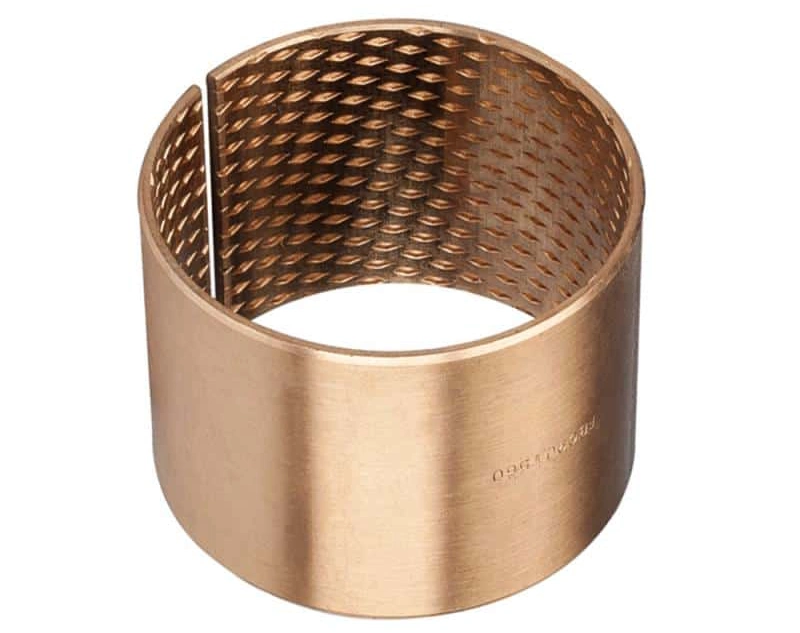
Visible surface deterioration provides important evidence during maintenance inspections. Scratches, grooves, and scoring marks usually appear after lubrication failure develops. Metal particles often contaminate lubricants when friction increases between moving components. Corrosion damage may also weaken internal surfaces in humid industrial environments. Deformation frequently occurs when excessive radial loads exceed design limitations. Engineers inspect contact areas carefully because uneven wear patterns reveal alignment problems. Bronze bushings normally resist seizure under heavy operating conditions. Composite materials often perform better in dry or contaminated environments. A brass bushing with oil groove can improve lubricant retention during continuous rotational movement.
How Heat Generation Reveals Worn Bushing Symptoms
Temperature increases frequently indicate abnormal friction inside rotating industrial assemblies. Infrared thermography helps technicians identify overheating zones without stopping production lines. Excessive heat usually develops after lubrication films become too thin. Friction then rises between shafts and internal support surfaces. Thermal expansion can reduce dimensional accuracy and increase mechanical stress during operation. Engineers compare current thermal readings with baseline operating temperatures for better analysis. Consistent overheating often signals progressive wear inside critical machine components. High-speed systems usually experience faster temperature growth during heavy production cycles. Cooling systems may also lose efficiency when internal alignment becomes unstable. Early thermal monitoring reduces maintenance costs because technicians address damage before catastrophic failure occurs. Industrial plants often integrate temperature sensors into predictive maintenance programs for continuous equipment evaluation.
Operational Instability And Performance Reduction
Machine instability commonly appears when internal support components lose structural accuracy. Rotating shafts may wobble during operation because clearances exceed engineering specifications. Heavy vibration can damage nearby bearings, couplings, and gear assemblies over time. Production quality often declines because unstable movement affects dimensional precision. Operators sometimes notice irregular motion during startup sequences or directional changes. Hydraulic presses and conveyor systems may also experience load distribution problems. Worn bushing symptoms frequently become more visible under higher operating loads. Consistent monitoring allows technicians to detect progressive deterioration before shutdowns occur. Industrial stainless steel bushing designs often perform well in corrosive or moisture-rich facilities. Material durability significantly influences long-term operational reliability across demanding industrial environments. Stable alignment remains essential for maintaining accurate machine performance and extending service life.
Inspection Equipment Used In Modern Maintenance Programs
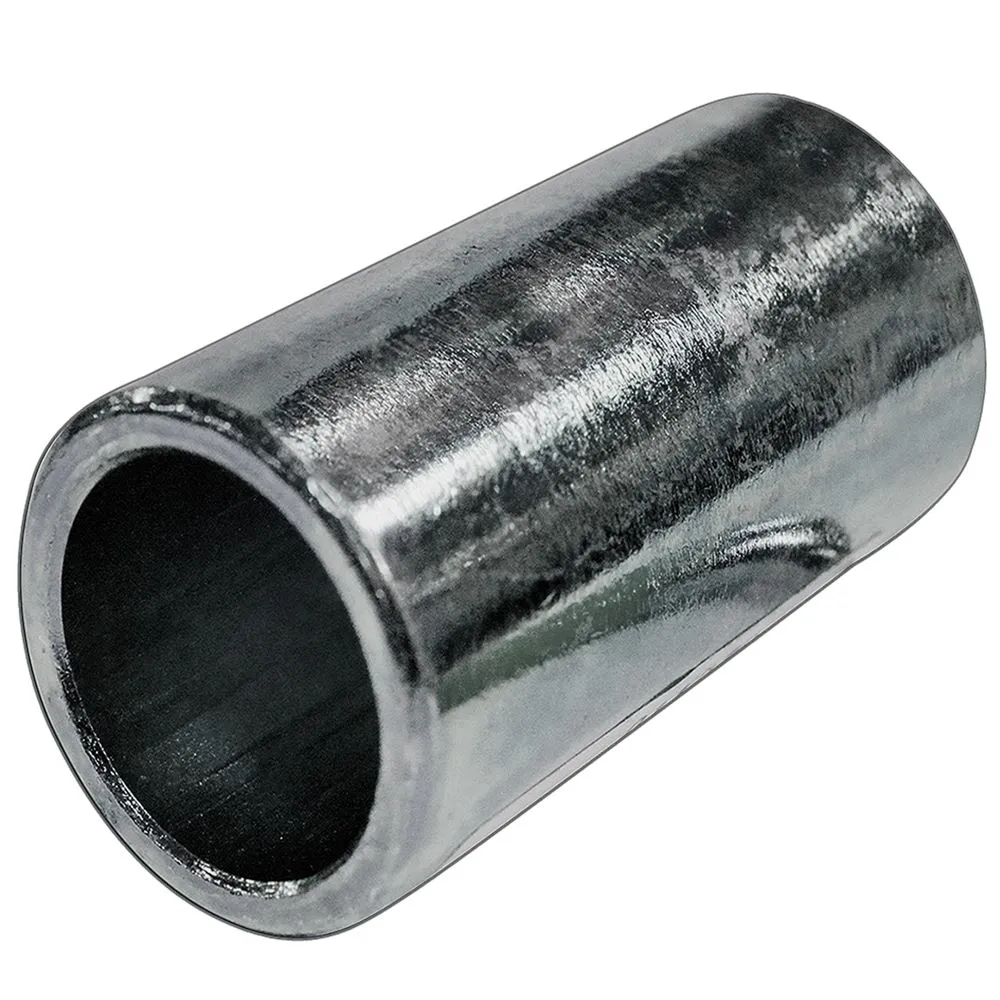
Industrial maintenance teams rely on specialized diagnostic tools during equipment inspections. Dial indicators measure shaft movement and detect abnormal radial displacement. Vibration analyzers identify frequency changes caused by internal wear progression. Thermal cameras quickly locate overheating zones during continuous machine operation. Lubricant analysis also helps technicians detect metal contamination and internal surface deterioration. Precision measurement tools improve maintenance accuracy across critical production equipment. Many facilities implement condition-based maintenance programs for better operational efficiency. Engineers compare collected data with manufacturer tolerance standards during evaluations. Predictive analysis reduces unnecessary component replacement and minimizes downtime risks. Inspection schedules usually depend on operating load, environmental conditions, and production intensity. Reliable monitoring programs improve equipment lifespan while supporting consistent manufacturing performance across large industrial systems. Accurate diagnostic tools help factories identify worn bushing symptoms before production efficiency declines.
Material Selection And Long-Term Service Performance
Bushing material selection directly affects durability, friction resistance, and maintenance frequency. Bronze materials provide excellent load-bearing capacity under heavy industrial conditions. Steel bushings often support high-impact applications requiring exceptional structural strength. Composite bushings resist chemical exposure and operate effectively with limited lubrication availability. PTFE-lined designs reduce friction and improve efficiency during high-speed movement. Engineers evaluate hardness, thermal stability, and corrosion resistance before selecting materials. Environmental exposure significantly influences long-term operational reliability across industrial applications. Continuous moisture exposure may accelerate corrosion in unprotected metallic components. High-temperature facilities often require advanced alloys with improved dimensional stability. Proper material selection helps maintenance teams reduce operational interruptions and replacement frequency. Reliable engineering analysis supports cost-effective equipment management across manufacturing and processing industries.
Key Factors That Accelerate Mechanical Wear
Several operating conditions increase wear rates inside industrial machinery systems. Dust contamination often damages lubrication films and increases surface abrasion. Moisture exposure may create corrosion problems within rotating assemblies and support structures. Heavy production loads place additional stress on internal contact surfaces during operation. High-speed movement can also increase friction and thermal expansion under continuous use. Chemical exposure sometimes weakens protective coatings and reduces material durability. Poor lubrication practices frequently shorten equipment lifespan across industrial facilities. Misalignment problems may develop after improper installation or inadequate maintenance procedures. Worn bushing symptoms often appear faster in environments with constant operational stress. Preventive maintenance schedules help technicians detect environmental damage before severe failures occur. Consistent inspections improve reliability and reduce repair expenses across demanding manufacturing operations.
| Wear Indicator | Possible Cause | Inspection Method | Operational Impact |
|---|---|---|---|
| Excessive vibration | Increased internal clearance | Vibration analysis | Reduced machine stability |
| High temperature | Lubrication failure | Thermal imaging | Accelerated surface wear |
| Grinding noise | Surface scoring | Acoustic inspection | Component damage risk |
| Irregular shaft movement | Misalignment | Dial indicator testing | Lower production accuracy |
Technical Analysis Of Inspection Data
Inspection data helps maintenance engineers identify operational risks before serious failures develop. Vibration analysis provides valuable information about rotational imbalance and shaft instability. Thermal imaging supports rapid identification of friction-related overheating inside critical assemblies. Acoustic monitoring also reveals abnormal contact patterns between moving mechanical surfaces. Accurate diagnostic methods improve maintenance efficiency and reduce unnecessary replacement costs. Industrial facilities often combine several monitoring technologies for better reliability assessment. Historical performance records help technicians compare equipment conditions across multiple inspection cycles. Consistent data analysis improves maintenance planning and supports long-term operational stability within manufacturing systems.
| Bushing Material | Main Advantage | Common Application | Lubrication Requirement |
|---|---|---|---|
| Bronze | High load capacity | Heavy machinery | Moderate |
| Steel | Impact resistance | Mining equipment | High |
| Composite | Chemical resistance | Food processing | Low |
| PTFE-lined | Low friction | High-speed systems | Minimal |
Maintenance Planning For Industrial Reliability
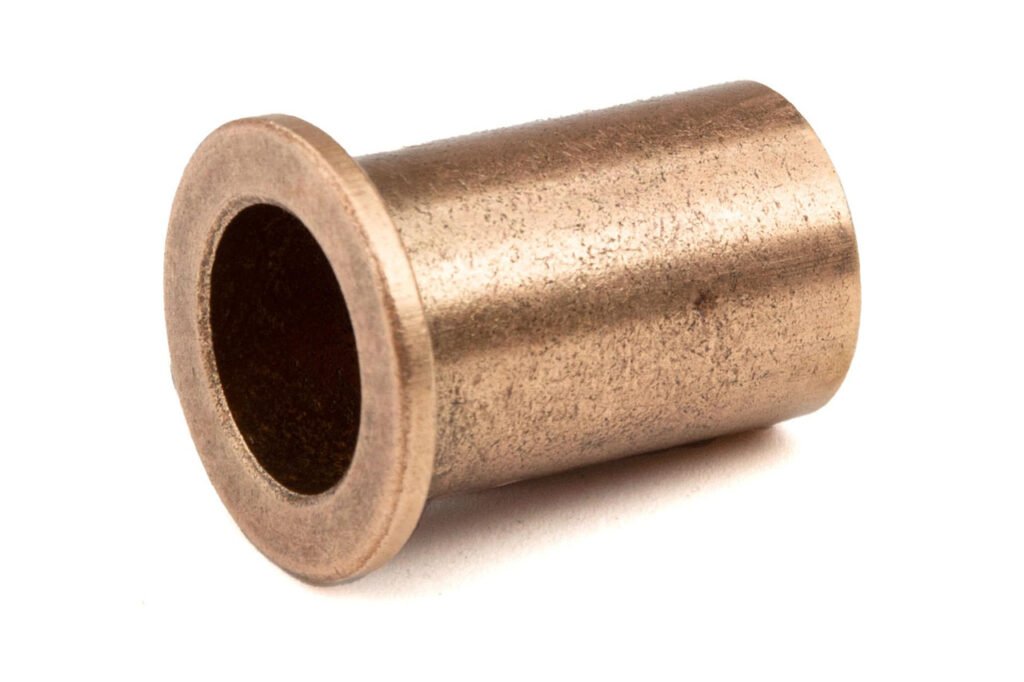
Effective maintenance planning reduces equipment failures and improves operational consistency. Scheduled inspections allow technicians to identify abnormal wear before production interruptions occur. Lubrication management remains essential because friction directly affects service life performance. Many industrial facilities establish maintenance intervals according to operating load conditions. Clean lubrication systems help reduce contamination and protect internal mechanical surfaces. Engineers also monitor alignment accuracy during routine inspection procedures. Predictive maintenance programs improve budgeting accuracy and reduce emergency repair expenses. Reliable equipment performance supports stable production output across industrial manufacturing environments. Long-term maintenance strategies help facilities extend component lifespan while improving workplace safety and operational efficiency. Scheduled servicing reduces the risk of severe worn bushing symptoms across high-load industrial equipment.
Key Inspection Priorities For Maintenance Teams
- Monitor vibration levels during startup and full-load operation
- Inspect lubrication quality and contamination conditions regularly
- Measure shaft alignment using precision diagnostic equipment
- Compare operating temperatures with baseline thermal readings
- Record unusual operational noise during production cycles
- Check mounting stability and structural support integrity
- Replace damaged seals before contamination spreads internally
Detailed inspection routines improve maintenance accuracy across complex industrial systems. Maintenance teams often combine visual analysis with precision diagnostic testing for better reliability assessment. Consistent documentation also supports trend analysis and long-term operational planning. Structured inspection programs reduce unexpected downtime and improve production efficiency throughout manufacturing facilities. Engineers frequently review worn bushing symptoms when updating preventive maintenance schedules.
FAQ
What causes worn bushings in industrial machinery?
Industrial bushings wear because of friction, contamination, excessive loading, and lubrication failure. Continuous movement gradually removes material from internal contact surfaces. Dust particles and metal debris often accelerate abrasion during operation. Misalignment also increases stress on shafts and surrounding support structures. High temperatures may weaken lubrication films and increase friction between moving parts. Poor maintenance schedules frequently allow small defects to expand into major mechanical problems. Heavy industrial environments usually create harsher operating conditions for rotating assemblies. Consistent inspections help technicians detect early wear indicators before severe damage develops. Proper material selection and lubrication management significantly improve long-term equipment reliability across demanding manufacturing operations.
How often should industrial bushings receive inspections?
Inspection frequency depends on operating conditions, production intensity, and equipment design requirements. Heavy machinery operating continuously usually requires monthly condition monitoring procedures. Critical systems often receive vibration and thermal inspections every week. Moderate industrial applications may follow quarterly maintenance schedules under stable operating conditions. Environmental exposure also affects inspection intervals because moisture and contamination increase wear rates. Engineers typically adjust maintenance schedules according to historical performance data and failure trends. Predictive maintenance technologies improve inspection accuracy across large industrial facilities. Consistent monitoring reduces emergency repair costs and extends equipment lifespan significantly. Maintenance teams should document all inspection results carefully for long-term operational planning and reliability improvement.
Can lubrication completely prevent bushing failure?
Lubrication reduces friction and slows wear progression, but complete failure prevention remains impossible. Mechanical loads, contamination, and alignment problems still affect component lifespan over time. Proper lubrication creates protective films between moving surfaces and reduces thermal buildup during operation. However, degraded lubricants lose effectiveness under extreme temperatures or contaminated conditions. Excessive vibration may also damage components despite correct lubrication procedures. Maintenance teams should combine lubrication management with regular inspection routines for better reliability. High-quality lubricants improve efficiency and reduce surface deterioration across industrial systems. Accurate application methods remain important because insufficient lubrication creates rapid internal wear. Comprehensive maintenance practices provide stronger protection than lubrication alone in demanding industrial environments.