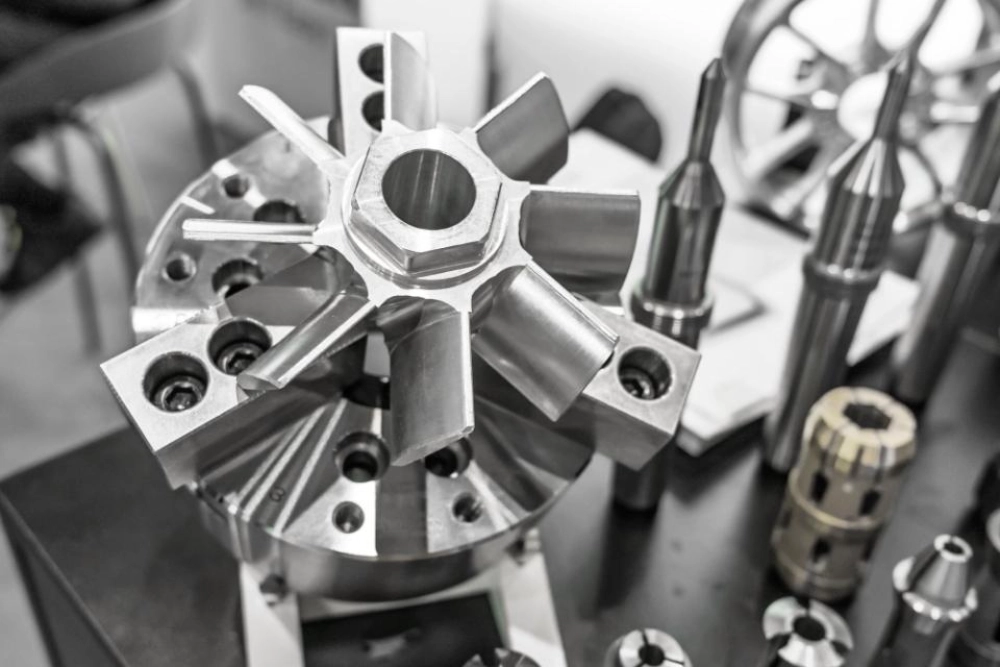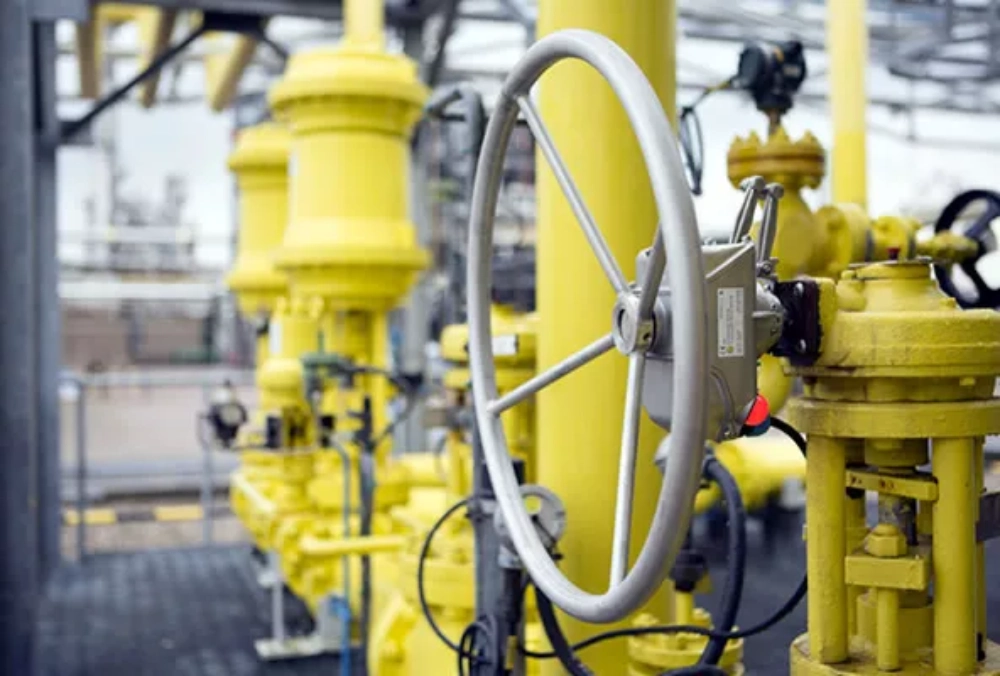
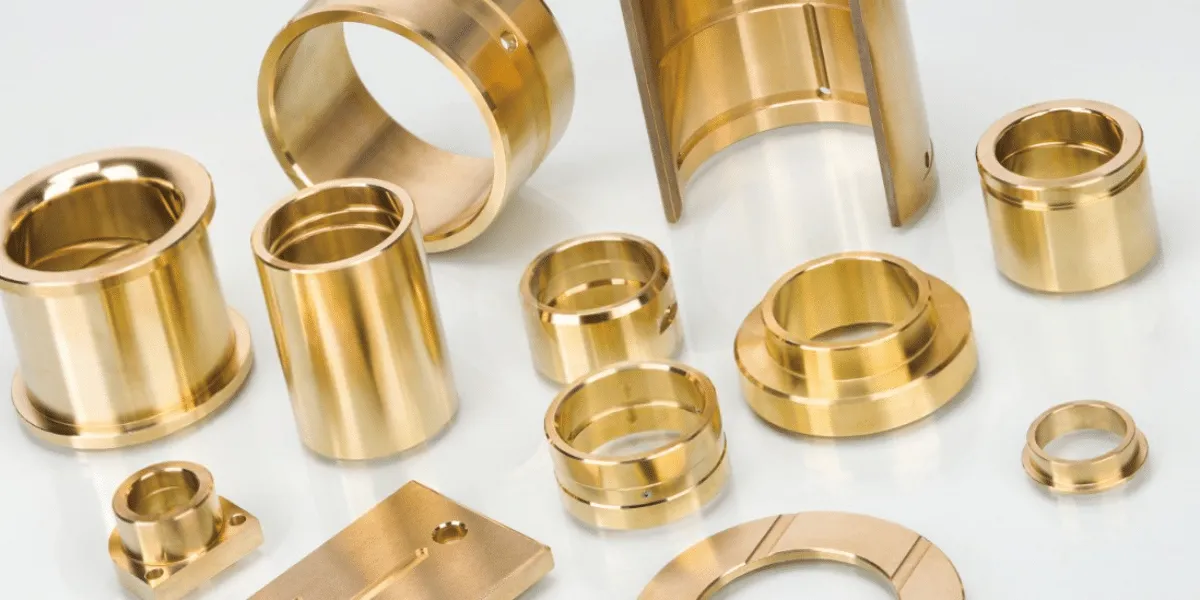
High temperature bushing material supports stable operation inside demanding industrial machinery. Heavy equipment often operates under constant thermal pressure and friction. Steel processing lines, mining conveyors, and furnace systems generate intense heat during production cycles. Excessive temperatures can deform standard bushings and damage rotating assemblies quickly. Thermal instability also increases vibration and shaft misalignment during operation. Industrial facilities therefore require engineered components with predictable thermal expansion properties. Manufacturers select advanced bushing structures to maintain precision and reduce wear rates. Consistent dimensional stability improves equipment reliability during continuous production schedules. Strong thermal resistance also lowers shutdown frequency across automated systems. Many procurement teams prioritize heat-resistant components because replacement downtime creates expensive operational delays in large manufacturing plants.
Industrial Systems Demand Reliable Heat Resistance
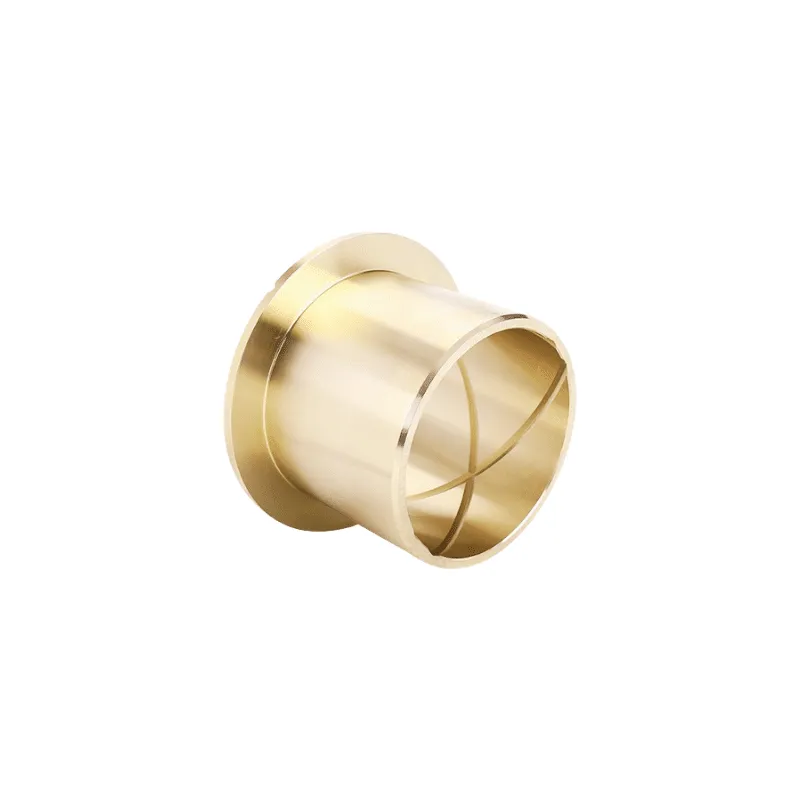
Many manufacturers prefer high temperature bushing material for continuous furnace and conveyor applications. Elevated temperatures frequently reduce lubricant viscosity and increase metal surface contact dramatically. Stable bushing structures reduce friction while supporting heavy radial and axial loads efficiently. Bronze composites, graphite structures, and reinforced polymers maintain mechanical integrity during prolonged operation cycles. Reliable bushings also prevent shaft scoring and premature bearing damage inside industrial equipment. Industrial operators require predictable performance across fluctuating thermal environments and demanding production schedules. Proper material selection minimizes distortion and stabilizes rotating equipment alignment effectively. Certain systems also include Brass bushing with oil groove configurations for controlled lubrication retention. Lubrication channels distribute oil evenly across moving surfaces during operation. Reduced friction lowers energy consumption and extends service intervals substantially. Consistent operational stability becomes increasingly important within automated production facilities operating continuously throughout industrial manufacturing processes.
How Thermal Stress Affects Mechanical Components
Industrial machinery experiences several operating conditions that increase internal thermal stress significantly. Continuous rotation creates friction between shafts and surrounding support assemblies during operation. Heavy pressure loads also intensify heat generation inside confined mechanical systems rapidly. Furnace conveyor systems often operate near extreme radiant heat sources for extended periods. Chemical processing equipment additionally exposes components to corrosive environments and unstable temperatures daily. Steam systems create thermal cycling that repeatedly expands and contracts mechanical assemblies continuously. Rapid temperature fluctuations frequently accelerate material fatigue and dimensional instability throughout industrial systems. Engineers therefore evaluate operating temperature ranges before selecting mechanical support components carefully. Proper heat resistance helps prevent seizure, cracking, and premature deformation during demanding applications. Thermal stability also supports consistent tolerances within automated production environments. Long-term reliability depends heavily on matching mechanical properties with actual industrial operating conditions accurately.
Why High Temperature Bushing Material Supports Operational Stability
High temperature bushing material helps industrial systems maintain efficiency during continuous thermal exposure. Elevated temperatures often weaken standard metals and accelerate surface wear progression rapidly. Stable bushing materials reduce friction while maintaining structural consistency during operation cycles. Strong thermal resistance also minimizes vibration inside rotating industrial assemblies significantly. Engineers frequently specify advanced materials for applications involving continuous mechanical stress and elevated heat. Reliable bushings help maintain accurate shaft alignment during long manufacturing schedules. Reduced deformation additionally protects surrounding bearings and mechanical support components effectively. Industrial operators prioritize durable materials because equipment shutdowns create major production losses annually. Certain thermal-resistant composites also support dry operation without continuous lubrication systems installed. Long operational lifespan becomes especially valuable within automated manufacturing environments requiring consistent mechanical reliability and reduced maintenance interruptions.
Common Materials Used In Heat Resistant Bushings
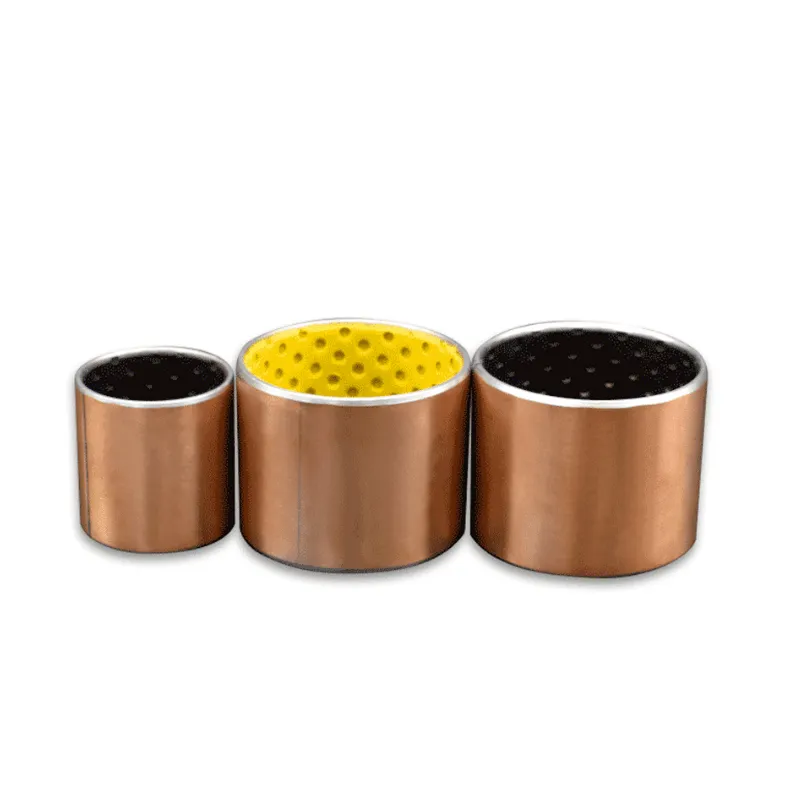
Several engineered materials provide stable performance under demanding industrial temperature conditions. Graphite-based bushings resist thermal expansion and operate effectively without liquid lubrication systems. Bronze alloys offer excellent load capacity and controlled friction characteristics under continuous pressure exposure. PTFE composite structures maintain chemical resistance while reducing surface wear during rotational movement. Carbon reinforced polymers provide lightweight strength and dimensional consistency during prolonged heat exposure. Ceramic materials also resist oxidation and maintain hardness at elevated operating temperatures effectively. Engineers often compare high temperature bushing material options before selecting industrial production components. Material selection depends on pressure levels, rotational speed, and surrounding environmental conditions carefully. Certain heavy-duty systems rely on Industrial stainless steel bushing designs for corrosion resistance and durability. Stainless steel structures tolerate harsh industrial environments while maintaining structural integrity efficiently. Reliable material selection directly affects equipment lifespan and operational stability across manufacturing facilities worldwide.
Mechanical Properties That Influence Industrial Performance
Several mechanical properties determine long-term bushing performance inside industrial operating environments consistently. Compressive strength supports heavy equipment loads during continuous rotational movement and pressure exposure. Hardness levels strongly influence wear resistance and surface deformation under friction conditions daily. Thermal conductivity controls heat transfer away from rotating contact surfaces efficiently during operation. Low friction coefficients reduce energy loss and minimize internal temperature increases significantly. Oxidation resistance additionally protects materials during prolonged exposure to high-temperature industrial air environments. Stable dimensional tolerances help maintain alignment between shafts and surrounding support structures accurately. Excessive thermal expansion can increase vibration and accelerate mechanical wear progression rapidly. Engineers carefully evaluate fatigue resistance when designing components for continuous industrial operation cycles. Reliable mechanical performance reduces maintenance requirements and unexpected production interruptions effectively. Strong structural consistency remains essential for automated machinery operating across extended manufacturing schedules worldwide.
| Material Type | Temperature Resistance | Wear Resistance | Lubrication Requirement |
|---|---|---|---|
| Graphite Composite | Very High | High | Low |
| Bronze Alloy | Moderate | High | Medium |
| PTFE Composite | High | Moderate | Low |
| Ceramic Composite | Extreme | Very High | Minimal |
Material Selection Depends On High Temperature Bushing Material Operating Conditions
Proper high temperature bushing material selection reduces thermal distortion during long production cycles. Industrial engineers rarely select bushing materials using temperature resistance alone during procurement evaluations. Rotational speed strongly affects friction generation and lubrication performance inside equipment assemblies continuously. High-pressure systems require stronger materials with excellent compressive load characteristics and durability. Chemical exposure also influences long-term structural stability during industrial operating conditions significantly. Corrosive substances can damage weaker materials and accelerate wear progression rapidly over time. Engineers therefore compare environmental risks alongside thermal requirements before procurement decisions carefully. Shaft alignment tolerances additionally affect surface pressure distribution during operation and mechanical movement. Proper installation helps reduce uneven wear and mechanical vibration throughout production systems effectively. Maintenance schedules also influence preferred material selection strategies for industrial manufacturing facilities worldwide. Durable bushings reduce replacement frequency and lower maintenance labor costs substantially.
| Performance Factor | Standard Bushing | Heat Resistant Bushing |
|---|---|---|
| Thermal Stability | Limited | Excellent |
| Wear Resistance | Moderate | High |
| Maintenance Frequency | Frequent | Reduced |
| Operational Lifespan | Shorter | Longer |
Comparison Between Standard And Advanced Bushings
Standard bushings often fail quickly under prolonged industrial heat exposure conditions and pressure. Elevated temperatures soften weaker materials and increase friction-related surface damage rapidly during operation. Heat resistant designs maintain dimensional stability throughout extended industrial production schedules efficiently. Improved structural consistency reduces vibration and protects connected rotating components effectively from wear. Stronger wear resistance also extends maintenance intervals across industrial machinery systems significantly. Thermal durability supports operational reliability during continuous heavy-load applications within manufacturing facilities worldwide. Modern factories increasingly replace conventional parts with high temperature bushing material solutions. Reduced downtime improves manufacturing productivity and stabilizes production planning schedules effectively. Reliable bushings additionally reduce lubrication consumption across many automated mechanical systems daily. Industrial operators frequently prioritize lifecycle performance over short-term procurement savings during equipment investments. Consistent operational efficiency creates measurable financial benefits for manufacturers operating large industrial production facilities continuously.
Advantages For Automated Manufacturing Systems
Automated manufacturing equipment requires highly stable mechanical support during continuous production cycles daily. Thermal fluctuations can disrupt alignment accuracy within robotic and conveyor systems significantly. Reliable bushings reduce vibration and improve positioning consistency during machine operation continuously. Stable rotational movement also protects sensors and precision control assemblies from unnecessary mechanical stress. Lower friction levels help reduce unnecessary motor power consumption throughout automated production environments substantially. Automated systems benefit from components with predictable expansion characteristics during continuous operation schedules. Reduced maintenance interruptions improve productivity across high-volume manufacturing facilities operating worldwide continuously. Precision-driven equipment additionally requires consistent dimensional tolerances under changing thermal conditions daily. Heat resistant structures help maintain operational accuracy throughout extended production schedules efficiently. Long-lasting components also simplify inventory planning and spare part management procedures significantly. Industrial automation increasingly depends on durable support components capable of sustaining reliable performance continuously.
Installation And Maintenance Practices For Long Service Life
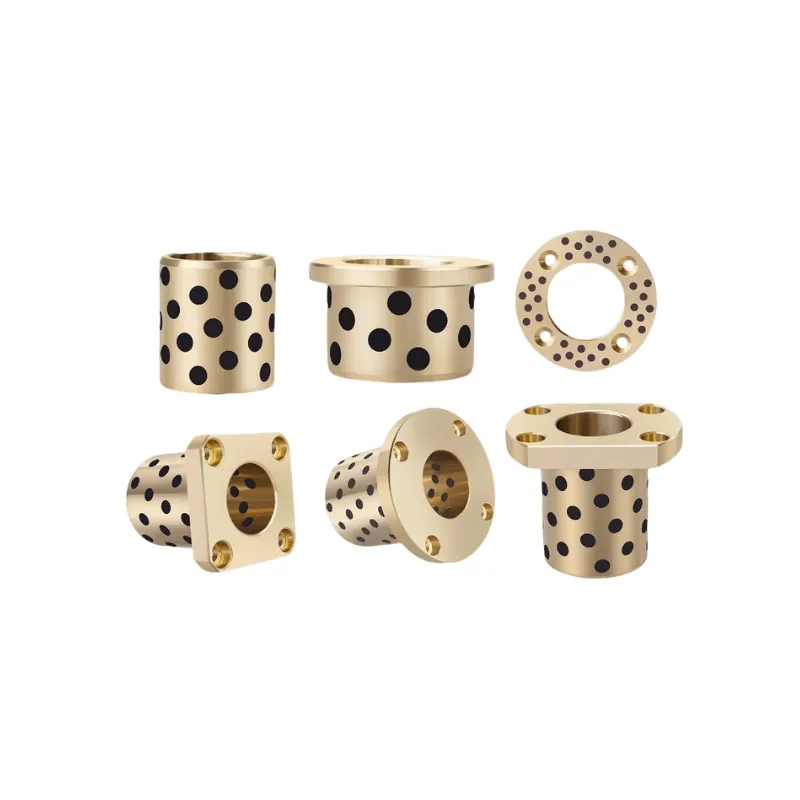
Proper installation procedures strongly influence industrial bushing service life and operational stability significantly. Shaft alignment must remain accurate to prevent uneven pressure distribution during operation cycles. Incorrect clearance levels can increase friction and accelerate internal heat generation rapidly inside assemblies. Engineers often calculate thermal expansion allowances before final equipment assembly procedures carefully. Accurate installation helps high temperature bushing material maintain stable operational performance over extended service periods. Lubrication management also remains essential for many industrial rotating systems and conveyor applications. Contaminated lubricants frequently increase wear rates and reduce operational efficiency substantially over time. Routine inspection schedules help identify early signs of surface damage or deformation quickly. Maintenance teams commonly monitor vibration levels and operating temperatures during equipment operation daily. Consistent preventive maintenance reduces unexpected failures and production downtime across industrial facilities effectively. Reliable operational results depend equally on engineering design, maintenance quality, and accurate installation procedures.
Frequently Asked Questions
What industries commonly require heat resistant bushings?
Several industries require heat resistant bushings because standard materials cannot tolerate prolonged thermal exposure. Steel manufacturing facilities operate furnaces, rolling systems, and conveyors under intense heat conditions continuously. Mining equipment also experiences heavy pressure and friction during long operation cycles daily. Glass production systems expose components to elevated temperatures near processing ovens and transport lines. Power generation equipment frequently handles thermal cycling caused by steam and turbine systems. Chemical processing plants additionally require corrosion resistance alongside strong thermal durability characteristics. Automotive manufacturing systems rely on stable rotating assemblies within robotic production environments continuously. Reliable bushings reduce maintenance frequency, improve equipment stability, and support longer operational service life across demanding industrial manufacturing applications worldwide today.
How does thermal expansion affect bushing performance?
Thermal expansion directly affects dimensional stability inside rotating industrial assemblies during operation schedules continuously. Excessive expansion can increase friction between shafts and surrounding support structures significantly over time. Higher friction levels generate additional heat and accelerate wear progression rapidly within machinery systems. Misalignment often develops when materials expand unevenly under fluctuating temperature conditions repeatedly. Distorted bushings may also increase vibration and reduce equipment precision during operation cycles considerably. Engineers therefore select materials with controlled thermal expansion characteristics for industrial equipment applications carefully. Stable materials maintain consistent clearances during prolonged thermal exposure and continuous mechanical movement effectively. Proper installation tolerances additionally help compensate for expansion changes during industrial operation cycles. Effective thermal management improves equipment lifespan and supports reliable production performance throughout demanding manufacturing environments worldwide.
Which material performs best in continuous high heat environments?
Graphite composites and ceramic-based structures often perform exceptionally well under continuous high heat conditions. Graphite materials operate effectively without liquid lubrication and resist thermal expansion efficiently during operation. Ceramic composites maintain hardness and structural integrity during extreme temperature exposure within industrial systems. Bronze alloys also provide strong load capacity for many industrial rotating applications worldwide today. PTFE composites perform well in chemically aggressive environments requiring lower friction characteristics consistently. Material selection depends heavily on operating temperature, pressure, and environmental exposure conditions carefully. Engineers additionally evaluate rotational speed, lubrication requirements, and maintenance schedules before final selection decisions. No single material fits every industrial application perfectly or consistently. Proper engineering analysis helps manufacturers select reliable options supporting long-term operational performance and reduced maintenance costs effectively.