Industrial operations rely on chemical resistant pipe fittings for safe and efficient fluid transport. Selecting the right components reduces downtime and enhances system reliability. Durability depends on material composition, precise design, and chemical compatibility. Choosing incompatible materials can cause corrosion or leaks. Proper installation ensures long-term performance. Plants handling acids, solvents, or alkalis require fittings that maintain integrity under pressure and temperature variations. Material selection and quality control directly influence lifecycle costs. Operational efficiency hinges on components that withstand harsh conditions without failure.
Chemical Compatibility Determines Long-Term Stability
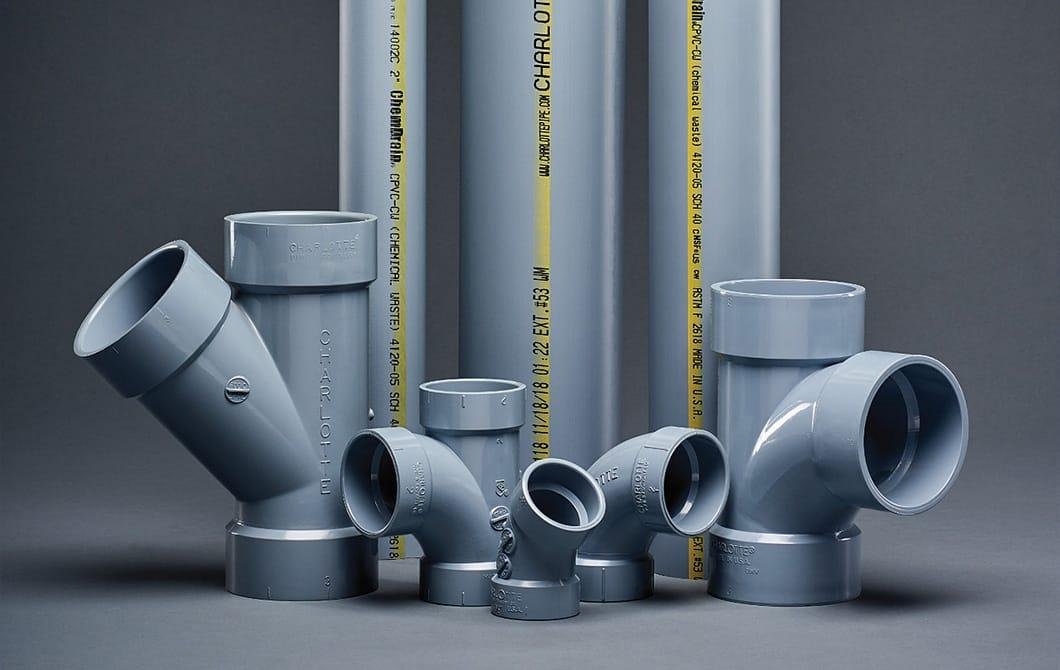
Chemical resistant pipe fittings must resist strong acids, alkalis, and solvents. Material degradation can occur if chemical concentration exceeds tolerance limits.PVDF, CPVC, and PTFE provide resistance against many aggressive industrial fluids.
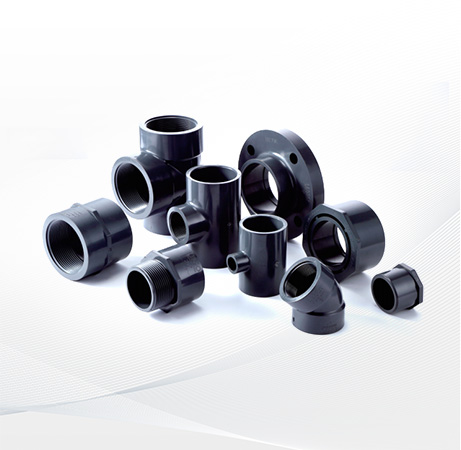
Metals like stainless steel tolerate oxidizing agents but may corrode when exposed to halogens. Engineers evaluate compatibility to predict service life and reduce unexpected operational failures. Temperature changes and fluid concentration strongly influence long-term performance. Selecting suitable materials ensures safe transport of corrosive media across industrial systems. Routine inspection and preventive maintenance improve sealing stability and extend operational durability.
Material Selection Shapes Mechanical Performance
Material choice determines strength and thermal behavior. PVDF and PTFE resist chemicals but vary in tensile strength. CPVC offers moderate flexibility and pressure tolerance. Polypropylene is lightweight but has lower impact resistance. Stainless steel pipe fittings provide excellent mechanical strength under high pressure. Impurities in raw materials can accelerate corrosion or reduce stability. Standards regulate composition to guarantee consistent performance. Lifecycle cost depends on balancing mechanical properties and chemical resistance for each application.
Chemical Resistant Pipe Fittings in High-Temperature Environments
Fittings must endure temperature fluctuations without distortion. Thermal cycling can reduce sealing efficiency. PTFE and PVDF tolerate moderate and high temperatures, respectively. Steam or heated chemicals require materials rated for heat distortion and creep resistance. Proper installation ensures that chemical resistant pipe fittings maintain integrity. Monitoring thermal stress prevents leaks and operational interruptions. These considerations extend service life and maintain safety in high-temperature processes.
Manufacturing Precision Improves Sealing Integrity
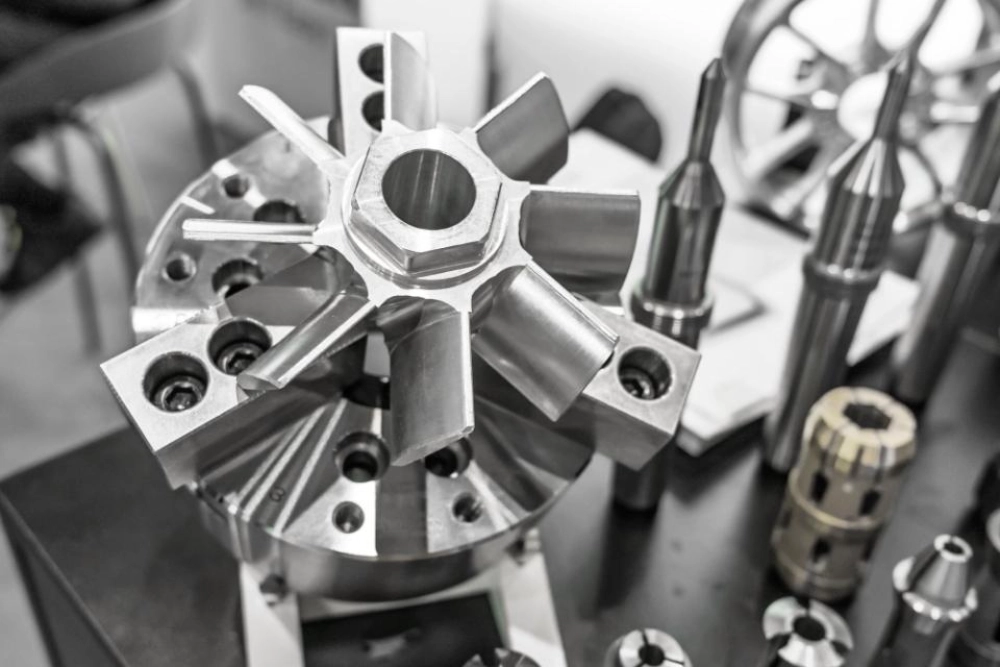
CNC machining ensures tight tolerances, critical for leak-free connections. Injection molding of polymers provides uniform wall thickness. Threaded connections require precise cutting to prevent leaks. Surface finish affects gasket performance. Minor deviations compromise reliability under vibration or pressure. Random batch inspections confirm compliance with industrial standards. Precision manufacturing directly contributes to long-term performance.
Key Standards Used in Industrial Pipeline Systems
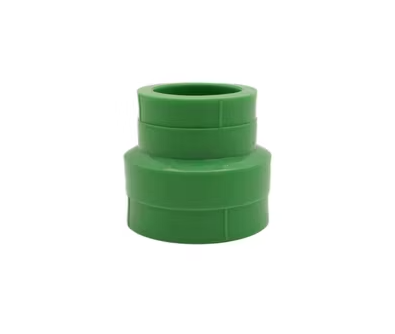
Standards such as ASTM, ISO, DIN, and ANSI regulate materials and performance. Pressure classes define operating limits. Material testing includes tensile strength, impact resistance, and corrosion assays. Compliance ensures that chemical resistant pipe fittings deliver reliable performance. Documentation provides assurance for procurement and engineering teams.
Material Comparison Table
| Material | Corrosion Resistance | Temperature Range | Pressure Capacity | Applications |
|---|---|---|---|---|
| PTFE | High | −200°C to 260°C | Moderate | Strong acids, solvents |
| PVDF | High | −40°C to 150°C | High | Hot chemicals, industrial fluids |
| CPVC | Moderate | −10°C to 95°C | Moderate | Chlorinated solutions |
| Polypropylene | Moderate | 0°C to 100°C | Low | Water treatment |
| Stainless steel | High | −50°C to 400°C | High | Oxidizing chemicals, high pressure |
Why Installation Methods Affect Service Life
Correct installation prevents leaks and mechanical stress. Over-tightening damages threads, while under-tightening allows leaks. Gasket selection must match chemical and temperature conditions. Pipe alignment reduces stress on joints. Routine inspection and torque checks extend service life. Proper installation is essential for both polymer and metal components.
Critical Features Buyers Should Evaluate
- Corrosion resistance for target chemicals
- Pressure rating and safety margins
- Thermal tolerance for operational ranges
- UV resistance for exposed applications
- Mechanical strength for loads
- Maintenance requirements for inspection
Feature Analysis After the List
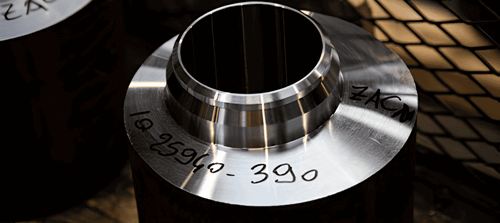
Evaluating these features affects total cost of ownership. High-quality fittings reduce maintenance and downtime. Selecting materials appropriate to chemical, pressure, and temperature ensures safe and durable operation. Long-term efficiency depends on combining material properties, installation quality, and preventive care.
Chemical Resistant Pipe Fittings for Aggressive Media Transfer
Industries such as pharmaceuticals, mining, electroplating, and wastewater treatment rely on durable chemical resistant pipe fittings. Continuous exposure to abrasive or acidic liquids challenges materials. Proper selection prevents cracking, scaling, or internal corrosion. Metric hydraulic connector installations often complement pipelines to provide secure and controlled flow. These fittings support uninterrupted operations in challenging industrial environments.
Industrial Application Table
| Industry | Chemical | Material | Operating Conditions |
|---|---|---|---|
| Electroplating | Chromic acid | PTFE | High temperature, corrosive |
| Pharmaceutical | Solvents | PVDF | Moderate temperature |
| Mining | Slurry | CPVC | High pressure, abrasive |
| Water Treatment | Chlorinated water | Polypropylene | Ambient temp |
Inspection and Maintenance Practices for Extended Lifespan
Regular inspections detect wear or cracks early. Pressure testing ensures joint integrity. Seal replacement intervals depend on chemical exposure and operating hours. Proper storage preserves polymer properties. Stainless steel pipe fittings should be monitored for surface corrosion. Structured maintenance ensures continuous and safe operation.
Conclusion
Durability depends on material properties, precise manufacturing, proper installation, and preventive care. Choosing appropriate chemical resistant pipe fittings balances chemical resistance with mechanical performance.
Following standards and monitoring operational conditions reduces downtime and costs. Reliable fittings ensure safe, continuous chemical transport in industrial pipelines.
FAQ
How do temperature changes affect industrial pipe fittings?
Temperature variations influence expansion and contraction of pipeline materials. Chemical resistant pipe fittings must withstand thermal cycling to maintain seals. PTFE can deform under sustained heat, while metals handle higher temperatures but expand differently at joints. Sudden changes may create stress cracks or leaks. Engineers select materials considering maximum operating temperature and thermal coefficients. Correct torque during installation reduces stress. Routine monitoring ensures fittings remain within design limits, maintaining efficiency and safety throughout industrial operations.
Which fitting materials resist strong industrial acids best?
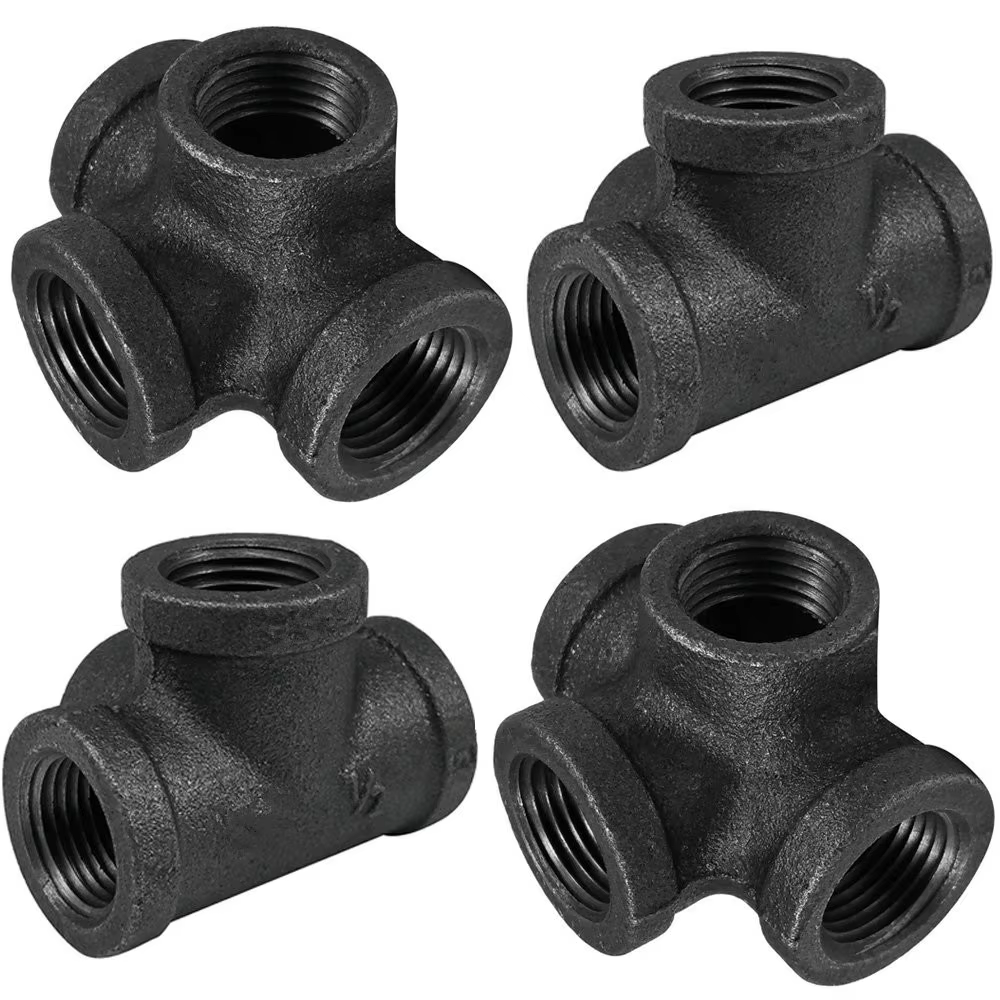
Strong acids demand materials resistant to chemical attack. PTFE performs well against nitric, sulfuric, and hydrochloric acids. PVDF handles many acids and maintains better pressure tolerance. CPVC suits moderate concentrations but may degrade with oxidizing agents. Stainless steel pipe fittings resist oxidizing acids but can corrode with halogens. Material selection depends on acid type, concentration, temperature, and operating pressure. Correct installation and regular inspection maintain durability and reduce unexpected failures in industrial pipelines.
Why do some pipeline fittings fail earlier than expected?
Early failure can result from improper installation, incompatible chemicals, or exceeding design limits. Over-tightening threads or misaligned joints damages seals. Exposure to untested chemicals may cause corrosion or swelling. Pressure spikes, vibration, or thermal cycling accelerate degradation. Lack of maintenance, delayed inspections, or ignored gasket replacement worsens risk. Selecting materials matching operating conditions and performing preventive inspections prolong service life. Manufacturers emphasize dimensional precision and quality control to reduce unexpected failures in critical pipelines.