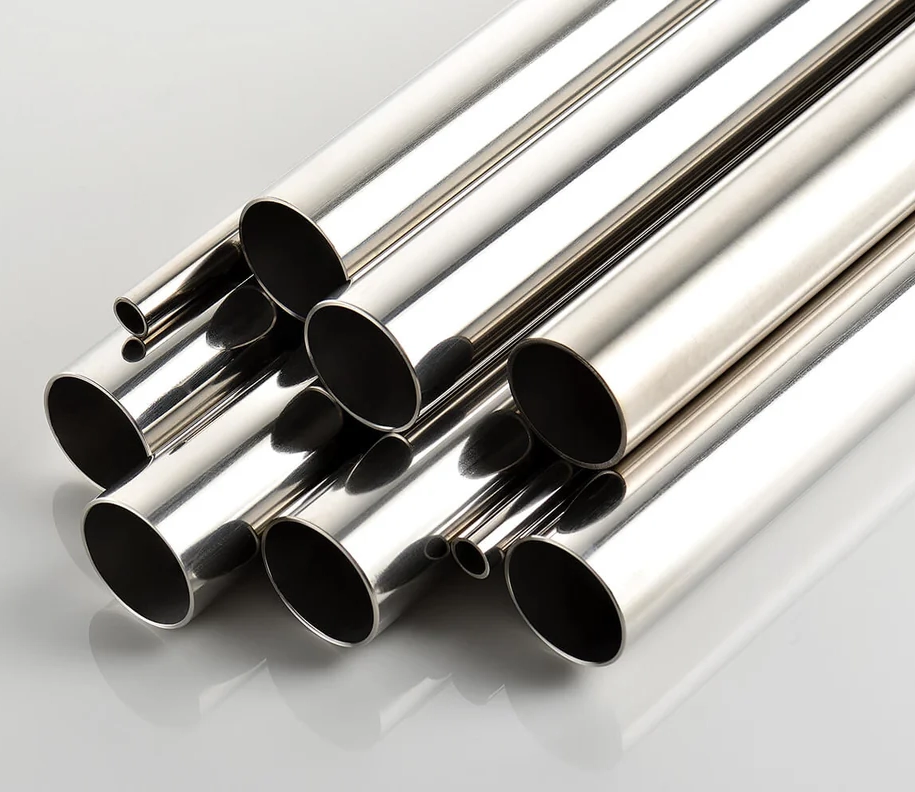
Welded vs seamless pipe fittings influence pressure stability, maintenance frequency, and production efficiency across industrial systems. Manufacturing plants require fittings that tolerate vibration, thermal cycling, and chemical exposure without structural deformation. Pipeline engineers often compare grain structure, wall consistency, and inspection standards before procurement decisions. Oil refineries prioritize reliable flow performance under extreme temperatures and continuous operating pressure. Chemical facilities evaluate corrosion resistance because aggressive fluids damage weak connection points rapidly. Power generation projects also require dimensional precision for stable assembly alignment. Procurement departments balance technical reliability with supply chain efficiency during large infrastructure investments. Material quality directly affects lifecycle operating costs and shutdown frequency. Proper fitting selection improves operational continuity and reduces leakage risks during demanding industrial production cycles.
Manufacturing Structure Differences Between Connection Types
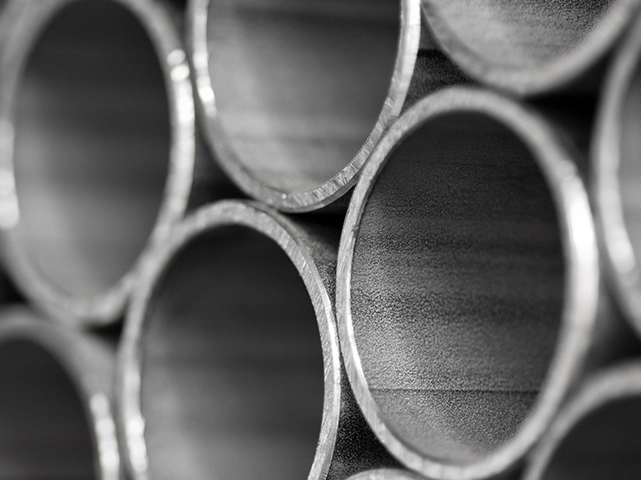
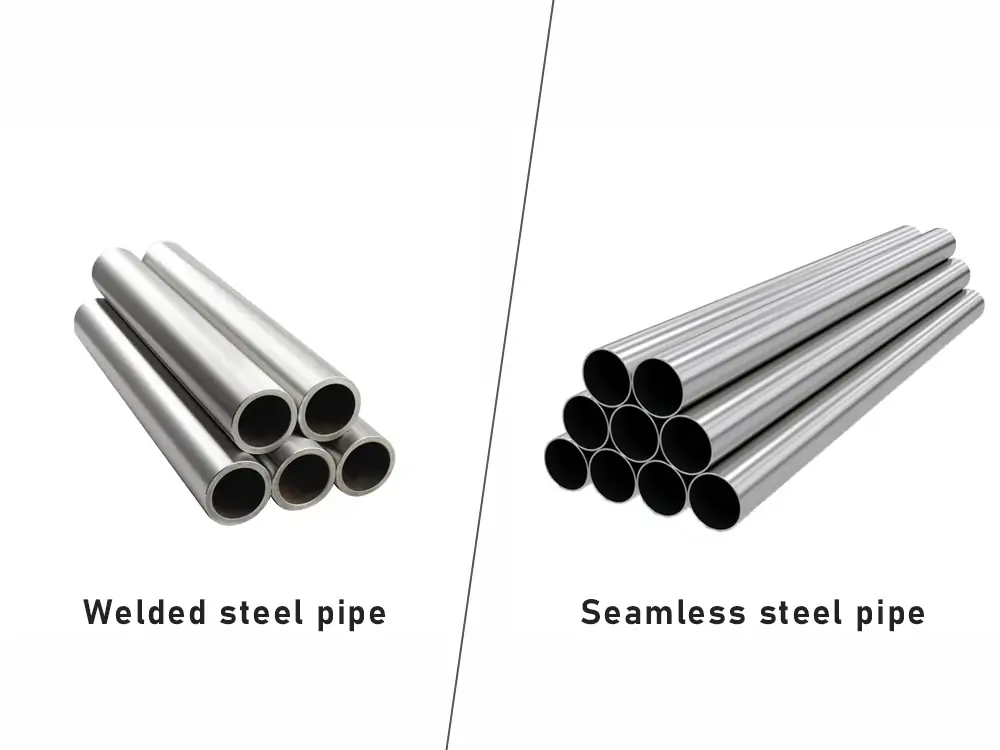
Welded fittings originate from rolled steel plates or pipes joined through automated welding procedures. Manufacturers apply heat treatment after seam formation to reduce residual stress concentration. Production flexibility allows large diameters with lower raw material consumption and faster fabrication speed. Seamless fittings emerge from solid billets through hot extrusion and rotary piercing operations. This process creates a continuous grain structure without welded joints. Uniform metallurgical composition improves internal pressure resistance and fatigue durability during cyclic loading conditions. Industrial plants operating under fluctuating pressure often prioritize homogeneous wall construction for safety reasons. Surface finishing quality also differs between both manufacturing methods. Precision machining removes internal irregularities and improves sealing performance. Production technology strongly affects installation reliability, inspection requirements, and long-term mechanical stability across heavy industrial environments.
Welded Vs Seamless Pipe Fittings for High-Pressure Systems
Welded vs seamless pipe fittings show significant performance differences inside high-pressure industrial pipelines. Seamless structures distribute internal stress more evenly because no welded seam interrupts material continuity. Refineries processing superheated steam usually select seamless products for critical transmission lines. Welded alternatives still perform effectively in medium-pressure operations with advanced seam inspection technologies. Modern ultrasonic testing detects microscopic defects before industrial installation begins. Engineers frequently evaluate burst pressure ratings, tensile strength, and thermal expansion behavior before system approval. Pressure surges create additional fatigue stress around weak connection areas during continuous production cycles. Proper wall thickness selection minimizes deformation risks during sudden pressure fluctuations. Reliable installation procedures also influence sealing stability. Industrial procurement teams compare inspection certification and compliance documentation carefully before approving long-term pipeline investments.
Corrosion Resistance and Material Compatibility Analysis
Industrial corrosion originates from chemical exposure, moisture penetration, temperature variation, and galvanic reactions between incompatible metals. Stainless steel pipe fittings resist oxidation effectively because chromium creates a stable passive protective layer. Austenitic grades such as 304 and 316 tolerate acidic processing environments and humid marine facilities efficiently. Carbon steel products provide strong mechanical performance but require protective coatings in corrosive conditions. Alloy steel alternatives improve thermal resistance during high-temperature petrochemical operations. Internal surface smoothness also affects contamination accumulation and fluid turbulence inside process pipelines. Chemical plants often analyze pH concentration, chloride exposure, and media velocity before selecting fitting materials. Corrosion failure increases operational downtime and replacement expenses significantly. Proper metallurgy selection extends equipment service life and supports safer industrial fluid transportation under aggressive processing conditions.
Dimensional Standards and Inspection Requirements
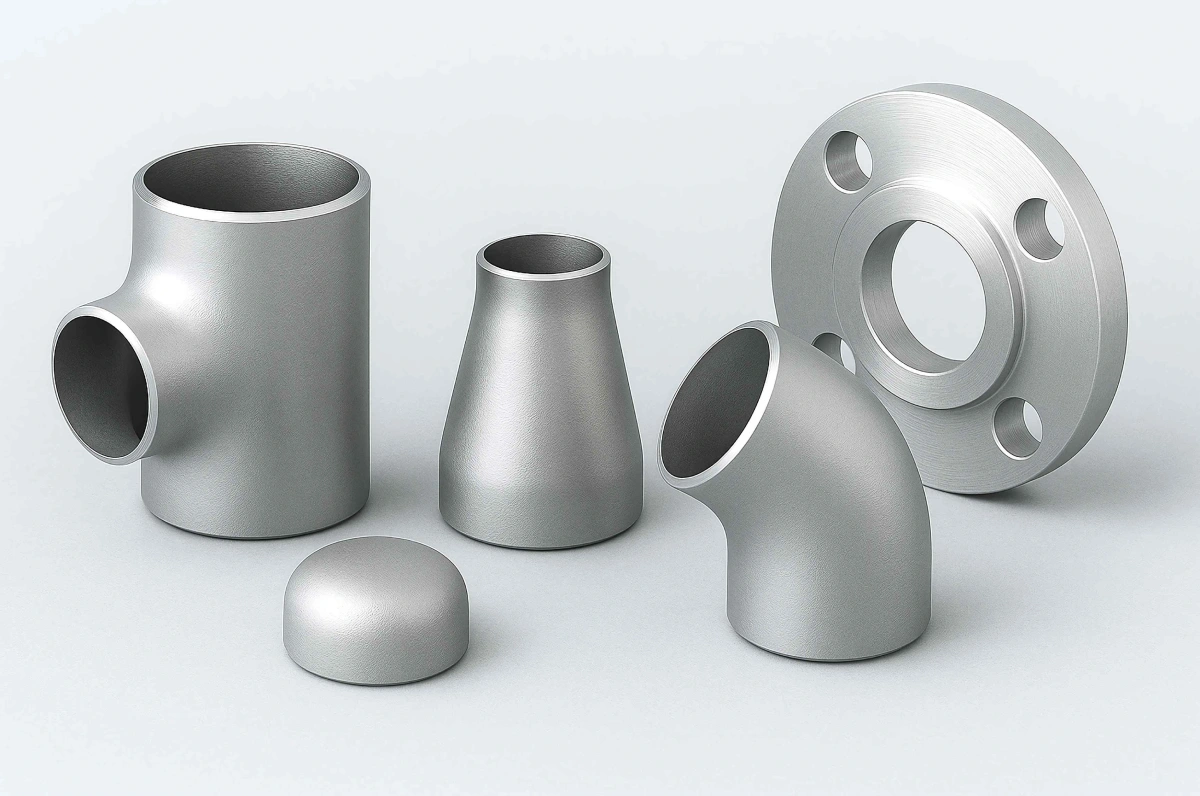
Industrial piping systems require strict dimensional consistency for safe assembly and operational stability. International standards regulate fitting tolerances, wall thickness, pressure ratings, and material traceability. ASME B16.9 defines dimensional requirements for factory-made wrought steel fittings used in industrial pipelines.
| Comparison Factor | Welded Construction | Seamless Construction |
|---|---|---|
| Production Cost | Lower manufacturing expense | Higher billet processing cost |
| Pressure Capability | Suitable for medium pressure | Suitable for extreme pressure |
| Material Uniformity | Possible seam variation | Continuous grain structure |
| Large Diameter Availability | Excellent production flexibility | Limited large-size production |
| Inspection Focus | Weld seam evaluation | Dimensional consistency |
Procurement Cost and Lifecycle Considerations
Industrial procurement teams evaluate operating efficiency rather than initial purchase price alone. Welded fittings generally reduce manufacturing costs because rolled steel consumption remains more efficient during production. Large-diameter projects benefit from shorter fabrication schedules and wider market availability. Seamless alternatives often require higher investment because billet processing increases energy consumption and machining complexity. However, lifecycle savings may offset procurement costs in severe operating environments. Shutdown expenses, maintenance frequency, and leak prevention strongly influence total ownership value during long-term facility operation. Procurement departments also analyze transportation logistics and warehouse inventory efficiency carefully. Supply chain reliability becomes essential during urgent infrastructure expansion projects. Engineers frequently compare expected service life against replacement costs before final purchasing approval. Cost analysis therefore combines operational durability, inspection reliability, and future maintenance requirements.
Industrial Applications Across Multiple Sectors
Industrial sectors select fitting structures according to pressure requirements, corrosion exposure, and operational temperature conditions. Oil and gas facilities frequently install seamless components inside high-pressure transmission systems carrying flammable media. Chemical plants operating with aggressive solvents often prioritize corrosion-resistant alloys and reinforced sealing performance. Food processing facilities demand hygienic internal surfaces that reduce bacterial contamination and residue accumulation. Marine engineering projects require materials resistant to saltwater corrosion and constant vibration stress. Power generation systems use reinforced pipeline structures for steam transportation under elevated thermal conditions. Automotive hydraulic assemblies sometimes integrate a Metric hydraulic connector for compact fluid control systems requiring dimensional precision. Mining operations also require mechanically robust connections capable of resisting abrasive slurry movement. Sector-specific operating environments therefore determine optimal fitting selection across industrial infrastructure projects.
| Industry | Preferred Fitting Type | Main Operational Concern |
|---|---|---|
| Oil and Gas | Seamless | Extreme internal pressure |
| Chemical Processing | Both types | Corrosion resistance |
| Food Production | Welded stainless designs | Hygienic flow conditions |
| Marine Engineering | Seamless alloy fittings | Saltwater exposure |
| Power Generation | Seamless | High-temperature steam |
Welded Vs Seamless Pipe Fittings for Long-Term Reliability
Welded vs seamless pipe fittings affect maintenance scheduling, operational continuity, and inspection planning throughout industrial facility lifecycles. Seamless products generally deliver higher reliability under continuous thermal cycling and elevated pressure exposure. Welded designs provide economic advantages in moderate operating environments requiring large-volume installation. Modern seam inspection technologies have improved structural integrity significantly during recent manufacturing development. Procurement teams usually evaluate operating pressure, transported media, corrosion exposure, and installation conditions simultaneously before specification approval.
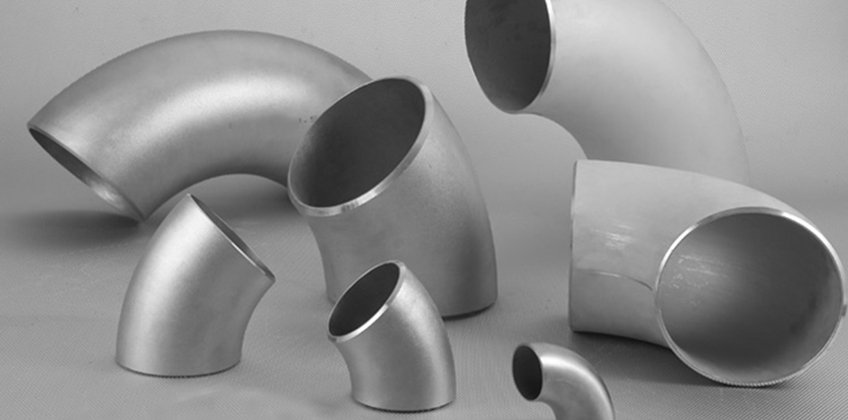
Material traceability and compliance documentation also remain essential during industrial purchasing decisions. Facilities handling hazardous fluids prioritize leak prevention and structural consistency above short-term procurement savings. Long-term reliability therefore depends on material quality, manufacturing precision, installation expertise, and maintenance planning rather than production method alone.
Selection Priorities for Engineering Procurement Teams
Engineering procurement departments compare technical performance with commercial efficiency before approving industrial pipeline investments. Project managers often review pressure ratings, dimensional standards, corrosion resistance, and delivery schedules simultaneously. Large infrastructure developments require stable supply chains capable of supporting urgent replacement demands during maintenance shutdowns. Inspection documentation provides additional confidence during safety audits and regulatory compliance procedures. Fabrication compatibility also influences installation speed because poor dimensional consistency delays assembly operations. Procurement specialists frequently evaluate regional manufacturing capacity and certification availability before selecting suppliers. Industrial contractors prefer products with proven operational history under similar service conditions. Long-term maintenance planning also affects purchasing strategy because inaccessible systems require extended durability. Strategic procurement decisions therefore combine engineering reliability, operational safety, lifecycle value, and manufacturing consistency during industrial pipeline construction projects.
Common Factors Affecting Installation Quality
Installation quality directly influences sealing stability, operational safety, and vibration resistance within industrial piping systems. Improper alignment creates uneven stress distribution around connection points during pressure fluctuations. Experienced technicians follow controlled torque sequences to prevent flange distortion and gasket failure. Welding procedures also require accurate heat input management because excessive temperature weakens metallurgical structure. Pipe support spacing affects vibration transfer and long-term fatigue resistance during continuous industrial operation. Clean internal surfaces reduce contamination risks and improve flow efficiency across processing lines. Industrial contractors frequently inspect dimensional alignment before final assembly begins. Accurate calibration of installation tools also improves connection reliability during high-pressure operation. Maintenance teams generally prioritize preventive inspection schedules because early defect detection minimizes unexpected production shutdowns and expensive emergency repairs.
FAQ
What industries commonly use seamless fittings?
Seamless fittings appear frequently in oil refineries, offshore platforms, chemical processing facilities, and power generation plants. These industries operate under elevated pressure and temperature conditions continuously. Engineers select seamless structures because uniform grain composition improves fatigue resistance during thermal cycling. Steam transmission systems also benefit from continuous wall integrity during long operational periods. Marine projects frequently install alloy seamless products due to strong corrosion resistance against saltwater exposure. Mining operations use reinforced seamless connections for abrasive slurry transportation. Industrial plants handling hazardous media often prioritize structural reliability because leakage creates serious operational and environmental risks. High-pressure transmission therefore remains the primary reason for widespread seamless fitting adoption across critical infrastructure systems.
How do welded fittings reduce industrial project costs?
Welded fittings reduce production expenses because manufacturers use rolled steel rather than solid billets during fabrication procedures. Material utilization remains more efficient, especially for large-diameter pipeline projects requiring extensive connection networks. Faster manufacturing cycles also improve supply chain responsiveness during urgent construction schedules. Transportation costs frequently decrease because welded products remain available from broader regional suppliers. Installation efficiency improves when contractors access customized dimensions without extensive machining requirements. Modern inspection technologies additionally improve seam reliability and reduce defect risks significantly. Medium-pressure systems usually achieve sufficient operational performance with properly tested welded products. Industrial procurement teams therefore balance manufacturing savings with operational requirements when selecting fitting structures for large infrastructure developments.
Which standards regulate industrial pipe fitting quality?
Industrial pipe fitting quality depends heavily on compliance with international manufacturing and inspection standards. ASME B16.9 regulates dimensions for factory-made wrought steel fittings used in process pipelines. ASTM specifications define chemical composition, tensile strength, hardness levels, and heat treatment procedures for various material grades. API standards frequently apply within oil and gas infrastructure requiring elevated safety performance. Inspection procedures often include hydrostatic testing, radiographic examination, ultrasonic evaluation, and surface defect analysis before shipment approval. Third-party certification agencies also verify traceability and manufacturing consistency during procurement audits. Regulatory compliance improves operational safety and supports reliable installation performance across demanding industrial environments. Standardized inspection procedures therefore remain essential throughout industrial pipeline manufacturing and procurement operations.